Photo: PumpkinSky · CC BY-SA 3.0 · Wikimedia Commons
Camellia
Camellia is a broadleaf evergreen shrub whose rose-like blooms open in the cool months, earning it the nickname 'rose of winter'. Perfectly geometric rows of petals in white, blush, pink or red sit against thick, lacquered green leaves that are themselves prized as cut foliage. Florists turn to camellia for winter weddings and luxury arrangements when garden roses and peonies are out of season. The petals shatter if bumped, so it rewards gentle handling with unmatched cool-season elegance.
| Family | Theaceae |
|---|---|
| Origin | East Asia (China, Japan, Korea) |
| Peak season | January, February, March |
| Availability | November, December, January, February, March, April |
| Stem length | 20–40 cm |
| Vase life | 4–7 days |
| Colors | white, pink, red, blush |
| Price tier | premium |
Cut camellia stems on an angle and give them a deep drink of cool water with flower food before arranging. Strip any leaves that would sit below the waterline, but keep the glossy upper foliage — it is part of the appeal. Handle the blooms gently, as petals bruise and drop when knocked. Store cool; camellia dislikes heat and drafts.
- •Recut stems and hydrate deeply in cool water
- •Keep glossy foliage above the waterline
- •Handle blooms gently — petals shatter
- •Store cool, away from heat and drafts
- •Best used near its winter–spring peak
 Bouquet Builder — by Lacy Bird
Design the bouquet. See it as a photo.
Botanical reference
- Also known as
- japanese camellia, rose of winter, Camellia bonnardii, Camellia bononicana, Camellia fimbriata, Camellia florida, Camellia hayaoi, Camellia hozanensis, Camellia imbricata, Camellia imperialis, Camellia incarnata, Camellia japonica adelaideae
- Distribution
- China North-Central, China Southeast, Global, Japan, Jardín Botánico de Bogotá, Korea, Manizales, Nansei-shoto, Taiwan
- Uses
- afforestation, fodder, medicinal plant, food
Open-data sources: GBIF, Wikidata (CC0/CC BY)
Frequently asked questions
When is Camellia in season?
Camellia peaks in January, February, March, and florists can usually source it November, December, January, February, March, April. Availability shifts by region and greenhouse supply.
How long does Camellia last in a vase?
Expect 4–7 days with proper conditioning — a clean vase, fresh water every couple of days, flower food, and a cool spot away from ripening fruit and direct heat.
What can I use instead of Camellia?
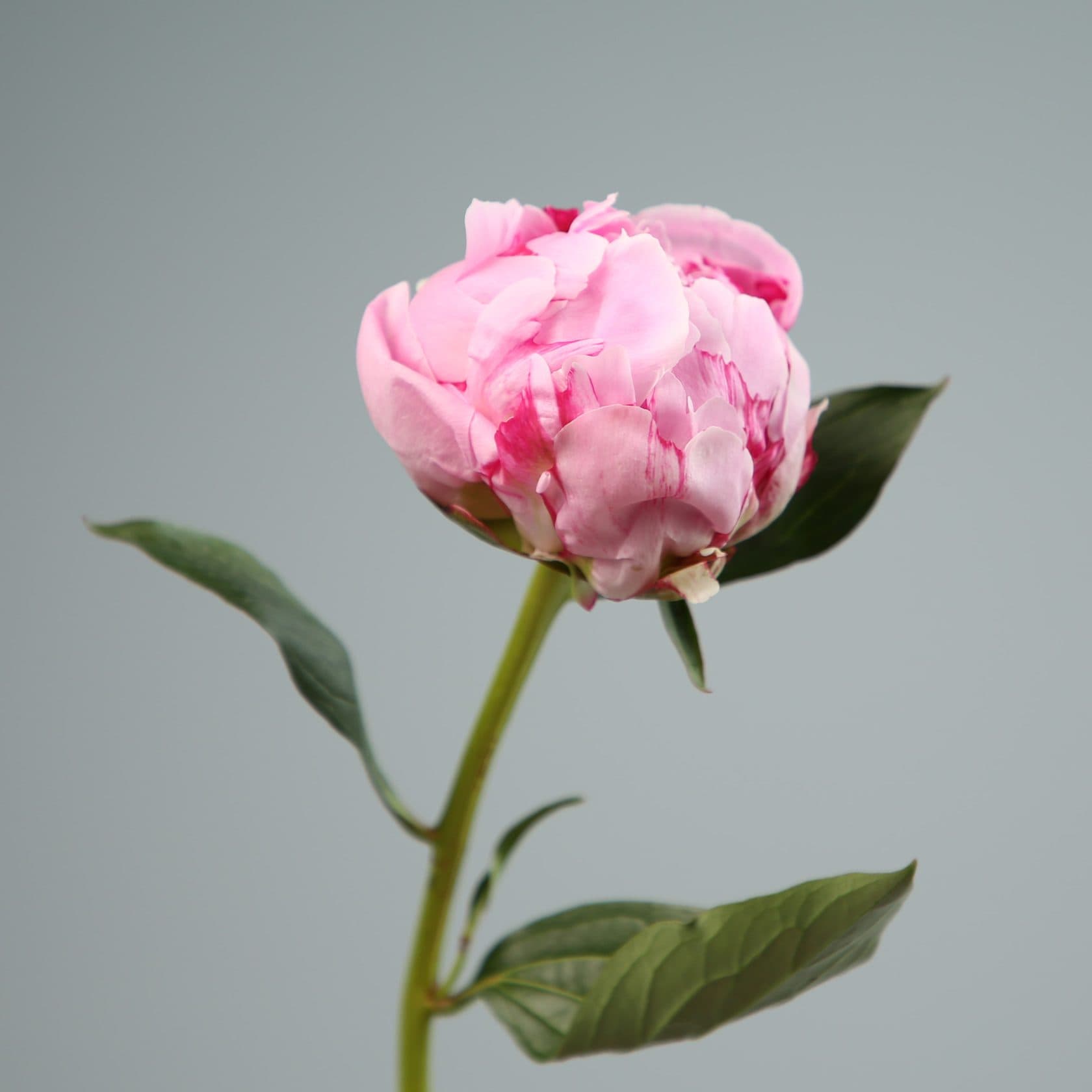
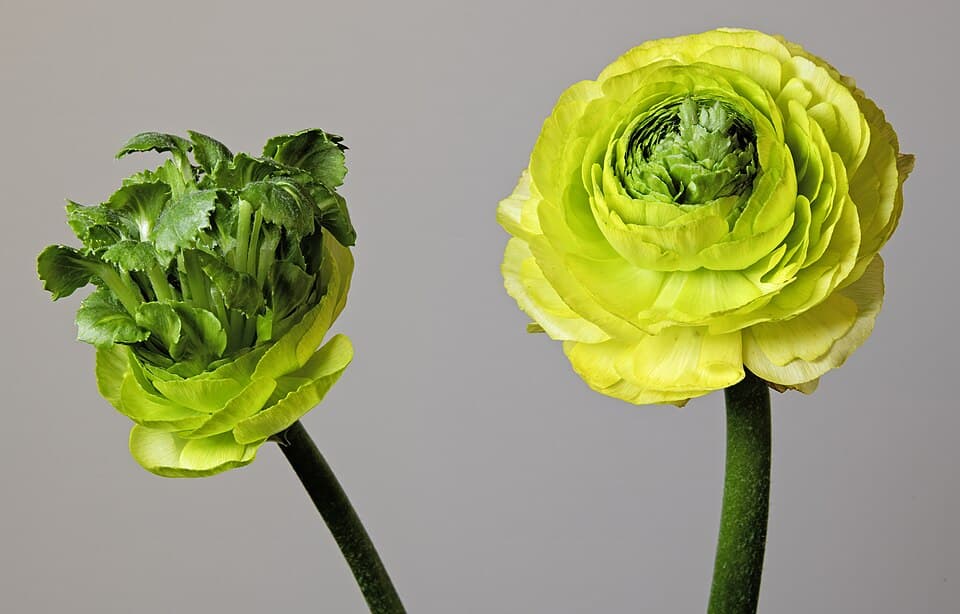
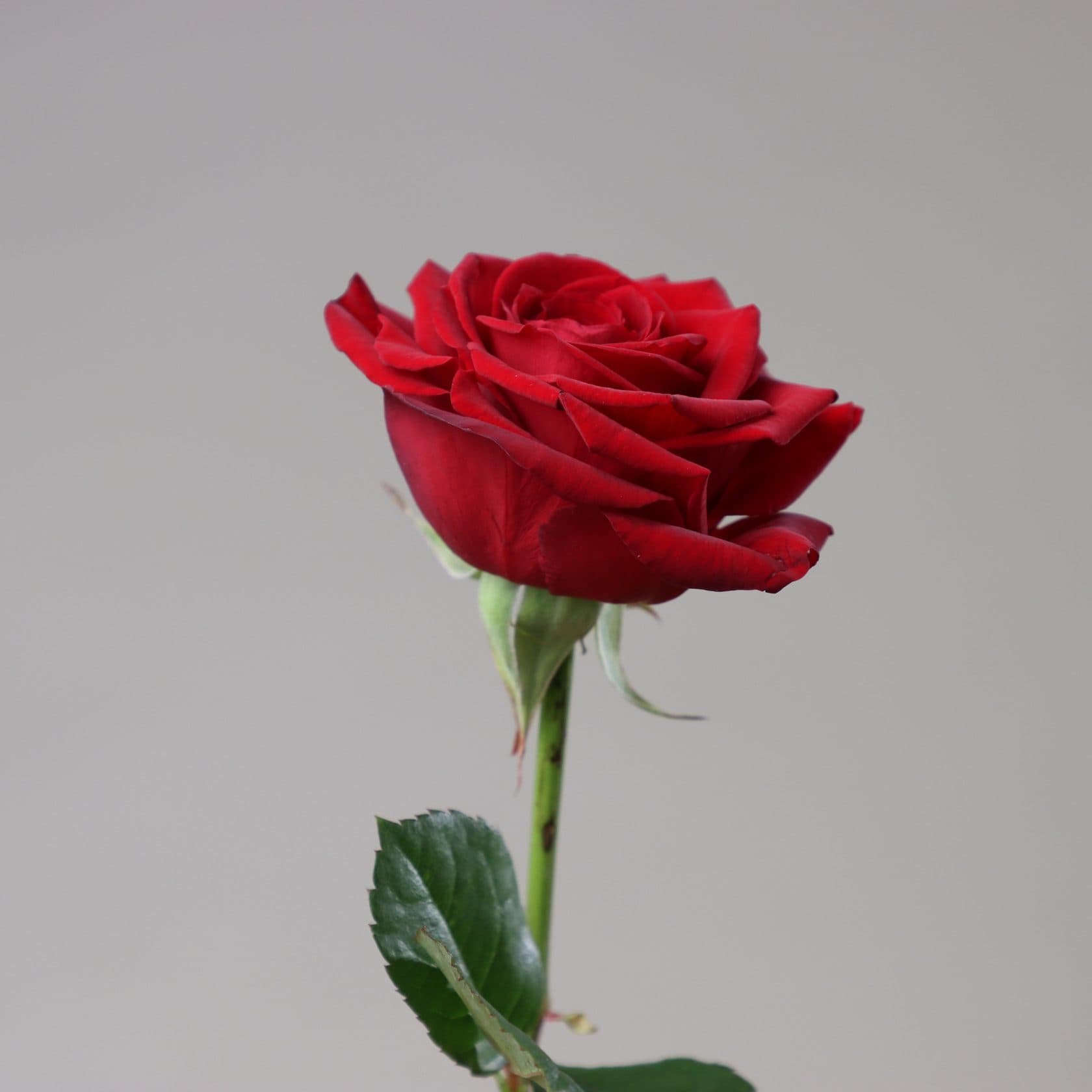
Good substitutes for Camellia include Peony, Garden rose, Ranunculus. Match on look, colour and season — our substitute finder ranks the closest alternatives.
What does Camellia symbolise?
Camellia is associated with love, admiration, devotion, refinement, longing.
How do you care for cut Camellia?
Recut stems and hydrate deeply in cool water
Related flowers

Free to quote and cite with attribution and a link back, for non-commercial and editorial use (blogs, journalism, classrooms, research).
Lacy Bird Flower Encyclopedia — “Camellia”. https://lacybird.com/flowers/camellia/<a href="https://lacybird.com/flowers/camellia/">Lacy Bird Flower Encyclopedia — Camellia</a>