Akebia
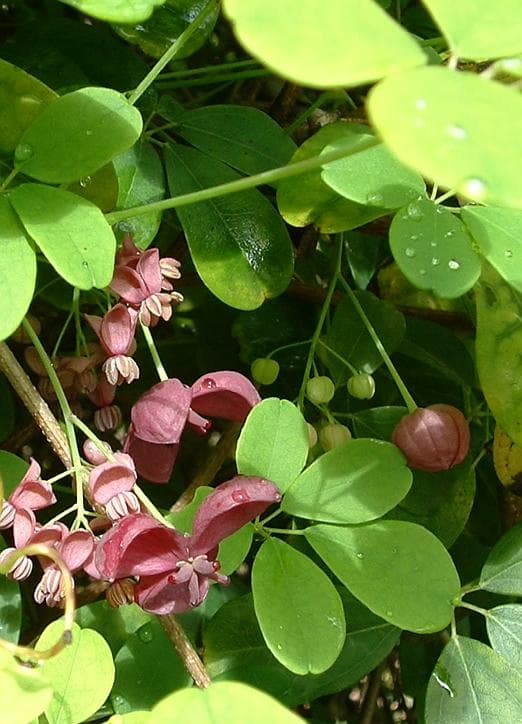
Akebia quinata, the chocolate vine, is an East-Asian climber with elegant five-part leaves and unusual purple spring flowers that carry a soft chocolate-vanilla scent. Florists value its pliable stems and refined foliage for training into arcs and adding a quiet, garden-gathered elegance to installations. The curious flowers make it a coveted, premium seasonal material. Its flexible growth suits arches and cascading designs.
| Family | Lardizabalaceae |
|---|---|
| Origin | East Asia (Japan, China, Korea) |
| Peak season | April, May |
| Availability | March, April, May, June, July, August, September |
| Stem length | 45–120 cm |
| Vase life | 5–10 days |
| Colors | purple, burgundy, green |
| Price tier | premium |
Condition the pliable stems and foliage in deep, cool water. The spring flowers carry a soft chocolate-vanilla scent and are best enjoyed fresh. Trim woody stems on a slant, keep cool, and gently train the flexible vines into arcs for installations.
- •Condition foliage in deep water
- •Enjoy the chocolate-vanilla scent of the flowers
- •Trim woody stems on a slant
- •Keep cool to prolong the foliage
- •Train the pliable stems into arcs
Frequently asked questions
When is Akebia in season?
Akebia peaks in April, May, and florists can usually source it March, April, May, June, July, August, September. Availability shifts by region and greenhouse supply.
How long does Akebia last in a vase?
Expect 5–10 days with proper conditioning — a clean vase, fresh water every couple of days, flower food, and a cool spot away from ripening fruit and direct heat.
What can I use instead of Akebia?
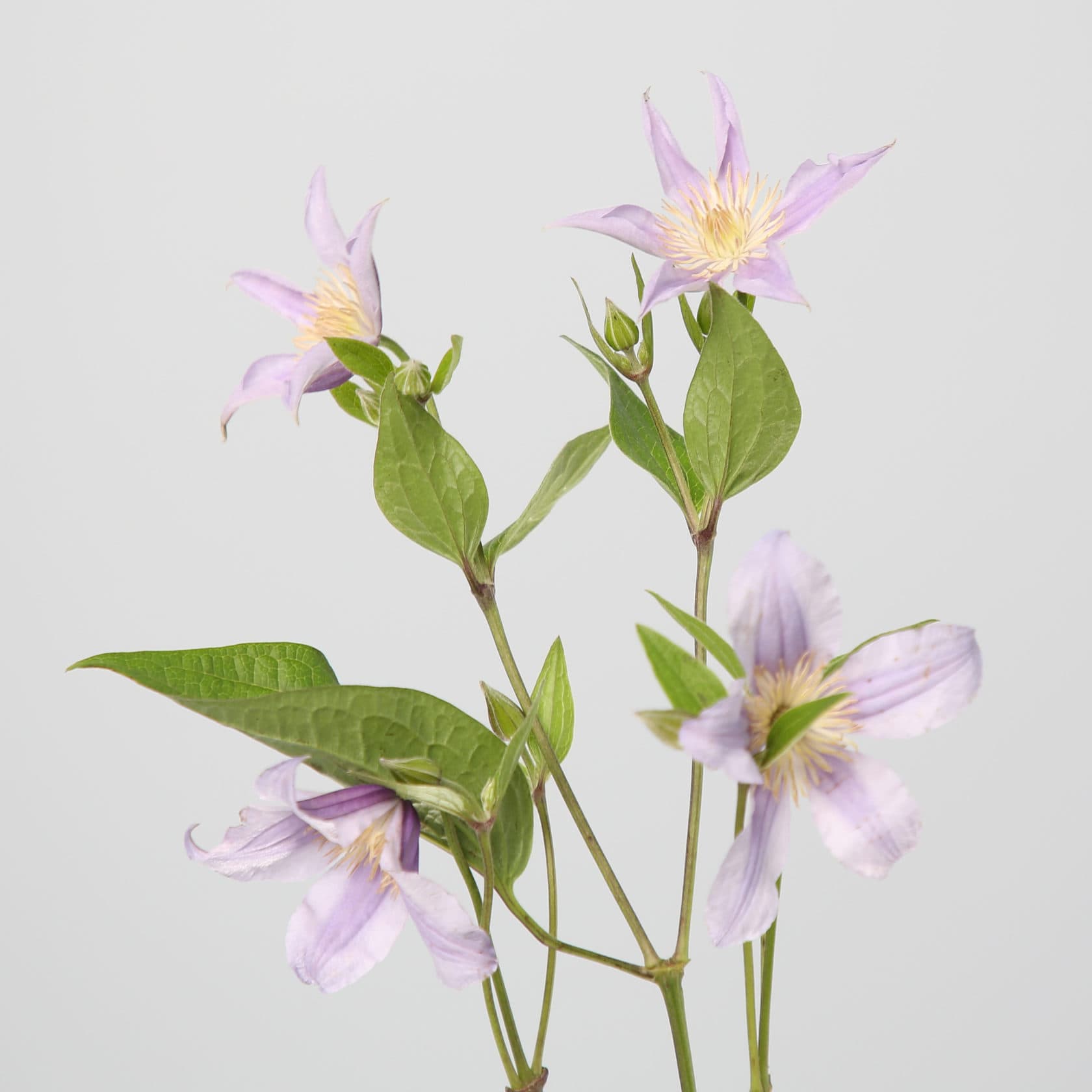
Good substitutes for Akebia include Clematis, Ivy, Jasmine. Match on look, colour and season — our substitute finder ranks the closest alternatives.
What does Akebia symbolise?
Akebia is associated with mystery, allure, subtlety.
How do you care for cut Akebia?
Condition foliage in deep water