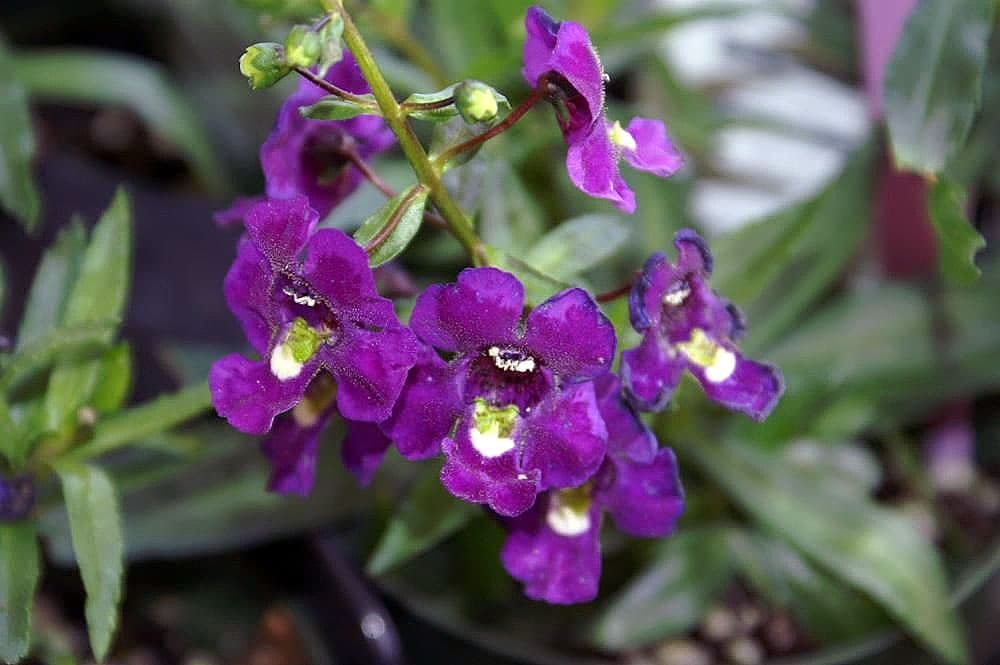
Photo: Photo by David J. Stang · CC BY-SA 4.0 · Wikimedia Commons
Angelonia
Angelonia, aptly nicknamed summer snapdragon, is a tender perennial grown as an annual that thrives in heat and sends up slender spikes of orchid-like flowers in purple, lavender, blue, pink and white. Florists use it as a graceful line flower that adds vertical interest and a soft, airy structure to summer designs. Unlike true snapdragons it tolerates warmth well, staying fresh through hot-weather events. Its delicate florets bring a cottage-garden lightness to bouquets and arrangements.
| Family | Plantaginaceae |
|---|---|
| Origin | Mexico and the West Indies |
| Peak season | July, August, September |
| Availability | June, July, August, September, October |
| Stem length | 30–45 cm |
| Vase life | 7–10 days |
| Colors | purple, lavender, blue, pink, white |
| Price tier | mid |
Cut spikes when about a third of the florets have opened. Remove lower foliage and recut stems before placing in warm water with flower food. Keep the flowers in a cool spot out of direct sun. Change the water every couple of days to maximize their life.
- •Cut spikes with a third of florets open
- •Remove lower foliage
- •Recut and place in warm water
- •Add flower food
- •Keep in a cool spot
Frequently asked questions
When is Angelonia in season?
Angelonia peaks in July, August, September, and florists can usually source it June, July, August, September, October. Availability shifts by region and greenhouse supply.
How long does Angelonia last in a vase?
Expect 7–10 days with proper conditioning — a clean vase, fresh water every couple of days, flower food, and a cool spot away from ripening fruit and direct heat.
What can I use instead of Angelonia?
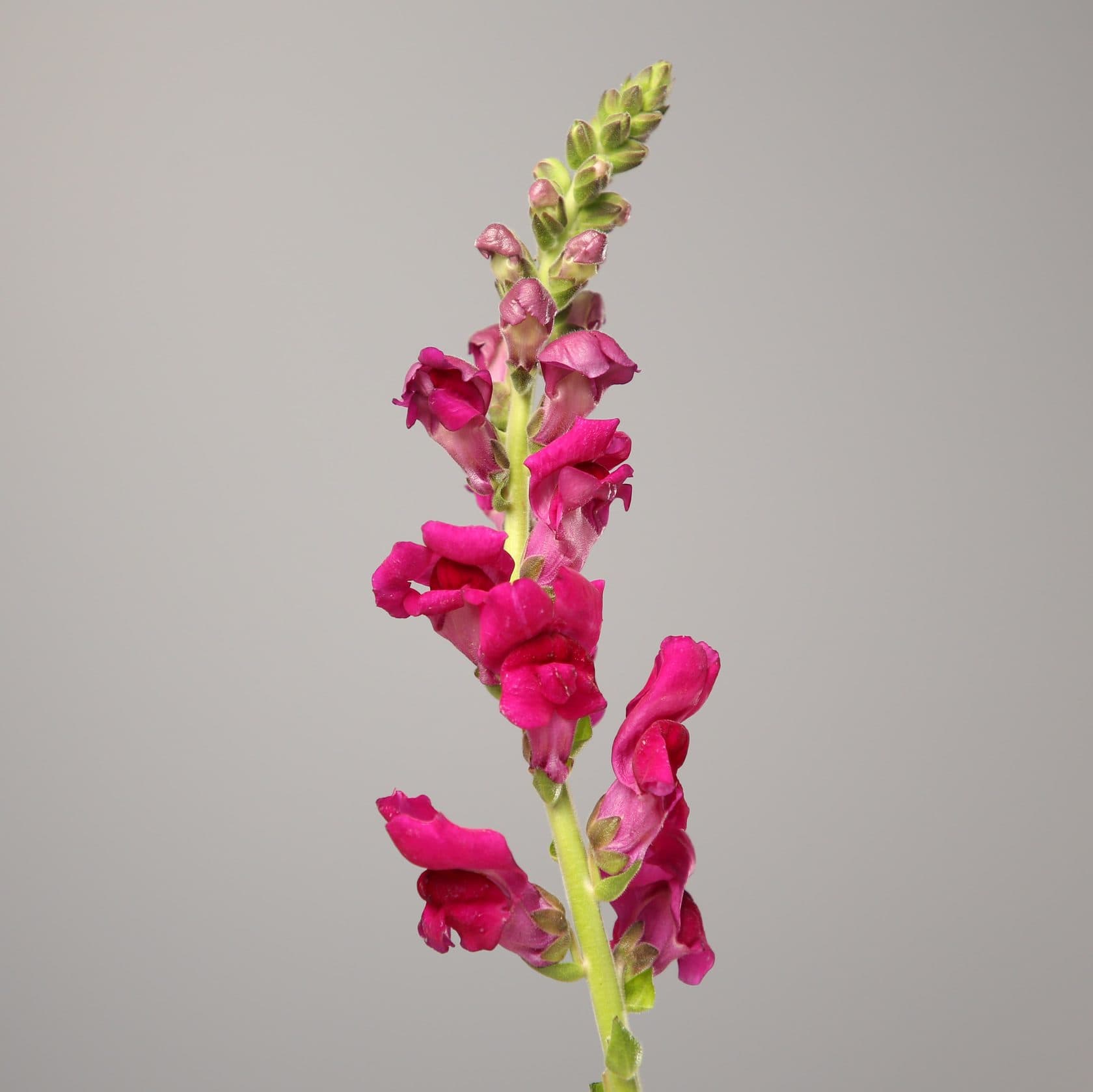
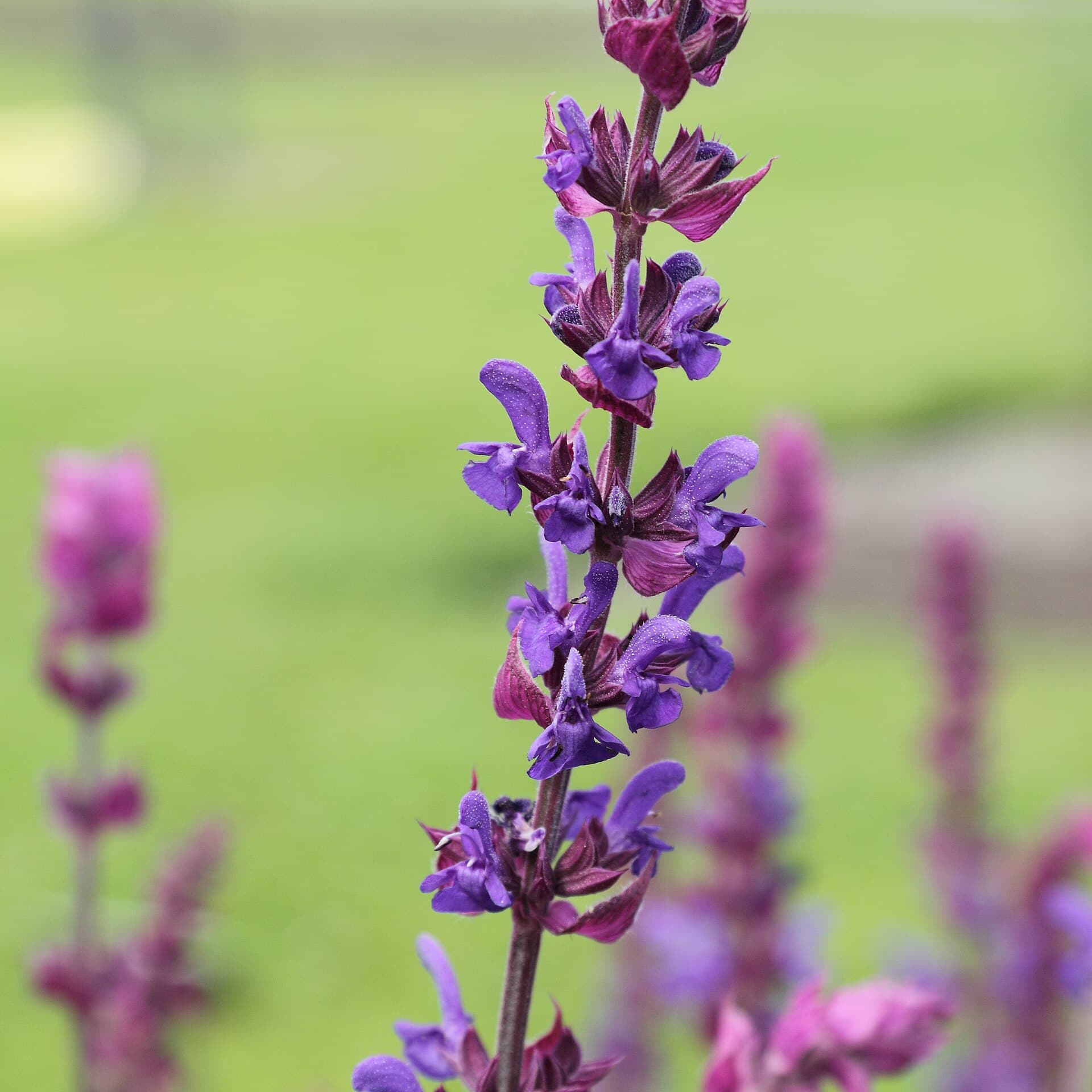
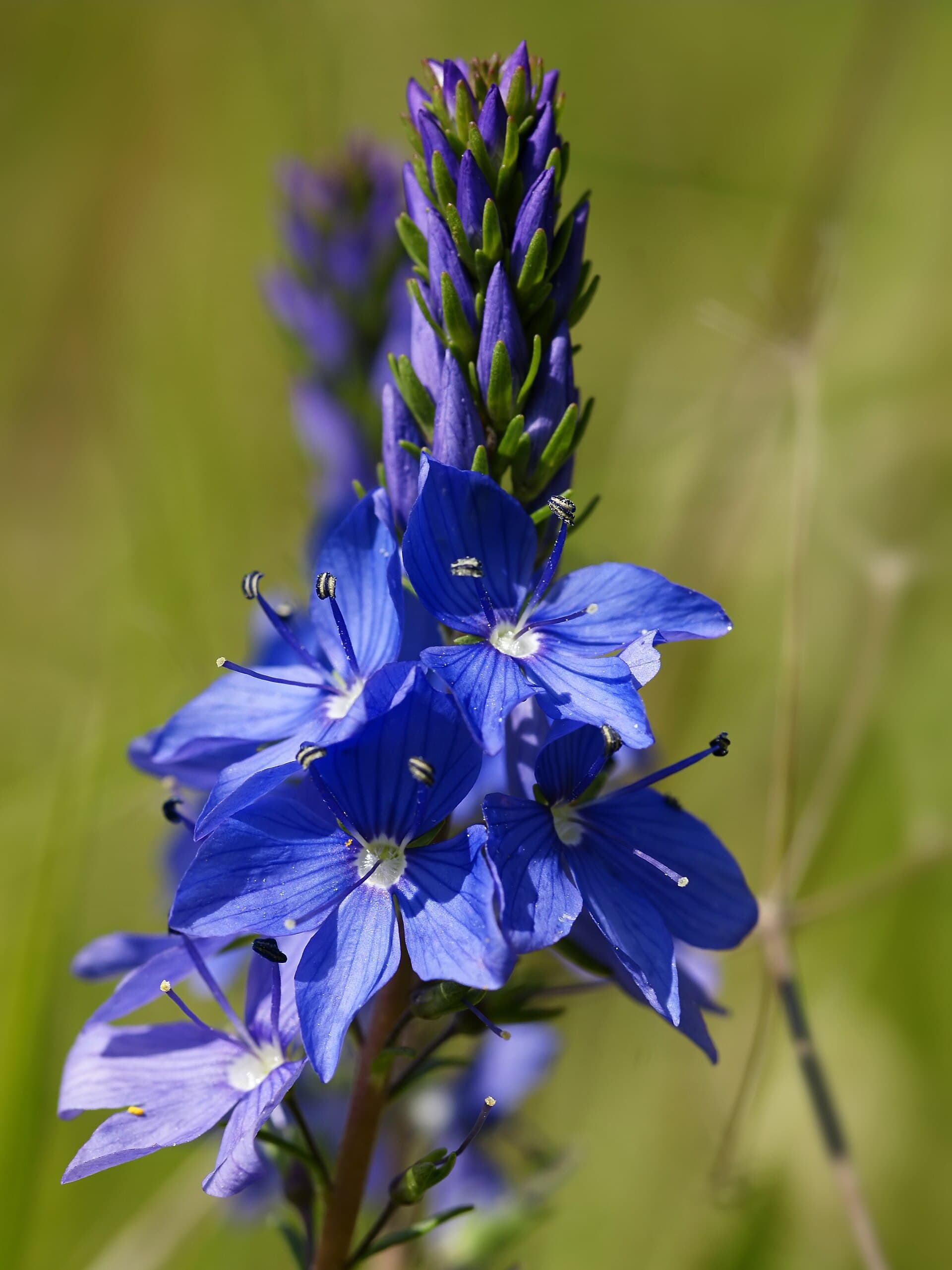
Good substitutes for Angelonia include Snapdragon, Salvia, Veronica. Match on look, colour and season — our substitute finder ranks the closest alternatives.
What does Angelonia symbolise?
Angelonia is associated with grace, admiration, warmth, enduring beauty.
How do you care for cut Angelonia?
Cut spikes with a third of florets open