Photo: No machine-readable author provided. Pethan assumed (based on copyright claims). · CC BY-SA 3.0 · Wikimedia Commons
Broomcorn
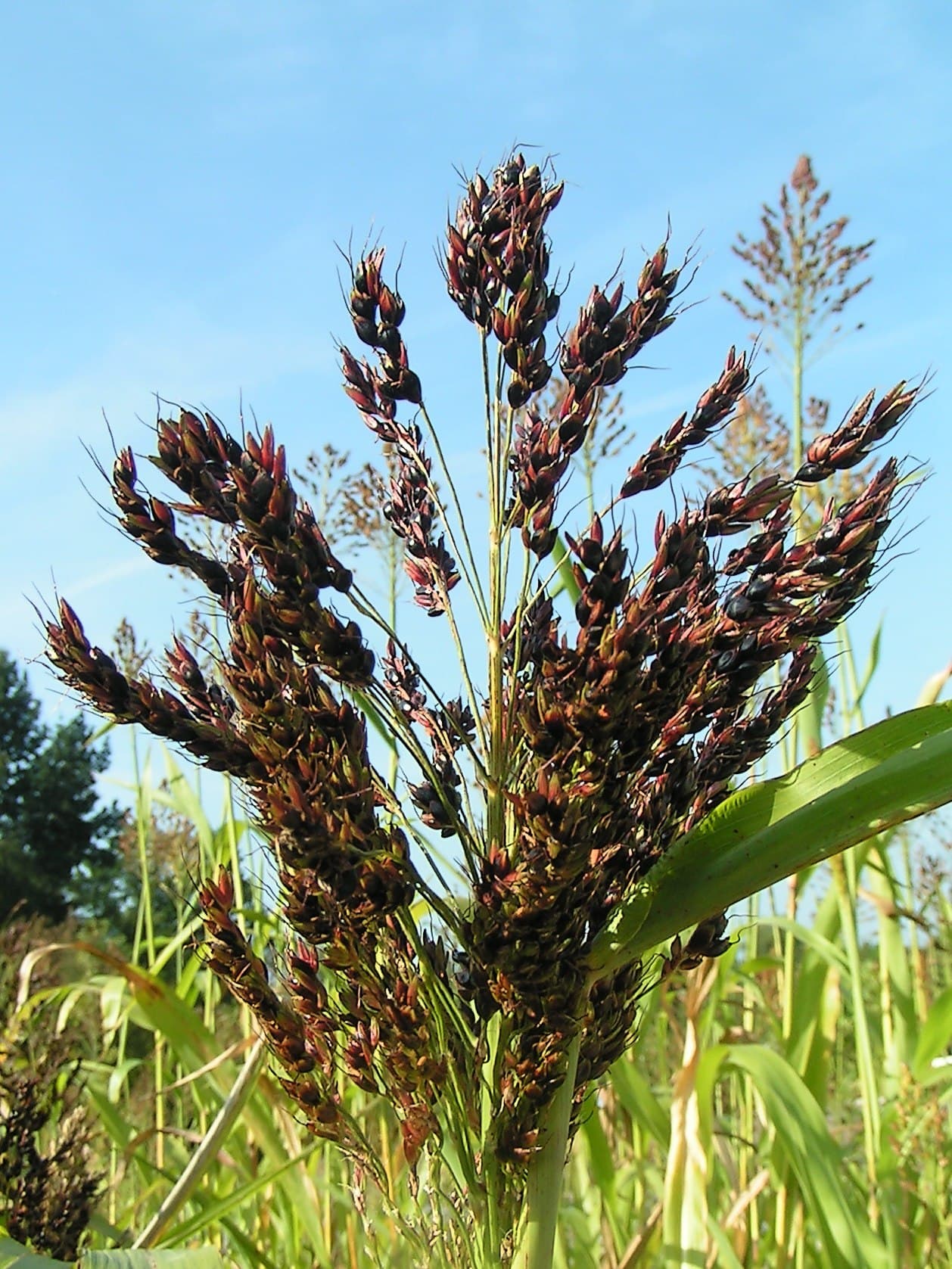
Sorghum, or broomcorn, is a robust cereal grass grown for the large, branching seed heads that gave the traditional broom its bristles. In floristry those heavy heads bring bold, russet-to-burgundy texture and real presence to autumn and dried designs. Colours run from cream and bronze through deep red to near-black, and the sturdy stems dry easily into a graceful arc. Florists use it as a dramatic, harvest-toned accent that anchors rustic bouquets, installations and seasonal displays.
| Family | Poaceae |
|---|---|
| Origin | Africa (domesticated); grown worldwide |
| Peak season | September, October |
| Availability | September, October, November, December |
| Stem length | 50–120 cm |
| Vase life | 7–14 days |
| Colors | red, burgundy, bronze, brown, cream |
| Price tier | mid |
Recut the sturdy stems and give a deep drink; strip the coarse leaves. Broomcorn conditions easily and can be used fresh, but it is prized dried — cut the seed heads when fully coloured and hang upside down in a dark, airy place, or stand them upright to dry with a graceful curve. Shake out loose grain before arranging.
- •Recut sturdy stems
- •Strip coarse leaves
- •Give a deep drink if using fresh
- •Cut fully coloured heads for drying
- •Hang upside down or stand to dry
- •Shake out loose grain before arranging
Frequently asked questions
When is Broomcorn in season?
Broomcorn peaks in September, October, and florists can usually source it September, October, November, December. Availability shifts by region and greenhouse supply.
How long does Broomcorn last in a vase?
Expect 7–14 days with proper conditioning — a clean vase, fresh water every couple of days, flower food, and a cool spot away from ripening fruit and direct heat.
What can I use instead of Broomcorn?
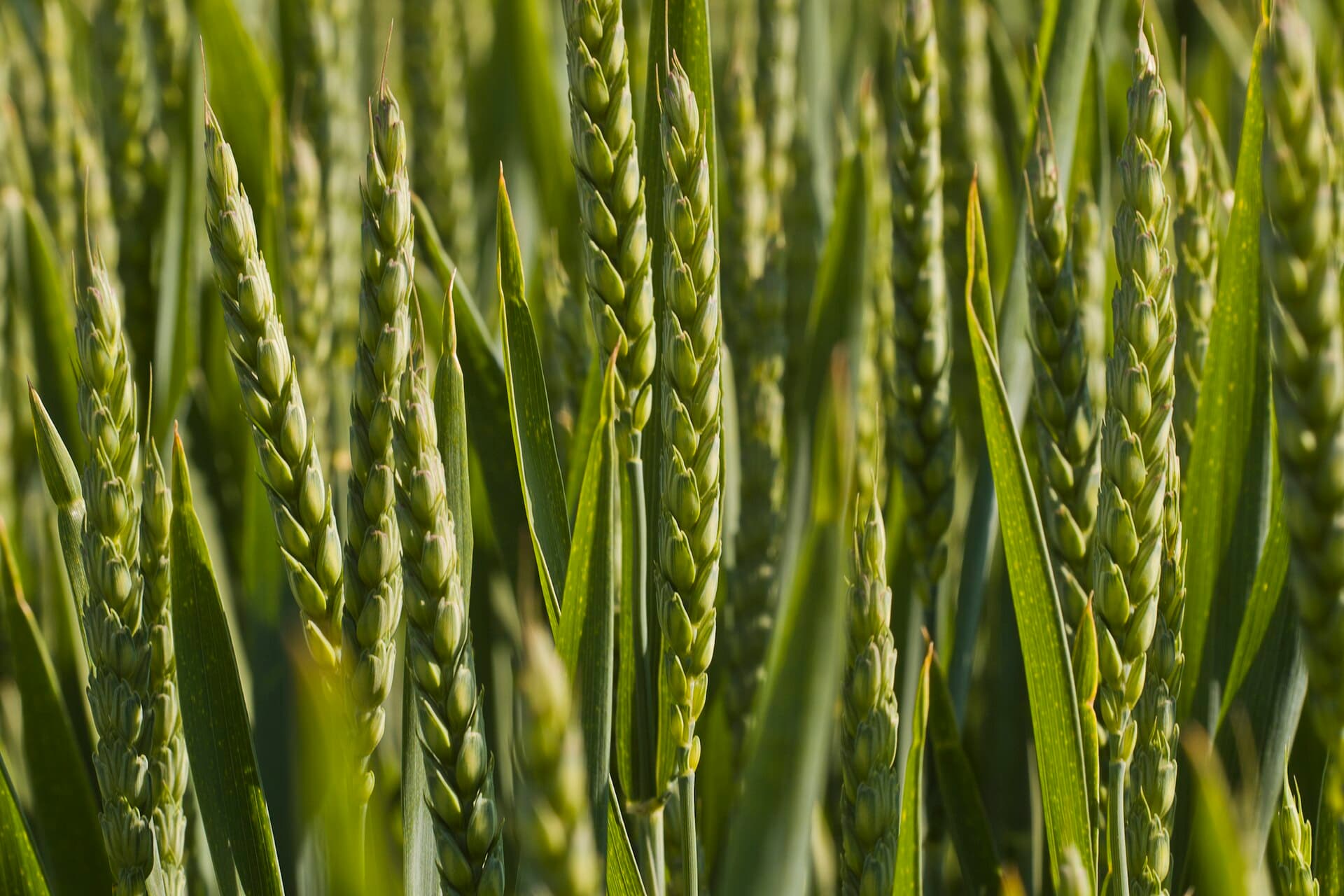
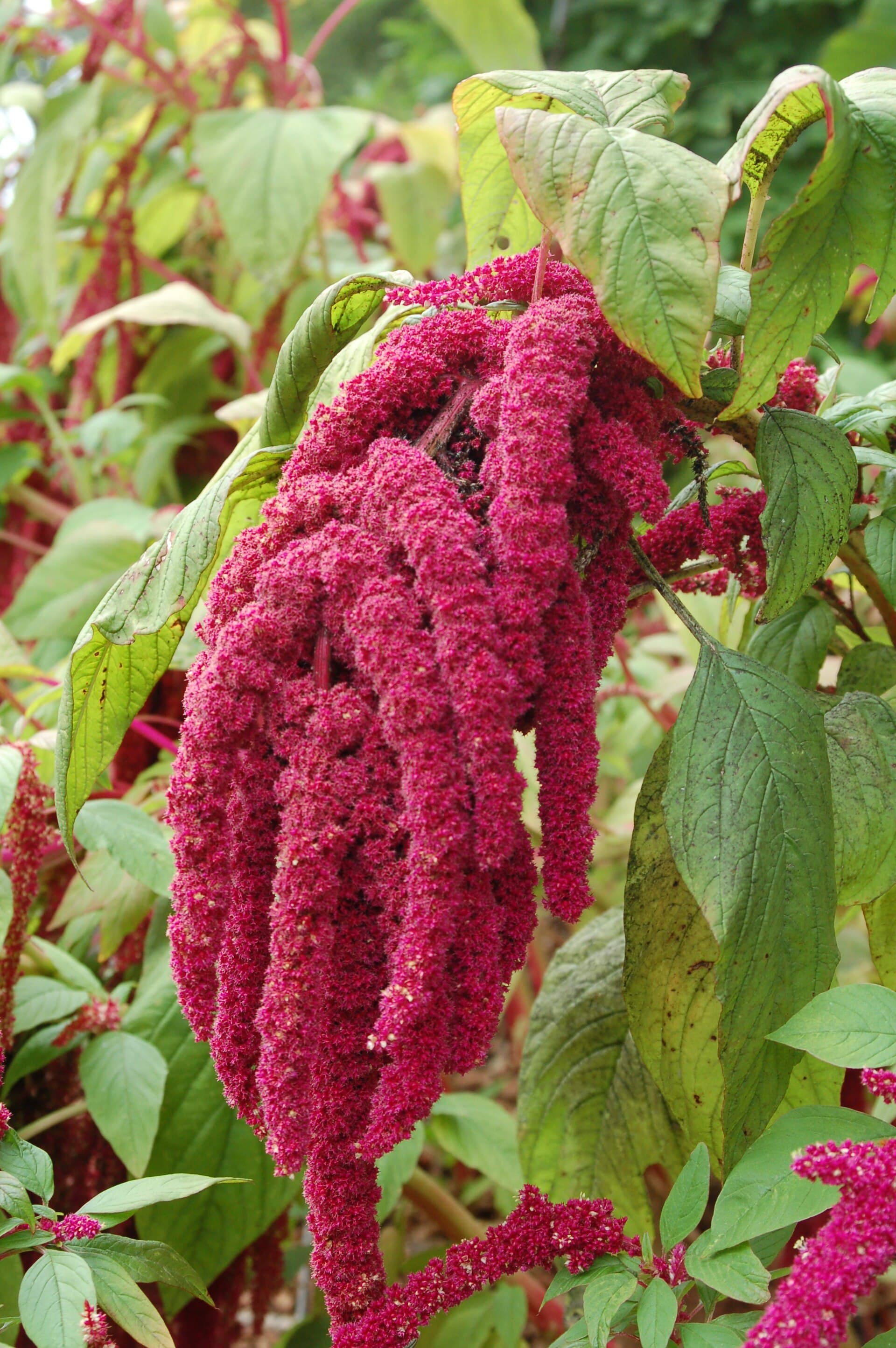
Good substitutes for Broomcorn include Wheat, Pampas grass, Amaranthus. Match on look, colour and season — our substitute finder ranks the closest alternatives.
What does Broomcorn symbolise?
Broomcorn is associated with abundance, harvest, plenty, resilience.
How do you care for cut Broomcorn?
Recut sturdy stems