Photo: Robert Flogaus-Faust · CC BY 4.0 · Wikimedia Commons
Great Burnet
Sanguisorba, or great burnet, scatters tiny bottlebrush-like flower heads in deep burgundy, red and pink atop wiry, branching stems. Florists love it as an airy, textural accent that adds movement, depth and a wild, meadow feel to garden-style and rustic arrangements. Its dark, bobbing buttons float beautifully among softer blooms, lending a loose, foraged look. Delicate yet characterful, it is a go-to detail for editorial and naturalistic wedding designs.
| Family | Rosaceae |
|---|---|
| Origin | Temperate Europe and Asia |
| Peak season | July, August |
| Availability | June, July, August, September |
| Stem length | 40–90 cm |
| Vase life | 5–8 days |
| Colors | burgundy, red, pink, white |
| Price tier | mid |
Cut the wiry stems on an angle and place in clean, cool water with flower food, removing any lower leaves. Give it a long, deep drink before arranging, as the fine stems can wilt if left out of water. Keep it cool and handle gently, since the airy heads and thin stems are easily crushed; it also dries well if hung upside down.
- •Cut wiry stems at an angle
- •Give a long, deep drink before arranging
- •Remove lower leaves
- •Handle gently to protect the fine heads
- •Keep cool
- •Hang upside down to dry if desired
 Bouquet Builder — by Lacy Bird
Design the bouquet. See it as a photo.
Botanical reference
- Also known as
- burnet, greater burnet, Pimpinella officinalis, Poterium boreale, Poterium officinale, Poterium officinale montanum, Poterium officinale sabaudum, Sanguisorba altissima, Sanguisorba andersonii, Sanguisorba angustifolia, Sanguisorba auriculata, Sanguisorba baicalensis
- Distribution
- Alaska, Albania, Altay, Amur, Austria, Baltic States, Belarus, Belgium, British Columbia, Bulgaria
- Uses
- brewing, food coloring, fodder, dye, medicinal plant, insecticide
Open-data sources: GBIF, Wikidata (CC0/CC BY)
Frequently asked questions
When is Great Burnet in season?
Great Burnet peaks in July, August, and florists can usually source it June, July, August, September. Availability shifts by region and greenhouse supply.
How long does Great Burnet last in a vase?
Expect 5–8 days with proper conditioning — a clean vase, fresh water every couple of days, flower food, and a cool spot away from ripening fruit and direct heat.
What can I use instead of Great Burnet?
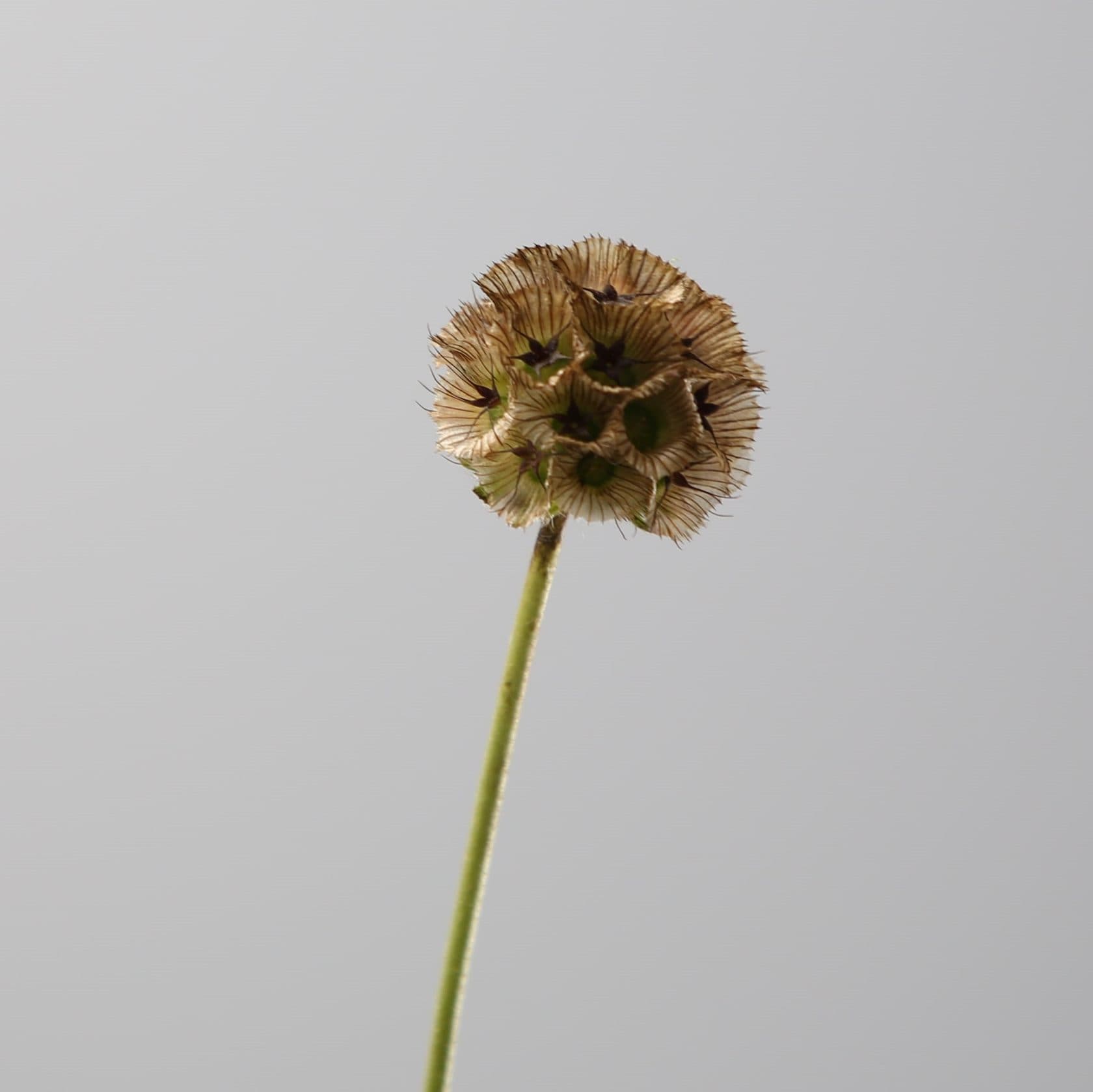
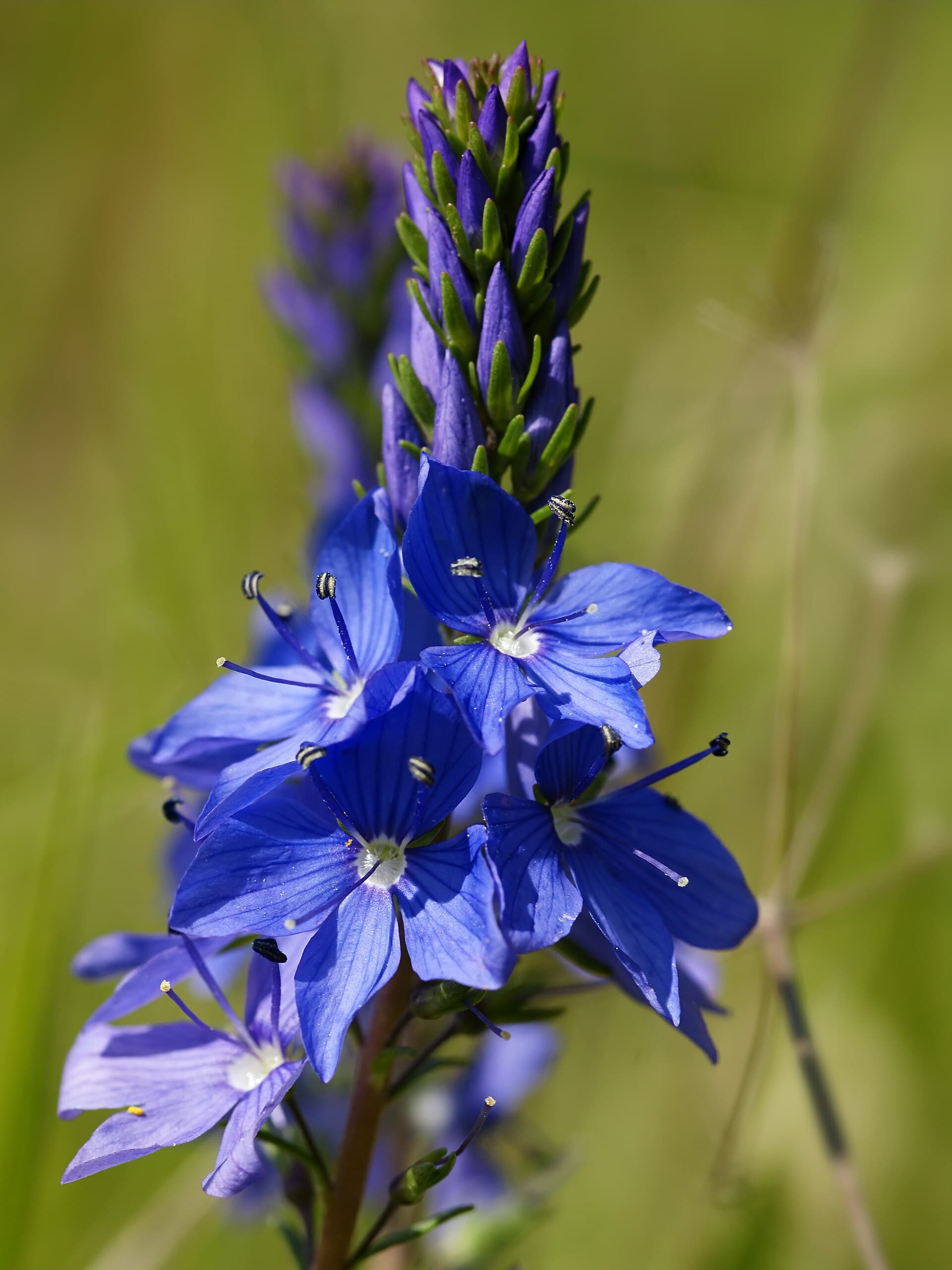
Good substitutes for Great Burnet include Scabiosa, Nigella, Hypericum Berry, Veronica. Match on look, colour and season — our substitute finder ranks the closest alternatives.
What does Great Burnet symbolise?
Great Burnet is associated with merriment, cheerfulness, grace.
How do you care for cut Great Burnet?
Cut wiry stems at an angle
Related flowers


Free to quote and cite with attribution and a link back, for non-commercial and editorial use (blogs, journalism, classrooms, research).
Lacy Bird Flower Encyclopedia — “Great Burnet”. https://lacybird.com/flowers/sanguisorba/<a href="https://lacybird.com/flowers/sanguisorba/">Lacy Bird Flower Encyclopedia — Great Burnet</a>