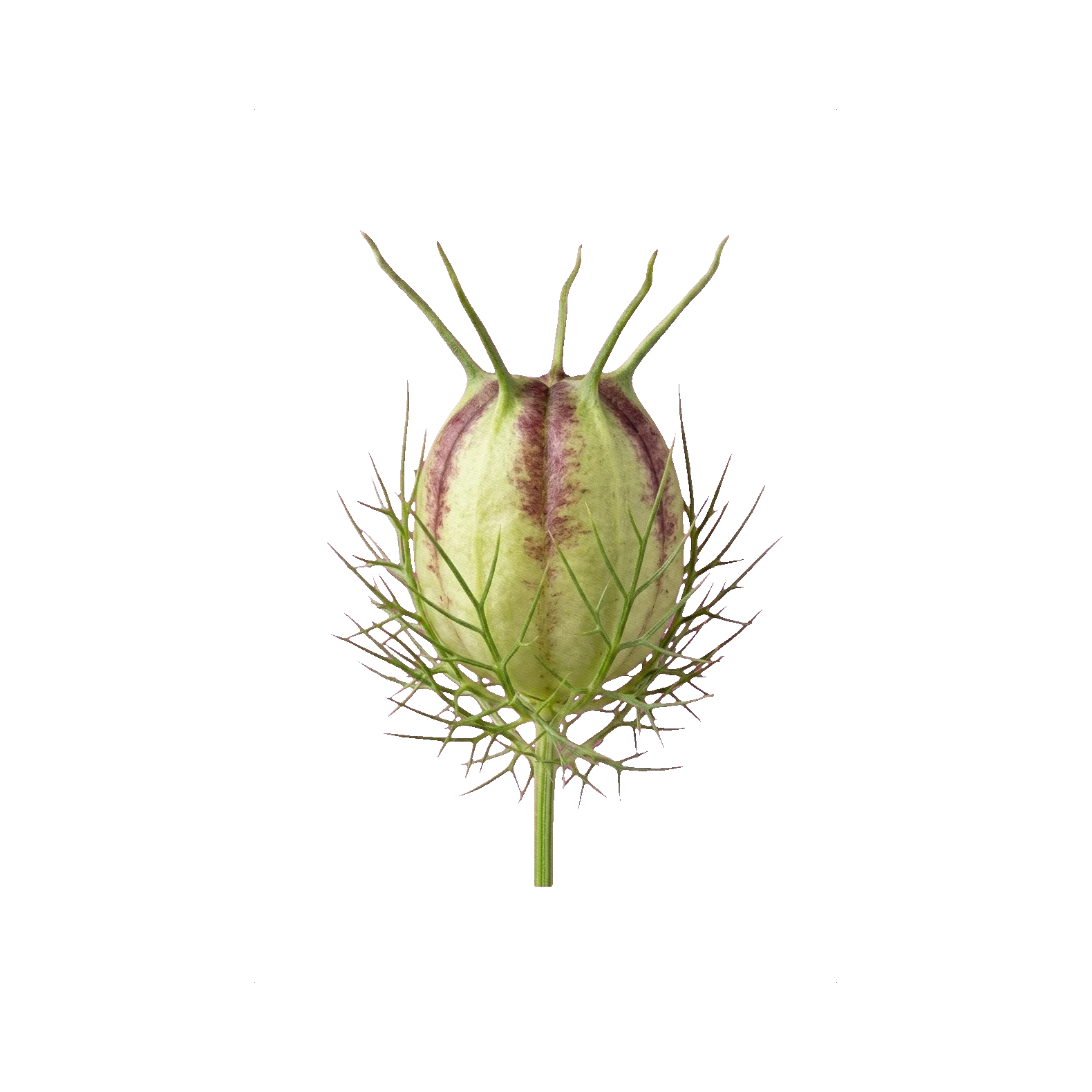
Nigella
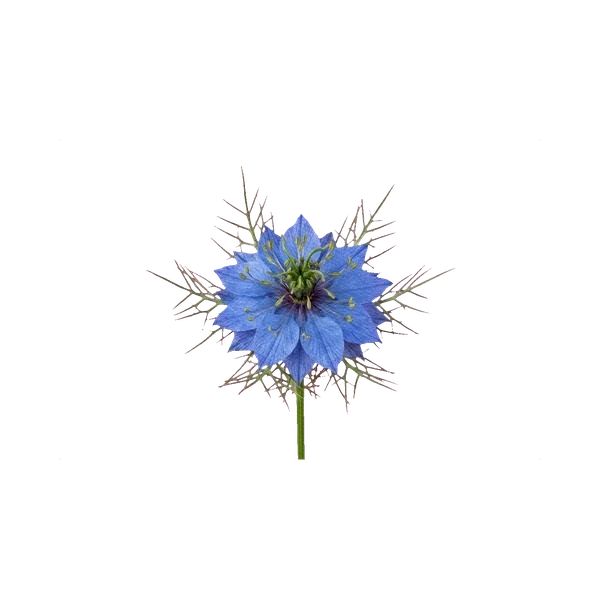
Nigella, or love-in-a-mist, is a cottage-garden charmer whose jewel-blue flowers sit in a haze of thread-fine, ferny bracts. Florists love both its ethereal blooms and the striped, balloon-like seed pods that follow, prized for texture in fresh and dried work. It lends a soft, romantic, slightly wild note to spring and summer bouquets. Delicate but distinctive, it rewards gentle handling with an airy, painterly quality.
| Family | Ranunculaceae |
|---|---|
| Origin | Southern Europe and North Africa |
| Peak season | June, July |
| Availability | May, June, July, August |
| Stem length | 30–60 cm |
| Vase life | 5–8 days |
| Colors | blue, white, purple |
| Price tier | mid |
Cut stems at an angle and place them immediately into cool, clean water with flower food, as nigella wilts quickly if left dry. Strip the lower foliage and condition for several hours before use. Keep cool and avoid crowding the fine, tangled foliage. The striped seed pods can be dried by hanging upside down in a warm, airy spot.
- •Get stems into water quickly to avoid wilting
- •Strip lower foliage
- •Condition in cool water before arranging
- •Handle the delicate stems gently
- •Hang pods to dry for lasting texture
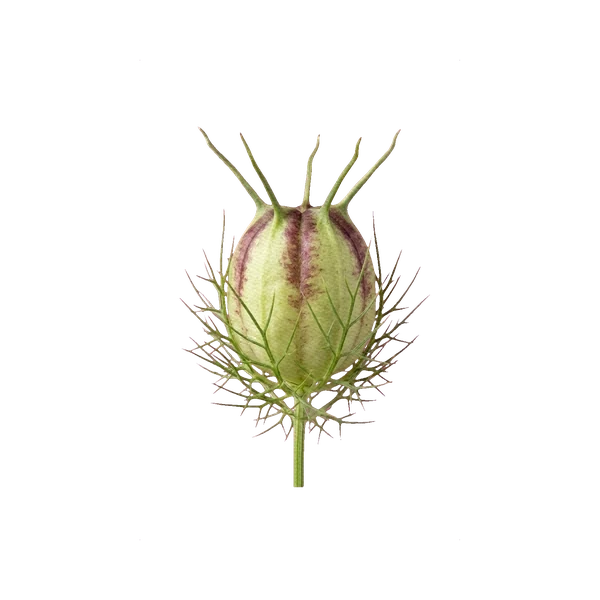
2 named nigella cultivars from the Lacy Bird master catalogue — each a distinct commercial variety.
Entries marked ✦ come from the Acanta master catalogue — the shared database of cut flowers, forms, colours and named varieties that florists and studios build on. The rest are our editorial genus reference. What is Acanta →
 Bouquet Builder — by Lacy Bird
Design the bouquet. See it as a photo.
Botanical reference
- Common name
- Damascus hellebore
- Also known as
- love-in-a-mist, devil-in-a-bush, ragged lady, Erobathos coarctatum, Erobathos damascenum, Erobatos damascenum, Melanthium damascenum, Nigella bithynica, Nigella bourgaei, Nigella caerulea, Nigella coarctata, Nigella coerulea
- Distribution
- Albania, Algeria, Baleares, Bulgaria, Canary Is., Corse, Cyprus, East Aegean Is., France, Greece
Open-data sources: GBIF, Wikidata (CC0/CC BY)
Frequently asked questions
When is Nigella in season?
Nigella peaks in June, July, and florists can usually source it May, June, July, August. Availability shifts by region and greenhouse supply.
How long does Nigella last in a vase?
Expect 5–8 days with proper conditioning — a clean vase, fresh water every couple of days, flower food, and a cool spot away from ripening fruit and direct heat.
What can I use instead of Nigella?
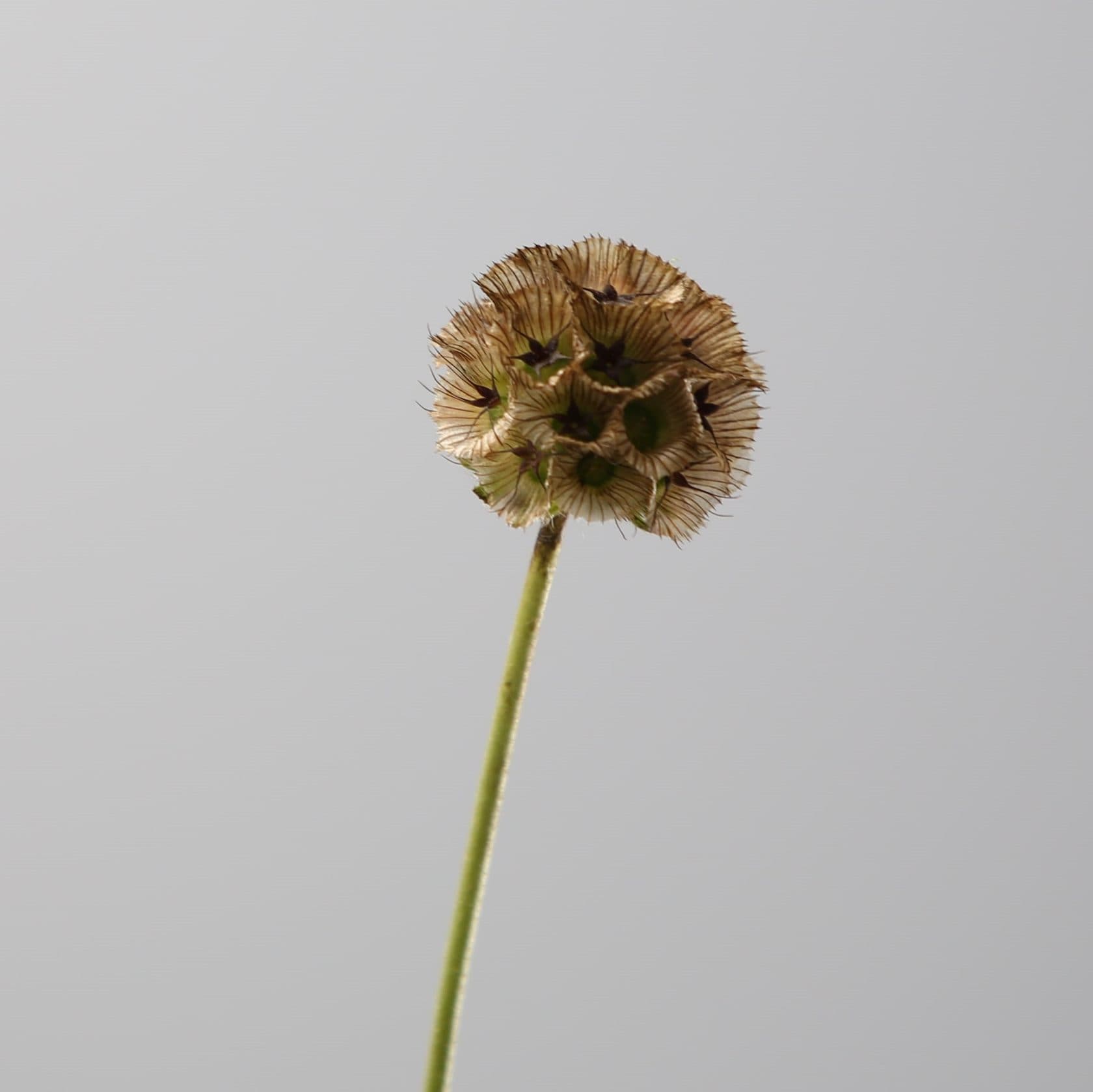
Good substitutes for Nigella include Scabiosa, Ammi, Larkspur, Cosmos. Match on look, colour and season — our substitute finder ranks the closest alternatives.
What does Nigella symbolise?
Nigella is associated with harmony, open heart, delicacy, mystery.
How do you care for cut Nigella?
Get stems into water quickly to avoid wilting
Related flowers


Free to quote and cite with attribution and a link back, for non-commercial and editorial use (blogs, journalism, classrooms, research).
Lacy Bird Flower Encyclopedia — “Nigella”. https://lacybird.com/flowers/nigella/<a href="https://lacybird.com/flowers/nigella/">Lacy Bird Flower Encyclopedia — Nigella</a>