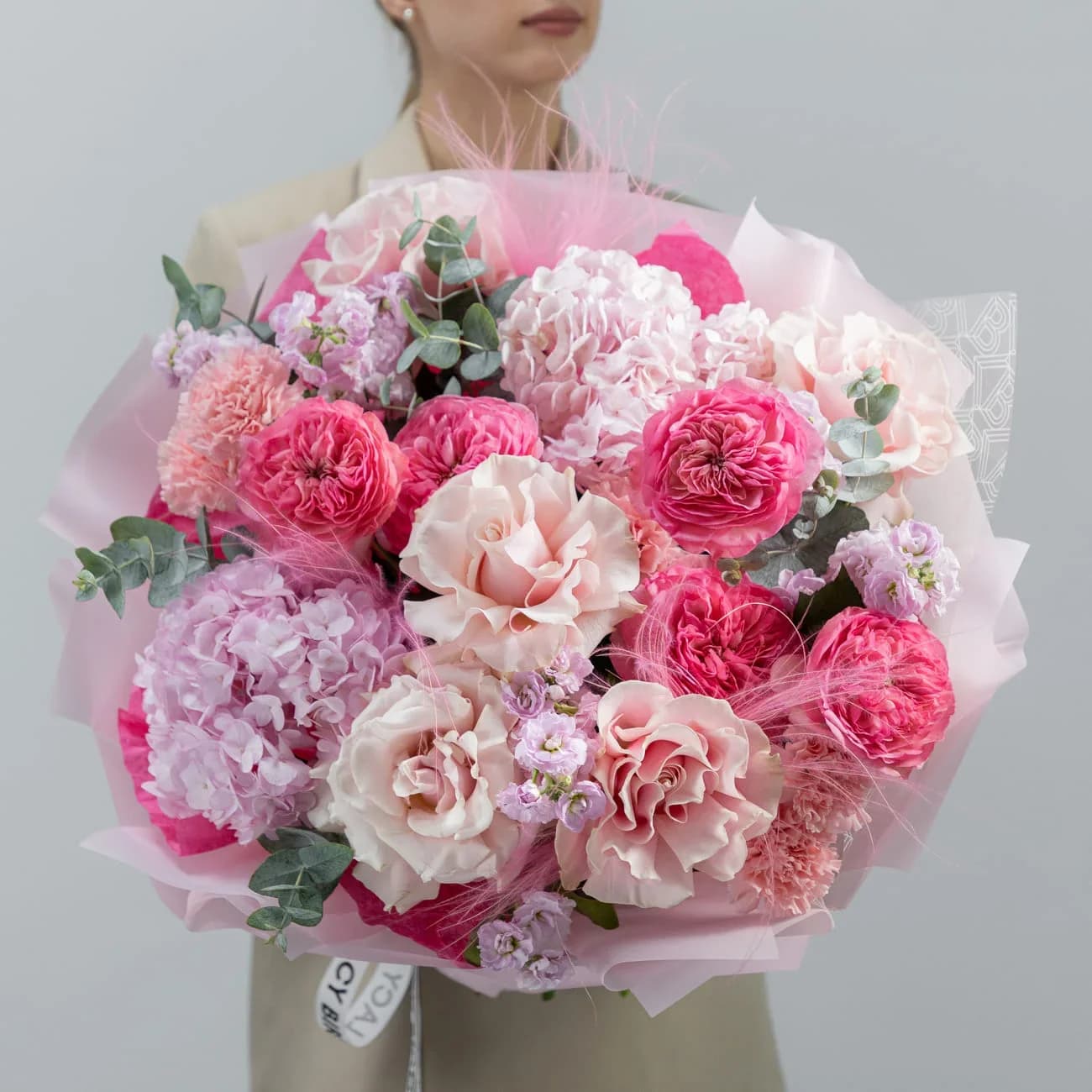
Florist Peak Days: Valentine's & Mother's Day ops
How florists actually run Valentine's Day and Mother's Day: pre-order timing, using the smaller peak as a rehearsal, staffing, and the post-mortem numbers.
On a peak day, the owner who stands at the table tying bouquets is usually the one whose shop is quietly falling apart in the background. Valentine's Day and Mother's Day are not won by the best florist — they're won by the best-run process. This is the operational playbook our team at Lacy Bird Academy uses to get through the two biggest days of the flower year.
TL;DR. Order flowers well ahead. Treat the smaller peak (Valentine's Day) as a full rehearsal for the bigger one and measure where logistics jam. On the day the owner is a strategist, not a florist — staging supplies, booking extra hands and couriers, running crisis drills. Afterwards, judge it by the numbers: profit should be at least 30% of turnover, and every miss has a specific cause you can fix before the next one.
Buy early — don't wait for signals
The single most expensive mistake on a peak day is buying late. Order your core stock well in advance and don't wait for demand to "confirm itself." On peak days the whole chain tightens at once: supply is short, prices rise, and the florists who hesitated end up paying more for worse flowers — or missing out entirely.
Size the order from your own history, not from a nervous guess. Which is exactly why the calendar gives you a gift: a smaller peak before the big one.
Use the small peak as a rehearsal
Valentine's Day is a smaller event than Mother's Day (and, in many markets, than Women's Day on 8 March). Don't treat it as a standalone rush to survive — treat it as a rehearsal of your processes for the bigger day to come.
Run it deliberately and watch where things bend:
- Where does logistics jam — receiving, conditioning, dispatch?
- How do your admins cope with the volume of messages and calls?
- How fast is your feedback loop when something goes wrong?
- Which items fly off the shelf, and which need explaining before anyone buys them?
- Where does your average order value actually grow — upsells, add-ons, premium wraps?
Every one of those observations is a fix you get to make before the day that really matters. A peak you merely survived taught you nothing; a peak you measured just de-risked the next one.
And don't simply multiply one peak's numbers by two. The demand shapes differ: Valentine's Day skews to single romantic bouquets and impulse buys, while Mother's Day and Women's Day bring more classic arrangements and corporate or bulk orders. Plan each from its own pattern.
On the day, the owner is a strategist
Here is the mindset shift that separates a smooth peak from a chaotic one: on the day, your job is not to make flowers. Your job is to control the process and support the team. If the owner is heads-down at the workbench, nobody is watching the whole board — and the whole board is where peak days are lost.
Prepare the ground so the team can move fast:
- Stage the consumables. Packaging, ribbon, cards, and yes — coffee and water for the team. People work a peak on their feet for hours; fuel is not a luxury.
- Book extra hands ahead of time. Couriers, helpers, extra admins for the message volume. You cannot conjure them on the morning; reserve them days out.
- Brief the couriers properly. How to find an address, who to call if traffic blocks them, what to do if no one answers the door. Delivery is where peak-day reputations are made or broken.
- Rehearse the crisis algorithms. What happens when an order is wrong, a delivery is late, a key flower runs out. Decide the response before the rush, not during it.
The post-mortem: judge it on the numbers
The day after is where most of the learning lives — and most shops skip it because they're exhausted. Don't. Run the numbers, because each miss points at a specific, fixable cause.
- Profit at least 30% of turnover. If it's less, you either miscalculated cost-of-goods or lost too much to write-offs and waste. This is the headline health check.
- Sold more than last year but earned less? You didn't account for rising flower and packaging prices when you set your own.
- Leftover stock a third or more? You over-bought. Tie next year's order size to this.
- Sold out early and lost orders? You under-bought — the opposite error, equally costly.
- Couriers running more than ~30 minutes late in the rush? Your logistics weren't organised for the volume.
- Several complaints about mixed-up orders? Weak quality control and order tracking under load.
- Didn't collect a single new customer contact? The quiet disaster: your next peak starts from zero instead of from a warm list.
Turn one peak into the next
That last point deserves its own line. The flowers sell out and the money comes in, but the durable asset of a peak day is the customers — their contacts, and the reach when they tag you and share what they received. Collect contacts deliberately and make it easy and appealing for happy customers to post. A peak day run well doesn't just clear the stock; it stocks the pipeline for the one after it.
Related reading:
Frequently asked questions
When should a florist order flowers for Valentine's Day or Mother's Day?
Well in advance — don't wait for demand signals to confirm the order. On peak days supply tightens and prices rise across the whole chain, so late buyers pay more for worse stock or miss out entirely. Lock your core order early, and size it from your own history rather than by doubling a normal week.
How do you prepare a flower shop for a peak day?
Stage everything you'll need in advance — consumables, packaging, even coffee and water for the team. Book extra hands ahead of time: couriers, helpers, admins for the message volume. Brief couriers on how to find addresses and who to call if traffic blocks them, and rehearse your crisis algorithms before the rush rather than improvising during it.
Should I just double last year's numbers for the next peak?
No. Different peaks have different demand shapes. Valentine's Day skews to single romantic bouquets and impulse buys; Mother's Day and Women's Day bring more classic arrangements and corporate or bulk orders. Plan each peak from its own pattern, not by multiplying another one.
How do I know if a peak day actually went well?
Judge it on the numbers, not the adrenaline. Profit should be at least 30% of turnover; if it's less, your cost-of-goods maths or your write-offs were off. Leftover stock above a third means you over-bought; selling out early with missed orders means you under-bought. Late couriers, mixed-up orders and — worst — not collecting a single new customer contact are all specific, fixable failures.
 Bouquet Builder — by Lacy Bird
Design the bouquet. See it as a photo.
Arrange real flowers on a canvas, then turn the layout into a photorealistic photo in one tap — with live pricing and a shopping list. 570+ varieties, free to start.
Free plan · no card needed