Florist Pricing — how to price flowers profitably
The three pricing methods every studio uses, wholesale-to-retail multipliers, labour cost inclusion, and the pricing mistakes that kill new studios.
Pricing is the biggest determinant of studio profitability. Under- priced studios burn out; over-priced ones lose clients. The working method is a systematic three-part formula that most successful studios use.
This guide covers the three pricing methods, wholesale-to-retail multipliers, labor cost inclusion, and the pricing mistakes that kill new studios.
TL;DR. Three florist pricing methods: cost-plus (wholesale × 3-4), labor-plus (materials + hourly rate), and value-based (what the market pays for the outcome). Most studios combine methods. Wedding pricing runs 4-6× wholesale; daily flowers 2.5-3.5× wholesale. Under-pricing is the biggest new-studio killer.
The three pricing methods
Method 1 — Cost-plus (wholesale × multiplier)
- Add up wholesale materials cost
- Multiply by 2.5-4× for daily flowers, 4-6× for weddings
- Result: retail price
Example: $15 wholesale × 3× = $45 retail bouquet
Best for: daily flowers, subscription work, small gifts
Method 2 — Labor-plus (materials + hourly rate)
- Wholesale materials cost
- Plus your design time × hourly rate ($50-150/hour)
- Plus delivery/setup fees
- Plus overhead percentage (25-35% of revenue)
Example: $50 materials + 3 hours × $75/hour + $20 delivery
- 30% overhead = ($50 + $225 + $20) × 1.3 = $383
Best for: wedding work, custom designs, luxury boutique
Method 3 — Value-based (market pricing)
- Research what similar-quality studios charge
- Price at the market rate
- Adjust for your specific value proposition
Example: competitors charge $400-500 for equivalent bridal bouquet; you charge $475
Best for: setting your pricing floor and ceiling
Most successful studios combine all three — labor-plus as the minimum, value-based to check reasonableness, cost-plus as sanity check.
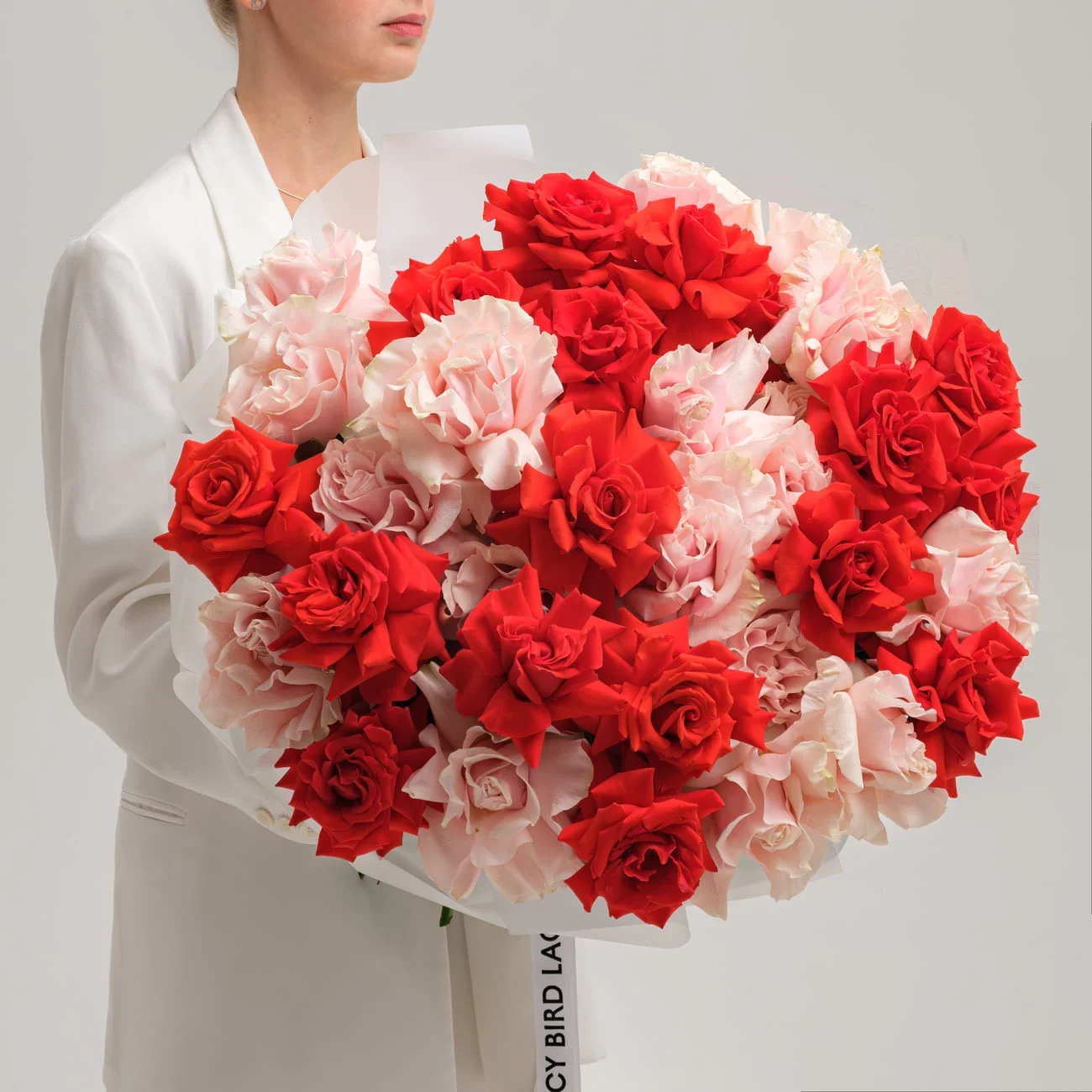
Wholesale-to-retail multipliers
Daily flowers (retail shop)
- Multiplier: 2.5-3.5×
- Small bouquet ($8 wholesale): $20-28
- Mid bouquet ($15 wholesale): $38-53
- Large bouquet ($30 wholesale): $75-105
Wedding work
- Multiplier: 4-6×
- Bridal bouquet ($60 wholesale): $240-360
- Centerpiece ($30 wholesale): $120-180
- Ceremony arch ($400 wholesale): $1,600-2,400
Luxury boutique
- Multiplier: 6-10×
- Bridal bouquet ($60 wholesale): $360-600
- Statement centerpiece ($40 wholesale): $240-400
- Full luxury wedding ($2K wholesale): $12,000-20,000
Sympathy and funeral
- Multiplier: 3-5×
- Standardized products; less design labor per unit

Labor cost — the hidden killer
New studios routinely forget to bill for their own design time. Result: they work 60-hour weeks for $30K income.
Hourly rate targets:
- New designer: $50-75/hour
- Experienced: $75-125/hour
- Luxury boutique owner: $150-300/hour
- Consulting/design-only work: $200-500/hour
Include in every quote:
- Design consultation time
- Studio design/mock-up time
- Wedding-day assembly time
- Delivery and setup time
- Break-down and clean-up time
For a mid-size wedding: 15-25 hours of florist time is typical. At $75/hour = $1,125-1,875 in labor alone.
Overhead — what it actually costs
Studios must cover ongoing costs:
- Rent (studio space)
- Utilities
- Insurance
- Vehicle (delivery)
- Marketing (website, Instagram, ads)
- Software (CRM, accounting)
- Wholesale account fees
- Equipment (secateurs, buckets, coolers)
- Peak-season staff
Overhead as % of revenue: typically 25-40% for small studios. This must be built into every price.
Peak-season markup
Valentine's Day (Feb 14): rose wholesale prices rise 15-25%. Retail should rise 25-40% to protect margin.
Mother's Day (May): similar pattern. Local variations by country.
Wedding season (May-October): premium venues expect premium pricing. Do not discount for peak dates.
Off-season sales: January and August-early September are slow. Discount only if inventory would otherwise be lost.
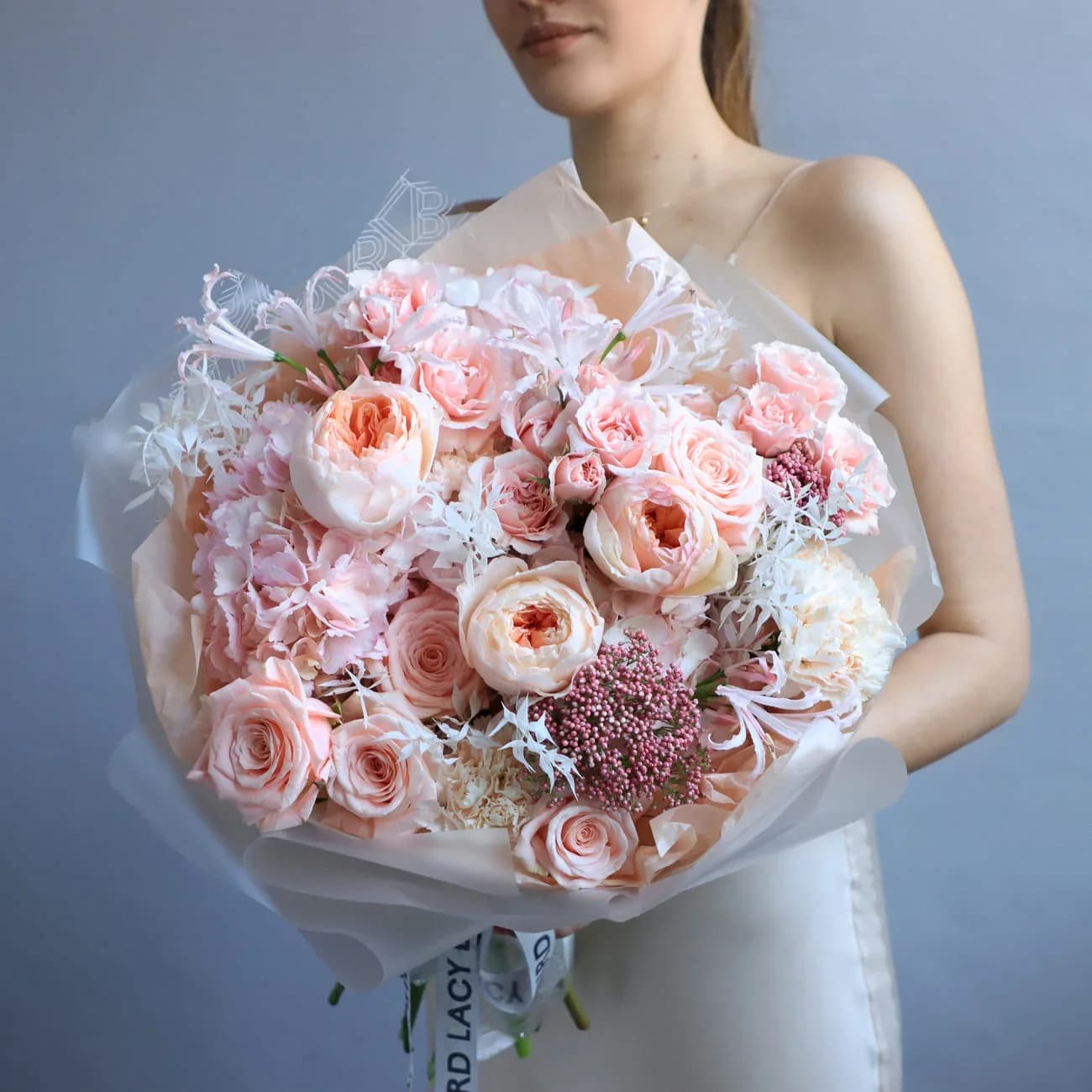
Wedding pricing tiers
| Wedding tier | Total flower cost | Bridal bouquet | Centerpiece |
|---|---|---|---|
| Budget | $500-1,500 | $150-250 | $50-80 |
| Mid-market | $2,000-5,000 | $250-500 | $80-150 |
| Luxury | $5,000-15,000 | $500-800 | $150-300 |
| Boutique luxury | $15,000-40,000 | $800-1,500 | $300-500 |
| Destination elite | $40,000+ | $1,500-2,500 | $500-1,500 |
Cost breakdown transparency
For each quote, know your cost:
Bridal bouquet example (mid-market $400):
- Wholesale materials: $60-90
- Labor (3-4 hours × $75): $225-300
- Overhead (30%): included
- Profit margin: 15-25% ($60-100)
If any of these numbers surprise you, review your pricing method.
The "package" trap
Some clients want fixed-price packages ("all-inclusive $5,000 wedding"). This works only if:
- You've done many similar weddings
- You've measured actual costs precisely
- Package includes 10-15% padding for variance
Otherwise: quote line-item. Packages that under-estimate crush studios.
Common pricing mistakes
Under-pricing to compete. Race-to-bottom kills margin. Compete on quality, not price.
Ignoring labor. Free labor equals $0 income. Bill hours.
Not adjusting for peak season. Peak-season demand should raise prices. Consistent pricing across seasons underprices peak.
Comparing to supermarket. Supermarket flowers are not your market. Compare to studios of your quality tier.
Discount discipline lacking. Discounts should be strategic (off-season, first-time client), not habitual.
No overhead calculation. Overhead eats 25-40% of revenue. Build it in.
FAQ
How do florists calculate pricing?
Three methods: cost-plus (wholesale × 3-4), labor-plus (materials
- $50-150/hour labor), and value-based (market pricing). Wedding work: labor-plus + value-based. Daily flowers: cost-plus. Most studios combine methods.
What multiplier on wholesale?
Daily flowers: 2.5-3.5×. Wedding flowers: 4-6×. Luxury boutique: 6-10×. Never sell below 2.5× unless clearing dead inventory.
How much for a bridal bouquet?
Mid-market: $250-500. Luxury boutique: $500-1,200. Premium destination: $1,200-2,500+. Formula: (materials × 4-5) + labor time × hourly rate.
Biggest pricing mistakes?
Under-charging. Not including your own labor. Not covering overhead (rent, equipment, insurance). Comparing to supermarket rather than studio pricing. Missing peak-season markup opportunities.
Related reading: