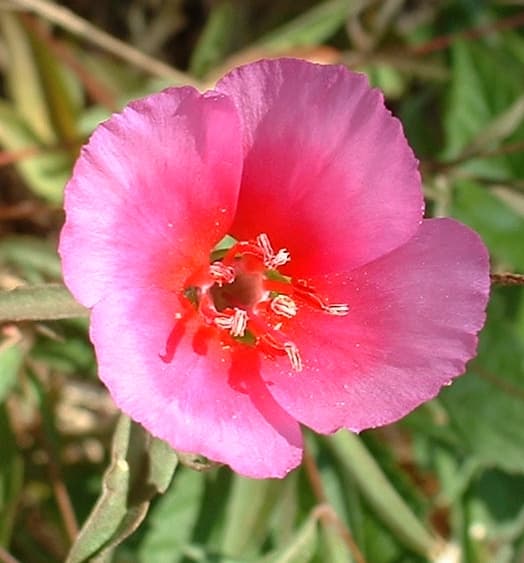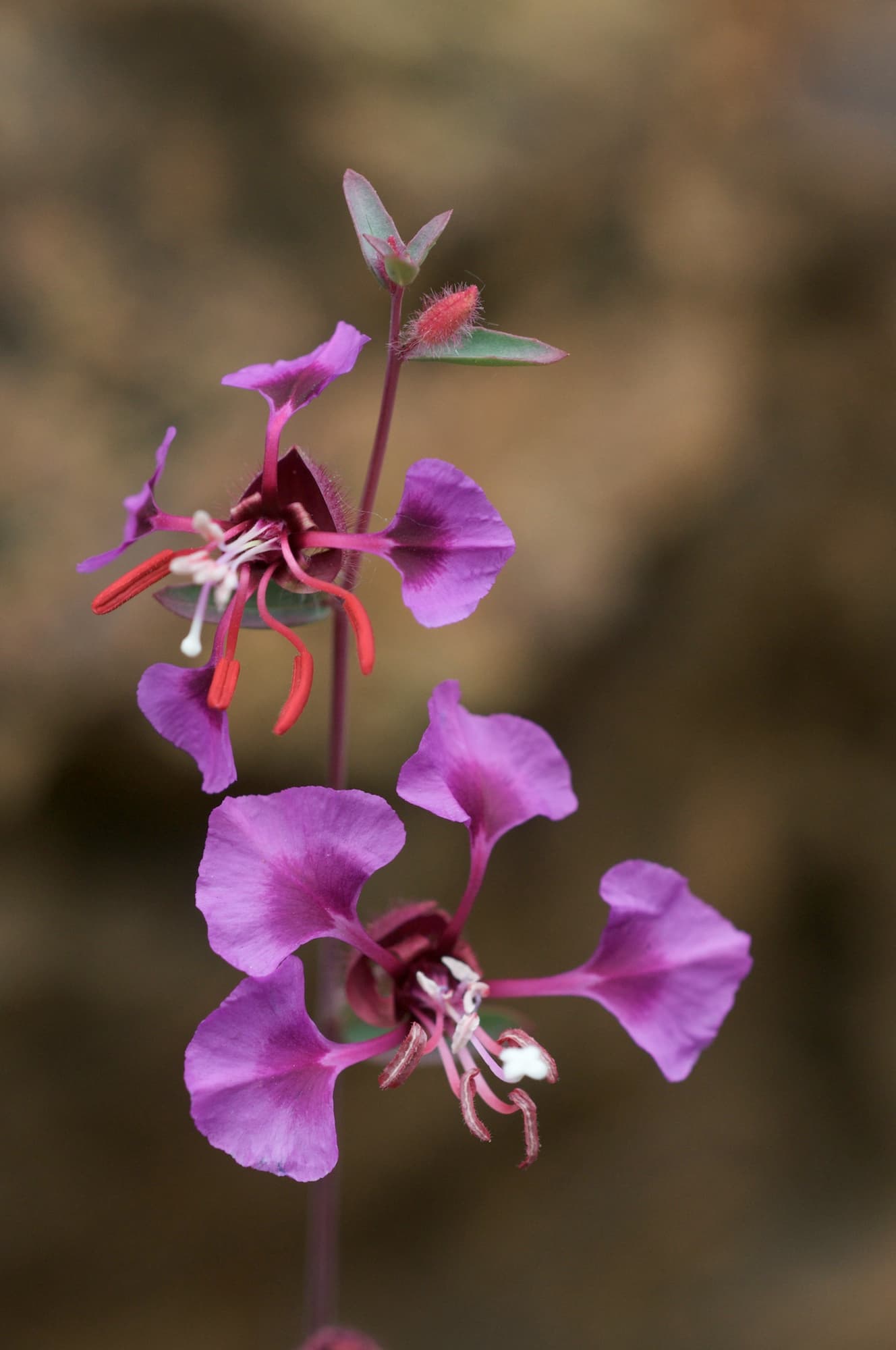
Photo: Eric in SF · CC BY-SA 3.0 · Wikimedia Commons
Clarkia
Clarkia is an easy-going tender annual native to California, bearing tall spikes of ruffled, almost double blooms in soft pinks, mauves and whites. Florists use it as a delicate line and filler flower that lends movement and a loose, cottage-garden softness to summer bouquets. Each stem opens its buds progressively up the spike, giving good value in the vase. Its papery, frilled petals pair naturally with sweet peas, larkspur and garden roses.
| Family | Onagraceae |
|---|---|
| Origin | California |
| Peak season | June, July |
| Availability | May, June, July, August |
| Stem length | 40–80 cm |
| Vase life | 5–8 days |
| Colors | pink, purple, lavender, white, salmon, coral |
| Price tier | mid |
Cut spikes when the lowest buds are just showing color, allowing the rest to open in water. Remove all foliage below the waterline. Give a long, cool drink before arranging and change the water every couple of days. Keep away from ripening fruit, as clarkia is sensitive to ethylene.
- •Cut spikes when lower buds show color
- •Remove leaves below the waterline
- •Give a deep drink of cool water
- •Change water every 2 days
- •Display away from ripening fruit
Frequently asked questions
When is Clarkia in season?
Clarkia peaks in June, July, and florists can usually source it May, June, July, August. Availability shifts by region and greenhouse supply.
How long does Clarkia last in a vase?
Expect 5–8 days with proper conditioning — a clean vase, fresh water every couple of days, flower food, and a cool spot away from ripening fruit and direct heat.
What can I use instead of Clarkia?
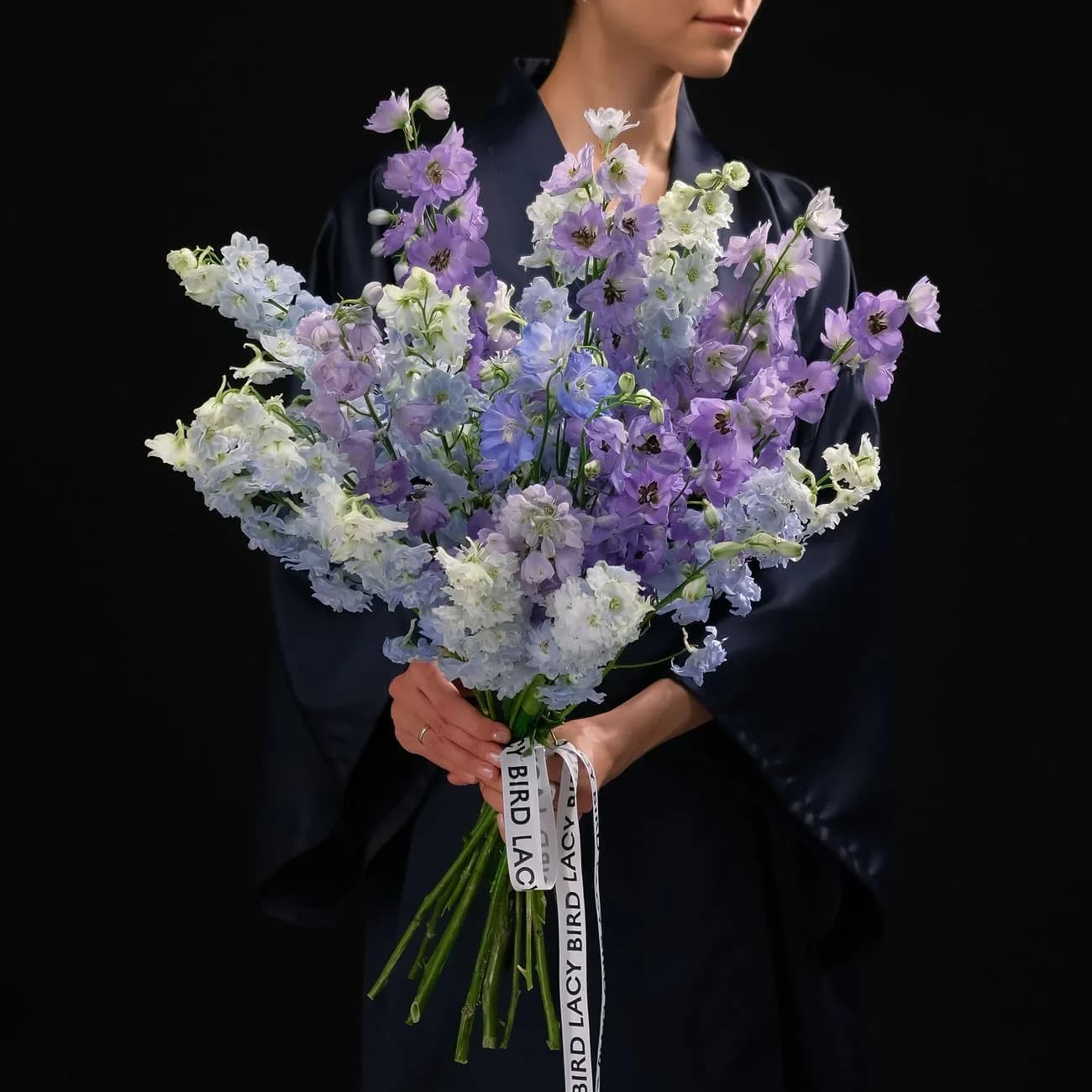
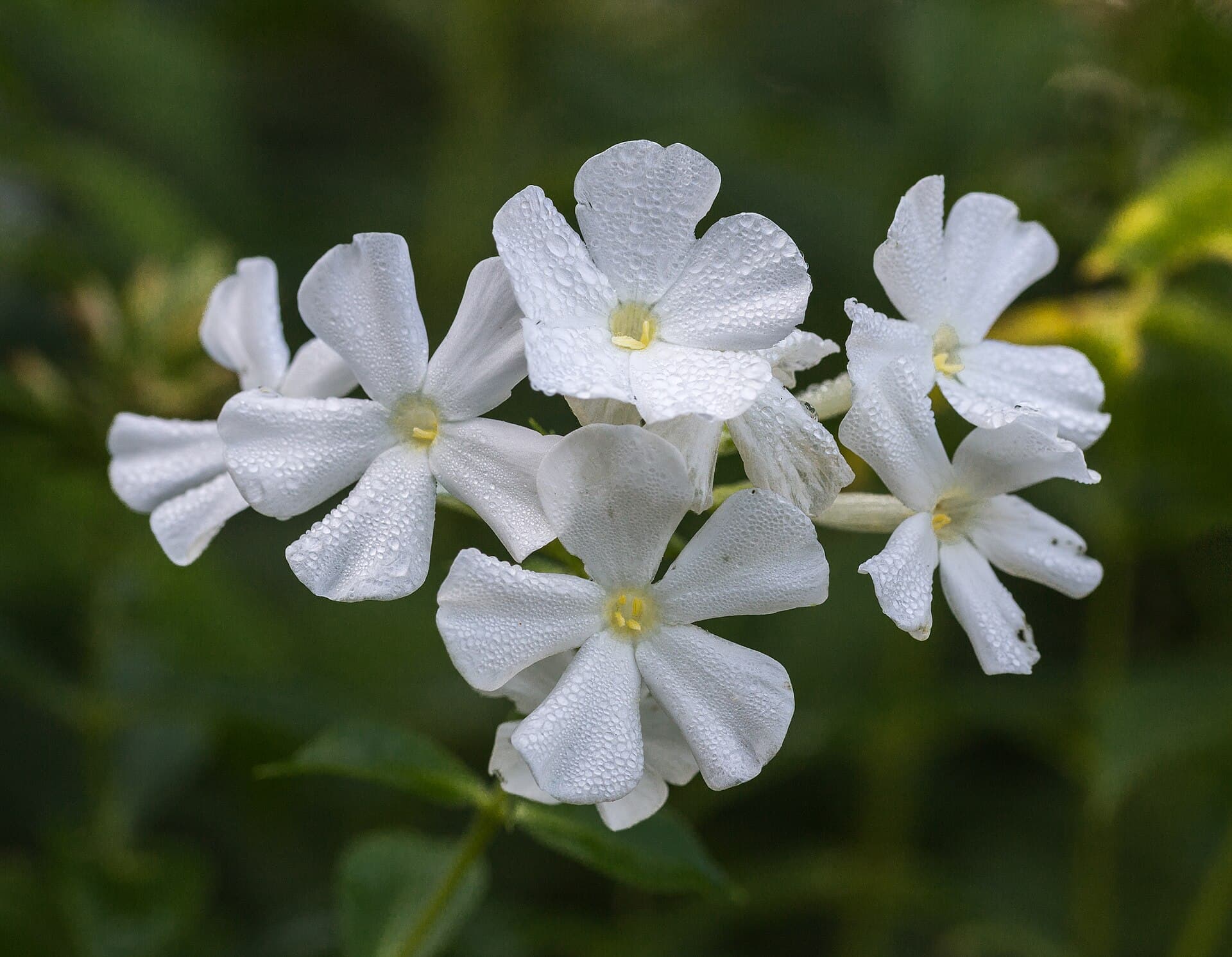
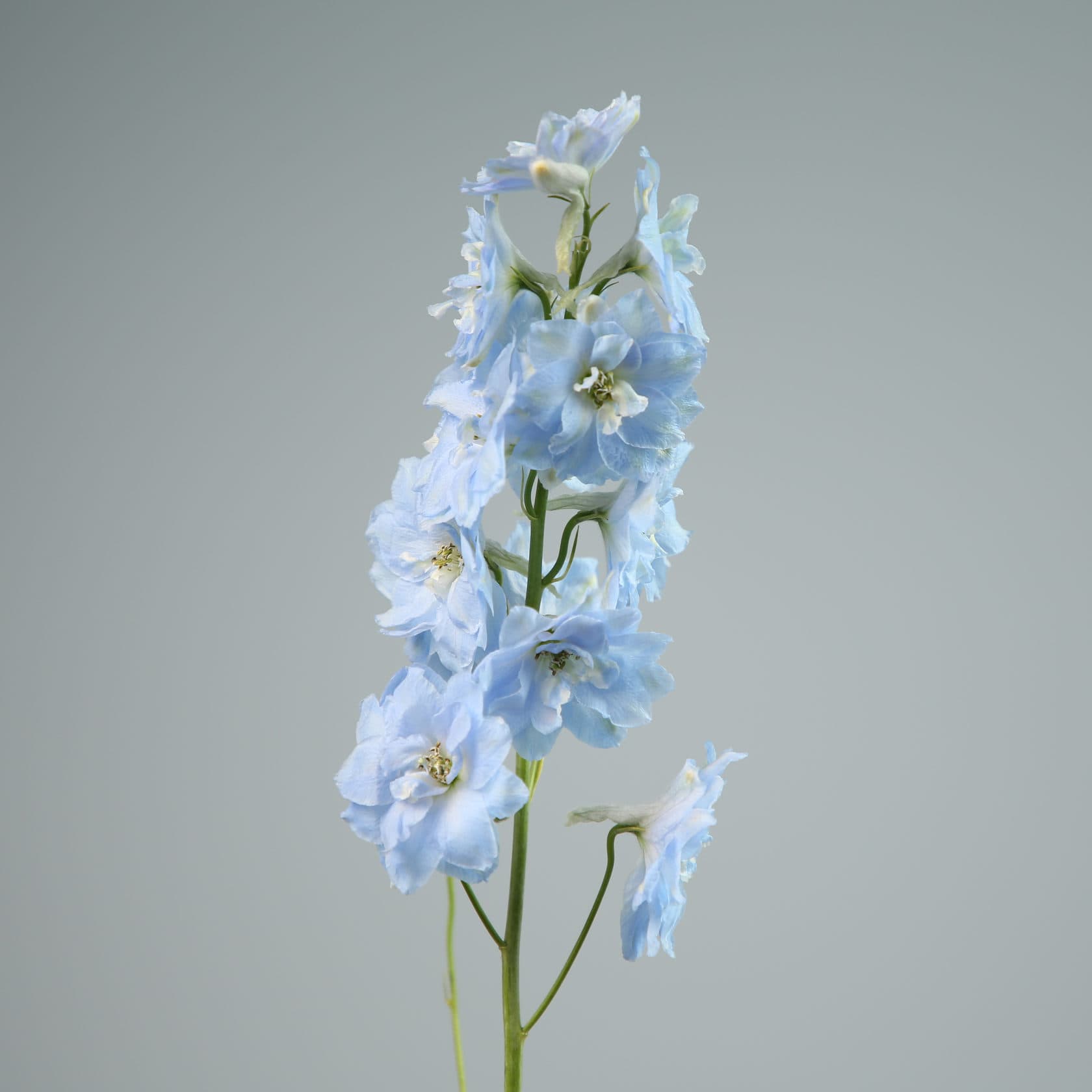
Good substitutes for Clarkia include Godetia, Larkspur, Phlox. Match on look, colour and season — our substitute finder ranks the closest alternatives.
What does Clarkia symbolise?
Clarkia is associated with elegance, joy, fleeting beauty, admiration.
How do you care for cut Clarkia?
Cut spikes when lower buds show color