Photo: Len Worthington · CC BY-SA 2.0 · Wikimedia Commons
Canary Grass
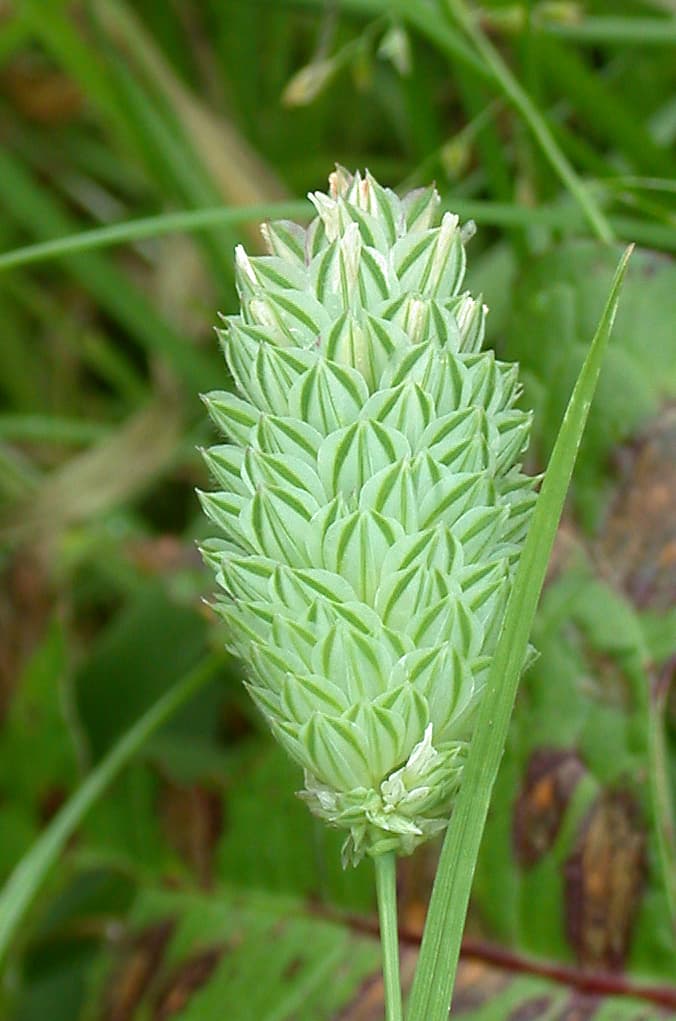
Phalaris, canary grass, is a Mediterranean grass grown for its plump, oval seed heads packed tightly on upright stems. Fresh, the fat green heads bring a neat, grain-like texture and a rustic freshness to summer bouquets; dried, they fade to soft straw and hold their shape for months. Easy to grow, cut and condition, it is an inexpensive, dependable filler. Florists reach for it to add substance and a field-gathered feel to garden-style and dried work.
| Family | Poaceae |
|---|---|
| Origin | Mediterranean and North Africa |
| Peak season | June, July |
| Availability | June, July, August, September |
| Stem length | 40–70 cm |
| Vase life | 7–14 days |
| Colors | green, cream, bronze |
| Price tier | budget |
Recut stems and give a deep cool drink; remove lower foliage. Canary grass conditions easily and lasts well fresh. For drying, gather the plump green seed heads before they pale and hang in small bunches upside down in a warm, airy, dark spot until firm.
- •Cut stems at an angle
- •Strip lower foliage
- •Give a deep cool drink
- •Harvest green heads for drying
- •Hang upside down in an airy, dark spot
- •Keep dried heads out of humidity
Frequently asked questions
When is Canary Grass in season?
Canary Grass peaks in June, July, and florists can usually source it June, July, August, September. Availability shifts by region and greenhouse supply.
How long does Canary Grass last in a vase?
Expect 7–14 days with proper conditioning — a clean vase, fresh water every couple of days, flower food, and a cool spot away from ripening fruit and direct heat.
What can I use instead of Canary Grass?
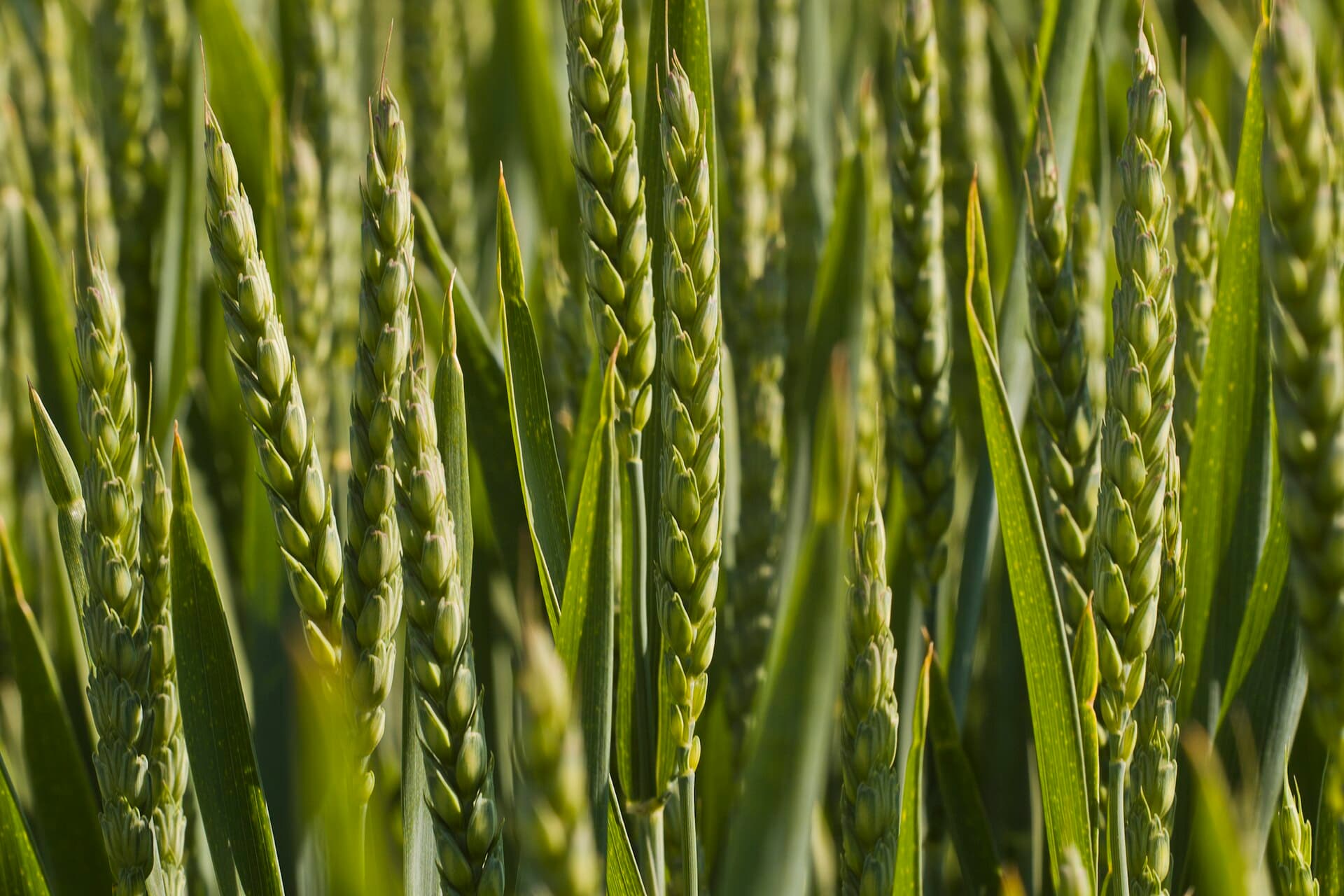
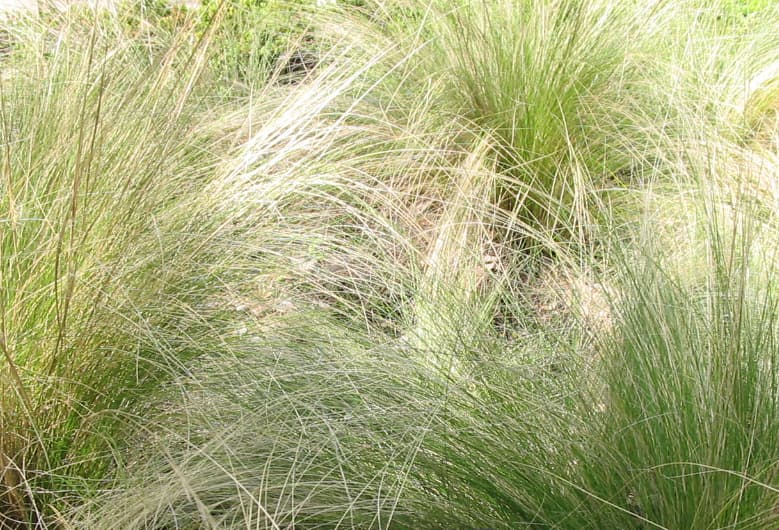
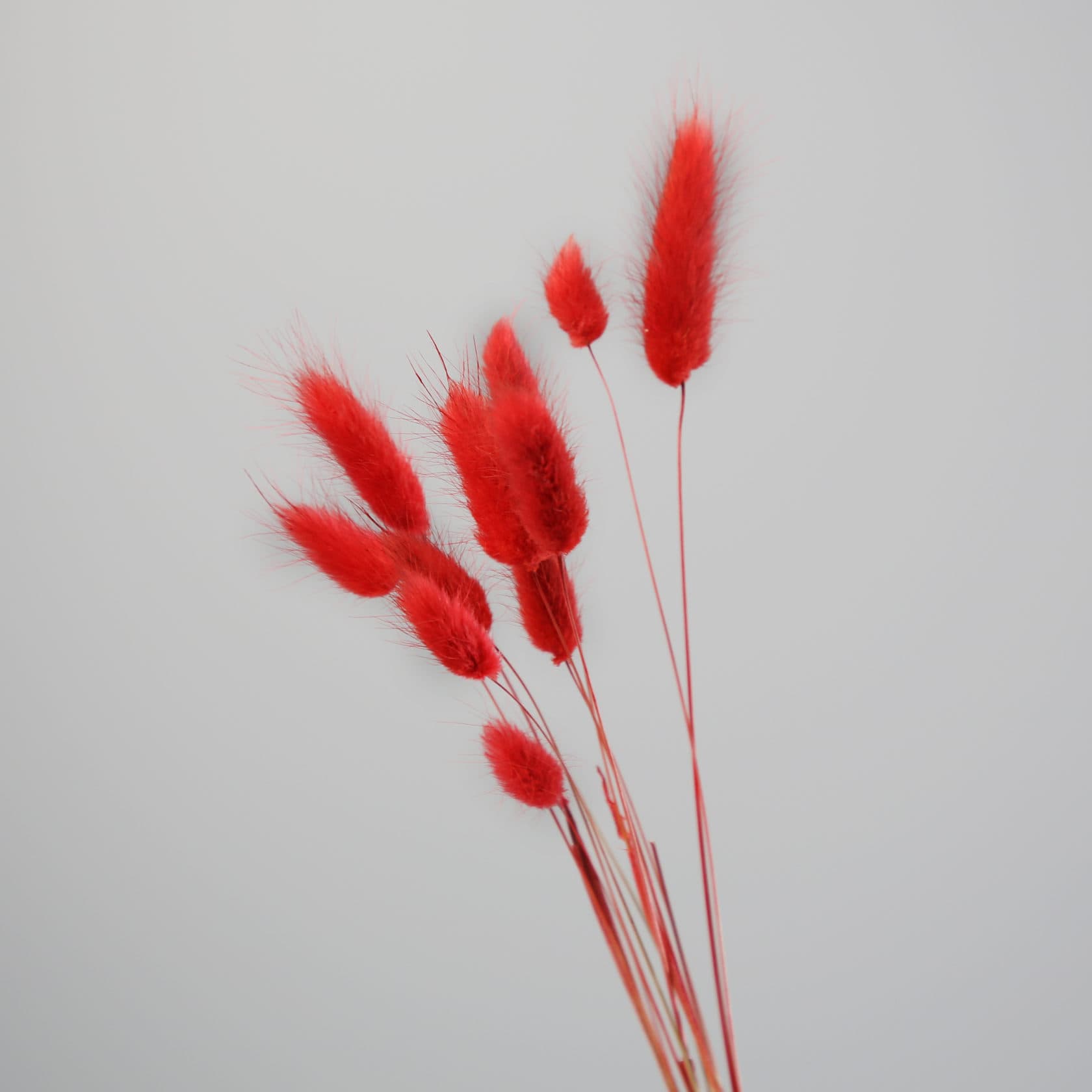
Good substitutes for Canary Grass include Wheat, Feather Grass, Lagurus (bunny tail grass). Match on look, colour and season — our substitute finder ranks the closest alternatives.
What does Canary Grass symbolise?
Canary Grass is associated with abundance, simplicity, provision, harvest.
How do you care for cut Canary Grass?
Cut stems at an angle