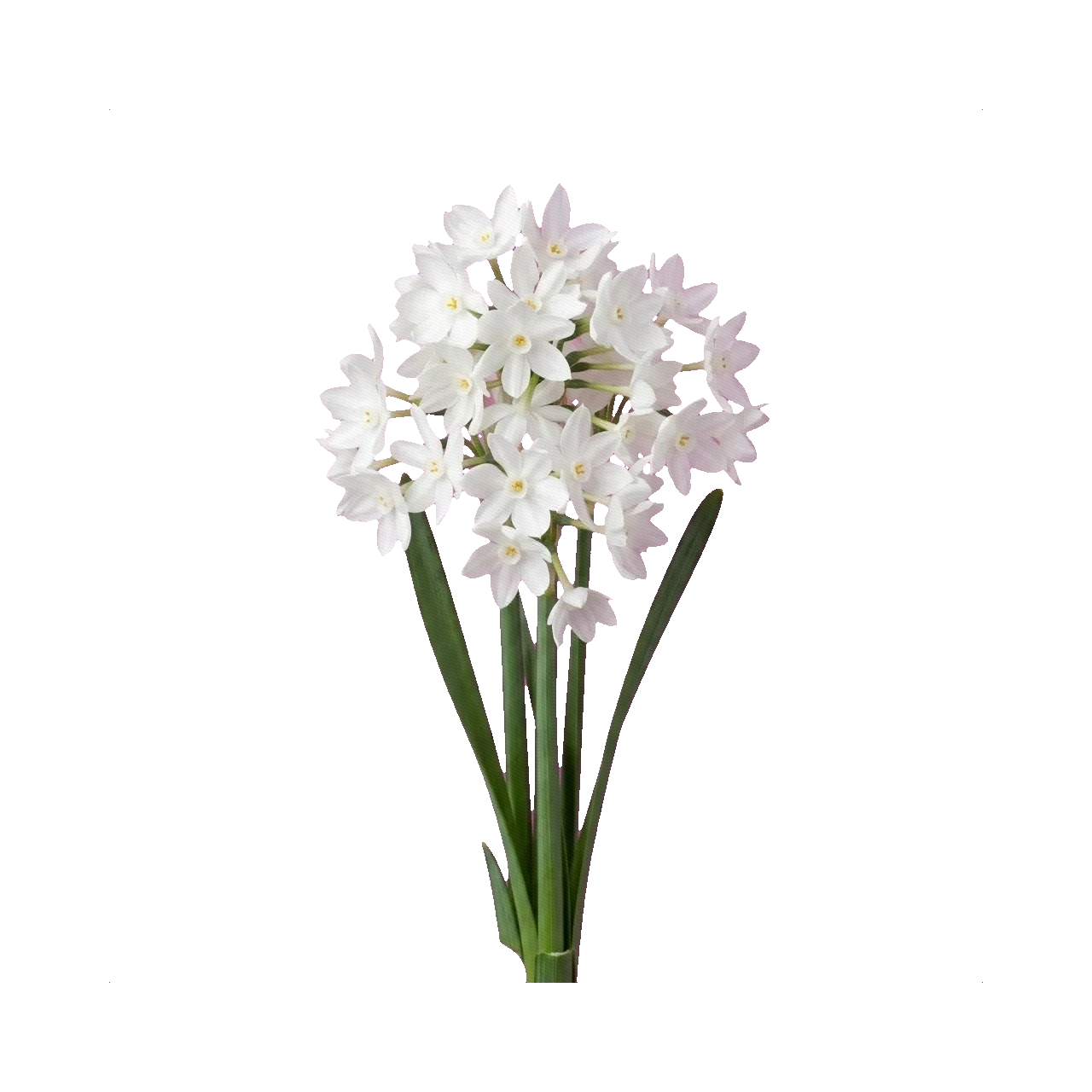
Daffodil
The daffodil is the first widely-recognised flower of spring — a fresh, uncomplicated shape carrying powerful cultural associations across Europe (Wales' national flower, Easter and new beginnings). Critical warning: daffodils secrete a sap that poisons other flowers in shared water; always condition alone first, then combine without recutting.
| Family | Amaryllidaceae |
|---|---|
| Origin | Europe; commercially grown Netherlands, UK, Israel |
| Peak season | February, March, April |
| Availability | January to May |
| Stem length | 30–50 cm |
| Vase life | 5–10 days |
| Colors | white, cream, yellow, orange, bicolor |
| Price tier | budget |
CRITICAL: after cutting, stand daffodils alone in cool water for 6+ hours before combining with other flowers. Their sap poisons the vase water for other flowers.
- •DAFFODIL SAP KILLS OTHER FLOWERS — condition alone for 6+ hours first
- •Do not recut once combined with other flowers
- •Paperwhite has legendary winter-forced fragrance
- •First flower of spring in most European traditions
5 named daffodil cultivars from the Lacy Bird master catalogue — each a distinct commercial variety.
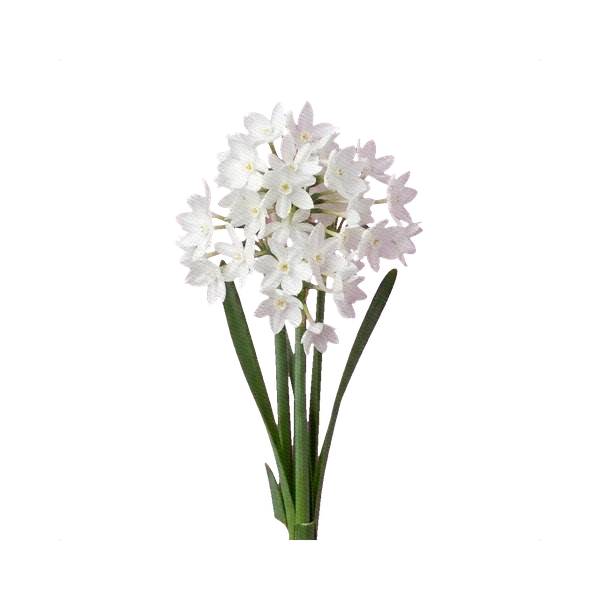
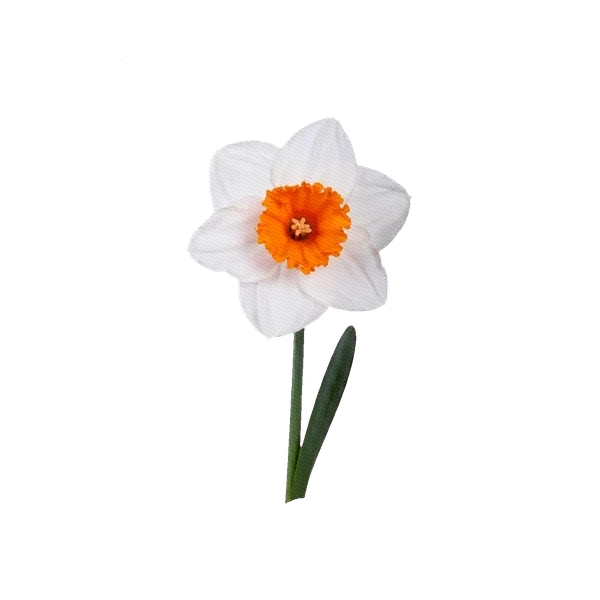
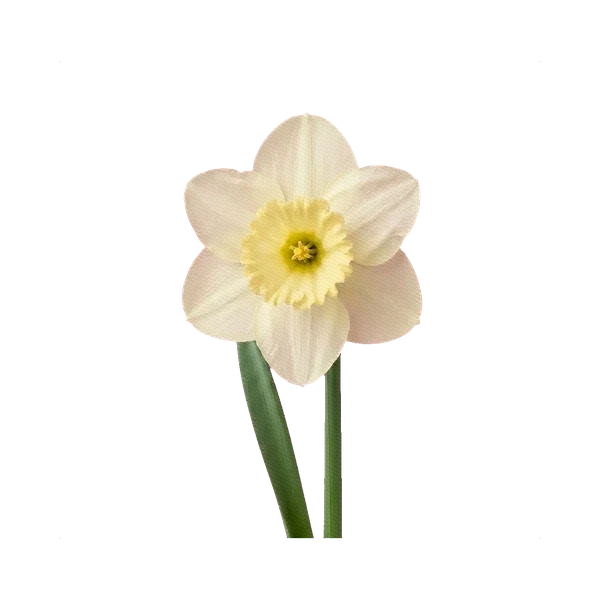
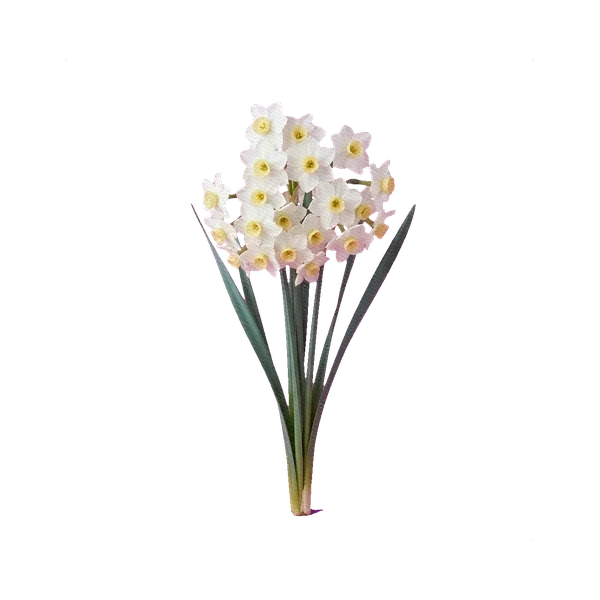
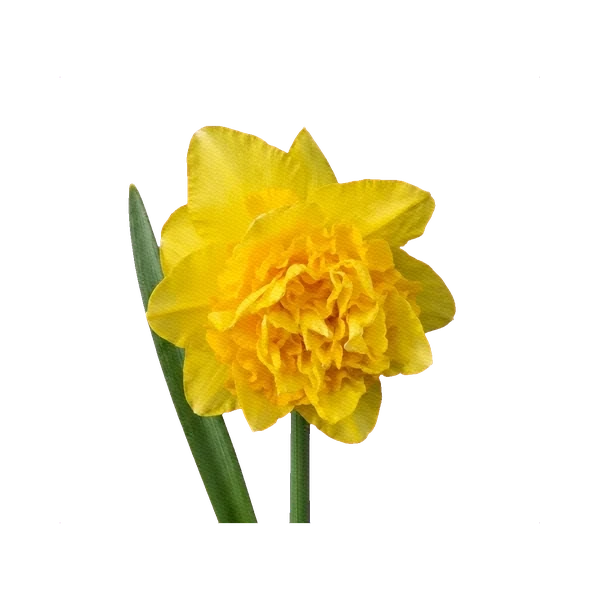
Entries marked ✦ come from the Acanta master catalogue — the shared database of cut flowers, forms, colours and named varieties that florists and studios build on. The rest are our editorial genus reference. What is Acanta →
 Bouquet Builder — by Lacy Bird
Design the bouquet. See it as a photo.
Botanical reference
- Also known as
- narcissus, jonquil, Ajax, Argenope, Assaracus, Aurelia, Autogenes, Braxireon, Calathinus, Carregnoa, Chione, Chloraster
- Distribution
- Afghanistan, Albania, Algeria, Austria, Baleares, Belgium, Canary Is., China Southeast, Corse, Cyprus
- Cold storage
- 1 °C
- Ethylene sensitivity
- sensitive
Open-data sources: GBIF, Wikidata (CC0/CC BY), USDA Agriculture Handbook 66 (public domain)
Frequently asked questions
When is Daffodil in season?
Daffodil peaks in February, March, April, and florists can usually source it January to May. Availability shifts by region and greenhouse supply.
How long does Daffodil last in a vase?
Expect 5–10 days with proper conditioning — a clean vase, fresh water every couple of days, flower food, and a cool spot away from ripening fruit and direct heat.
What can I use instead of Daffodil?
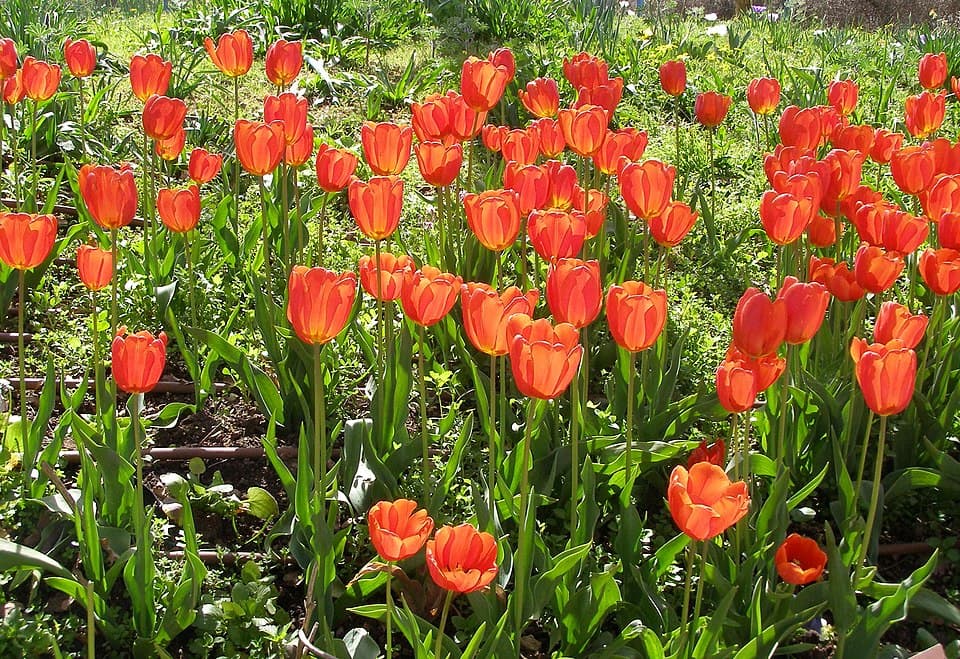
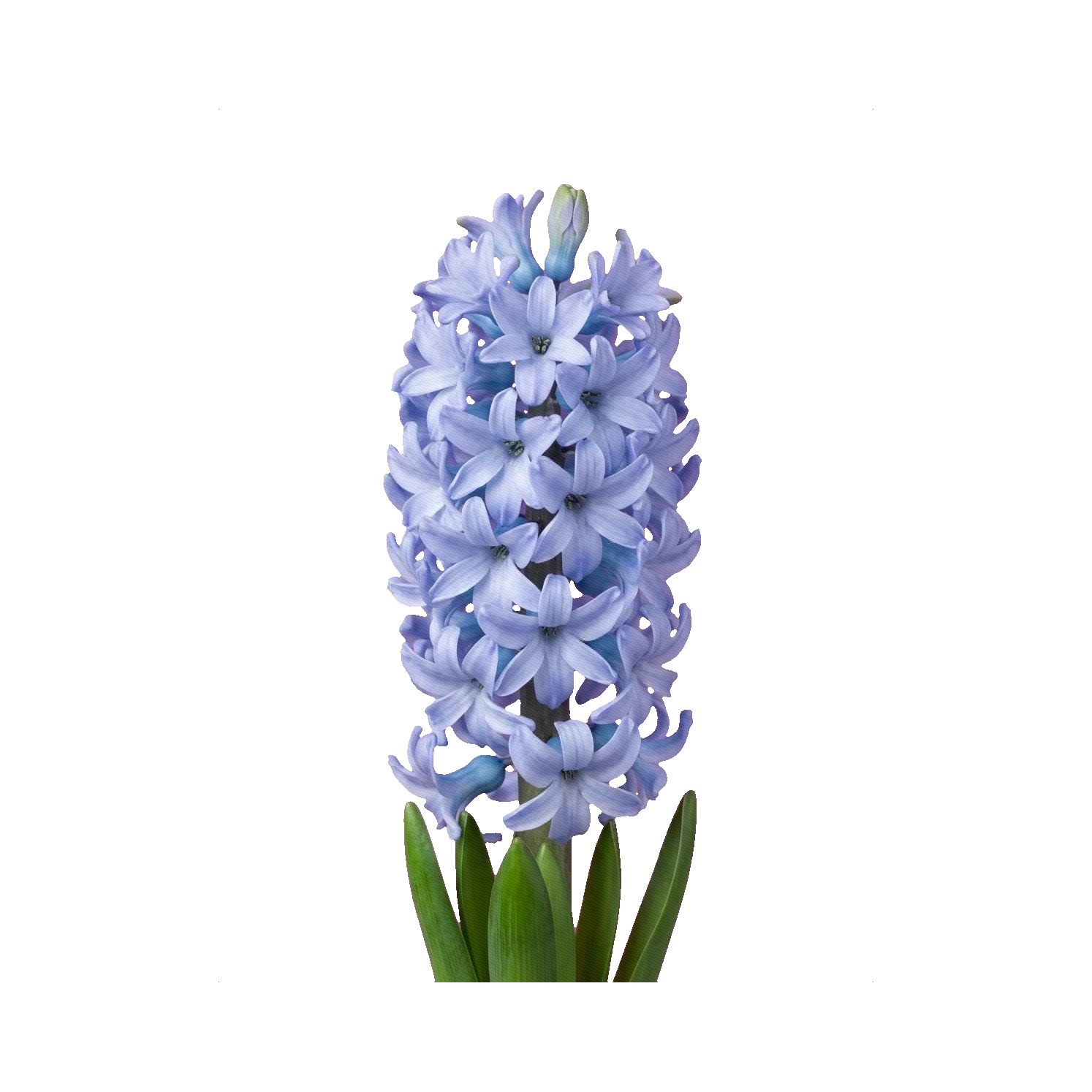
Good substitutes for Daffodil include Tulip, Hyacinth. Match on look, colour and season — our substitute finder ranks the closest alternatives.
What does Daffodil symbolise?
Daffodil is associated with rebirth, new beginnings, hope.
How do you care for cut Daffodil?
DAFFODIL SAP KILLS OTHER FLOWERS — condition alone for 6+ hours first
Related flowers

Free to quote and cite with attribution and a link back, for non-commercial and editorial use (blogs, journalism, classrooms, research).
Lacy Bird Flower Encyclopedia — “Daffodil”. https://lacybird.com/flowers/daffodil/<a href="https://lacybird.com/flowers/daffodil/">Lacy Bird Flower Encyclopedia — Daffodil</a>