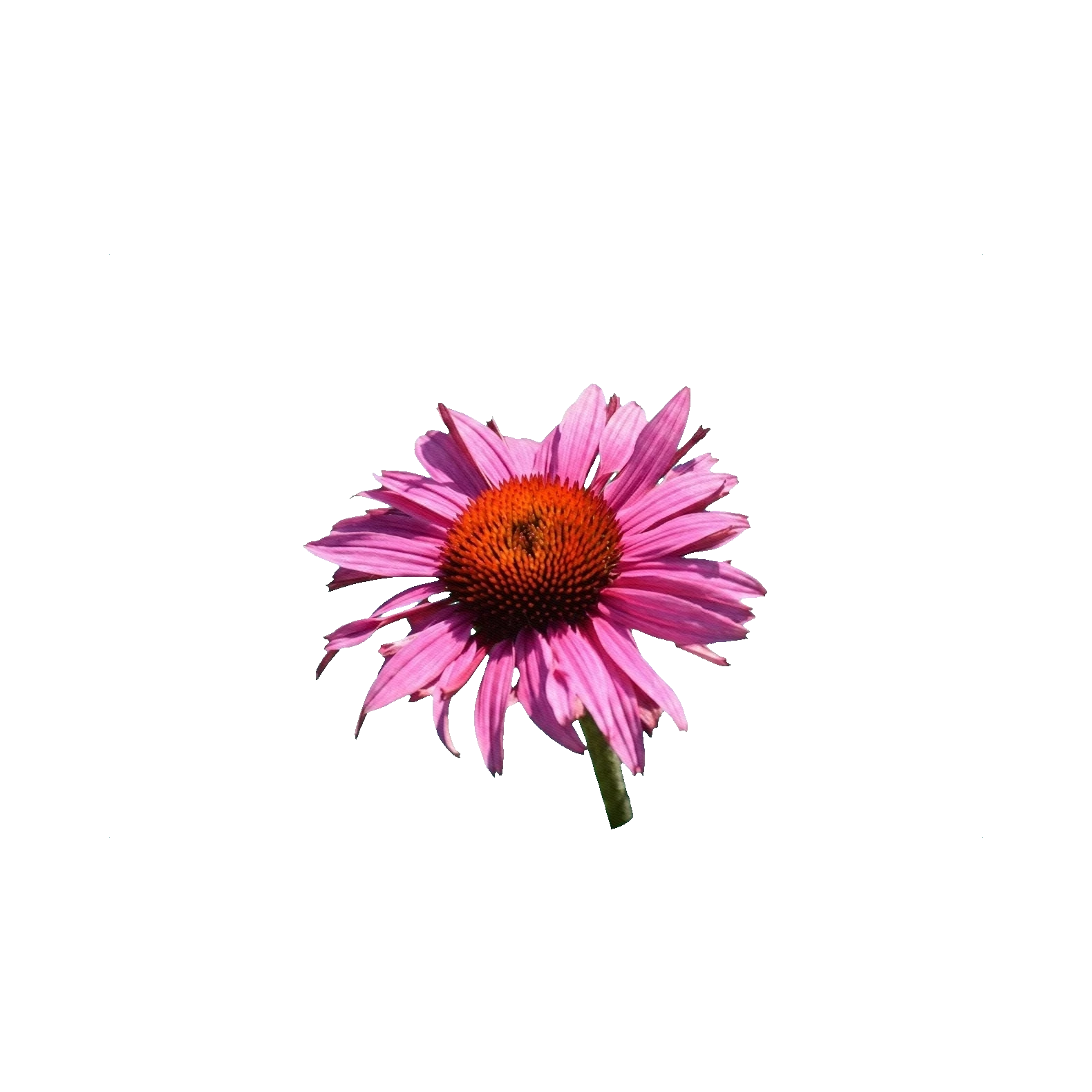
Echinacea
The purple coneflower has moved from herbal medicine cabinet to modern cut-flower — new cultivars in coral, orange, and burgundy have expanded the design palette beyond the traditional purple. The prominent seed cone at the centre remains after petals drop, giving a second design phase to the same stem.
| Family | Asteraceae |
|---|---|
| Origin | North America; commercially grown by local farms |
| Peak season | July, August, September |
| Availability | June to October |
| Stem length | 50–80 cm |
| Vase life | 7–14 days |
| Colors | white, pink, coral, orange, burgundy, yellow |
| Price tier | mid |
Cut on a diagonal, fresh water. Strip lower foliage.
- •Prominent seed cone at centre — a design feature
- •Petals reflex naturally — the look
- •Modern cultivars in orange, yellow, coral (traditional is purple)
- •Refresh water every 3 days
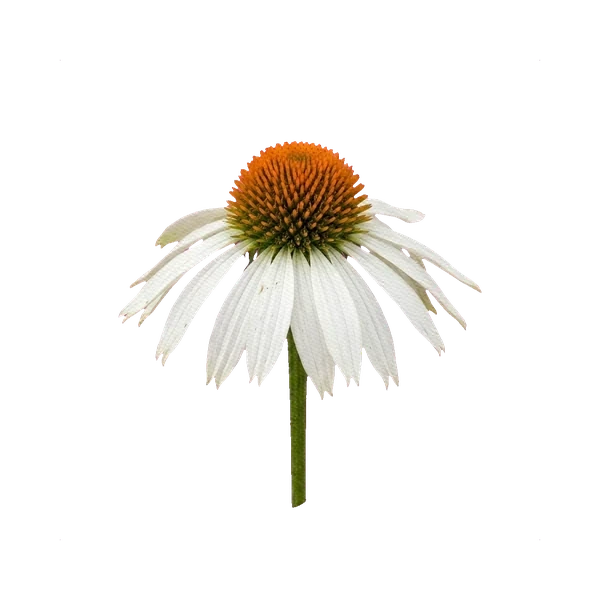
2 named echinacea cultivars from the Lacy Bird master catalogue — each a distinct commercial variety.

Entries marked ✦ come from the Acanta master catalogue — the shared database of cut flowers, forms, colours and named varieties that florists and studios build on. The rest are our editorial genus reference. What is Acanta →
 Bouquet Builder — by Lacy Bird
Design the bouquet. See it as a photo.
Botanical reference
- Common name
- Eastern Purple Coneflower
- Also known as
- purple coneflower, Brauneria purpurea, Echinacea intermedia, Echinacea purpurea arkansana, Echinacea purpurea ligettii, Echinacea purpurea purpurea, Echinacea purpurea serotina, Echinacea serotina, Helichroa alba, Helichroa amoena, Helichroa crocea, Helichroa elatior
- Distribution
- Alabama, Arkansas, Colorado, Connecticut, Delaware, Estonia, Florida, Georgia, Global, Illinois
Open-data sources: GBIF, Wikidata (CC0/CC BY)
Frequently asked questions
When is Echinacea in season?
Echinacea peaks in July, August, September, and florists can usually source it June to October. Availability shifts by region and greenhouse supply.
How long does Echinacea last in a vase?
Expect 7–14 days with proper conditioning — a clean vase, fresh water every couple of days, flower food, and a cool spot away from ripening fruit and direct heat.
What can I use instead of Echinacea?
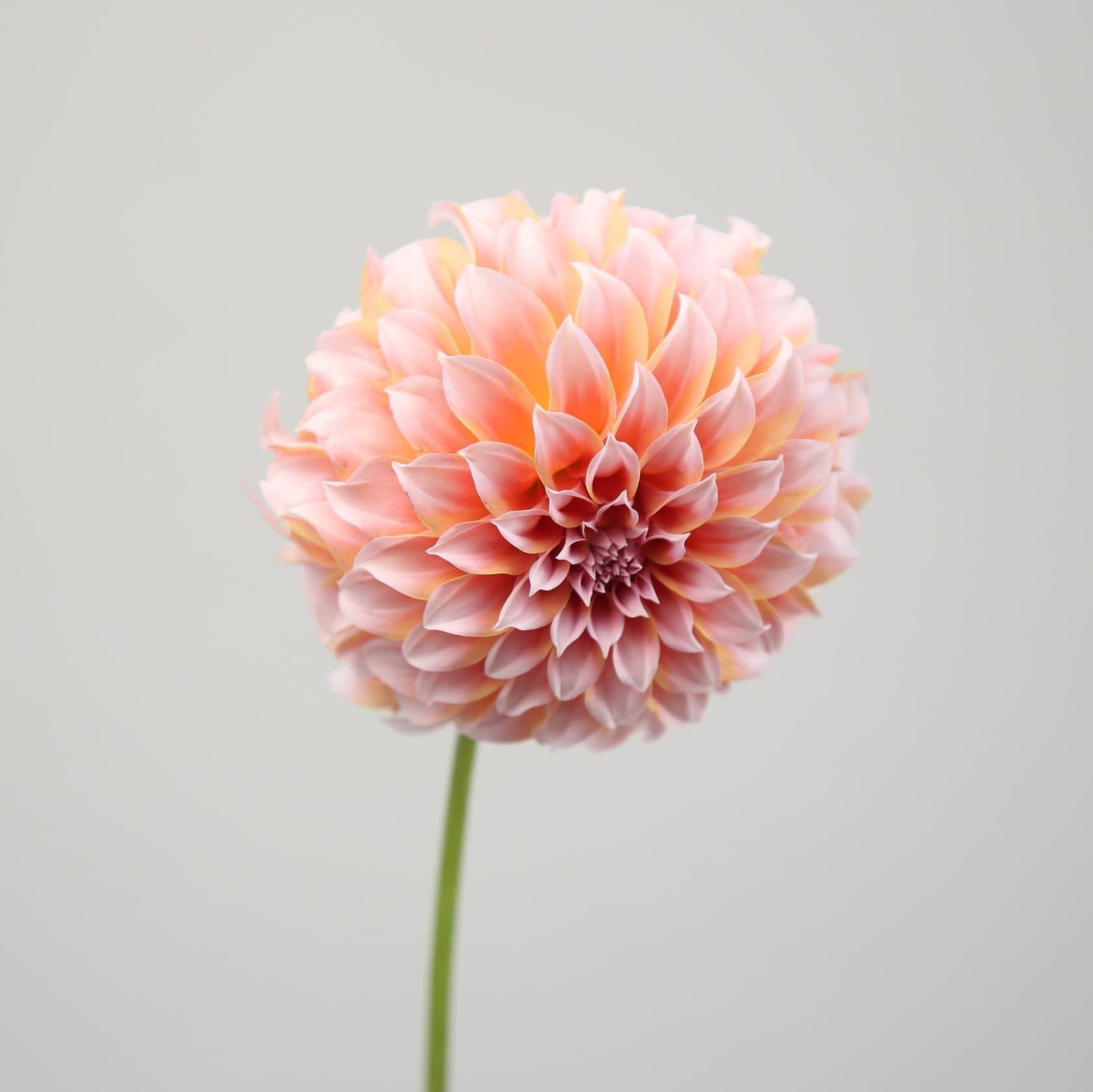
Good substitutes for Echinacea include Dahlia, Gerbera. Match on look, colour and season — our substitute finder ranks the closest alternatives.
What does Echinacea symbolise?
Echinacea is associated with healing, strength, protection.
How do you care for cut Echinacea?
Prominent seed cone at centre — a design feature
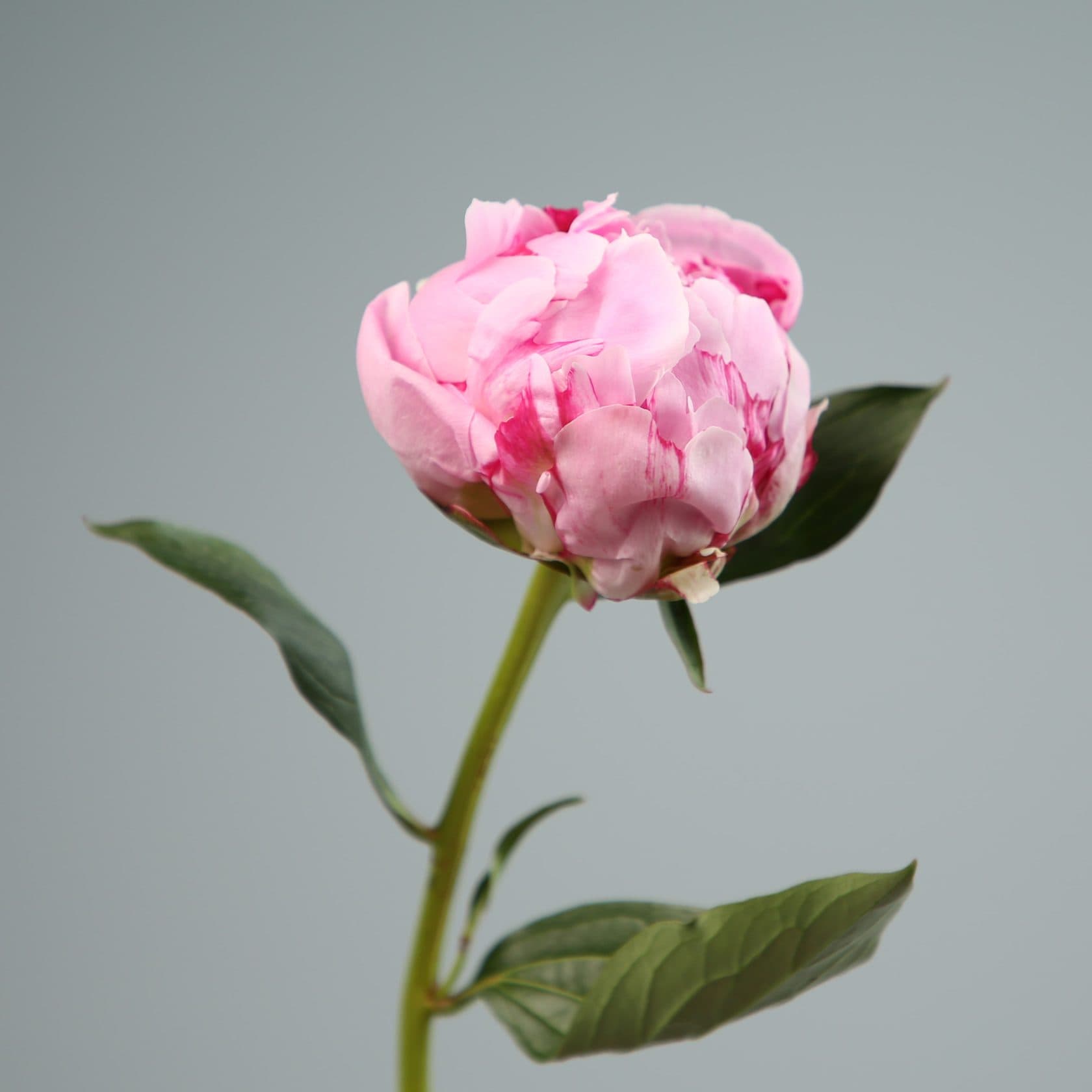
Related flowers


Free to quote and cite with attribution and a link back, for non-commercial and editorial use (blogs, journalism, classrooms, research).
Lacy Bird Flower Encyclopedia — “Echinacea”. https://lacybird.com/flowers/echinacea/<a href="https://lacybird.com/flowers/echinacea/">Lacy Bird Flower Encyclopedia — Echinacea</a>