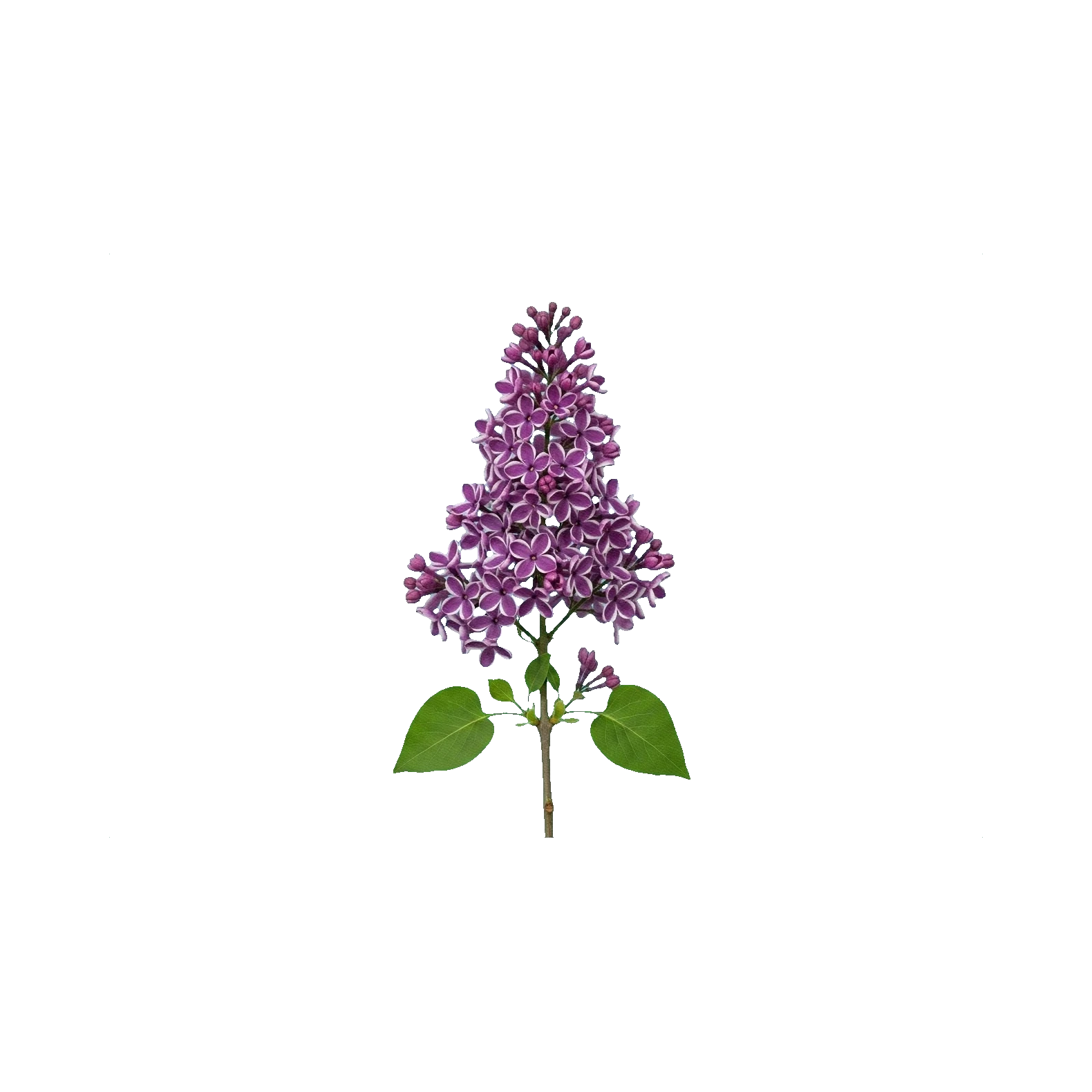
Lilac
The scent of lilac in a wedding venue is unforgettable — and unattainable at any other time of year. Short season (six weeks), short vase life (a week at best), and demanding conditioning requirements make lilac a luxury flower even when technically in season. Split the stems; strip the leaves; use the day it arrives.
| Family | Oleaceae |
|---|---|
| Origin | Southeastern Europe; commercially grown Netherlands, France |
| Peak season | April, May, June |
| Availability | March to June |
| Stem length | 50–80 cm |
| Vase life | 3–7 days |
| Colors | white, cream, blush, pink, purple, lavender |
| Price tier | premium |
Split the woody stem 2–4 cm with a knife. Strip all foliage below the waterline — lilac foliage wilts faster than the flowers, dragging the whole stem down.
- •SPLIT the woody stem for water uptake
- •STRIP all leaves — they wilt before the flowers do
- •Short vase life (3–7 days) — plan for day-of-event use
- •Fragrance is one of the most beloved in floristry
3 named lilac cultivars from the Lacy Bird master catalogue — each a distinct commercial variety.
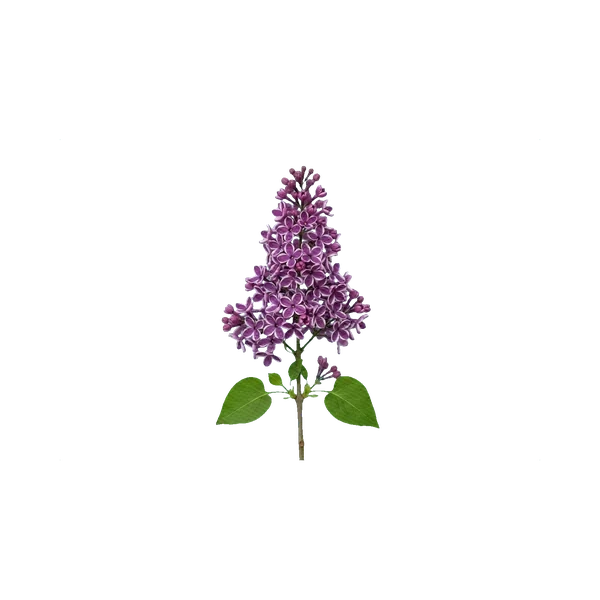

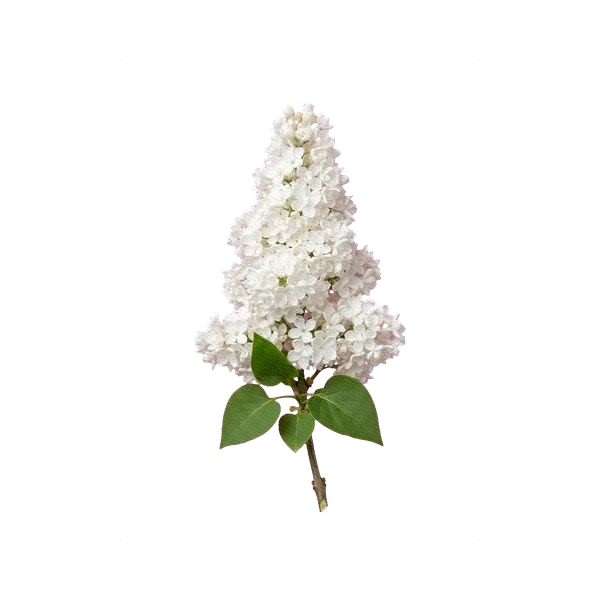
Entries marked ✦ come from the Acanta master catalogue — the shared database of cut flowers, forms, colours and named varieties that florists and studios build on. The rest are our editorial genus reference. What is Acanta →
 Bouquet Builder — by Lacy Bird
Design the bouquet. See it as a photo.
Botanical reference
- Common name
- Common Lilac
- Also known as
- syringa, Lilac caerulea, Lilac cordatifolia, Lilac suaveolens, Lilac vulgaris, Lilac vulgaris alba, Lilac vulgaris coerulea, Lilac vulgaris purpurea, Lilac vulgaris violacea, Liliacum album, Liliacum vulgare, Syringa alba
- Distribution
- Akershus, Aust Agder, Bulgaria, Buskerud, Global, Greece, Møre og Romsdal, NW. Balkan Pen., North America
- Uses
- medicinal plant
Open-data sources: GBIF, Wikidata (CC0/CC BY)
Frequently asked questions
When is Lilac in season?
Lilac peaks in April, May, June, and florists can usually source it March to June. Availability shifts by region and greenhouse supply.
How long does Lilac last in a vase?
Expect 3–7 days with proper conditioning — a clean vase, fresh water every couple of days, flower food, and a cool spot away from ripening fruit and direct heat.
What can I use instead of Lilac?
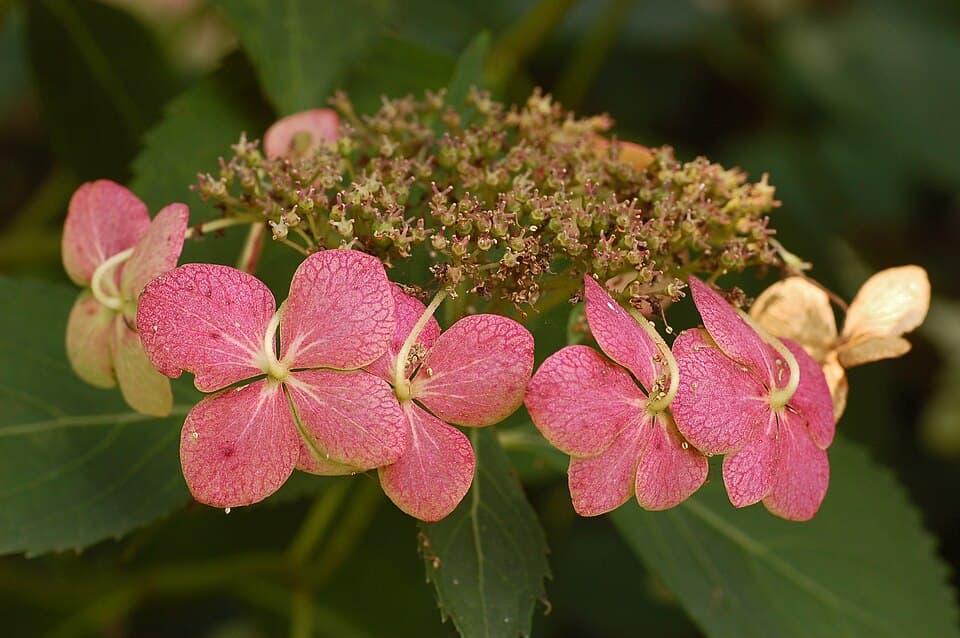
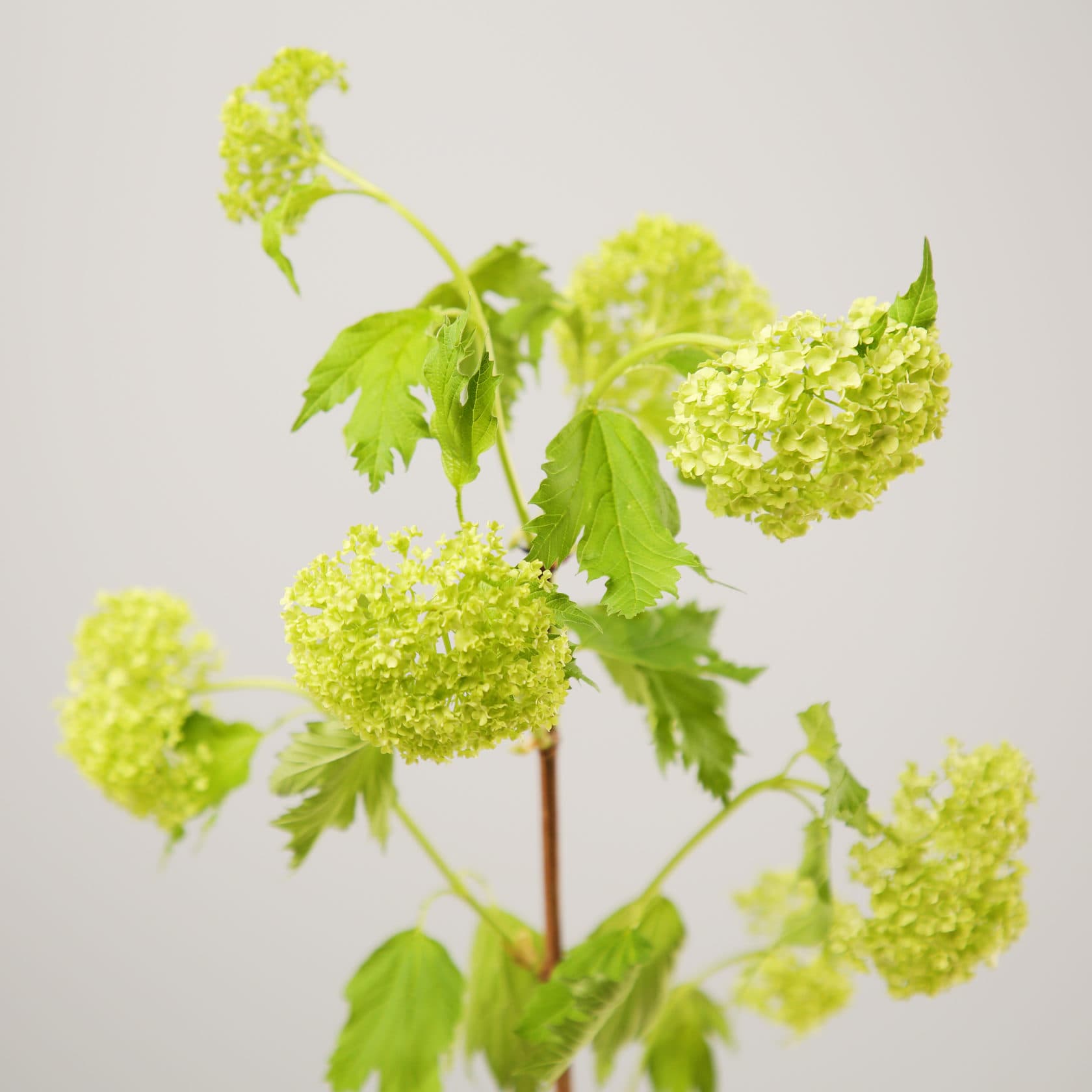
Good substitutes for Lilac include Hydrangea, Viburnum. Match on look, colour and season — our substitute finder ranks the closest alternatives.
What does Lilac symbolise?
Lilac is associated with first love, spring, renewal.
How do you care for cut Lilac?
SPLIT the woody stem for water uptake
Related flowers

Free to quote and cite with attribution and a link back, for non-commercial and editorial use (blogs, journalism, classrooms, research).
Lacy Bird Flower Encyclopedia — “Lilac”. https://lacybird.com/flowers/lilac/<a href="https://lacybird.com/flowers/lilac/">Lacy Bird Flower Encyclopedia — Lilac</a>