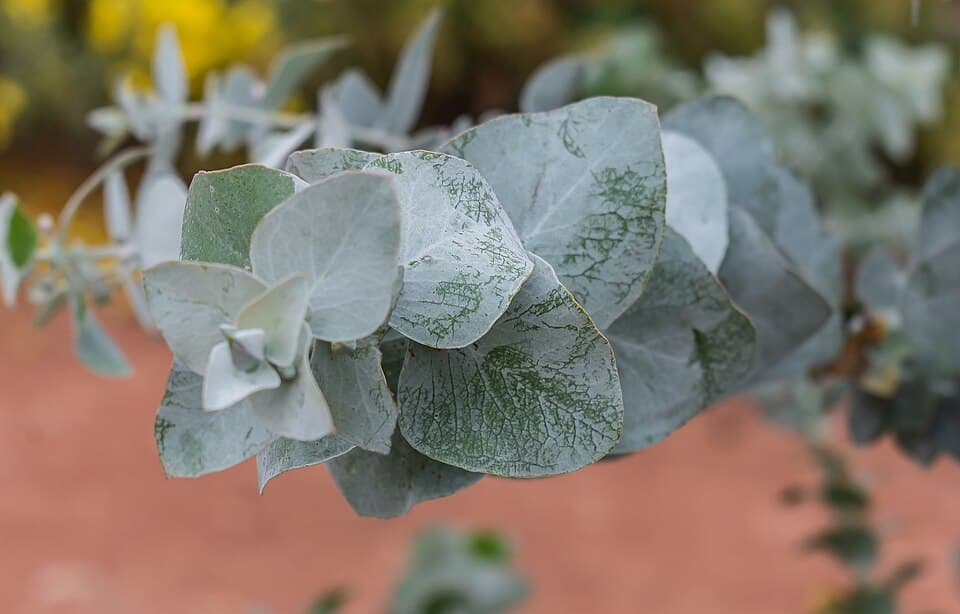
Photo: Simon Eugster --Simon 13:07, 2 July 2006 (UTC) · CC BY-SA 3.0 · Wikimedia Commons
Mint
Mint is an aromatic herb whose bright green, textured leaves release a cool, refreshing scent when brushed. Florists use it as a fragrant, informal greenery that softens bouquets and adds a garden-gathered feel. Its crisp foliage works especially well in cottage-style and summer arrangements. Beyond looks, the fresh scent makes it a favourite for bridal work and tablescapes.
| Family | Lamiaceae |
|---|---|
| Origin | Europe and Asia |
| Peak season | June, July, August |
| Availability | May, June, July, August, September |
| Stem length | 20–40 cm |
| Vase life | 5–8 days |
| Colors | green |
| Price tier | budget |
Choose firm, non-flowering stems and strip the leaves that would fall below the waterline. Give them a long drink of cool water before use, as soft young growth wilts easily. Keep cool and mist lightly to hold the foliage crisp.
- •Pick firm, mature stems
- •Strip lower leaves
- •Give a long cool drink
- •Keep cool and mist lightly
- •Use promptly for best crispness
 Bouquet Builder — by Lacy Bird
Design the bouquet. See it as a photo.
Botanical reference
- Common name
- Bush Mint
- Also known as
- spearmint, garden mint, Mentha crispata, Mentha rubicunda, Mentha spicata, Mentha viridis angustifolia
- Distribution
- Afghanistan, Albania, Austria, Belgium, Bulgaria, China South-Central, China Southeast, Cyprus, Czechia-Slovakia, Denmark
- Uses
- medicinal plant, vegetable
Open-data sources: GBIF, Wikidata (CC0/CC BY)
Frequently asked questions
When is Mint in season?
Mint peaks in June, July, August, and florists can usually source it May, June, July, August, September. Availability shifts by region and greenhouse supply.
How long does Mint last in a vase?
Expect 5–8 days with proper conditioning — a clean vase, fresh water every couple of days, flower food, and a cool spot away from ripening fruit and direct heat.
What can I use instead of Mint?
Good substitutes for Mint include Rosemary, Bay Laurel, Bupleurum. Match on look, colour and season — our substitute finder ranks the closest alternatives.
What does Mint symbolise?
Mint is associated with freshness, virtue, hospitality, protection.
How do you care for cut Mint?
Pick firm, mature stems
Related flowers


Free to quote and cite with attribution and a link back, for non-commercial and editorial use (blogs, journalism, classrooms, research).
Lacy Bird Flower Encyclopedia — “Mint”. https://lacybird.com/flowers/mint/<a href="https://lacybird.com/flowers/mint/">Lacy Bird Flower Encyclopedia — Mint</a>