
Monstera Leaf
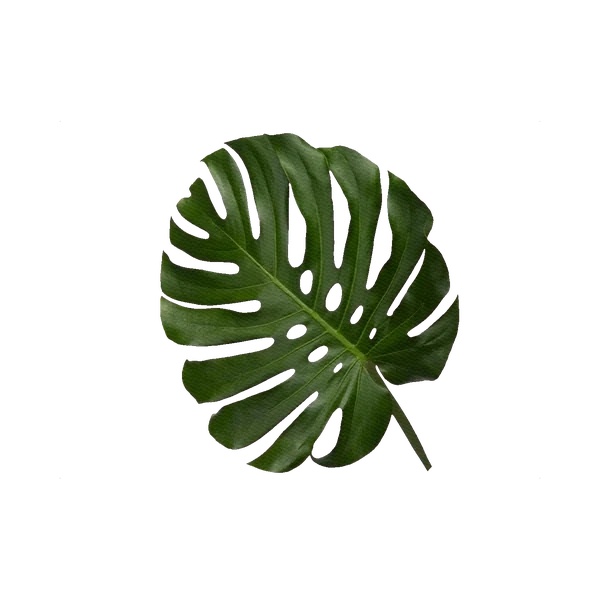
The monstera leaf, cut from Monstera deliciosa, is one of the most recognisable foliages in modern floristry — a large, glossy, deep-green blade slashed with natural holes and splits. Native to Central American rainforests, it brings bold scale, clean line and a lush tropical mood to arrangements and installations. Exceptionally long-lasting out of water and easy to handle, a single leaf can define a modern bouquet, backdrop or table runner. It is the signature green of tropical and contemporary design.
| Family | Araceae |
|---|---|
| Origin | Southern Mexico and Central America |
| Peak season | all year |
| Availability | January, February, March, April, May, June, July, August, September, October, November, December |
| Stem length | 30–70 cm |
| Vase life | 14–28 days |
| Colors | green |
| Price tier | mid |
Rinse both sides of the leaf and wipe away any dust so it stays glossy. Recut the petiole on an angle and stand it in clean water, keeping the level topped up. A wilted leaf can be revived by submerging or misting it. Keep it warm and out of cold drafts, as it is a tropical foliage.
- •Rinse both sides of the leaf and wipe off dust
- •Recut the petiole on an angle
- •Submerge or mist to rehydrate a wilted leaf
- •Use clean water and keep it topped up
- •Keep warm and out of cold drafts
2 named monstera cultivars from the Lacy Bird master catalogue — each a distinct commercial variety.

Entries marked ✦ come from the Acanta master catalogue — the shared database of cut flowers, forms, colours and named varieties that florists and studios build on. The rest are our editorial genus reference. What is Acanta →
 Bouquet Builder — by Lacy Bird
Design the bouquet. See it as a photo.
Botanical reference
- Common name
- Ceriman
- Also known as
- swiss cheese plant, split-leaf philodendron, ceriman, Monstera borsigiana, Monstera deliciosa borsigiana, Monstera deliciosa sierrana, Monstera lennea, Monstera lenneana, Philodendron anatomicum, Philodendron fenestratum, Philodendron pertusum, Tornelia fragrans
- Distribution
- Caribbean, Floridablanca, Guatemala, Jardín Botánico de Bogotá, Mexico Gulf, Mexico Southeast, Mexico Southwest, Middle America, North America
Open-data sources: GBIF, Wikidata (CC0/CC BY)
Frequently asked questions
When is Monstera Leaf in season?
Monstera Leaf peaks in all year, and florists can usually source it January, February, March, April, May, June, July, August, September, October, November, December. Availability shifts by region and greenhouse supply.
How long does Monstera Leaf last in a vase?
Expect 14–28 days with proper conditioning — a clean vase, fresh water every couple of days, flower food, and a cool spot away from ripening fruit and direct heat.
What can I use instead of Monstera Leaf?
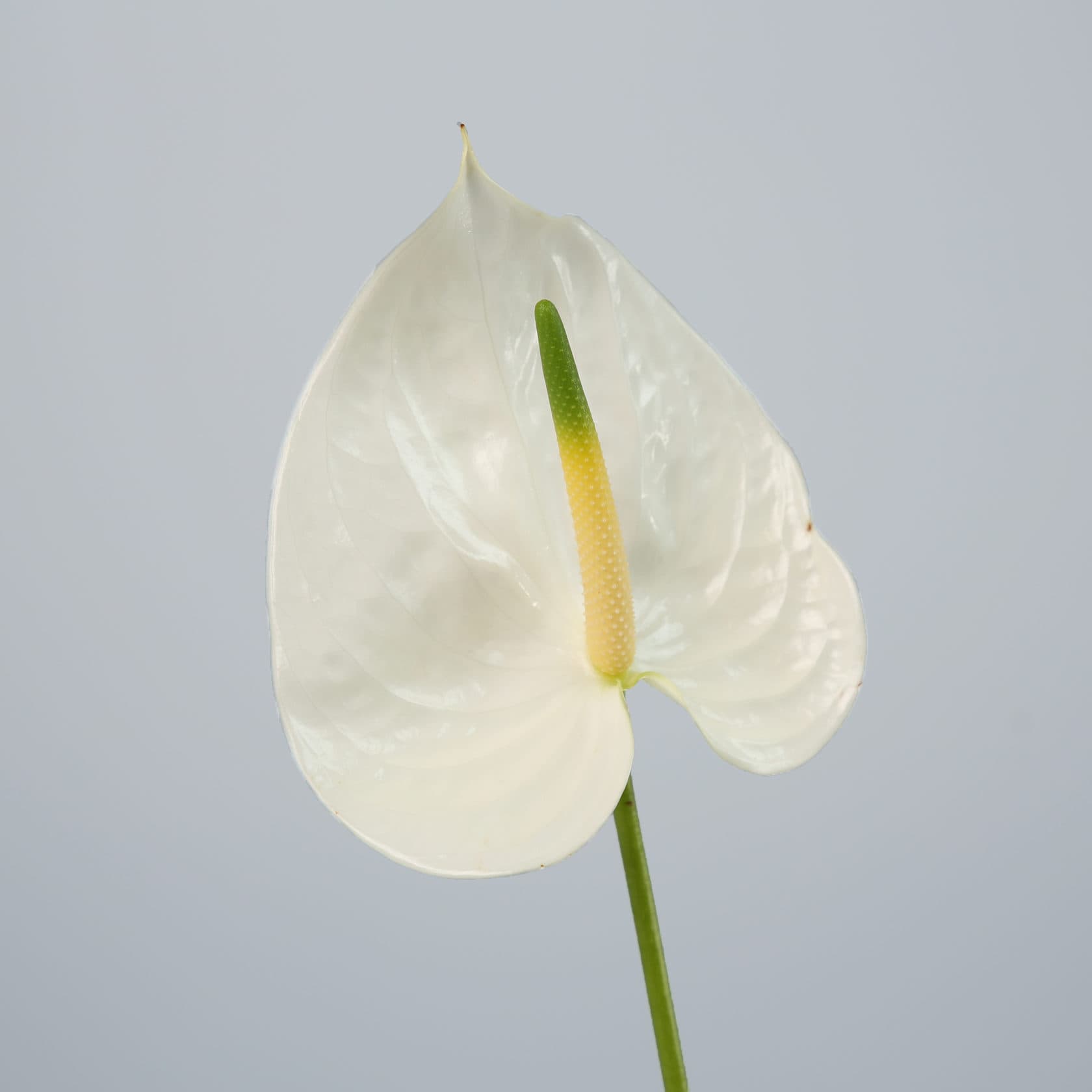
Good substitutes for Monstera Leaf include Areca palm frond, Anthurium, Dicranopteris fern. Match on look, colour and season — our substitute finder ranks the closest alternatives.
What does Monstera Leaf symbolise?
Monstera Leaf is associated with longevity, abundance, endurance, respect.
How do you care for cut Monstera Leaf?
Rinse both sides of the leaf and wipe off dust
Related flowers



Free to quote and cite with attribution and a link back, for non-commercial and editorial use (blogs, journalism, classrooms, research).
Lacy Bird Flower Encyclopedia — “Monstera Leaf”. https://lacybird.com/flowers/monstera-leaf/<a href="https://lacybird.com/flowers/monstera-leaf/">Lacy Bird Flower Encyclopedia — Monstera Leaf</a>