Flower Pressing: Book, Iron or Microwave — What Works for Which Flower
How to press flowers three ways — the classic book press (2-4 weeks), the iron shortcut, and the microwave press — plus which flowers press best and how to frame them.
Pressing is floristry's memory trade — the only branch of the craft whose product is meant to outlive the person who made it. Herbarium sheets from the 1700s still hold their colour in university archives, made with nothing but paper and patience. The technology has gained exactly two shortcuts since. Here are all three methods, and the honest map of what presses and what refuses.
What pressing actually asks of a flower
A press removes water while holding the flower flat — so success is decided by geometry and moisture before technique enters. The ideal candidate is thin, open-faced and freshly picked at its peak: not dewy (surface water breeds mould in the press), not past it (flaws amplify when flattened).
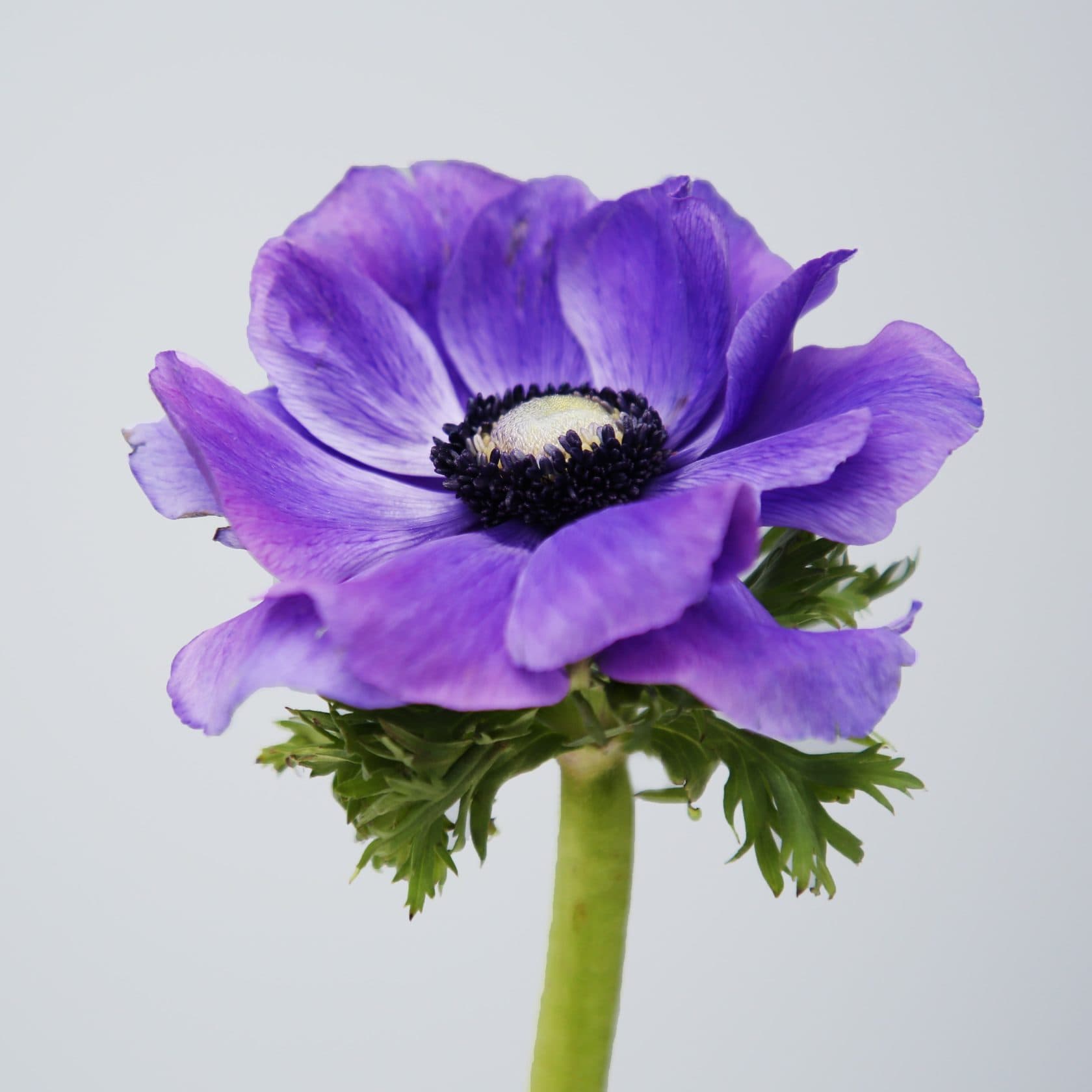
The naturals: pansies and violas (the classics for a reason), cosmos, anemones, buttercups, larkspur and delphinium florets, daisies, poppies (pressed the day they open), hydrangea florets taken individually — plus ferns, grasses and nearly all foliage.
The disassembly cases: roses, peonies, ranunculus, carnations — too thick to press whole. The professional move: strip and press the petals separately, then rebuild the flower flat in the frame. A reconstructed pressed rose reads more beautiful than a squashed whole one every single time.
Method one: the book (the gold standard)
Between two sheets of absorbent paper — printer paper or coffee filters; kitchen towel embosses its texture into the petals — inside a heavy book, under another 10-15 kg of books. Face-down, petals arranged the way you want them remembered, because how they enter is how they exit. Change the paper after the first week (the single most-skipped step and the main cause of browning), and give it two to four weeks total.
The book wins on colour: slow drying at room temperature keeps pigments truest. It loses on patience, and on the classic failure mode — peeking at day five and tearing a half-dried petal.
Methods two and three: the shortcuts
The iron. Flower in its paper sandwich, dry iron (no steam!) on low, pressed in 10-15 second passes with cooling breaks until the paper stops feeling damp. Same-day result, small cost in colour subtlety. Good for foliage and sturdy faces; harsh on delicate pastels.
The microwave. The modern press: flower sandwiched in paper between two ceramic tiles rubber-banded together (or a purpose-made microwave press), 30-second bursts on medium power with pauses, usually two to four rounds. Minutes instead of weeks, and the best of the fast methods for slightly thicker material — the moisture leaves before the flower can brown.
Rule of thumb from our teaching kitchen: book for keepsakes, microwave for projects, iron for foliage. And whichever route: the pressed flower must come out papery-crisp; anything leathery goes back for another round, or it will brown in the frame.
From pressing to keeping
Pressed material is 90% of the way to the three crafts it feeds:
Framed botanicals. Float-mounted between two panes, or laid on cotton paper with a formal label — the herbarium look that has quietly become interior fashion. Tweezers and a dot of PVA or a glue pen; never tape.
The keepsake bouquet. Choose the best faces from a wedding or anniversary bouquet on day two — before any browning — press them, and rebuild the composition flat in a deep frame. The most affordable branch of bouquet preservation, and the only one you can do entirely at home.
Cards, phone cases, resin. The craft-fair economy runs on pressed pansies. If the destination is resin, press extra-dry: any residual moisture clouds the pour.
Keep every finished piece out of direct sun. Colour holds for years in shade and months in a sunny window — blues and purples are the marathon runners, reds shift toward wine, whites toward parchment. UV-filtering glass roughly doubles whatever lifespan the placement allows.
The five-minute start
Tonight's version, no purchases required: two sheets of printer paper, the heaviest book in the house, and whatever is in the vase — worked example, one flower from a bouquet you'd like to remember. Face-down, petals arranged, weight on top, calendar reminder for the paper change, second reminder three weeks out. That's the entire craft at entry level. Everything after — the microwave press, the float frames, the reconstructed roses — is just impatience and ambition, the two forces that built every branch of floristry worth having.