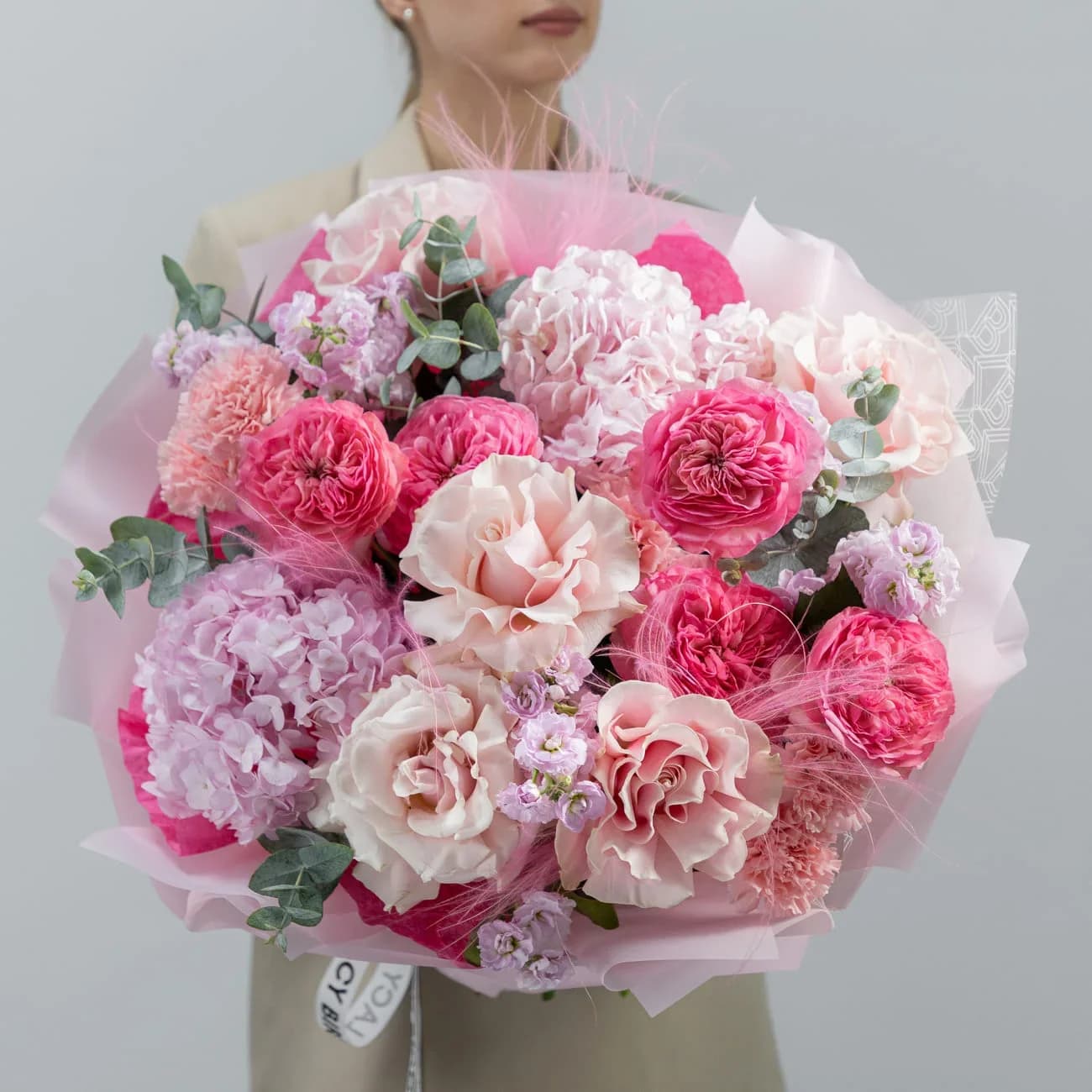
How to Preserve Your Wedding Bouquet — every working method
Air-drying, silica gel, resin embedding, freeze-drying, pressing — how each method actually works, what it costs, and which flowers survive each process. From working florists.
Your wedding bouquet, if you're lucky, was the single most considered object in the room. Then the day ends, the reception clears out, and it sits on a hotel counter looking exhausted. Twenty-four hours later you're going to make a call: hand it to a preservation studio, do it yourself, or let it go.
This guide covers every real preservation method, honestly compared — what each one costs, how each actually works, which flowers survive each process, and what the finished object looks like a year later. We wrote it after preserving hundreds of our own studio's wedding bouquets and helping brides plan for preservation from the design stage.
The window — start with 24-72 hours
Whatever method you choose, the countdown starts the moment the ceremony ends.
- 0-24 hours: flowers are still fresh. All methods are open.
- 24-72 hours: most methods still work but colours have shifted. Immediate cold storage (refrigerator, kept in shallow water) buys the most time.
- 72+ hours: professional freeze-drying is still viable; other methods will give visibly aged results.
If you know from the planning stage you want to preserve the bouquet, tell your florist. They can choose flowers that hold up better and mount the bouquet with an internal armature that won't collapse during the process.
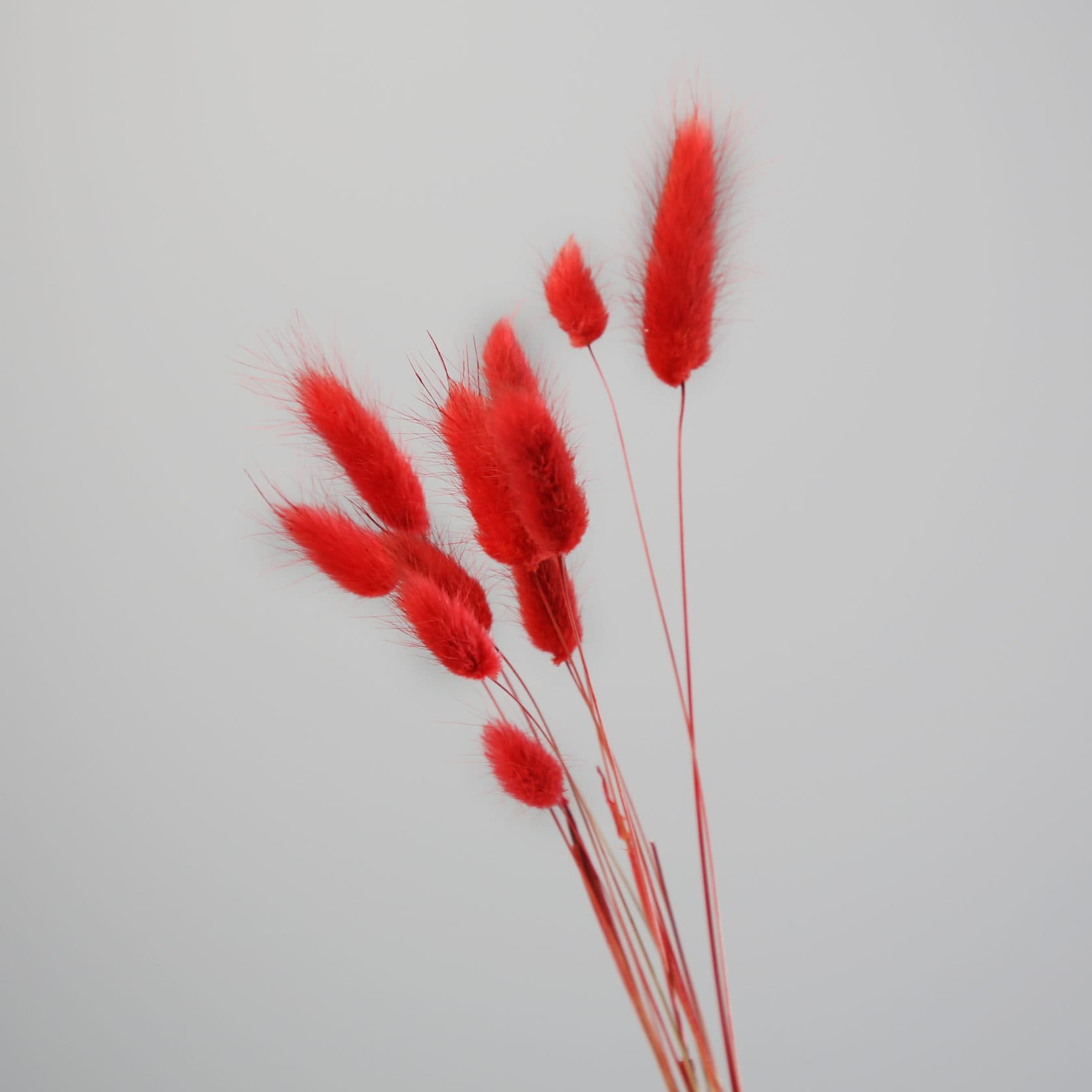
Method 1 — Air-drying (traditional, DIY, cheapest)
The oldest method. Hang the bouquet upside-down in a dark, dry, warm space (attic, closet, dry cellar) for 2-4 weeks. Colour deepens and mutes; volume shrinks by 20-40%.
What survives well: roses, lavender, statice, gypsophila, waxflower, craspedia, strawflower, wheat, seed heads, most eucalyptus.
What fails: peonies (petals fall), most tulips (colour dies), lilies (structure collapses), hydrangea (crisps to dust unless dried in-place slowly).
Cost: free.
Time: 2-4 weeks.
Finished look: deep, muted colour. Vintage/rustic aesthetic. Best displayed in a shadow box or hung as-is on a wall.
Failure modes: mould if the room is humid; colour loss if any light reaches it during drying; petals crumble years later without sealer.
Method 2 — Silica gel drying (DIY, medium effort)
Silica gel granules absorb moisture from the flower while it holds its shape. Bury the flowers in a sealed container of silica, wait 5-10 days, extract. Better colour and shape retention than air-drying.
What survives well: roses, ranunculus, most daisies and asters, zinnias, chrysanthemums, small orchids, small dahlias.
What fails: anything very fleshy (peonies mostly, hydrangea partially), delicate anemones, tulips.
Cost: ~$30-50 for silica gel + airtight container. Reusable indefinitely.
Time: 5-10 days per batch.
Finished look: near-fresh shape and colour, slightly muted. Excellent for shadow boxes and small displays.
Failure modes: flowers left too long become brittle; humidity during storage causes gradual collapse. Seal finished flowers with matte fixative.
Method 3 — Pressing (traditional, DIY)
Press flowers between absorbent paper under heavy weight for 2-3 weeks. Result: flat, two-dimensional preserved flower suitable for framing, book pressing, or resin work.
What survives well: roses (if de-petalled first), pansies, violas, ferns, small daisies, small orchids, statice, most greenery.
What fails: any flower with substantial 3D structure (peonies, tulips, carnations, gardenias).
Cost: $15-30 for a proper flower press, or free with heavy books.
Time: 2-3 weeks.
Finished look: flat, delicate, watercolour-adjacent. Best suited for framed art, journal decoration, or resin embedding.
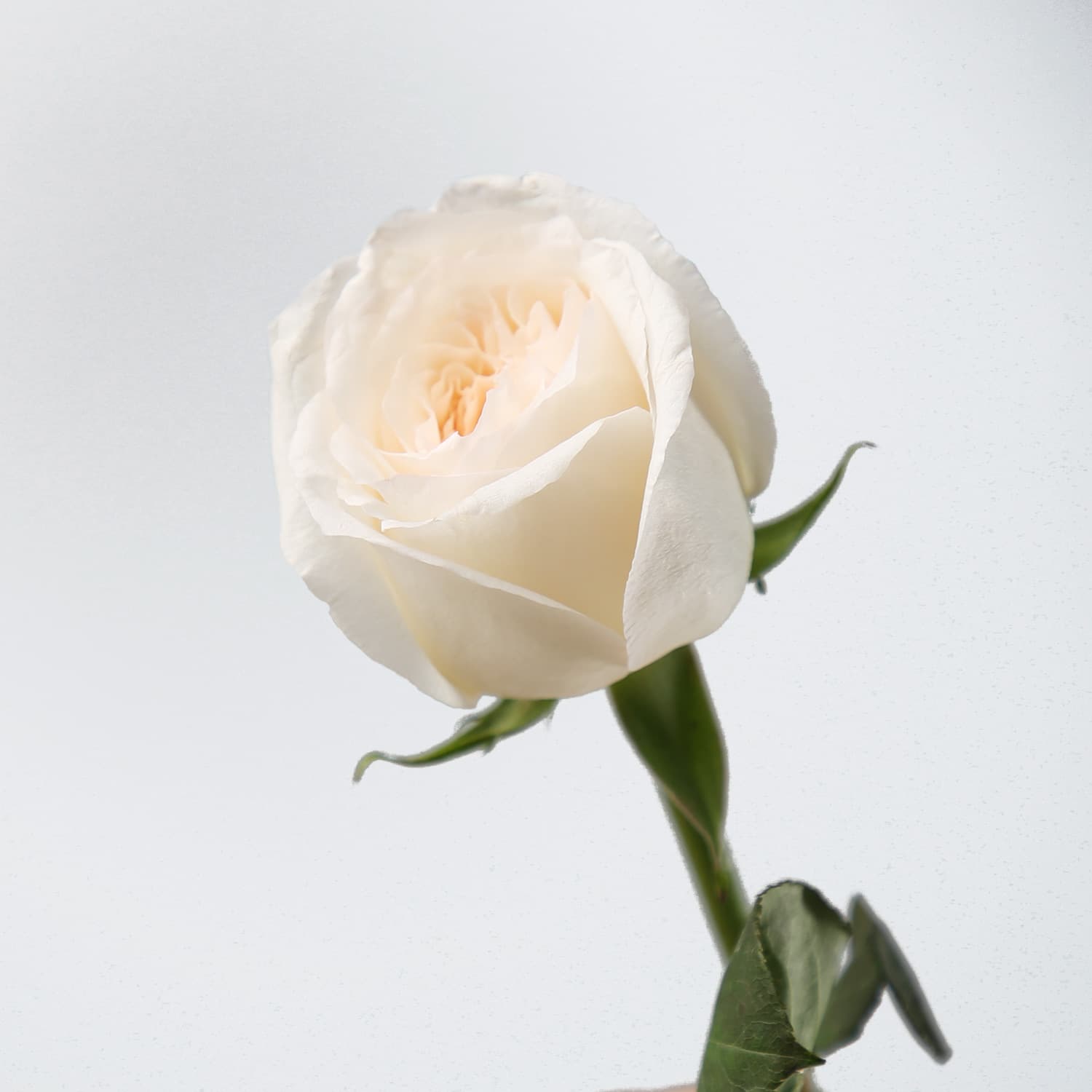
Method 4 — Resin embedding (DIY-mid or professional)
Cast preserved flowers (usually silica-dried or pressed first) into clear epoxy resin. Result: paperweight, coaster, block, pendant, ring holder — the flower is permanently protected and displayed in 3D.
What survives well: anything already properly dried by silica. Fresh flowers cannot be embedded — moisture ruins the resin.
Cost: DIY $50-100 for beginner kit; professional embedding $150-500+ depending on size and shape.
Time: flower must be pre-dried (see silica), then 24-72 hours for resin curing.
Finished look: photorealistic 3D preserved flower encased in crystal-clear resin. The single most durable preservation format — protected from light degradation, moisture, dust, insects.
Failure modes: trapped air bubbles (rushed pouring), yellowing resin over years (cheap epoxy vs UV-stabilised), incompletely dried flowers (moisture makes the flower brown inside the resin).
Method 5 — Freeze-drying (professional only)
Industrial process: flower is frozen, then a vacuum chamber sublimates the ice directly to vapour without going through liquid water. Result: the flower retains its exact fresh shape, size, and near-original colour.
What survives well: almost everything. Peonies, hydrangea, garden roses, tulips, orchids, dahlias — all preserve beautifully.
Cost: $250-800 for a full bouquet through a professional service. Higher for large or complex arrangements.
Time: 4-8 weeks turnaround from ship-in to return.
Finished look: essentially indistinguishable from fresh at first glance. The finest possible preservation quality.
Failure modes: none if done by a reputable service. Beware DIY-machine home freeze-driers being marketed for flowers — they don't handle the moisture volume of a bouquet.
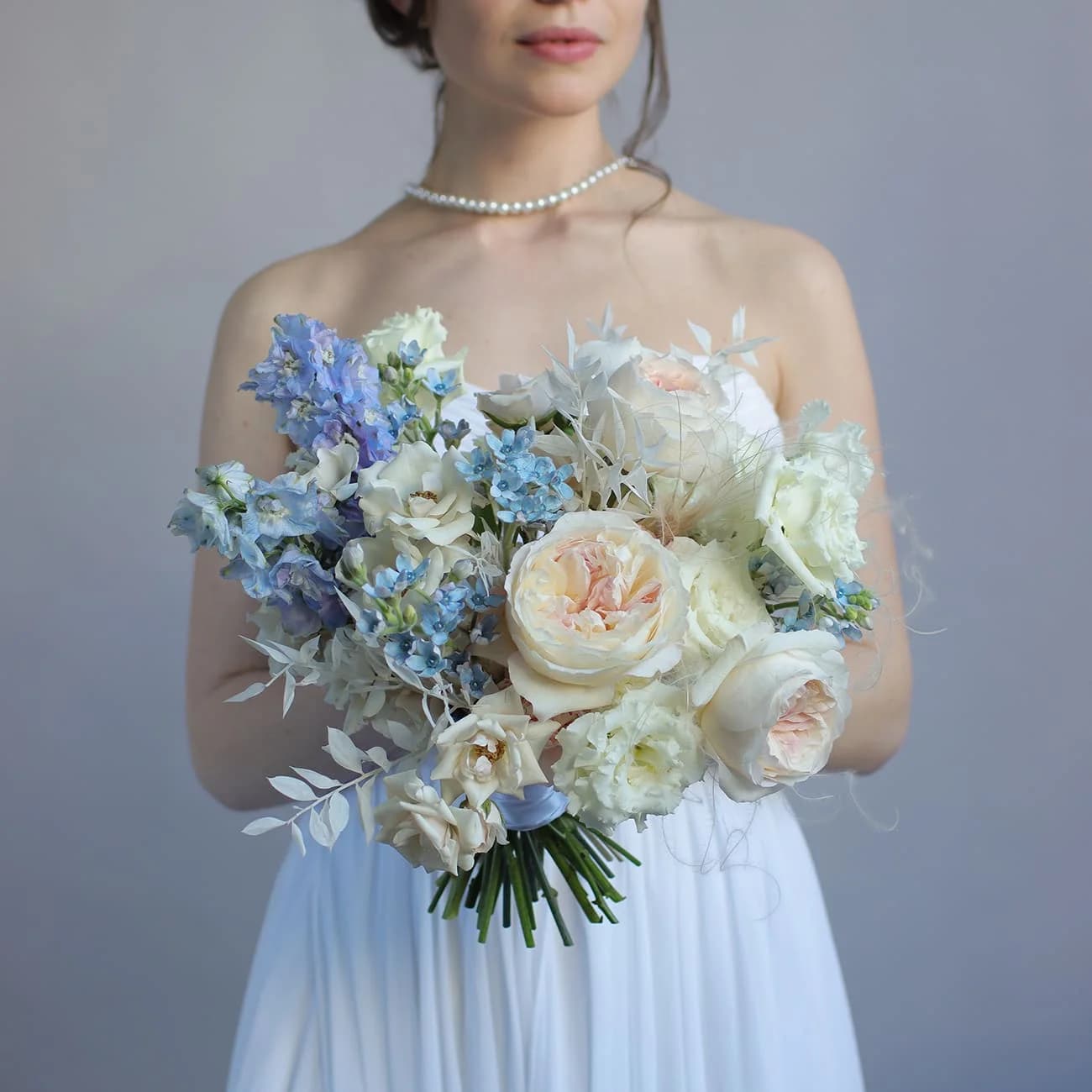
Comparison — which to choose
| Method | Cost | Effort | Quality | Best for |
|---|---|---|---|---|
| Air-drying | Free | Low | Rustic | Roses, lavender, greenery |
| Silica | $30-50 | Medium | Good | Ranunculus, chrysanthemum |
| Pressing | $15-30 | Low | Flat art | Framed art, journal |
| Resin | $50-500 | High | Excellent | Permanent display |
| Freeze-drying | $250-800 | None (professional) | Best | Peonies, garden roses, whole bouquets |
What we do for our own brides
At Lacy Bird, when a bride tells us at the planning stage she wants to preserve her bouquet, we do three things:
- Choose flowers that preserve well — we bias toward roses, ranunculus, lisianthus, waxflower, craspedia, and away from peonies unless she specifically wants freeze-drying.
- Build with an internal armature — a small wire cage inside the bouquet that lets it hold shape after drying, rather than collapsing.
- Send it to a trusted preservation studio the day after the wedding — we've built relationships with two studios we recommend, one for freeze-drying, one for pressed-in-resin.
The finished piece typically arrives back 4-8 weeks after the wedding and lasts decades if kept out of direct sunlight.
Cost planning by budget tier
- $0-30: DIY air-drying or pressing. Suitable if your bouquet has roses, lavender, greenery. Charming but rustic.
- $50-100: Silica gel drying + a shadow box frame. Middle-ground option with good quality.
- $150-500: DIY resin blocks OR professional silica + framing.
- $300-800: Professional freeze-drying + framed display. The gold standard.
The one thing every method requires
Whatever method you choose: decide before the wedding day. Tell your florist. Have the plan and the shipping/storage arrangements already in place. Ninety percent of preservation failures are because someone was still figuring out what to do 72 hours after the ceremony, by which point the flowers had aged past their best.
Related reading:
- Wedding bouquets — the complete modern guide
- How to keep flowers fresh — the practical guide
- Flower Encyclopedia — vase life and structure notes on every flower in your bouquet