Día de Muertos Flowers: Cempasúchil, the Ofrenda, and What Each Bloom Means
The flowers of Day of the Dead explained — why cempasúchil marigolds guide the souls, what terciopelo and white blooms mean on the altar, and how to build a respectful ofrenda.
Once a year, in the last days of October, Mexico turns orange. Truckloads of cempasúchil roll into the markets, petals carpet the cemeteries, and the smell — bitter, green, unmistakable — becomes the smell of memory itself. Día de Muertos is the most flower-intensive holiday on the planet, and every bloom on the altar has a job. Here is the botany of it, told with the respect the tradition deserves.
Cempasúchil: the twenty-petaled flower
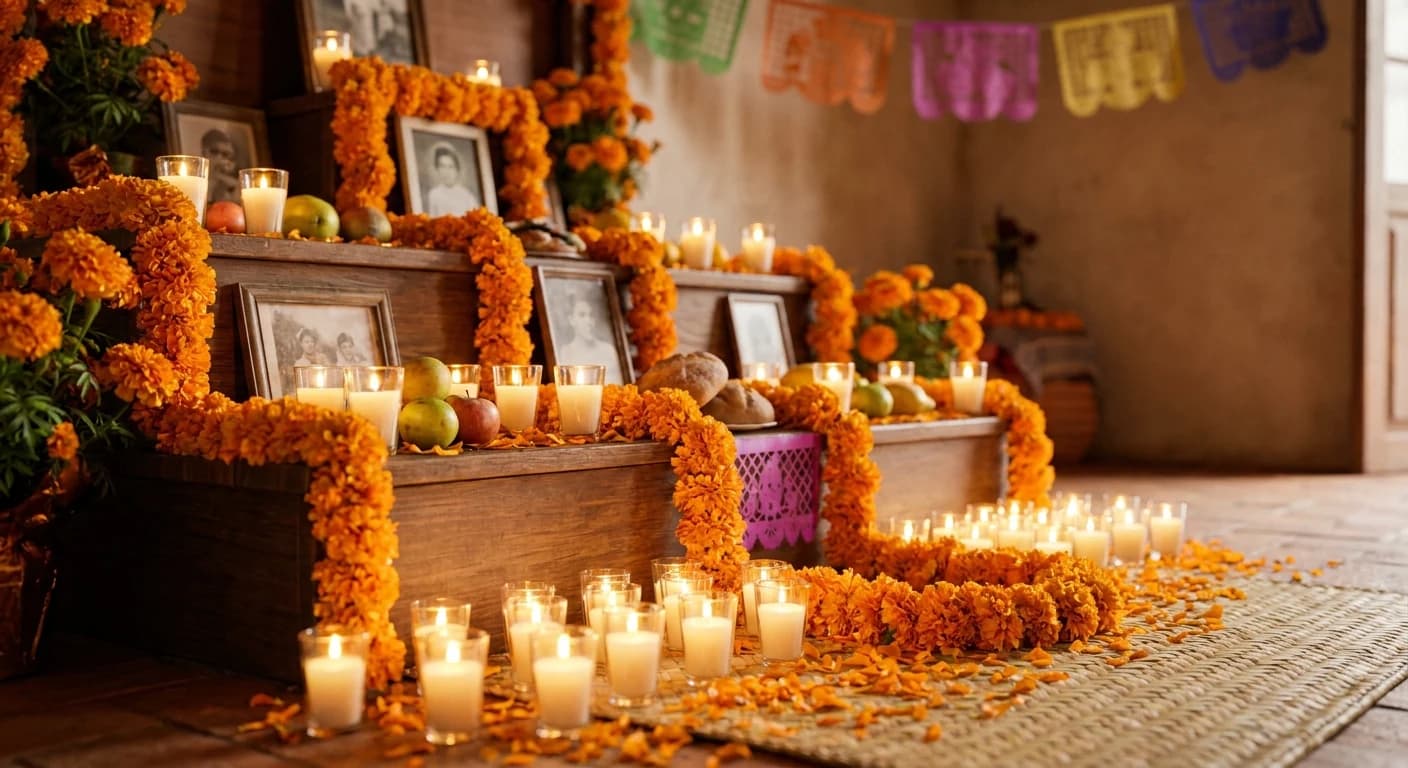
The flower that carries the holiday is Tagetes erecta, the Mexican marigold — cempasúchil, from the Nahuatl cempohualxochitl, "twenty-petaled flower". It is native to Mexico and was sacred to the Mexica long before the holiday took its present form: a flower of the sun, grown for the dead for more than a thousand years.
Its two working properties are colour and scent. The saturated orange is held to be visible from the world of the dead, and the sharp fragrance marks the trail home. This is why cempasúchil is not simply displayed but deployed: petals scattered in a path from the street to the altar, garlands arching over the ofrenda's tiers, whole blooms massed at the cemetery so the grave glows.
The supporting cast, and what each flower says
Cempasúchil leads, but a full ofrenda speaks several floral languages at once:
- Terciopelo (cockscomb, Celosia cristata). The velvet magenta crest that sits beside the marigolds on nearly every altar. Its colour carries mourning and love that persists — the emotional bass note under the orange.
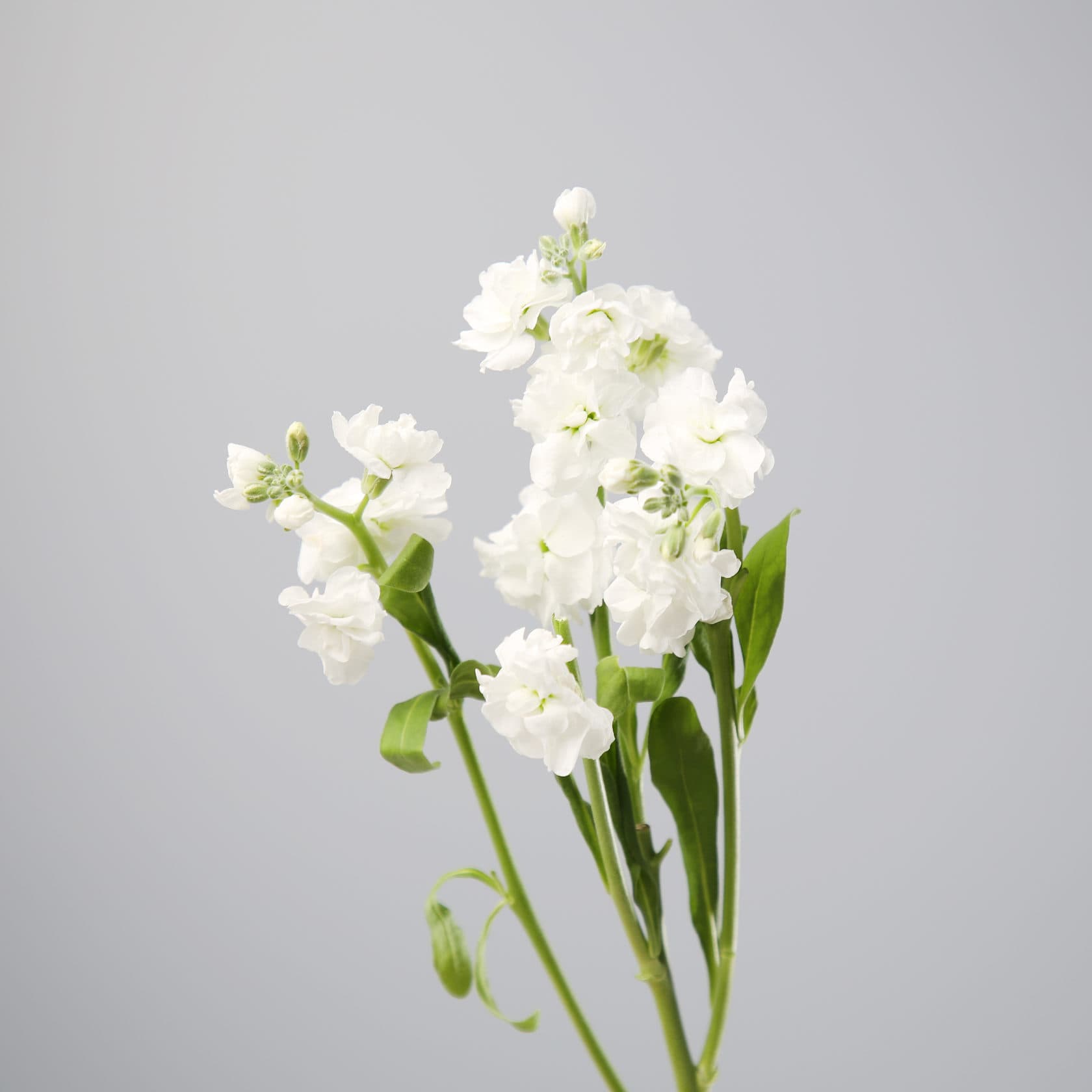
- White flowers — chrysanthemum, baby's breath, alhelí. Purity and tenderness. They dominate on November 1, the day of the angelitos, when families remember children who died; many altars for little ones are almost entirely white and pale pink.
- Gladioli. The vertical spears that stand at the graves themselves, often in deep reds and whites — dignity and strength of character.
- Nube (gypsophila). The cloud between everything, softening the saturated blocks of colour.
A florist's note on the palette: the ofrenda is one of the few floral traditions where maximum saturation is correct. The orange-magenta clash that would be a mistake in a wedding brief is exactly the point here — the altar is meant to be seen from another world.
How the flowers are actually used
Three mechanics, all of them centuries old and all of them still current:
The path (sendero de pétalos). Petals stripped from the blooms and laid in a line from the entrance to the altar — sometimes from the street corner, sometimes from the cemetery gate. It is renewed daily through the celebration; the path must smell fresh.
The garland and arch. Whole cempasúchil heads threaded or wired into thick ropes that frame the ofrenda's photograph tier, or bent over a cane frame into an arch — the doorway through which the soul enters. The mechanics are ordinary garland work (we cover them in our flower garlands guide); the density is not. A proper ofrenda garland is packed head-to-head, extravagant on purpose.
The graveside dressing. On the nights of November 1-2, families clean and decorate the graves — marigolds by the armful, gladioli in buckets, candles between them. In many towns the cemetery is the party.
Building a respectful ofrenda outside Mexico
Día de Muertos has travelled worldwide, and building an altar for a loved one is open to anyone who does it with sincerity rather than as costume. The floral minimum:
- Marigolds, fresh ones if you can get them. Florists can order Tagetes in late October; garden marigolds you grew yourself are fully in the spirit. Paper cempasúchil — a Mexican craft in its own right — is the honest substitute, not silk flowers pretending.
- A petal path, even a symbolic metre of it, from the door toward the photos.
- Water, salt, bread, and the person's favourite things — the flowers frame the offering; they are not the whole of it.
- White for children, if the altar remembers a child.
What to avoid: skull-and-marigold decor with no names and no photos (that is a theme party, not an ofrenda), and cempasúchil at ordinary funerals — for a loss outside the season, the register is white, as we cover in the funeral flowers guide.
The seasonality is the meaning
You cannot buy fresh cempasúchil in April, and that is not a supply problem — it is the point. The flower blooms as the fields dry and the year turns; its arrival is the calendar telling Mexico the dead are coming to visit. Farmers plant in June to cut in late October; families buy in the last week, never earlier, because the blooms must live through the second of November.
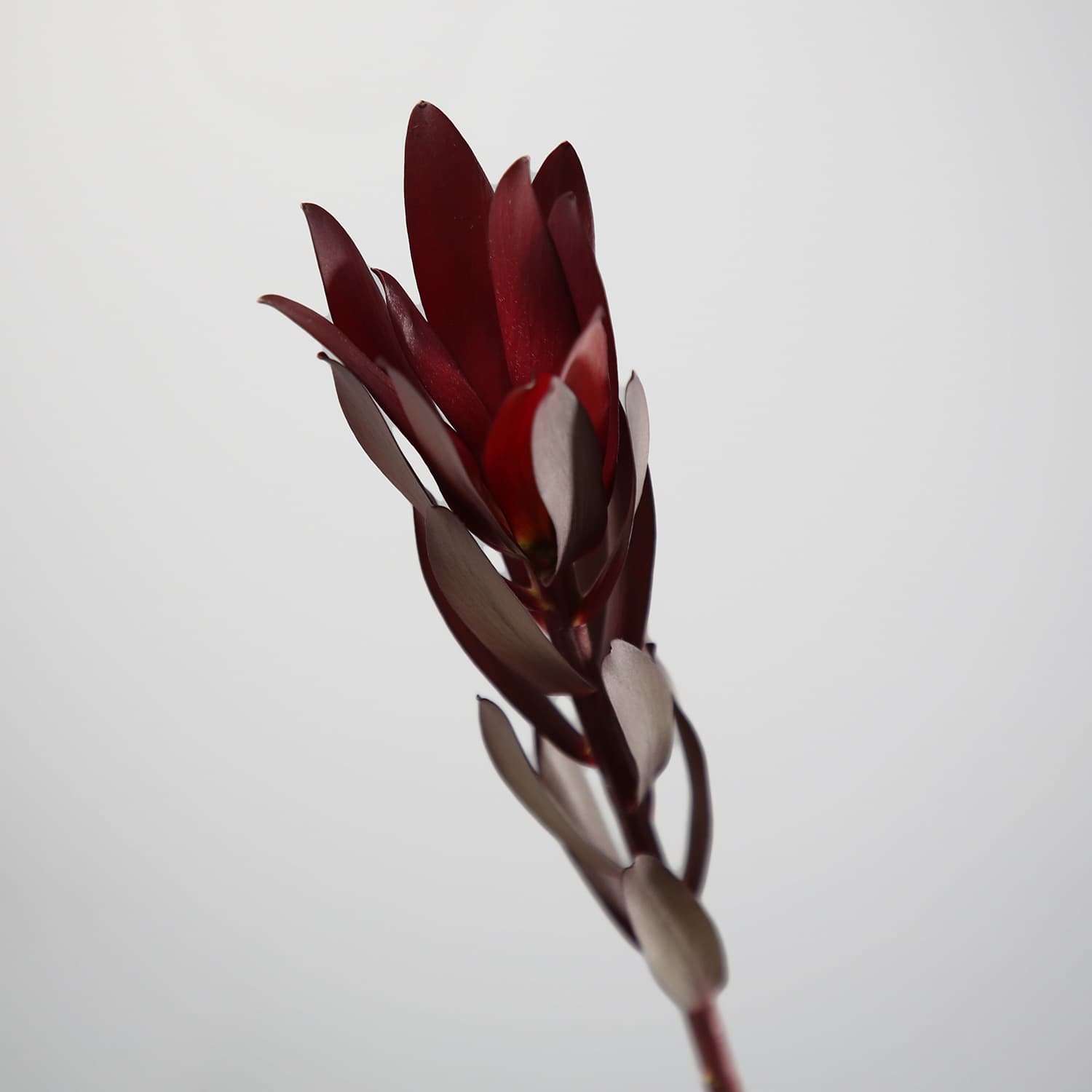
For florists elsewhere, that means one practical rule: take Día de Muertos orders in September, source Tagetes (or its flame-toned stand-ins — leucadendron, orange celosia, safflower) in mid-October, and never promise marigolds in the wrong season. Some flowers can be flown in from anywhere at any time. The whole meaning of this one is that it can't.