Flower Garlands: The Fish-Scale Technique, What Survives Without Water, and Costs
How florists build flower garlands — the layered bundle technique on twine or wire, which flowers last a full day dry, per-metre pricing, and where garlands beat every other format.
Long before floristry had shops it had garlands — flowers bound into rope to mark a door, an altar, a neck, a feast. Every culture keeps a version: the Indian jasmine mala, the Hawaiian lei, the Mexican cempasúchil arch, the eucalyptus swag running down a wedding table. The technique behind all of them is the same, it hasn't changed in centuries, and it remains the most demanding brief in floristry for one reason: there is no water.
The one constraint that designs everything
A garland works exposed from the moment it's hung. No vase, no foam, no reservoir — every stem is cut off from water and asked to look composed for eight to twelve hours. So the design conversation starts not with palette but with a blunt question: what survives?
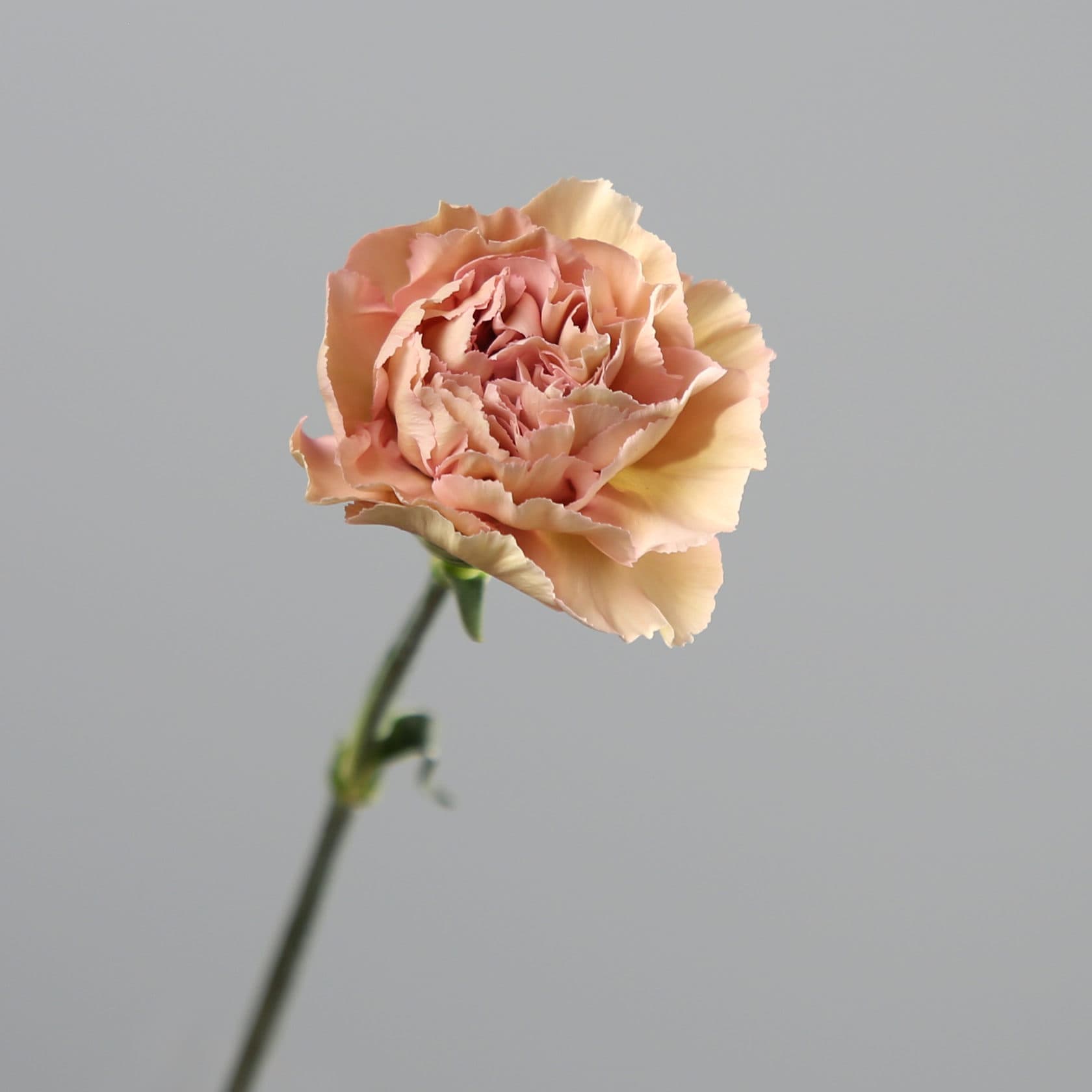
The endurance list: carnations (the format's quiet hero), chrysanthemums, statice, strawflower, gypsophila, celosia, solidago — and the woody foliages: eucalyptus, laurel, ruscus, olive, magnolia leaf.
The casualty list: garden roses, peonies, untreated hydrangea, anemones, sweet peas. If a client wants them in the garland anyway, each bloom goes into a hidden individual water tube tucked in the foliage — and the per-metre price knows about it.

The fish-scale technique, in one paragraph
Cut everything short — 10-15 cm. Make bundles of three to five stems. Bind the first bundle to the base — jute twine for draping garlands, heavy-gauge wire for ones that must hold a shape — with waxed thread or fine paddle wire, and don't cut the binding. Lay the next bundle over the first one's binding point, scales of a fish, facing the same direction, and bind again with the same running thread. Repeat, keeping the rhythm even — the rhythm is the craft. At the far end, bind one final bundle facing backwards, so the garland finishes in flowers instead of cut stems.
A practiced florist produces two to three metres of foliage garland per hour; threading flowers through halves that pace, which is exactly what the price per metre is buying. Wired versions of the same logic — scaled down to a single flower-to-flower rope — are covered in our floral tape and wire guide.
Where garlands beat every other format
The head table. A garland running the table's length replaces a row of centrepieces, costs comparably, blocks no sightlines, and photographs as one continuous gesture. The strongest trend in wedding tablescapes of the past decade, and it has not blinked.
The arch and the doorway. An arch is a garland bent over a frame. Density decides the register: airy foliage reads garden, packed head-to-head reads ceremony.
The staircase and mantel. Architecture that already has a line — garlands simply follow it. This is where hard-foliage versions shine, because they can hang for days.
The neck and the crown. The lei and the maile garland — floristry worn as honour. Carnations and orchids dominate here for the same survival reasons.
Fresh, dried, or destined to dry
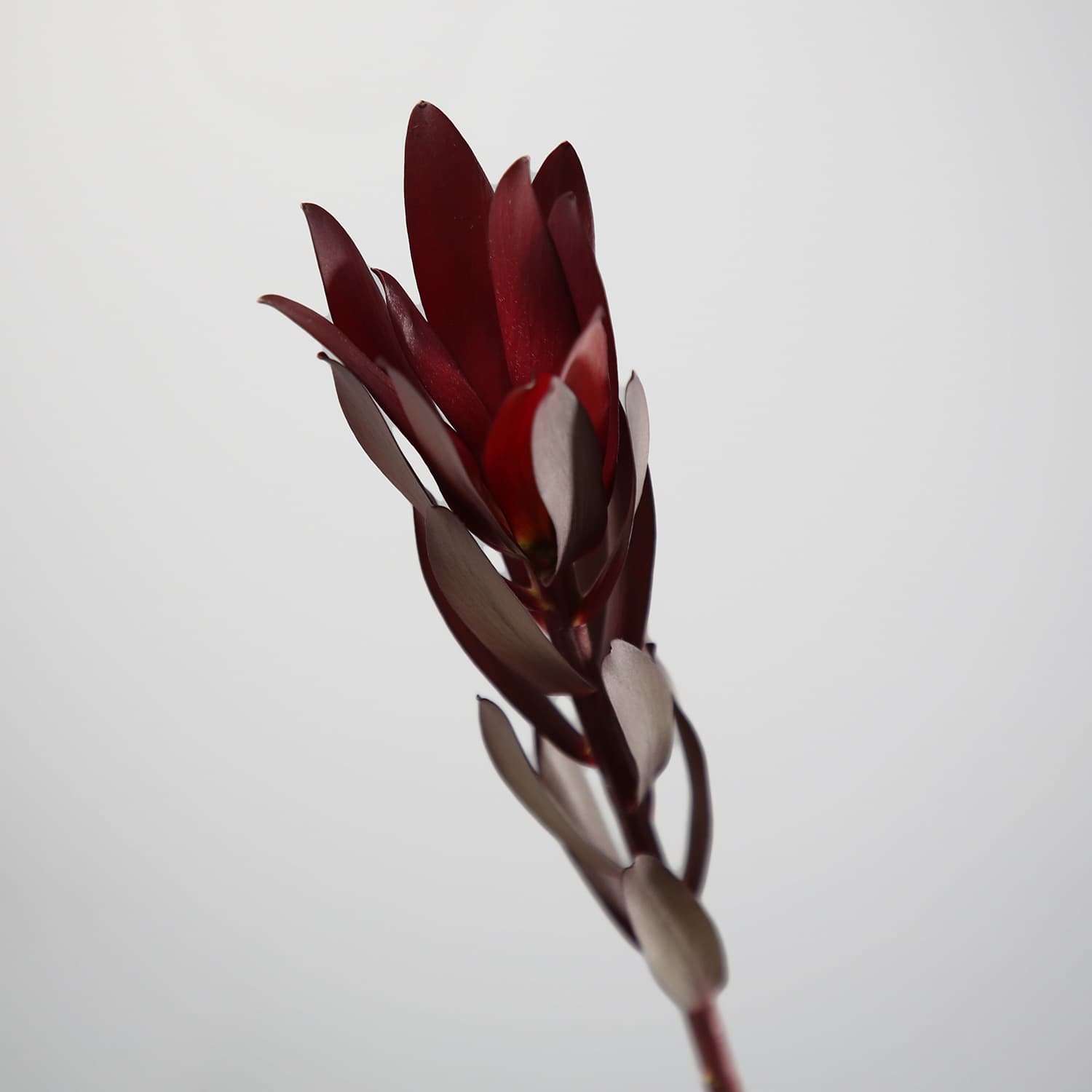
Garlands have a second life most clients never plan for and florists should always mention. Woody foliage — eucalyptus above all — dries hanging in place without losing its line. The garland that dressed a Saturday wedding can frame a doorway for months, silvering slowly and still faintly fragrant. Statice, strawflower and celosia dry with the same dignity.
So a garland brief worth its fee asks: does this piece end at midnight, or would you like it to keep going? If the answer is "keep going," the florist weights the recipe toward the driers — and the client walks away with the only wedding flowers that don't end up in a bin bag.
There's a cultural version of that continuity too: on Mexican ofrendas, cempasúchil garlands are rebuilt fresh each day of the celebration — the renewal is the point, as we cover in the Día de Muertos flowers guide.
Ordering one without surprises
Four numbers your florist needs: exact metres (measure the table or doorway with string — eyes always under-guess), hang location (outdoor August sun and air-conditioned ballroom are different recipes), hang time (garlands are hung the morning of; build the delivery window around that), and the after-plan (fresh-only, or weighted to dry in place). Per metre, expect $30-60 foliage, $60-120 flowered, $120-250 arch-dense.
And the closing argument, from a studio that builds them weekly: per metre of impact in the photographs, nothing at the event — not the centrepieces, not the bouquet — outworks a garland hung exactly where every eye is pointed.