Women's Day Flowers (March 8): Tulips, Mimosa, and How Half the World Celebrates
International Women's Day flowers explained — why tulips and mimosa own March 8, how the tradition works from Almaty to Milan, prices in peak week, and what to order when.
Ask a florist in Amsterdam what the year's biggest day is and you'll hear Valentine's or Mother's Day. Ask in Almaty, Warsaw, Tbilisi or Tashkent and the answer is unanimous and emphatic: March 8 — International Women's Day, the single largest flower event of the calendar across half of Eurasia, when entire cities move on tulips and men queue at flower stalls the way they queue nowhere else all year. Here is how the tradition works, and how to do it well wherever you are.
A holiday the tulip was born for
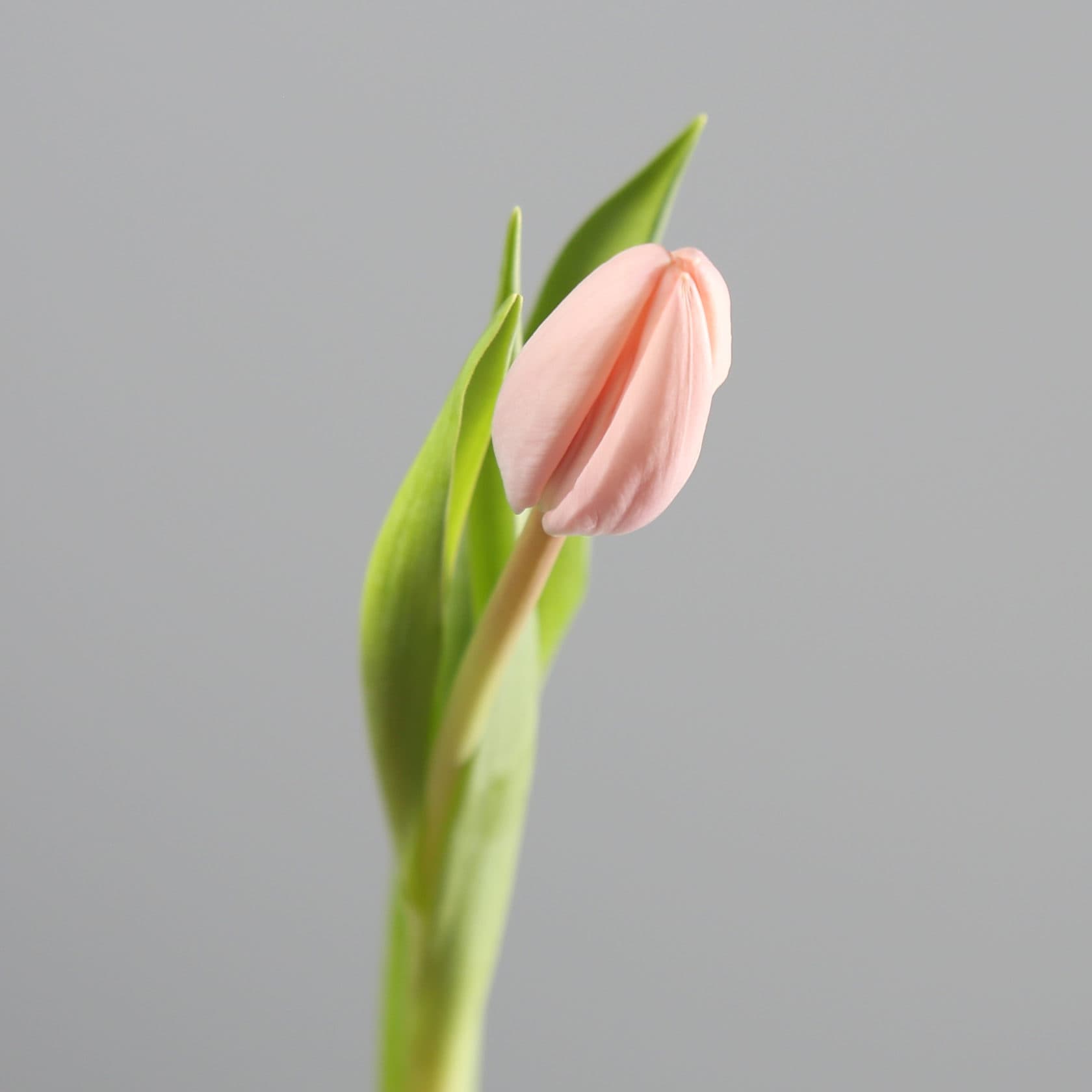
March 8 falls at the exact center of tulip season, and the match made the symbol: spring's first affordable abundance for a holiday about brightness after winter. In Kazakhstan the connection runs deeper than commerce — the tulip is a native steppe flower, wild species still bloom in the foothills each spring, and giving tulips on March 8 is giving the local spring itself.
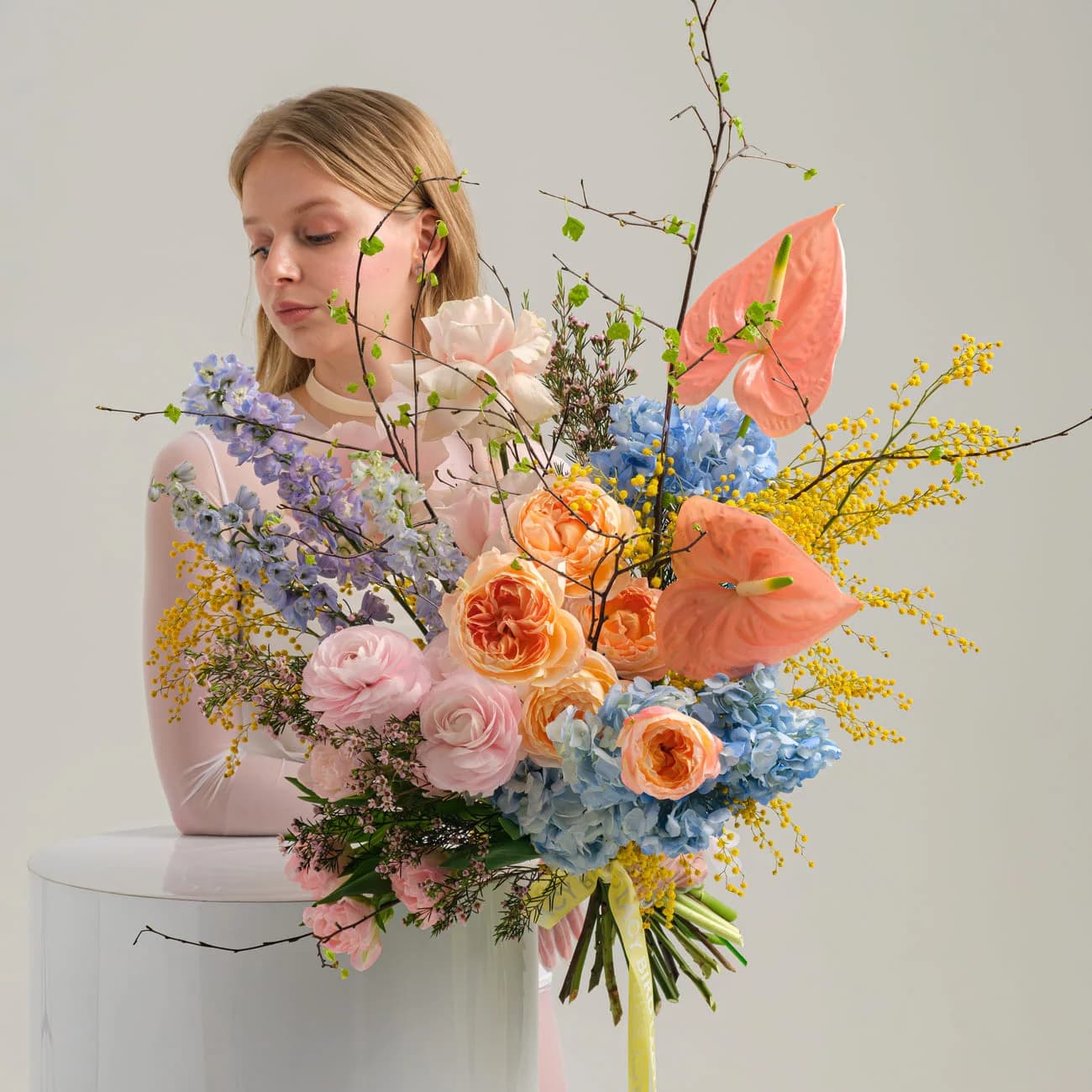
The supporting spring cast: daffodils, hyacinths (one stem perfumes a room), freesia, early ranunculus, and pussy willow branches for texture. Mimosa is the Mediterranean dialect — Italy adopted the fluffy yellow sprigs as the festa della donna's official flower in 1946, and a paper cone of mimosa remains the most Italian gesture in all of floristry.
The register: respect, not romance
The single most important thing to understand — especially for anyone meeting the holiday from Valentine-shaped cultures: March 8 is not a romantic occasion. It is a universal one. Flowers go to mothers and grandmothers first, then colleagues, teachers, daughters, neighbours, friends — and yes, partners, but a bouquet for your dentist on March 8 raises zero eyebrows anywhere the holiday is native.
That changes the buying grammar:
- Bright and springlike beats deep and smouldering. Save the burgundy velvet for anniversaries; March 8 wants yellow, pink, lilac, orange — the palette of a season turning.
- Many small beats one grand. The day's characteristic purchase is several bouquets — five tulips each for four women of the family — not one statement piece.
- Odd numbers in post-Soviet markets: 5, 7, 15, 25. Even counts are for mourning, and every flower seller from Minsk to Bishkek will silently correct you.
The office question, answered once
Every March, team leads everywhere ask the same thing. The rule the tradition itself enforces: flowers for every woman on the team, or for none. The day is collective by design — singling out is worse than skipping. The standard corporate formats: identical small bouquets (three to five tulips each, handed personally — the handing matters), or one generous arrangement for the shared space plus something sweet. Budget reality: $8-15 per person for the small-bouquet route, and order the batch by March 3 — studios assemble corporate orders overnight in peak week and the calendar fills fast.
Peak-week economics (or: why March 5 matters)
In its core markets, March 8 compresses a month of revenue into four days. Practical consequences for the buyer:
- Prices rise 50-150% across the final three days — not studio greed but auction reality; wholesale tulip prices spike continent-wide.
- Varieties sell out — peony-flowered and fringed tulips go first, then anything lilac.
- Delivery windows vanish. The 8th itself is hand-delivery territory; couriers are booked out.
The professional's calendar: order by March 5, deliver the 7th or the morning of the 8th. Evening-of-the-7th delivery is fully traditional (the flowers greet her in the morning) and costs less stress on every side.
Beyond the tulip: upgrades that keep the spirit
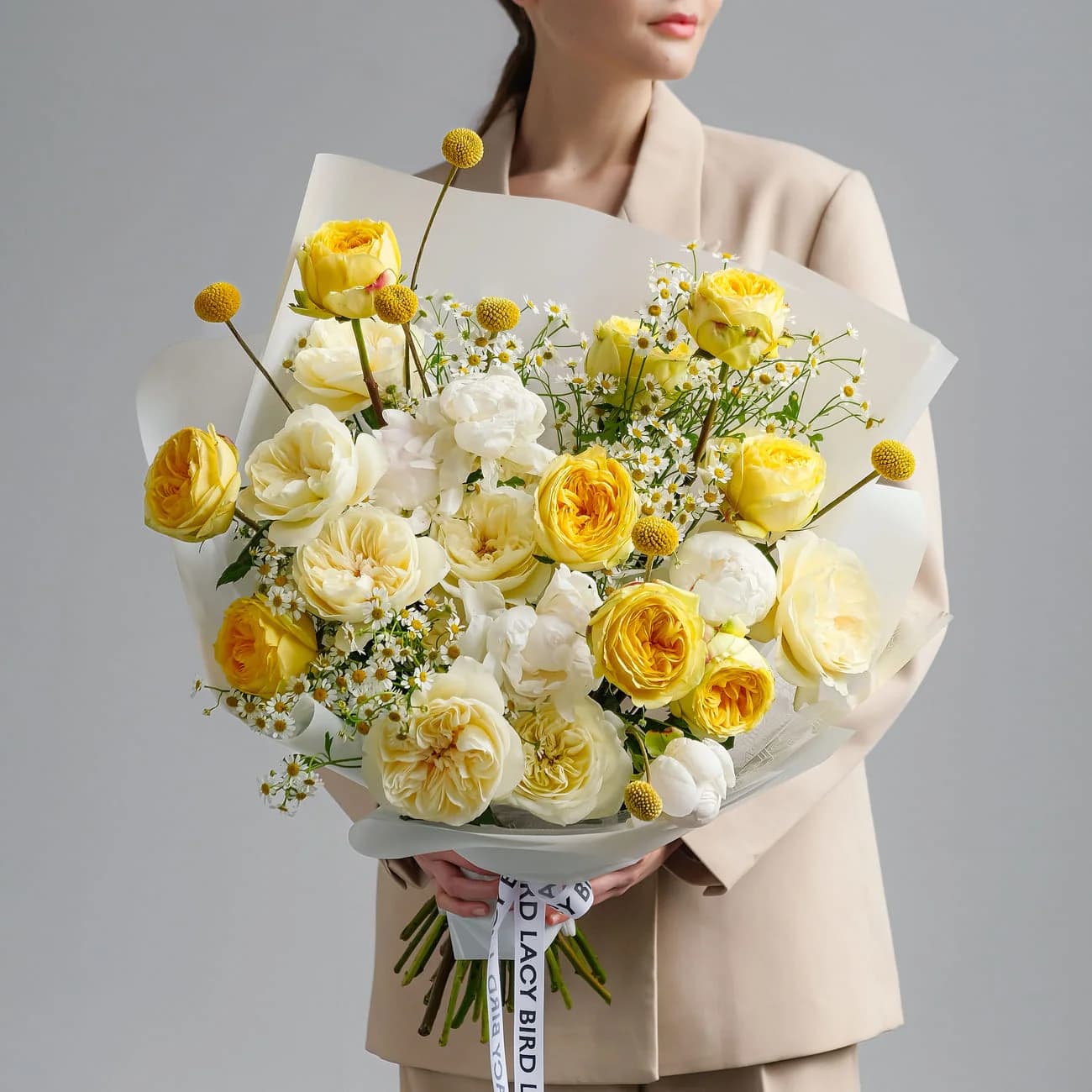
For the women you'd like to move beyond the standard: hyacinths in bulb (the gift keeps opening for weeks and perfumes the whole kitchen), a spring box — tulips, daffodils and pussy willow set in a box that needs no vase at the office — or an armful upgrade: twenty-five tulips wrapped simply, which lands with more warmth than a dozen roses at twice the price. The one direction not to upgrade: formality. A March 8 bouquet in stiff cellophane with a bow reads like a business card; the holiday's whole charm is spring handed over loosely, slightly windblown, by someone who queued for it.
However you mark it — and wherever between Milan's mimosa and Almaty's tulip rows you find yourself — the underlying instruction set is one line long: every woman who matters to you, something bright, before the 8th. The rest is wrapping.