Flower Subscriptions: How They Work, What They Cost, and How Studios Run Them
Flower subscription explained from both sides of the counter — weekly vs biweekly tiers, honest pricing, what good studios deliver, and the unit economics for florists.
Floristry's oldest business problem is that demand arrives in spikes — Valentine's, Mother's Day, weddings — while flowers arrive weekly and die daily. The subscription is the trade's quiet answer: turn the romantic impulse into a rhythm, and half the waste in the supply chain disappears. Here is how it works from both sides of the counter.
What a subscription actually is
Standing delivery at a committed price: weekly, biweekly or monthly, a seasonal arrangement composed by the studio without the subscriber choosing each time. That last clause is the point, not a limitation — you are buying the florist's eye on the season, the way a farm box buys the farmer's. The recipe changes with what the market is best at this week; the standard doesn't.
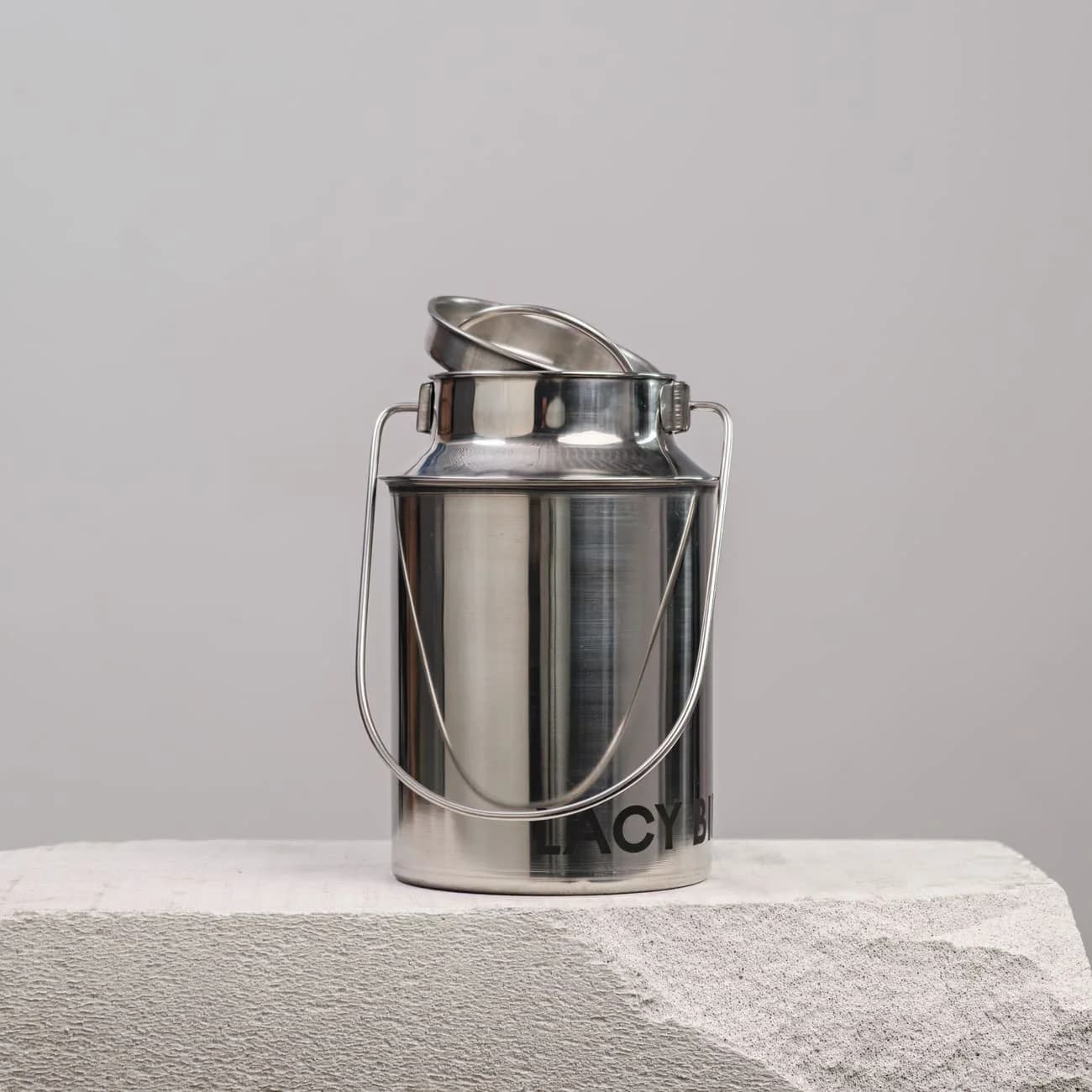
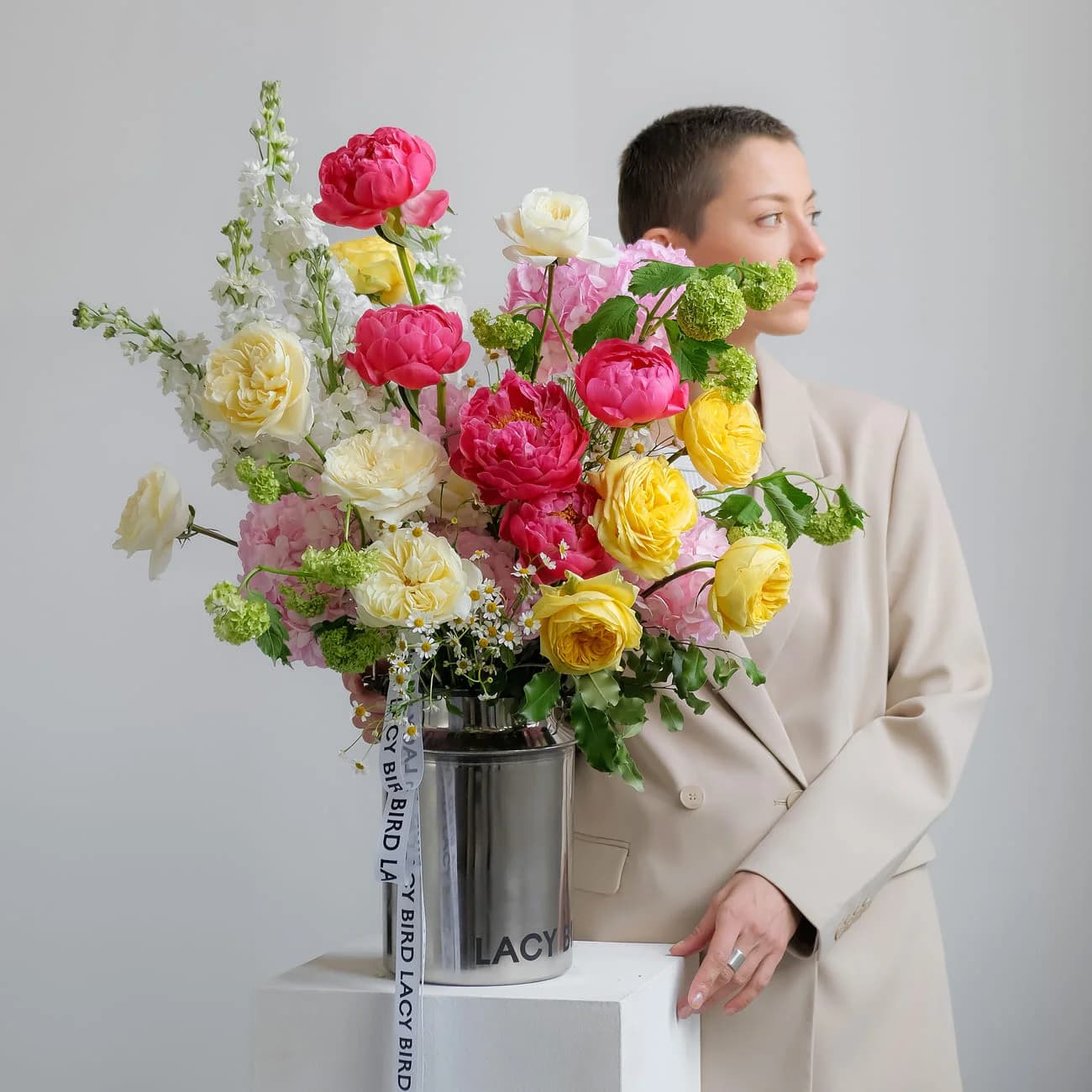
The formats that work best are the ones that ask nothing of the recipient: vase-ready arrangements, or our own favourite — composed straight into a vessel that travels with the flowers.
What it costs, and why subscribers pay less
Honest market numbers for studio-grade programs:
- Personal, $40-80 per delivery. A generous seasonal bouquet or small arrangement — the "flowers in the kitchen, always" tier.
- Statement, $80-150. The dining-table or entry-console piece.
- Corporate and hospitality, from $150 per visit. Reception desks, restaurants, salons, hotel lobbies — usually weekly, on contract, with vase service included.
Subscribers pay 10-20% under one-off pricing for the same value, and the discount is not marketing generosity — it's shared efficiency. Committed volume lets the studio order exact stems days in advance: nothing bought speculatively, nothing dying in the cooler, better wholesale terms on predictable quantities. Some of that saving funds the discount; the rest is the healthiest margin in the shop.
There's a freshness dividend too, and it's the best-kept secret of the model: subscription flowers are often fresher than walk-in flowers, because they were bought for you, this week, not for whoever might come in.
What separates a good program from a churn machine
Four features to check before subscribing (or to build, if the studio is yours):
- A variety guarantee. No repeated recipe two deliveries running, stated plainly. Boredom, not price, is why subscribers quit.
- Frictionless pause and skip. Holidays happen. One message, no penalty — the subscriber who can leave easily stays longest.
- A gift valve. "Send this week's delivery to my mother instead" converts a pause into a delighted third party who has now seen the product.
- Vessel logic. Either vase-ready formats or a vessel-swap system so the subscriber isn't drowning in glassware by week six.
The corporate tier: flowers as signage
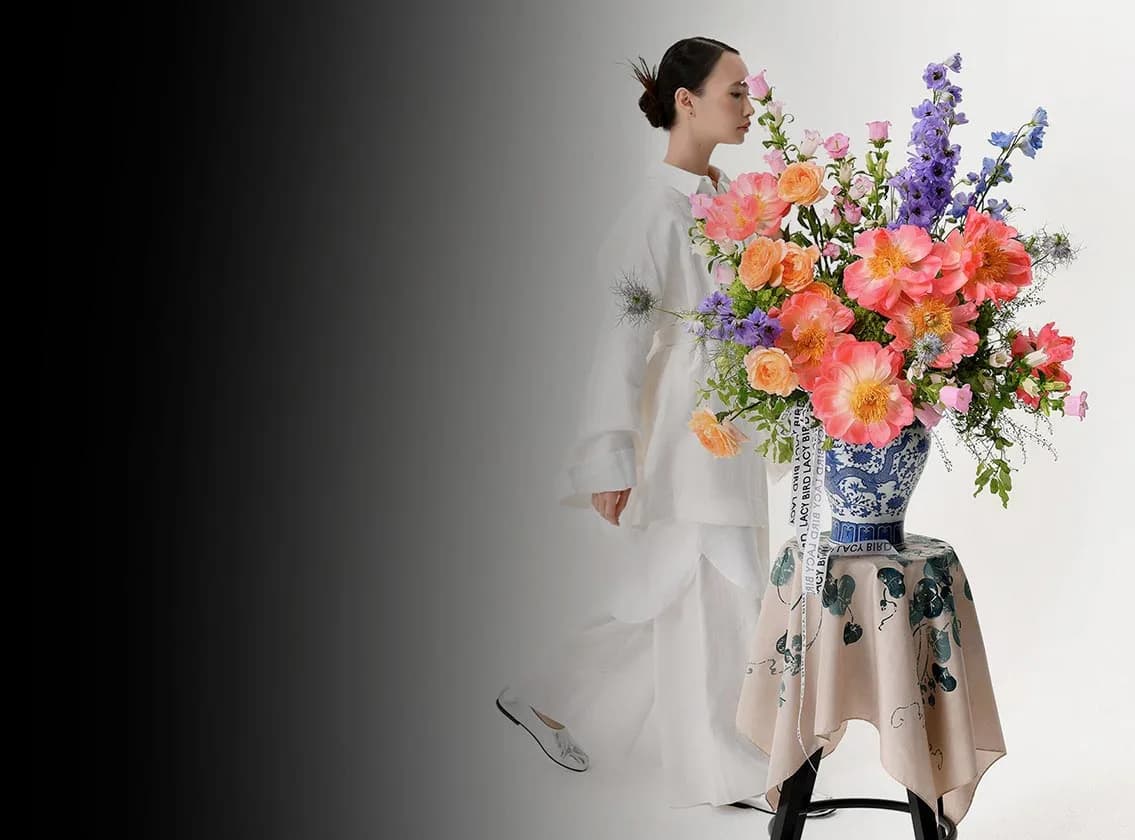
The B2B subscription deserves its own paragraph because it behaves differently. A reception arrangement is brand signage that happens to be alive — it is seen by every visitor, daily, at the exact moment first impressions form. Buy it the way signage is bought: on contract, with a site visit first (light, sightlines, vessel style, how far the piece is viewed from), service included (delivery, swap, vessel cleaning), and a refresh rhythm honest for the season — weekly in summer heat, stretchable in cool months.
For studios, corporate contracts are the backbone tier: fewer, larger, scheduled on quiet weekdays, and renewing annually. A studio with ten office contracts has covered its rent before the first walk-in of the month — which is precisely the stability the trade's spiky calendar never gave it. (Where subscriptions fit in a shop's wider P&L is part of our flower shop economics series.)
Starting one, on either side
As a subscriber: start biweekly, not weekly — it's the rhythm most homes actually absorb — and give it two months before judging; the model's charm is cumulative. Ask how pausing works before you pay.
As a studio: start with one tier and one delivery day. A single committed Thursday lets you test the buying discipline that makes the economics work; five options on five days is five ways to lose the efficiency you're selling. Price the discount honestly against your measured waste reduction, put the pause policy in writing, and photograph every week's recipe — a year in, that archive is your best sales page: fifty-two proofs that the flowers never repeat.
The subscription will never replace the wedding book or the holiday rushes. What it replaces is the empty Tuesday — and studios that solve their Tuesdays are the ones still open in five years.