Dried Flowers: What Dries Well, How to Dry It, and Styling That Isn't 2019
The dried flower style guide — which flowers air-dry beautifully, hang-drying method and timing, honest lifespan and care, mixing dried with fresh, and pricing.
Dried flowers spent 2019 as the loudest trend in interiors — bleached pampas, dyed rainbow bunnies' tails, whole cafés beige with them — and then did what trends do. What's left after the hype is more interesting: a permanent, quietly growing branch of floristry with its own palette, its own physics and its own honest economics. Here is the craft underneath the fad.
What drying actually does
Air-drying removes the water from plant tissue slowly enough that the structure holds. What survives is the architecture — petals, seed heads, stem lines — rendered in a shifted palette: whites go parchment, pinks go tea-rose, greens go sage and olive, everything moves one step toward autumn. That muting is the aesthetic. A dried arrangement is a fresh one photographed in a different light, and fighting it with dye is how the genre earned its tackiest years.
Texture changes too: papery, rustling, fragile. A dried piece is not handled daily; it stands still and rewards the long look.
The reliable driers (and the reliable failures)
Four groups cover the whole working palette:
- The everlastings, born for it: strawflower, statice, gomphrena, celosia — they feel half-dry on the stem already and keep near-full colour.
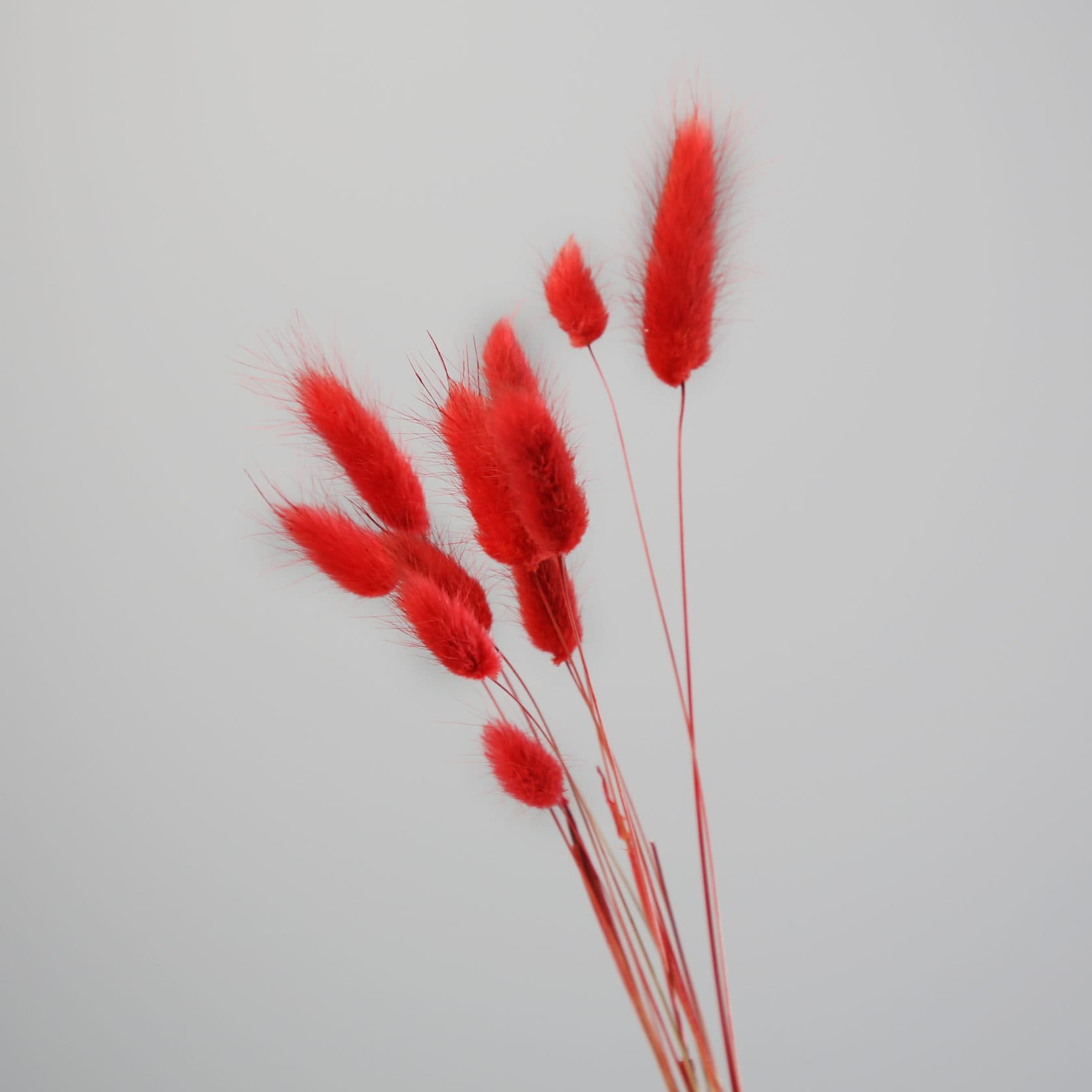
- The grasses and structures: lagurus, pampas, bunny grass, wheat, nigella pods, poppy heads, lunaria (honesty) with its silver coins.
- The classics that convert well: roses (buds and half-open heads), hydrangea — cut late in the season when it's already leathery — lavender, yarrow, eucalyptus, and most seeded branches.
- The reliable failures: tulips, lilies, irises, ranunculus in full blow — high-water tissue that collapses instead of drying. Preserve these another way or enjoy them fresh.
The method for nearly everything: strip lower foliage, tie loose bunches of five to ten stems, hang heads-down in a dark, dry, ventilated room for two to four weeks, until stems snap cleanly. Dark keeps the colour; upside-down keeps the necks straight. (Flat pressing and silica gel serve the craft's other branches — framed botanicals and keepsake work.)
Styling after the pampas wall
The register that survived the trend cycle is muted-natural: dried material arranged by the same rules as fresh — line, air, asymmetry — in stoneware and glass, no dye, no bleach. Three combinations that currently earn their keep in our studio work:
- Dried structure + fresh focal. Grasses and pods as the permanent frame; five fresh stems swapped in weekly. The vase is never empty and the weekly flower budget drops by half.
- Tone-on-tone parchment. Whites-into-creams: lunaria, dried white statice, wheat, bleached-by-nature grasses. Reads expensive precisely because nothing shouts.
- Dried + preserved. Papery grasses against soft preserved roses — the texture contrast does the work of colour. (The two materials are cousins, not twins: the difference is explained in our preserved flowers guide.)
Honest lifespan, care, and the shedding question
A dried arrangement looks its best for one to three years. Its enemies, in order: direct sun (visible fading within months), humidity (bathrooms and kitchens soften and eventually mould it), and hands (it shatters — place it where nobody brushes past). Care is one task: dust it every month or two with a soft brush or a cool hair-dryer at arm's length.
And the question every client asks quietly: does it shed? Yes — honest studios say so. Grasses shed most in their first weeks; a light hairspray fixative after arranging cuts it substantially. Anything dyed sheds colour as well as material, which is reason number two (after taste) to buy undyed.
Buying and pricing without the trend tax
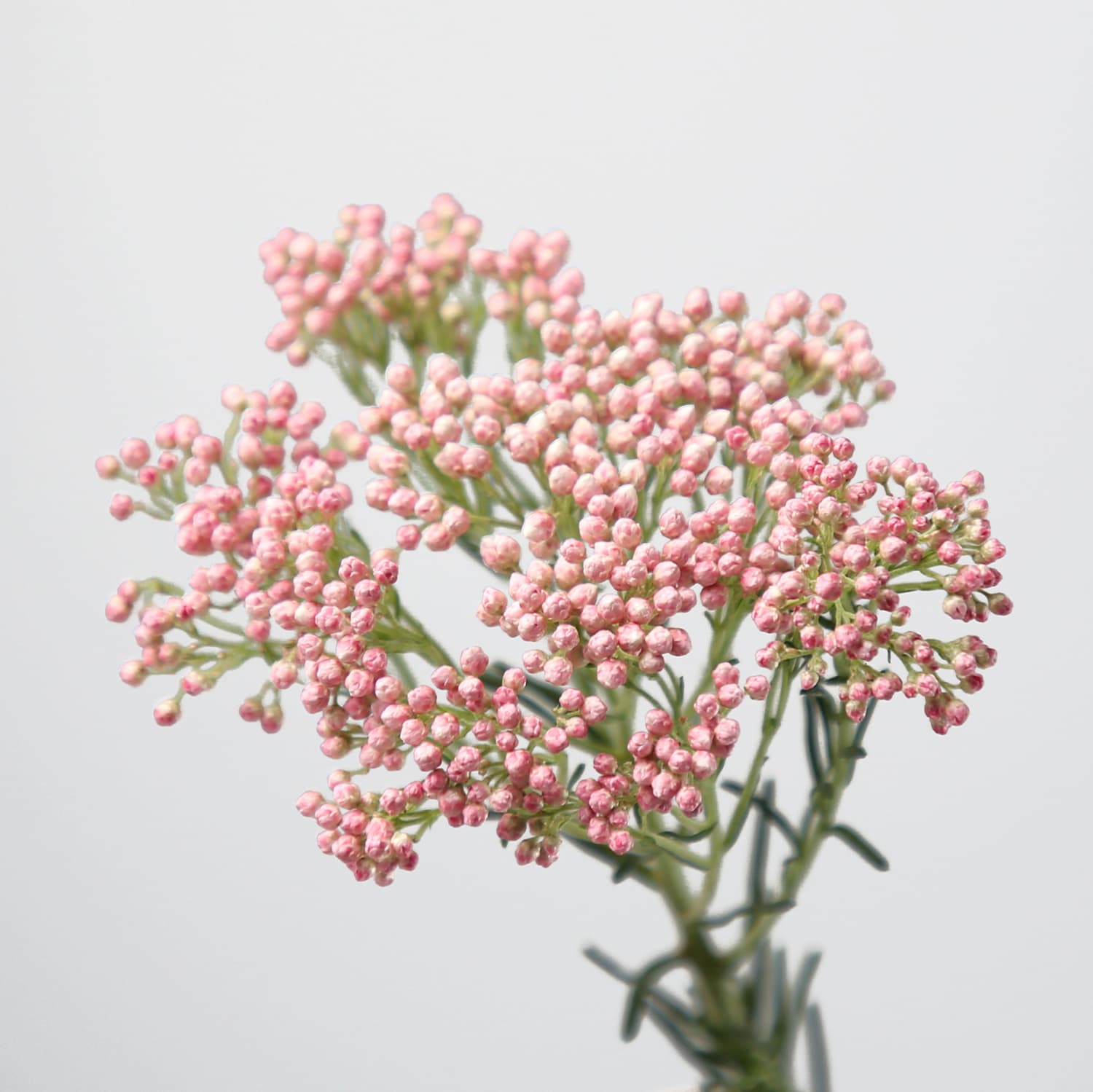
Fair market numbers: single dried stems $2-8 (pampas plumes more), a composed dried bouquet $40-90, a large statement piece or dried installation $120+. Red flags: acid-bright dyed stems (fade and shed), "preserved" labels on crispy material (that's dried, at a preserved price), and pampas sold cheap — usually harvested early and half-bald within a month.
The genre's real economic argument isn't the sticker price — per stem, drying often costs more than fresh, because it loses volume and eats weeks of space and labour. It's the denominator: a $70 piece that works for two years costs pennies a week. Dried flowers aren't cheap flowers. They're slow ones — and slow, done well, is the whole charm.