Locally Grown Flowers — sourcing, benefits, and reality
The truth about locally-grown flowers in modern floristry — economics, seasonality, sustainability trade-offs, and how to actually build a local-first sourcing model.
The "slow flowers" movement — sourcing flowers from local farms rather than imported wholesalers — has genuine environmental and ethical merit, but is often oversimplified. This guide covers the reality: what works, what doesn't, and how to build a practical local-first model.
TL;DR. Locally grown flowers reduce carbon footprint by 70-90% per stem versus imported. Cost 30-100% more per stem. Available seasonally (spring-autumn in Northern Hemisphere). Hybrid sourcing (60-70% local + 30-40% imported for palette gaps) is most practical for working studios.
The environmental case
Imported flowers:
- Refrigerated air freight from Colombia, Ecuador, Kenya
- Estimated 3-5 kg CO2 per stem for South American to European delivery
- Refrigerated warehousing at both ends
- Chemical preservation and pesticide use in exporting countries
Local-grown flowers:
- Short transport chain (farm → studio same or next day)
- No refrigerated freight
- Lower or no pesticide use (varies by farm)
- Fresher (2-3 days harvest-to-arrangement vs 7-10 imported)
Local flowers can genuinely reduce carbon footprint by 70-90% per stem, with better vase life for the client.
The economic case
Local flowers cost more per stem — typically 30-100% premium over imported wholesale. This is because:
- Small-farm labour is expensive vs Ecuadorian or Kenyan farm labour
- No massive scale efficiency
- Seasonal availability limits crop planning
- Weather-dependent supply
For a florist studio, all-local sourcing raises COGS 40-60%.
The seasonality reality
Local means seasonal. In Northern Hemisphere:
Spring (March-May): tulips, daffodils, ranunculus, sweet peas, hellebore, hyacinth, muscari, anemones
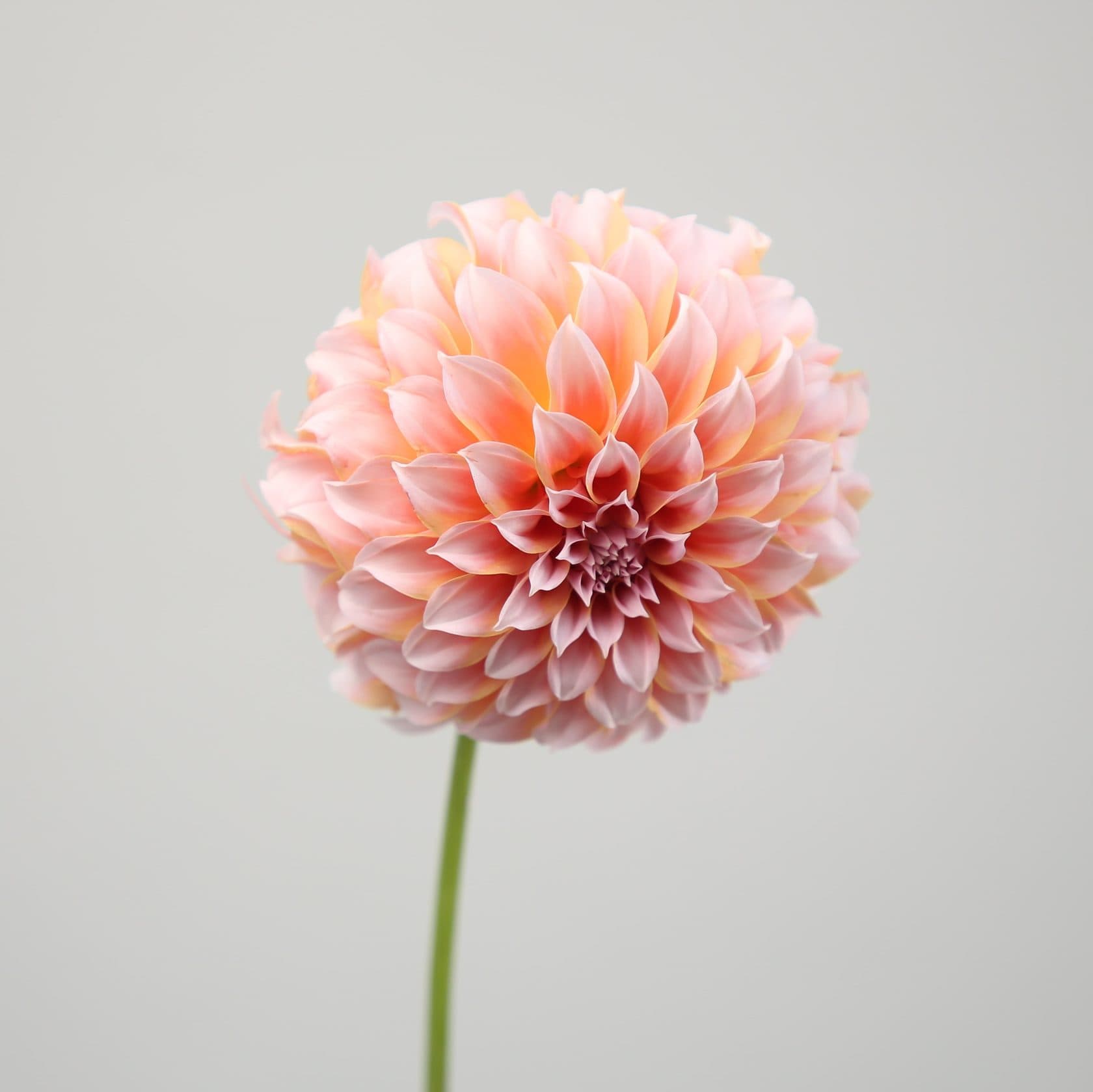
Summer (June-August): peonies (early), roses, dahlias (late), zinnias, snapdragons, cosmos, sweet peas, delphinium, hydrangea, sunflowers, garden mixed
Autumn (September-October): dahlias, chrysanthemums, asters, marigolds, autumnal foliage, seedheads
Winter (November-February): minimal cut flowers — hellebore late winter, forced tulips and daffodils, evergreens, dried material, forced hyacinth
Winter is the enemy of local-only sourcing. Wedding studios committed to local must plan for hybrid winter sourcing or close for winter months.
The palette limits
Local sourcing restricts palette. If a couple wants:
- Peonies in October — imported required
- Anemones in July — imported required
- All-white minimalist ranunculus wedding in January — not practicable local
Local-first studios must lead client conversations about seasonal aesthetic.
Building a local-first practice
Step 1: Identify farms in your region
- Local farms directory: Slow Flowers Society (US), Flowers From The Farm (UK)
- Farmers' markets often connect studios to growers
- Small farm CSA-style subscriptions
Step 2: Build relationships
- Visit farms during peak growing season
- Understand growers' variety plans (pre-order)
- Commit to seasonal buying, not just spot orders
Step 3: Plan couple conversations
Local-first requires client education:
- "We can't do peonies in October, but here's the equivalent aesthetic in October flowers..."
- "Winter weddings will use dried, evergreen, and forced material..."
- "We source hybrid — 70% local + 30% imported to fill palette gaps..."
Step 4: Price accordingly
Local-first studios typically price at luxury tier because material costs are higher. Client segmentation matters — budget brides are difficult customers for local-first studios.
Hybrid model (most practical)
Most professional studios use hybrid sourcing:
- Local for volume filler and foliage (60-70% of stems)
- Imported for luxury and off-season focal flowers (30-40%)
This delivers 50-70% carbon reduction while maintaining palette flexibility.
Certified organic and no-pesticide farms
Some farms go further with organic or no-pesticide practices. Look for:
- Certified Organic (US: USDA; UK: Soil Association)
- Certified American Grown (US)
- British Flowers logo (UK)
The greenwashing risk
"Locally sourced" is not a regulated term. Some studios use imported flowers and claim "local" if they buy from a wholesaler in the same city. Genuine local means "grown within 100 km of your studio" and requires knowing the farms.
Ask potential florist studios: "Can you name the farms you source from?"
Case study — realistic local wedding
Location: UK Cotswolds, June wedding, 100 guests, $6,000 flower budget.
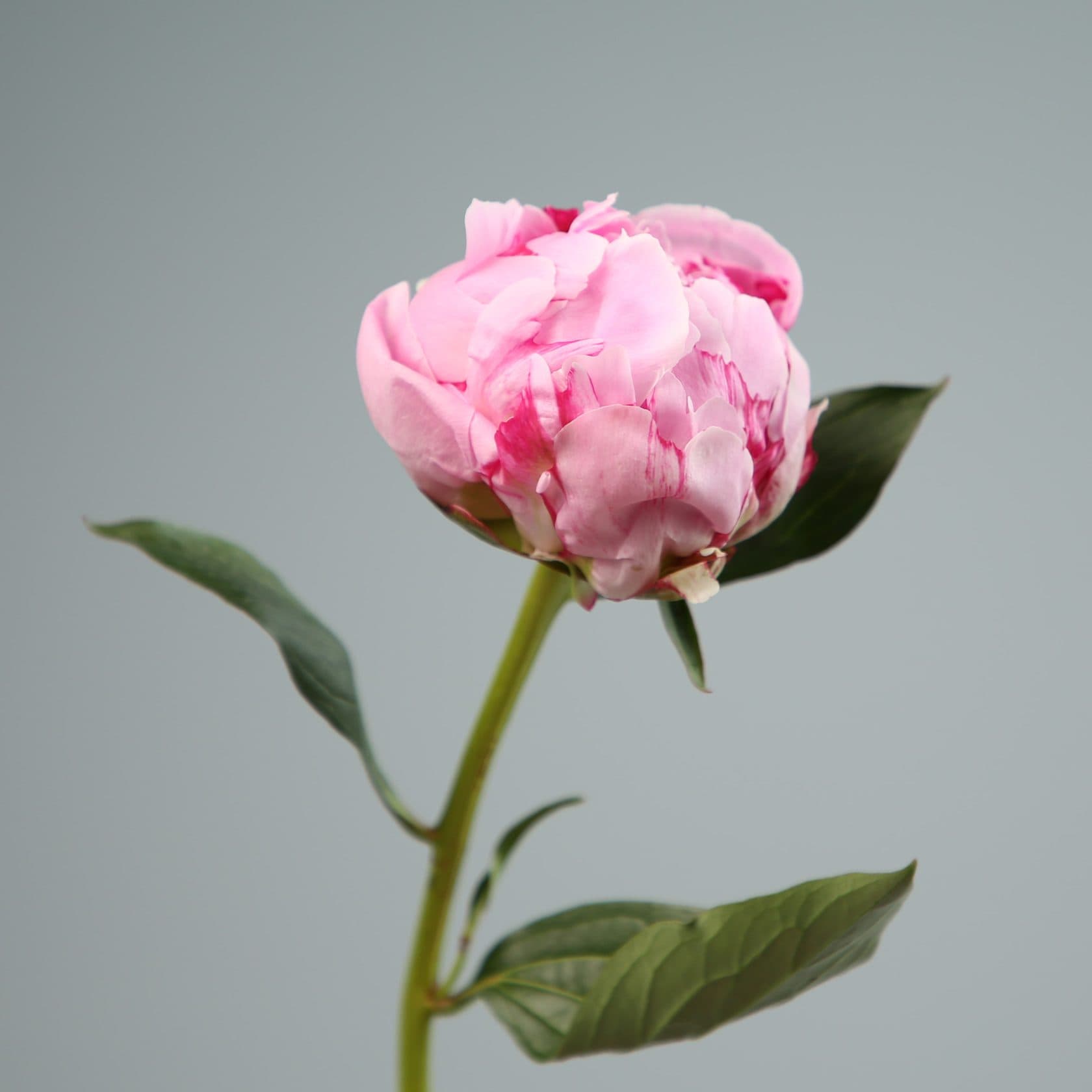
- Bouquet: local peonies (Bishops Nursery), garden roses (Rose Story Farm UK), astilbe (garden-picked)
- Ceremony: hydrangeas, foxglove, delphinium, all local
- Reception: dahlias (early season imports as top-off), sweet peas, mixed garden
- Result: 85% local content, comparable aesthetic to imported-only equivalent
Local-first is achievable for spring-through-early-autumn UK weddings. Winter weddings and off-season needs require honest client conversations.
Regional local flower availability
Northeast US: June-October rich supply; strong Slow Flowers member farms.
West Coast US: February-November broadest supply.
UK: May-October; Flowers From The Farm members.
Southern Hemisphere: October-April flip.
Tropical regions: year-round but different species.
Common local sourcing mistakes
Assuming local = cheap. 30-100% premium over imported wholesale.
Not planning off-season. Winter local supply drops sharply.
No client education. Clients don't understand seasonal limits.
Greenwashing without commitment. Say local, use imported — damages trust.
Cold spot-orders. Local farms need pre-planning; not last-minute.
Environmental impact quantified
Per 100-stem wedding:
- All imported (South America): ~350-500 kg CO2
- Hybrid 70% local: ~100-150 kg CO2
- All local: ~50-70 kg CO2
Savings equivalent to 1-2 tank of gas per wedding.
FAQ
What does locally grown mean?
Flowers grown within 100 km of your studio. Not the same as 'locally sourced from a wholesaler in the same city.' Genuine local means you know the farms and can name them. Slow Flowers Society (US), Flowers From The Farm (UK) certify.
Really better for environment?
Yes — 70-90% lower carbon footprint per stem versus imported South American or African flowers. Local flowers travel farm-to-studio in hours; imported travel days by refrigerated air freight.
More expensive?
Yes — 30-100% premium over imported wholesale for equivalent species. For a florist studio, all-local sourcing raises COGS 40-60%. Reason: small-farm labor, seasonal supply limits, no scale efficiency.
Local-only florist studio possible?
Difficult in winter months. Most practical is hybrid: 60-70% local content for spring-through-early-autumn weddings, 20-40% for winter with substitutes and dried material. Fully-local studios must have client conversations about seasonal aesthetic.
Related reading: