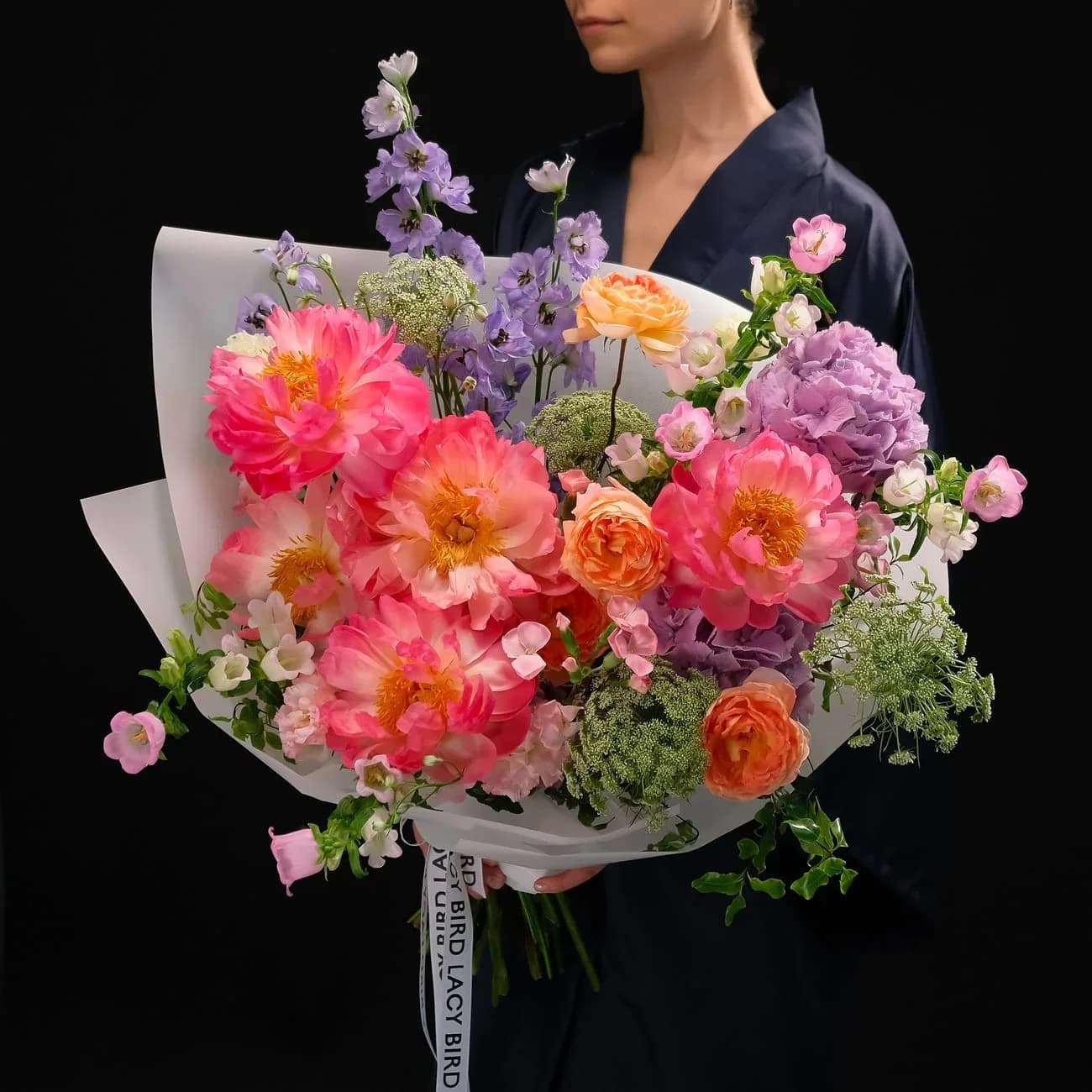
Boutonnieres — the complete modern guide
Everything about boutonnieres for weddings and formal events: types, how to choose one, how to make and wear one, and the modern trends that have replaced foam and floral wire.
The boutonniere is the smallest, most personal piece of floristry at a wedding — a single stem, or a tight little cluster, worn on the lapel of a suit. It has survived nearly two hundred years of shifting fashion because it does something no other floral element does: it puts the wedding's colour story right at chest level, next to the face, where every photograph is going to catch it.
This guide covers everything we teach our academy students and give our wedding clients about boutonnieres — what they are, who wears them, how to choose one, how to make one, and how the modern approach has quietly moved on from the wired, foam-anchored boutonniere of the 1990s.
What a boutonniere is
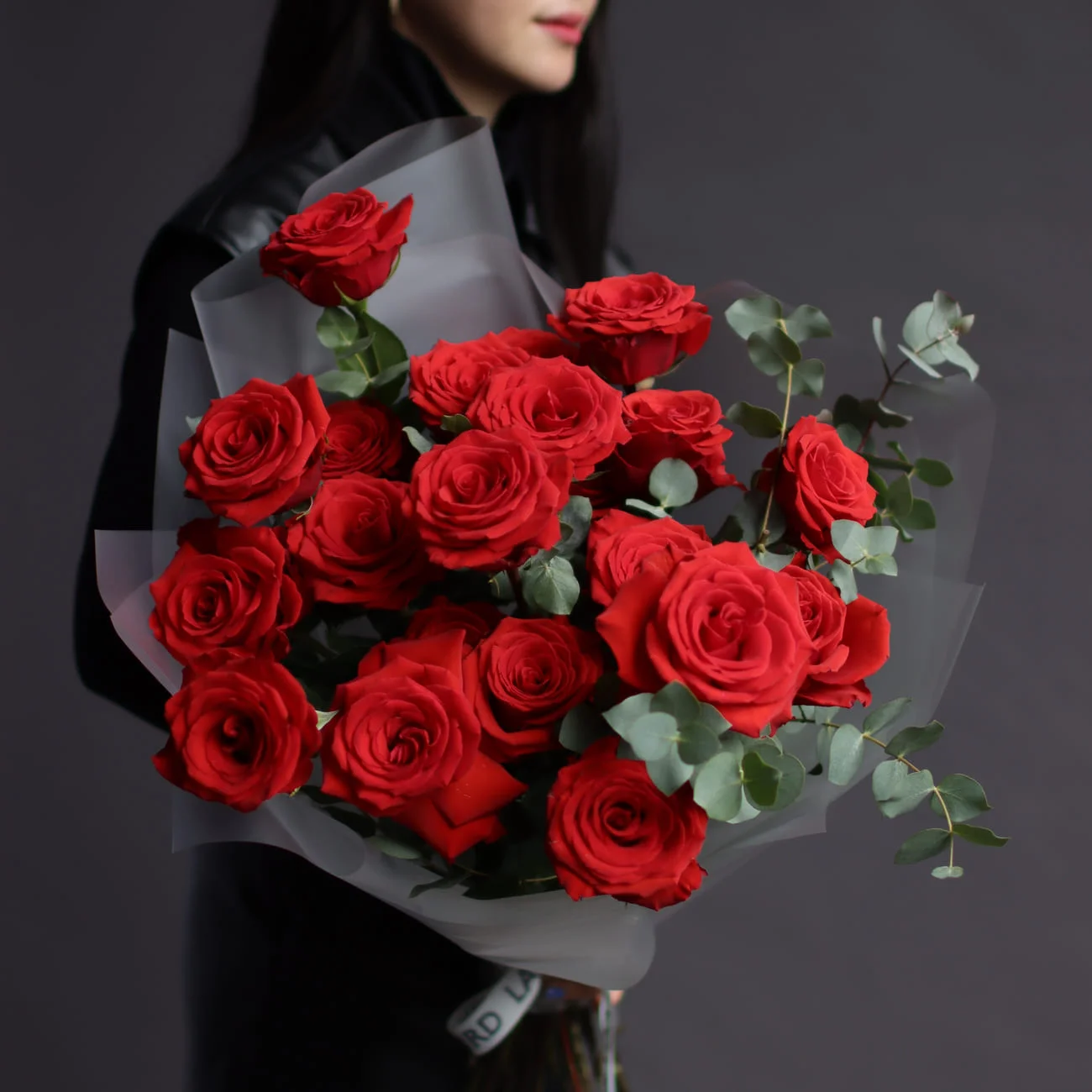
A boutonniere (pronounced boo-ton-yair, from the French boutonnière, meaning buttonhole) is a small floral arrangement worn on the left lapel of a jacket. The name is literal — historically the stem was passed through the actual buttonhole of the lapel. Modern lapels rarely have working buttonholes, so today the boutonniere is pinned or magnet-fastened behind the lapel.
At a wedding, the boutonniere serves three jobs at once:
- It marks members of the wedding party — the groom, groomsmen, fathers, officiant, and sometimes ushers or ring bearers.
- It carries the day's colour story into the men's outfits, most of which are dark suits with limited room for palette expression.
- It photographs beautifully at close range, next to the face — the frames wedding photographers keep coming back to.
Historically, boutonnieres come from the older buttonhole flower tradition — a single stem worn by well-dressed men in the 19th century, often a carnation or a rose, tucked into the buttonhole of a morning coat or dinner jacket. The wedding-specific boutonniere is a formalisation of that habit, sized down and pinned in place.
Who wears a boutonniere
In a traditional wedding party the boutonniere goes to:
- The groom — his boutonniere is usually the most detailed and often echoes the bride's bouquet with a shared focal flower.
- The groomsmen and best man — a simpler variant of the groom's boutonniere, often with a single focal flower and one textural element.
- The bride's father and the groom's father — traditionally a simplified boutonniere in the same palette; occasionally a distinct flower to mark them as fathers.
- The officiant — a subtle boutonniere is a warm gesture and helps the officiant match the wedding party in photographs.
- Ring bearers — a mini-boutonniere with a single small bloom is a charming touch.
- Ushers — optional, but common at larger, more formal weddings.
Modern weddings have loosened these rules considerably. We routinely design boutonnieres for wedding parties of any gender composition, for elopements with just the couple, for parents who don't traditionally wear them, and for same-sex couples where both partners want a lapel piece. If someone is standing next to the couple during the ceremony, a boutonniere is a reasonable idea.
Types of boutonnieres
Boutonnieres divide into a few loose categories that map to modern wedding aesthetics.
Classic single-stem
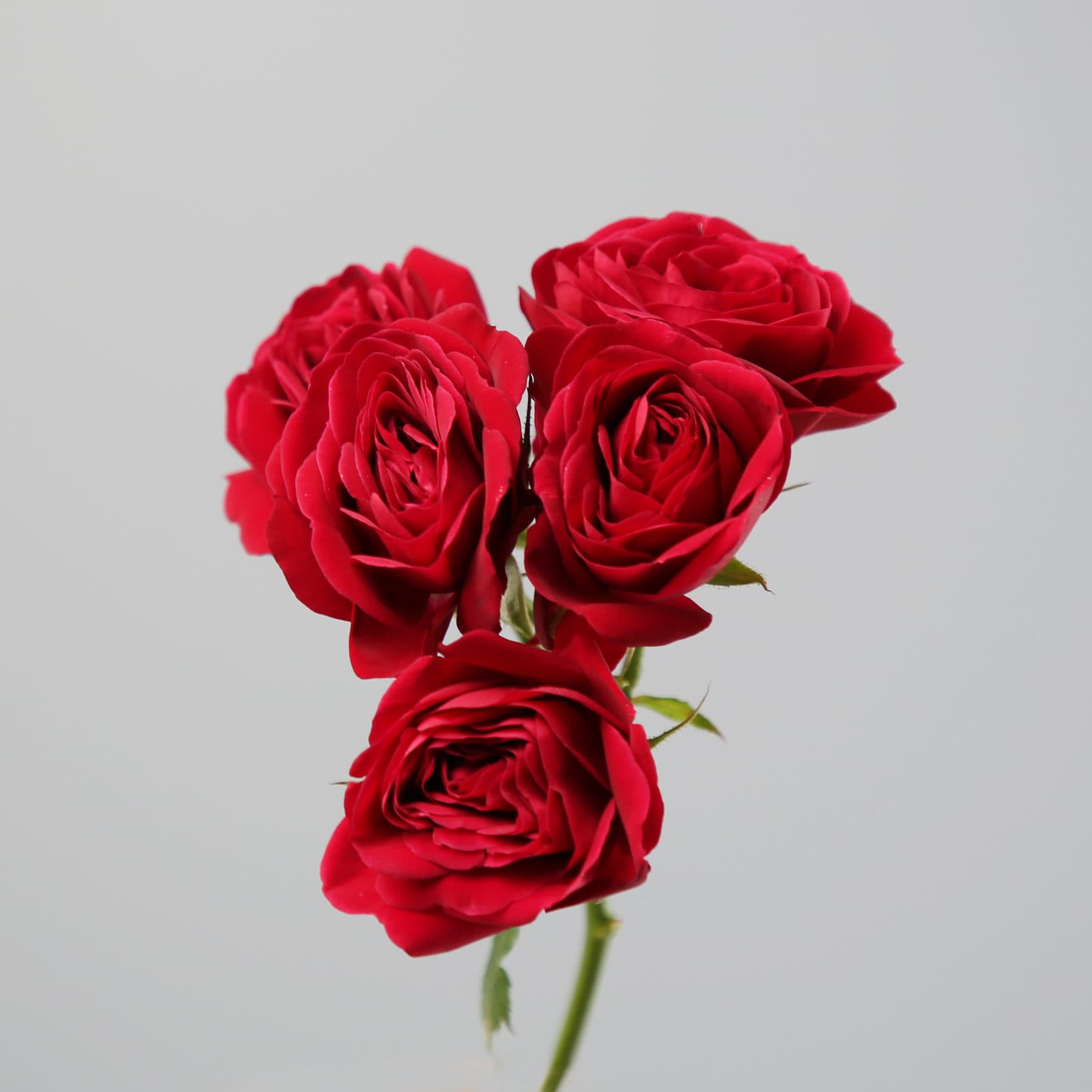
A single focal flower — a rose, a ranunculus, a spray rose, a mini carnation — with two or three small foliage accents behind it. Clean, timeless, and photographs well. Suits most formality levels from smart-casual to black-tie.
Modern cluster
Two to four small blooms arranged asymmetrically, with more textural elements — a piece of scented geranium, a wisp of astilbe, a spray of pepperberry. The current default for editorial and destination weddings. The look we teach first at the academy.
Wild and garden-style
Deliberately unfussy — a spray of clematis, a stem of hellebore, a foraged sprig — held together only lightly, wrapped in raw twine or linen. Suits outdoor weddings, farm venues, and couples wanting a less structured aesthetic.
Greenery-only
No flowers at all — just olive, eucalyptus, ferns, or ivy. Works for winter weddings, industrial venues, or grooms who genuinely prefer no bloom. The palette is easy to unify with the rest of the day.
Statement boutonniere
Oversized, unusual materials — a full open ranunculus and a curl of foraged vine, or a protea bud with feathers and dried grasses. Not for every wedding, but a signature move at editorial shoots and fashion-forward weddings.
Dried and preserved
Everlasting flowers — bleached ruscus, preserved eucalyptus, dried strawflower, bunny tail grass. Zero risk of wilting during a long outdoor ceremony, increasingly used as a keepsake element the wearer takes home.
Non-floral
Feathers, wooden brooches, hand-tied fabric flowers, corsage-style beadwork. Common at winter weddings or as accessible alternatives to fresh flowers.
How to choose the right boutonniere
Pick in this order, and the choice makes itself:
1. Match the bridal bouquet. The groom's boutonniere should share at least one focal flower with the bride's bouquet. It's the single most-photographed pairing of the day.
2. Set the palette. Muted, dusty tones (blush, sage, cream, dusty blue) — we build with garden roses and lisianthus. Bright and modern (coral, mustard, terracotta) — ranunculus, dahlia, marigold. Moody (burgundy, plum, black tone) — hellebore, chocolate cosmos, ninebark leaves.
3. Consider the season. Sturdier flowers (spray roses, mini carnations, craspedia) survive summer heat. Delicate flowers (sweet pea, clematis) need cool indoor ceremonies or shade.
4. Match the venue formality. Black-tie ballrooms — classic single-stem rose. Beach or farm — wild and garden-style. Editorial shoot — statement or modern cluster.
5. Match the suit. Darker suits (navy, charcoal, black) hold larger and brighter boutonnieres. Light suits (cream, tan, dove grey) need smaller, more restrained pieces so the boutonniere doesn't overwhelm the fabric.
The anatomy of a boutonniere
Every modern boutonniere is built from four elements. Understanding them makes choosing and designing easier.
- Focal flower — the single "star" bloom. Half-open is better than fully-open; a fully-open flower peaks and starts wilting within hours.
- Textural element — something small and layered behind the focal: wax flower, pepperberry, astilbe, spray of thistle, sprig of scented geranium.
- Greenery — one to three leaves that frame the composition. Olive, eucalyptus, ivy, ruscus, or something more textural like scented geranium or dusty miller.
- Wrap — stem covering, usually satin ribbon, raw silk, twine, or floral tape covered with a strip of leaf.
How to make a boutonniere: step-by-step
We teach this technique at Lacy Bird Academy in the fundamentals module. Time from prepared flowers to finished boutonniere: about six minutes.
What you'll need
- Focal flower, half-open, cut with 4-5 cm of stem left
- 2-4 textural elements, similar stem length
- 1-3 greenery leaves
- 24-gauge floral wire (optional, for delicate or heavy stems)
- 1/2-inch floral tape (Parafilm or similar)
- 30 cm of thin satin ribbon (2-3mm wide) or twine
- Boutonniere pin (2 pins for the pinning ceremony)
- Sharp floral scissors
Step 1 — Condition your flowers
Cut stems at 45 degrees and place in clean water for at least 2 hours before assembly. This is not optional — an unconditioned focal flower will droop before the ceremony. For long outdoor days, consider dipping stems briefly in a stem-sealing solution.
Step 2 — Prepare the focal
Trim the focal flower to 4-5 cm of stem. If it's heavy or the stem is fragile, run a piece of 24-gauge wire up through the calyx and bend a hook to secure it — this is the classic "wired boutonniere" technique, still useful for heavy flowers like garden roses or full ranunculus. For sturdy small stems (spray roses, mini carnations), skip the wire.
Step 3 — Layer the greenery behind
Place one or two greenery leaves against the back of the focal, with their tips extending 2-3 cm above the flower. Hold everything together at the stem base with your non-dominant hand.
Step 4 — Add textural elements
Position 2-4 pieces of texture (pepperberry, wax flower, spray of thistle) around the focal — usually one to the side, one behind, one shorter in front. Keep the silhouette asymmetric — modern boutonnieres are never perfectly symmetrical.
Step 5 — Tape the stems
Stretch a piece of floral tape lightly (this activates the adhesive) and wrap tightly around all the stems, starting just below the flower heads and winding down. Two to three complete wraps is enough. The tape should disappear behind subsequent wrapping.
Step 6 — Wrap the stems
Anchor the end of the ribbon or twine at the top of the taped section and wrap tightly down to the stem base, then back up if you want a double layer. Tie off with a small square knot at the front. Trim the ends short — 2-3 mm of visible tail is enough.
Step 7 — Trim and store
Trim the stem ends to a clean angle 1 cm below the ribbon wrap. Store the finished boutonniere in a shallow container with a damp paper towel touching the stem base, refrigerated at 4°C, until 30 minutes before the ceremony.
How to wear a boutonniere
The wedding-morning question every groom asks. The answer is more specific than most people realise.
Which side. Left lapel, always. This is a universal convention across Western wedding traditions and works for both left- and right-handed people because it's oriented for the viewer, not the wearer.
Where exactly on the lapel. In the middle third of the lapel vertically — about the height where the lapel is at its widest, roughly level with the heart. Never at the top of the lapel (looks precarious) or bottom (looks lost).
Orientation. The focal flower should point slightly up and out — not straight up (looks stiff) and never down (looks wilted). The stem points diagonally down toward the sternum.
How to pin. Use two pins if the boutonniere has any weight. First pin goes through the fabric of the lapel from behind, up through the taped stem, and back through the fabric — hidden behind the lapel. Second pin, if needed, catches a second point on the stem for stability. The lapel of a suit has extra layers of fabric specifically for pinning; go through both layers.
Magnet fasteners (increasingly popular) — a small magnet on the boutonniere and a matching one behind the lapel. Faster, safer, and doesn't leave pin marks. We use magnets on almost every wedding now.
Who pins it. Traditionally the mother of the groom pins the groom's boutonniere. In practice, whoever is on hand — the bride, a bridesmaid, a mother, the florist during setup. Some couples choose to pin each other's boutonniere at the start of the ceremony as a small ritual.
Timing. Pin 20-30 minutes before the ceremony, not earlier. Any longer and the flower starts to look tired in photographs. If you must pin earlier, store the boutonniere in a cool spot and re-pin fresh.
Buy or DIY?
Both work. The question is what you're optimising for.
Buy from a florist if:
- You want the design to match the rest of your wedding florals exactly.
- The wedding is more than four boutonnieres — coordinating supply, conditioning, and assembly gets time-consuming quickly.
- You want the wired-in longevity and hardware (magnets, presentation box) that professional pieces come with.
- Your ceremony is outdoors in heat — florists know how to condition flowers for extended out-of-water time.
DIY if:
- The wedding is small (2-6 boutonnieres) and you enjoy the making.
- Your palette is simple and forgiving — a single focal flower is easy to execute well; a five-element cluster is not.
- You have access to good flowers 24-48 hours before the ceremony (farm, wholesale market, or generous garden).
Expect to pay a florist $15-45 per boutonniere in most markets, more for statement or hard-to-source flowers. DIY cost is usually $3-8 per boutonniere in materials.
Modern boutonniere trends we're seeing
The last five years have moved the boutonniere forward in three directions.
Foam-free construction. Twenty years ago most boutonnieres were built on a tiny piece of floral foam clipped to the lapel. Today, foam is out — for environmental reasons and because dry-taped boutonnieres photograph better (no visible green foam edge). Every technique in this guide is foam-free.
Dried and preserved elements as keepsakes. A boutonniere with at least one dried element (bunny tail grass, dried strawflower, bleached ruscus) survives the day intact and becomes a memento — pressed into a wedding album or kept in a small frame.
Non-matching pieces for the wedding party. Instead of five identical boutonnieres, we're increasingly designing five variations on a theme — same palette, same rough scale, but each with a different focal flower or textural element. Photographs beautifully in group shots and gives each person something unique.
Magnet fasteners as the default. Pins are still fine, but magnets are faster, don't damage the suit, and hold heavier statement pieces securely.
Focal-flower-only, no greenery. A single garden rose or peony with no foliage, wrapped in silk ribbon. Minimalist, editorial, extremely modern.
Common mistakes
Too big. A boutonniere larger than 12 cm in any dimension will look comical on most lapels. Keep it 8-12 cm, focal flower 3-5 cm across.
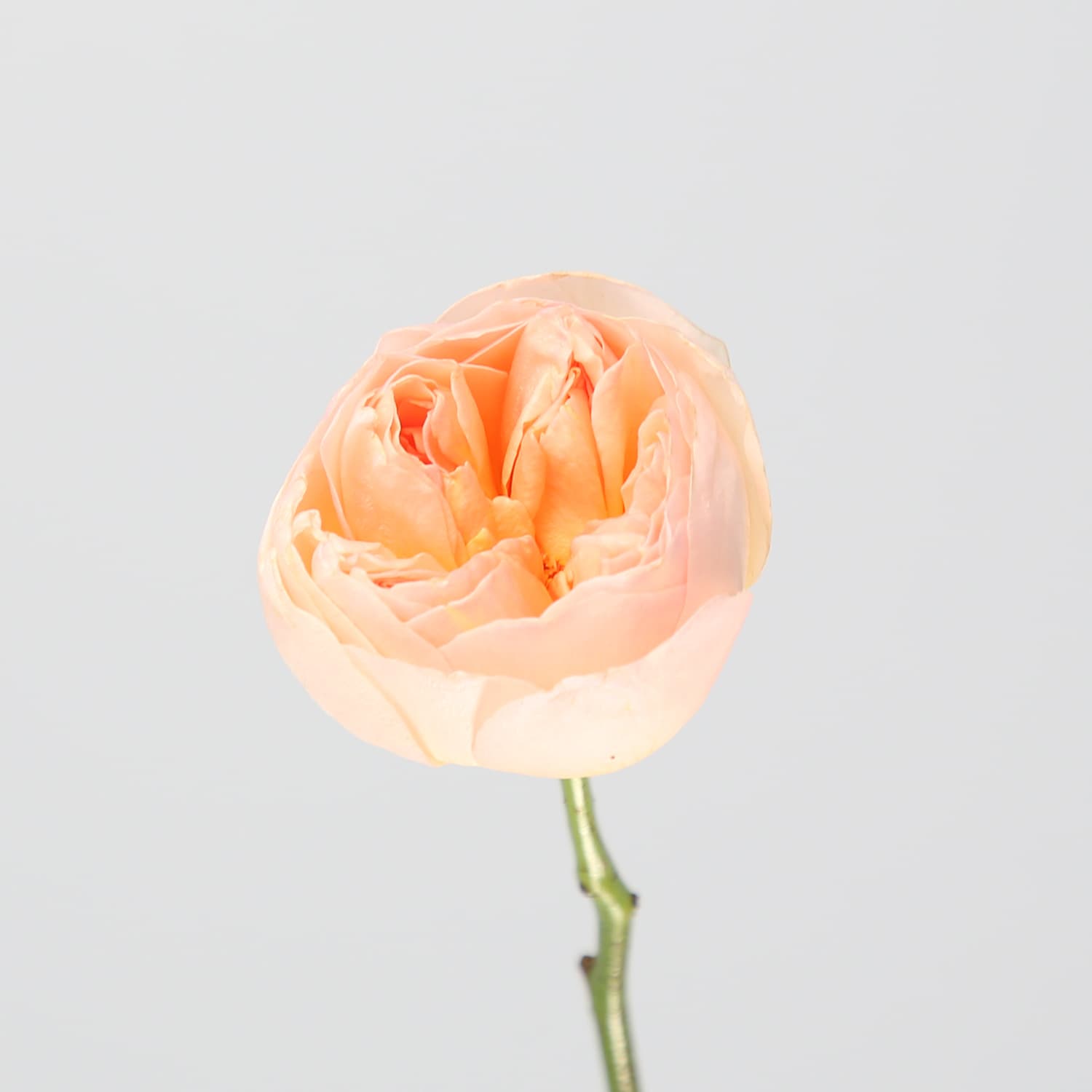
Fully-open focal flower. Roses and ranunculus at peak-bloom look gorgeous for two hours and tired for the rest of the day. Choose half-open flowers that will finish opening across the ceremony.
Wrong palette. A boutonniere in a colour disconnected from the bridal bouquet or the wedding palette becomes an eyesore in every photograph. Sample the palette to the florist by physical swatch, not just Pinterest.
Sharp stems poking through the fabric. Trim stems flush to the ribbon wrap and add a small blob of floral glue to blunt the ends. This is the detail that separates a professional piece from a DIY one.
Not conditioning. Flowers cut the morning of the wedding and immediately assembled will wilt by ceremony time. Always condition in water at least 2 hours ahead — ideally overnight.
Wearing on the right lapel. It's a very common mistake at self-styled weddings. Left lapel, always.
Frequently asked questions
How long does a boutonniere last?
A well-made boutonniere in typical conditions (20-25°C) lasts 6-10 hours from pinning to visible wilting. In heat (30°C+) that drops to 3-5 hours. Dried and preserved elements extend the visible life indefinitely.
Can I make my boutonniere the night before?
Yes, if you store it properly. After assembly, wrap the stem base in damp paper towel, place inside a sealed container, and refrigerate at 4°C. Bring out 30 minutes before pinning. Do not freeze.
What flowers work best for boutonnieres?
Hardy, out-of-water-tolerant flowers with small heads: spray roses, mini garden roses, ranunculus, lisianthus, mini carnations, hypericum berries, craspedia (billy buttons), and half-open peonies for statement pieces. Avoid tulips (they keep growing after cutting), sweet peas (very delicate), and dahlias in heat (they collapse fast).
How much does a boutonniere cost?
$15-45 per piece from a wedding florist is typical. Simple single-stem pieces sit at the lower end; statement pieces with imported flowers can reach $60+. DIY materials cost $3-8 per boutonniere.
How many boutonnieres do we need for the wedding?
Count: groom, best man, groomsmen (usually 2-6), both fathers, ring bearer if any, and officiant. Plus 1-2 spares. A typical wedding orders 6-10.
Can boutonnieres be a different flower from the bouquet?
Yes — a modern trend is to keep boutonnieres in the same palette but with a distinctly different focal flower for each wedding-party member. Just keep the palette unified.
What about corsages?
A corsage is the female-marked counterpart to a boutonniere — worn on the wrist or pinned to the dress, typically by mothers, grandmothers, or maids of honour. Same design principles apply. If you need a full corsage guide, message us — we've been meaning to write one.
Are dried boutonnieres tacky?
No — the last three years have moved dried flowers firmly into premium wedding aesthetics. Bleached ruscus, dried strawflower, and bunny tail grass in particular now look intentional and modern rather than budget-driven.
Do we boutonniere the officiant?
It's a warm gesture and photographs beautifully. Ask them first — some officiants (particularly religious ones) prefer not to wear them.
Left or right lapel?
Left. Universally. This is one of the few floristry rules with no exceptions.
Order boutonnieres from Lacy Bird
Our Dubai studio designs and delivers wedding boutonnieres across the UAE — individually crafted, palette-matched to your bridal bouquet, foam-free with magnet fasteners as standard. For destination weddings, we can also travel.
Enquire about your wedding boutonnieresOr, if you'd rather learn to make them yourself, our floral design course covers boutonnieres in the wedding-and-event work module. And if you're planning the rest of your wedding florals, our wedding hub has more guides — bouquets, centerpieces, and full destination wedding planning.