Photo: Hectonichus · CC BY-SA 3.0 · Wikimedia Commons
Canterbury Bells
Campanula, known as Canterbury bells, carries upright stems lined with large, cup-shaped bell flowers in blue, purple, soft pink and white. Florists prize it as a romantic, cottage-garden line flower that brings height and old-fashioned charm to summer bouquets and arrangements. Its generous bells read beautifully in loose, garden-style designs and bridal work. A classic of the traditional flower border, it lends a nostalgic, English-garden feel wherever it is used.
| Family | Campanulaceae |
|---|---|
| Origin | Southern Europe |
| Peak season | June, July |
| Availability | May, June, July, August |
| Stem length | 40–80 cm |
| Vase life | 5–8 days |
| Colors | blue, purple, white, pink, lavender |
| Price tier | mid |
Cut stems on an angle and condition in cool, clean water with flower food, stripping lower leaves below the waterline. The bell flowers bruise easily, so handle them gently and avoid tight packing. Remove faded lower bells as the spike opens, refresh the water often, and keep it cool and out of direct sun to prolong vase life.
- •Cut stems at an angle
- •Use cool, clean water with flower food
- •Strip lower leaves below the waterline
- •Handle gently to avoid bruising the bells
- •Remove faded lower bells
- •Refresh water often and keep cool
 Bouquet Builder — by Lacy Bird
Design the bouquet. See it as a photo.
Botanical reference
- Common name
- Canterbury bellflower
- Also known as
- bellflower, cup and saucer, Campanula bourdiniana, Campanula florida, Campanula grandiflora, Campanula medium alba, Campanula medium bourdiniana, Campanula medium caerulea, Campanula medium caesia, Campanula medium calycantha, Campanula medium calycanthema, Campanula medium coerulea
- Distribution
- Australia, Europe & Northern Asia (excluding China), France, Italy, Manizales, North America
Open-data sources: GBIF, Wikidata (CC0/CC BY)
Frequently asked questions
When is Canterbury Bells in season?
Canterbury Bells peaks in June, July, and florists can usually source it May, June, July, August. Availability shifts by region and greenhouse supply.
How long does Canterbury Bells last in a vase?
Expect 5–8 days with proper conditioning — a clean vase, fresh water every couple of days, flower food, and a cool spot away from ripening fruit and direct heat.
What can I use instead of Canterbury Bells?
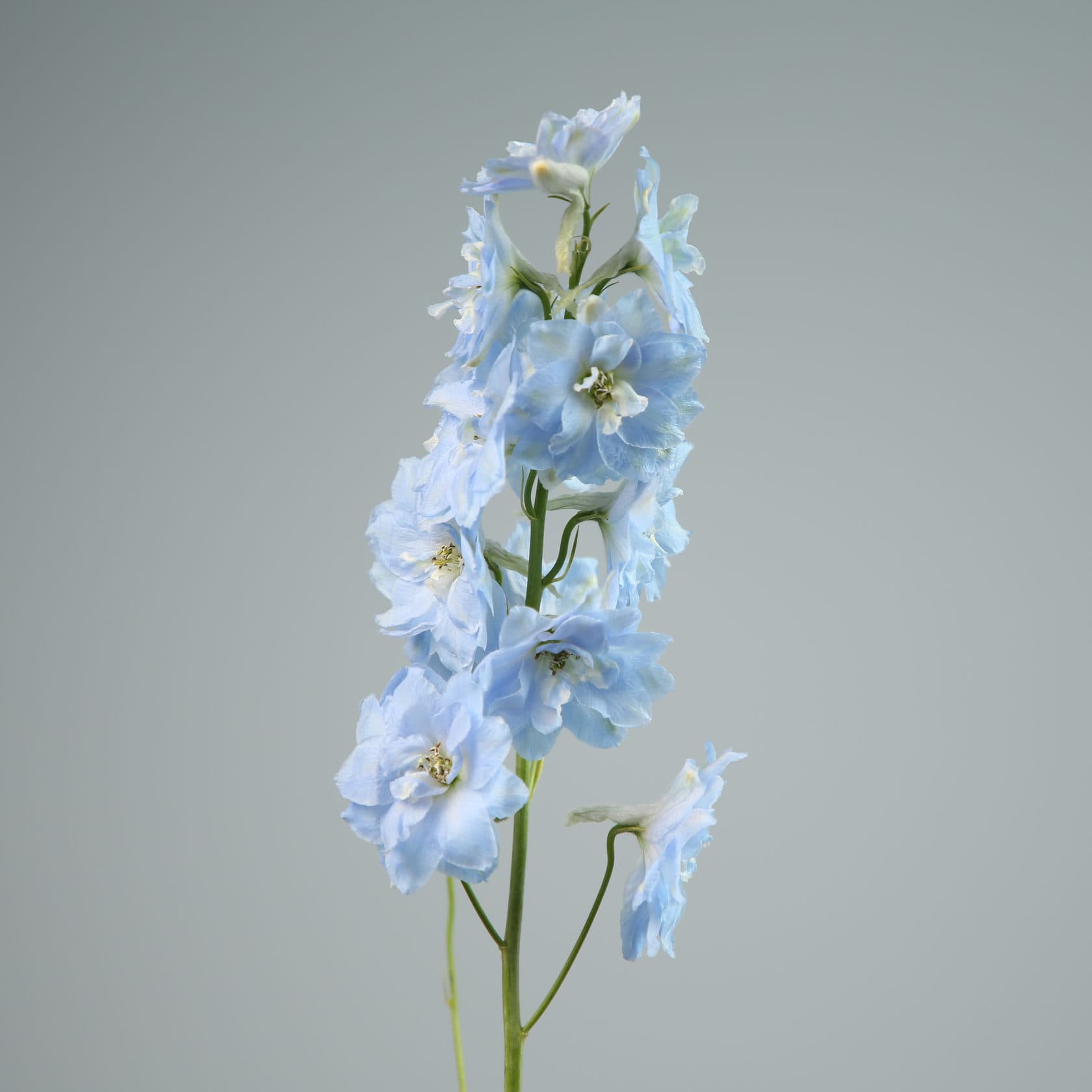
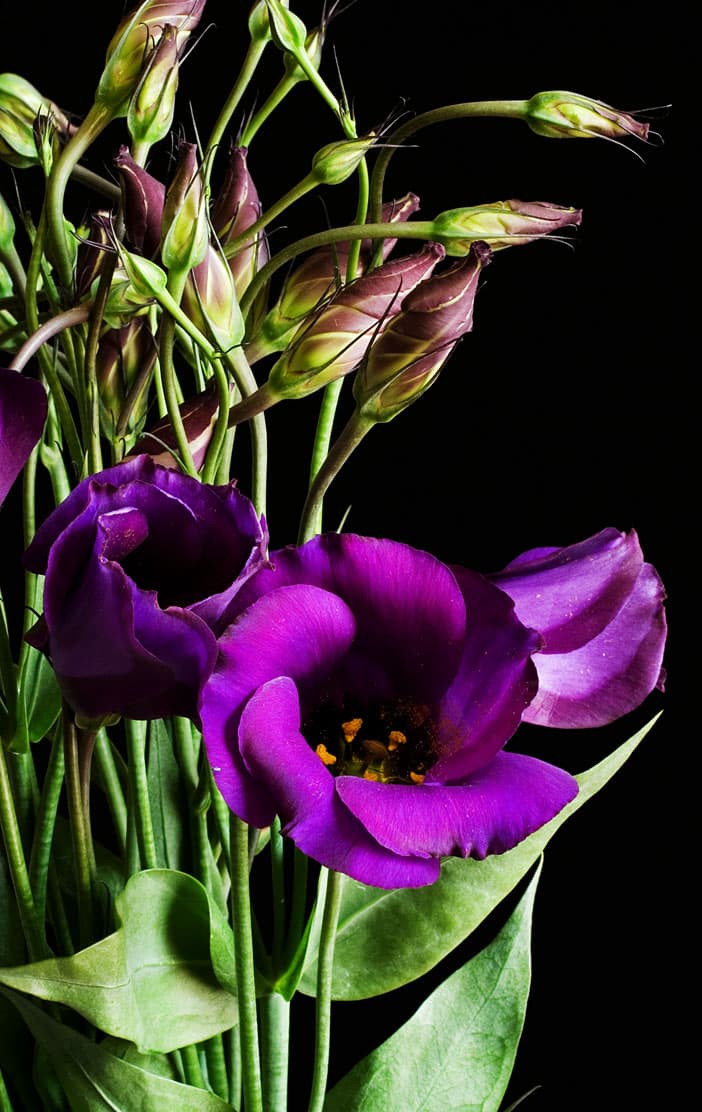
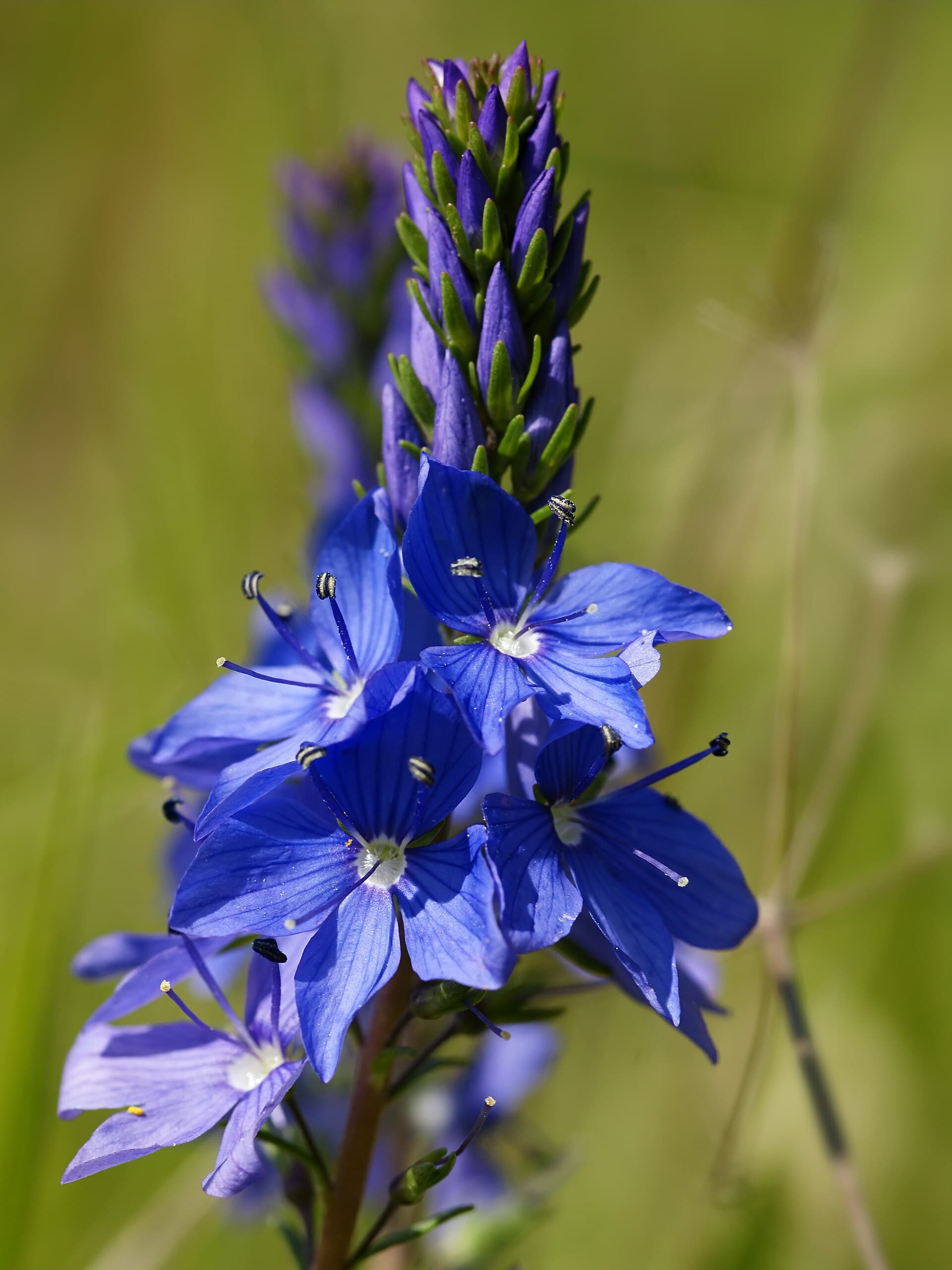
Good substitutes for Canterbury Bells include Foxglove, Delphinium, Lisianthus, Veronica. Match on look, colour and season — our substitute finder ranks the closest alternatives.
What does Canterbury Bells symbolise?
Canterbury Bells is associated with gratitude, constancy, everlasting love.
How do you care for cut Canterbury Bells?
Cut stems at an angle
Related flowers

Free to quote and cite with attribution and a link back, for non-commercial and editorial use (blogs, journalism, classrooms, research).
Lacy Bird Flower Encyclopedia — “Canterbury Bells”. https://lacybird.com/flowers/campanula/<a href="https://lacybird.com/flowers/campanula/">Lacy Bird Flower Encyclopedia — Canterbury Bells</a>