
Ivy
Ivy is the classical cascading greenery — trailing vines up to two metres, small leaves in deep green or variegated, exceptional vase life. A wedding bouquet staple for centuries, and now the go-to trailing element for modern bridal cascades and archway installations. Some varieties will even root in vase water — an old symbolic touch of fidelity.
| Family | Araliaceae |
|---|---|
| Origin | Europe, western Asia; commercially grown Netherlands, Italy |
| Peak season | all year |
| Availability | all year |
| Stem length | 40–200 cm |
| Vase life | 10–21 days |
| Colors | deep green, variegated |
| Price tier | budget |
Cut on a diagonal, fresh water. Vining stems can be trained around structures or cascade freely.
- •Trailing vines up to 2 metres — cascade edge staple
- •Long vase life, some varieties root in water
- •Variegated cultivars add textural contrast
- •Mildly toxic if ingested — keep away from pets
1 named ivy cultivars from the Lacy Bird master catalogue — each a distinct commercial variety.

Entries marked ✦ come from the Acanta master catalogue — the shared database of cut flowers, forms, colours and named varieties that florists and studios build on. The rest are our editorial genus reference. What is Acanta →
 Bouquet Builder — by Lacy Bird
Design the bouquet. See it as a photo.
Botanical reference
- Common name
- Common Ivy
- Also known as
- English ivy, Hedera helix aurantica, Hedera helix leucoclina, Hedera helix palmatoaurea, Hedera helix pavonii, Hedera helix vulgaris
- Distribution
- Albania, Austria, Baleares, Baltic States, Belarus, Belgium, Bulgaria, Central European Russia, Corse, Czechia-Slovakia
Open-data sources: GBIF, Wikidata (CC0/CC BY)
Frequently asked questions
When is Ivy in season?
Ivy peaks in all year, and florists can usually source it all year. Availability shifts by region and greenhouse supply.
How long does Ivy last in a vase?
Expect 10–21 days with proper conditioning — a clean vase, fresh water every couple of days, flower food, and a cool spot away from ripening fruit and direct heat.
What can I use instead of Ivy?
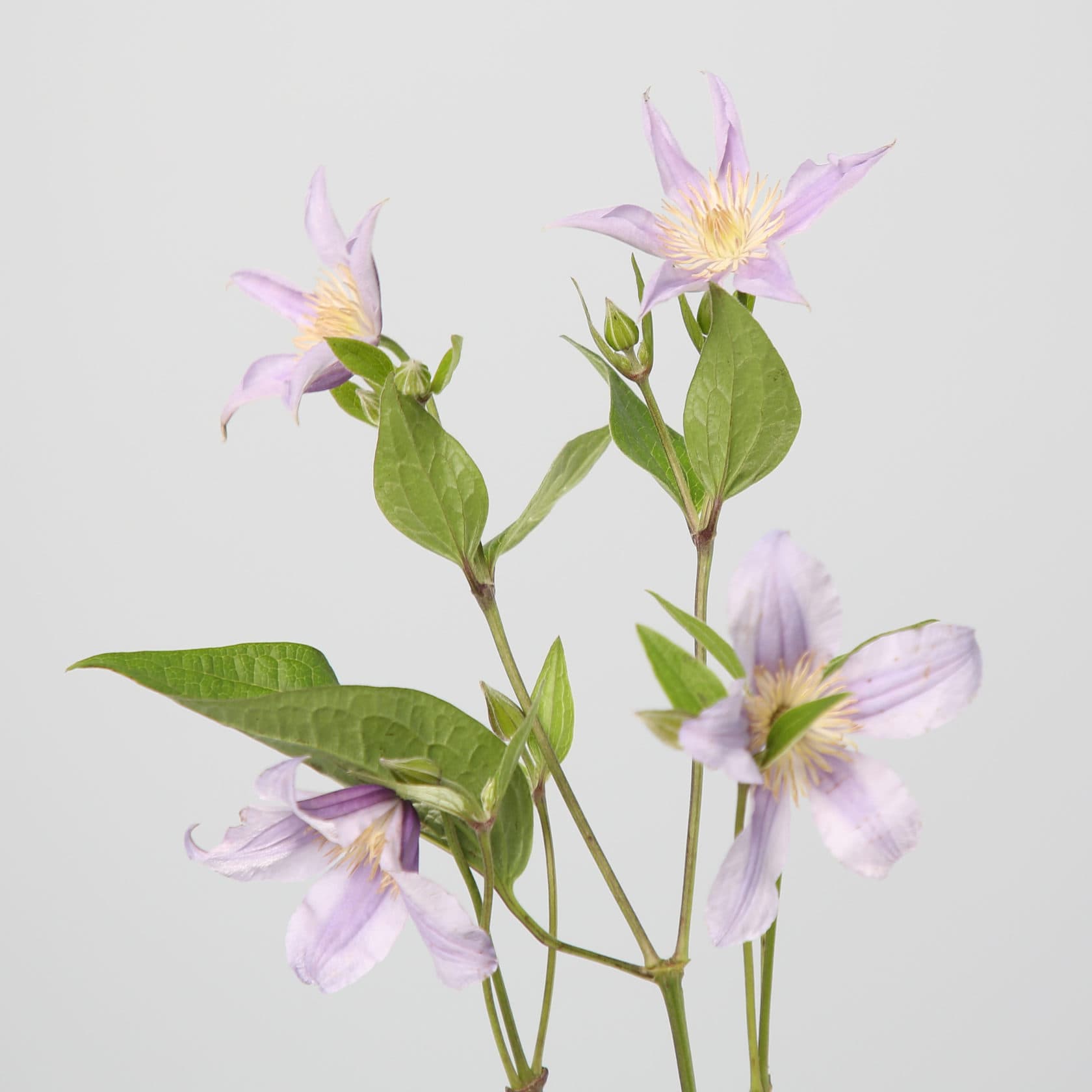
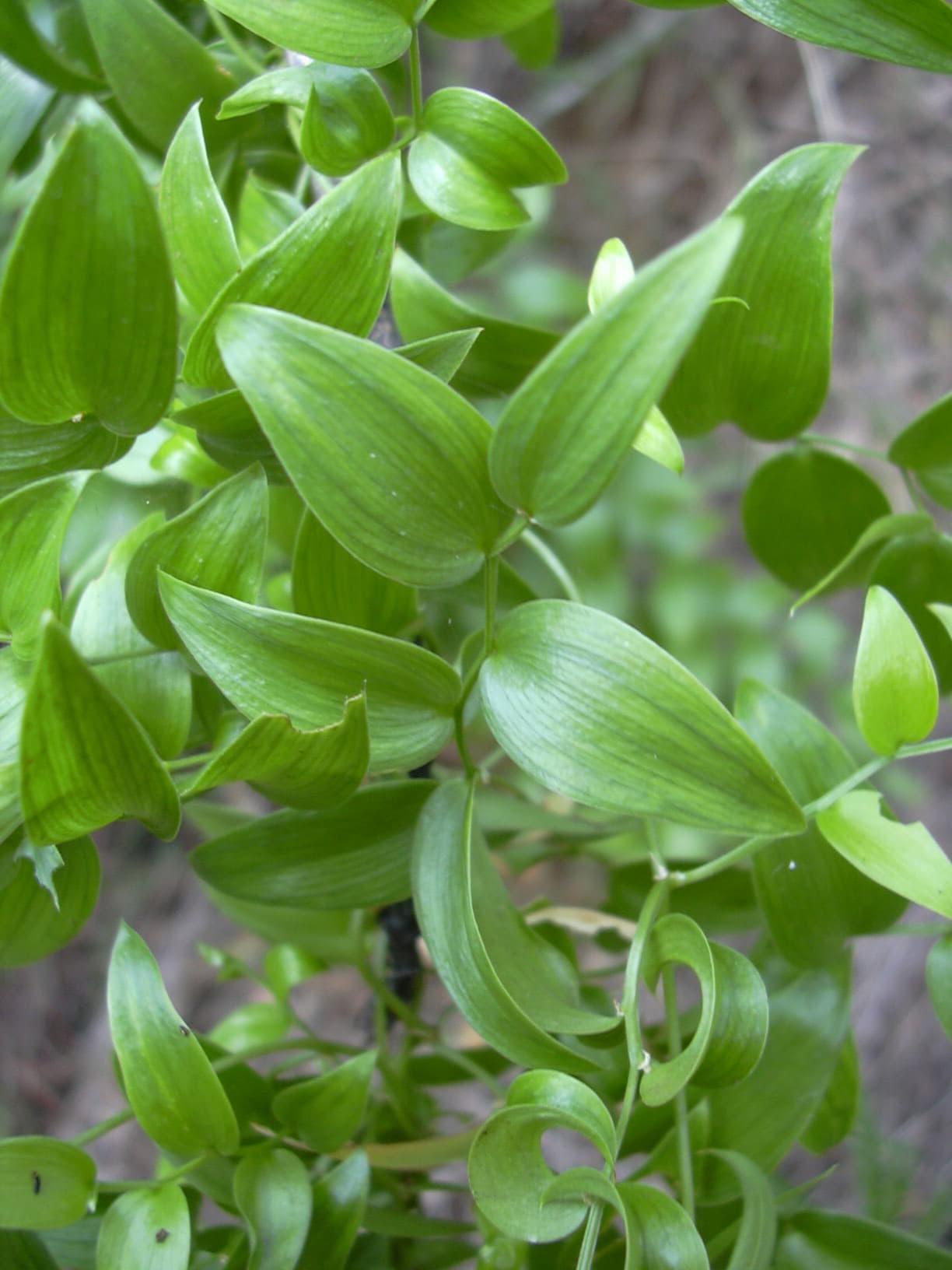
Good substitutes for Ivy include Clematis, Smilax, Passionflower Vine. Match on look, colour and season — our substitute finder ranks the closest alternatives.
What does Ivy symbolise?
Ivy is associated with fidelity, eternal life, wedded love.
How do you care for cut Ivy?
Trailing vines up to 2 metres — cascade edge staple
Related flowers

Free to quote and cite with attribution and a link back, for non-commercial and editorial use (blogs, journalism, classrooms, research).
Lacy Bird Flower Encyclopedia — “Ivy”. https://lacybird.com/flowers/ivy/<a href="https://lacybird.com/flowers/ivy/">Lacy Bird Flower Encyclopedia — Ivy</a>