Photo: Josep Renalias Lohen11 · CC BY-SA 3.0 · Wikimedia Commons
Magnolia
Magnolia grandiflora is a stately evergreen tree offering two gifts to florists: enormous, lemon-scented cream flowers and thick, glossy leaves backed with suede-brown felt. The blooms are among the most fragrant and architectural focals available, while the branches and foliage anchor large-scale installations and wreaths year-round. Cut flowers open quickly and are fleeting, so they are used at their moment of glory in luxury and event work. Few materials bring the same sculptural presence and Southern-garden grandeur.
| Family | Magnoliaceae |
|---|---|
| Origin | Southeastern United States |
| Peak season | May, June, July |
| Availability | May, June, July, August |
| Stem length | 40–90 cm |
| Vase life | 3–7 days |
| Colors | cream, white |
| Price tier | premium |
Cut magnolia branches on a sharp angle and, for woody stems, split the base to help them drink. Place in deep, cool water and let them condition for several hours before use. Handle the open flowers as little as possible — the cream petals bruise brown quickly — and expect blooms to be short-lived even when well cared for. The foliage lasts far longer and can be used fresh or preserved.
- •Split woody stem bases for better uptake
- •Condition in deep cool water for hours
- •Handle open flowers minimally — petals bruise
- •Use flowers at peak; they are short-lived
- •Reserve the long-lasting foliage for greenery work
 Bouquet Builder — by Lacy Bird
Design the bouquet. See it as a photo.
Botanical reference
- Common name
- Big-laurel
- Also known as
- southern magnolia, bull bay, Magnolia angustifolia, Magnolia elliptica, Magnolia exoniensis, Magnolia ferruginea, Magnolia foetida, Magnolia foetida margaretiae, Magnolia foetida margaretta, Magnolia foetida parvifolia, Magnolia galissoniensis, Magnolia glabra
- Distribution
- Alabama, Florida, Georgia, Global, Jardín Botánico de Bogotá, Louisiana, Mississippi, No especificado, North America, North Carolina
- Uses
- afforestation, medicinal plant, wood, food
Open-data sources: GBIF, Wikidata (CC0/CC BY)
Frequently asked questions
When is Magnolia in season?
Magnolia peaks in May, June, July, and florists can usually source it May, June, July, August. Availability shifts by region and greenhouse supply.
How long does Magnolia last in a vase?
Expect 3–7 days with proper conditioning — a clean vase, fresh water every couple of days, flower food, and a cool spot away from ripening fruit and direct heat.
What can I use instead of Magnolia?
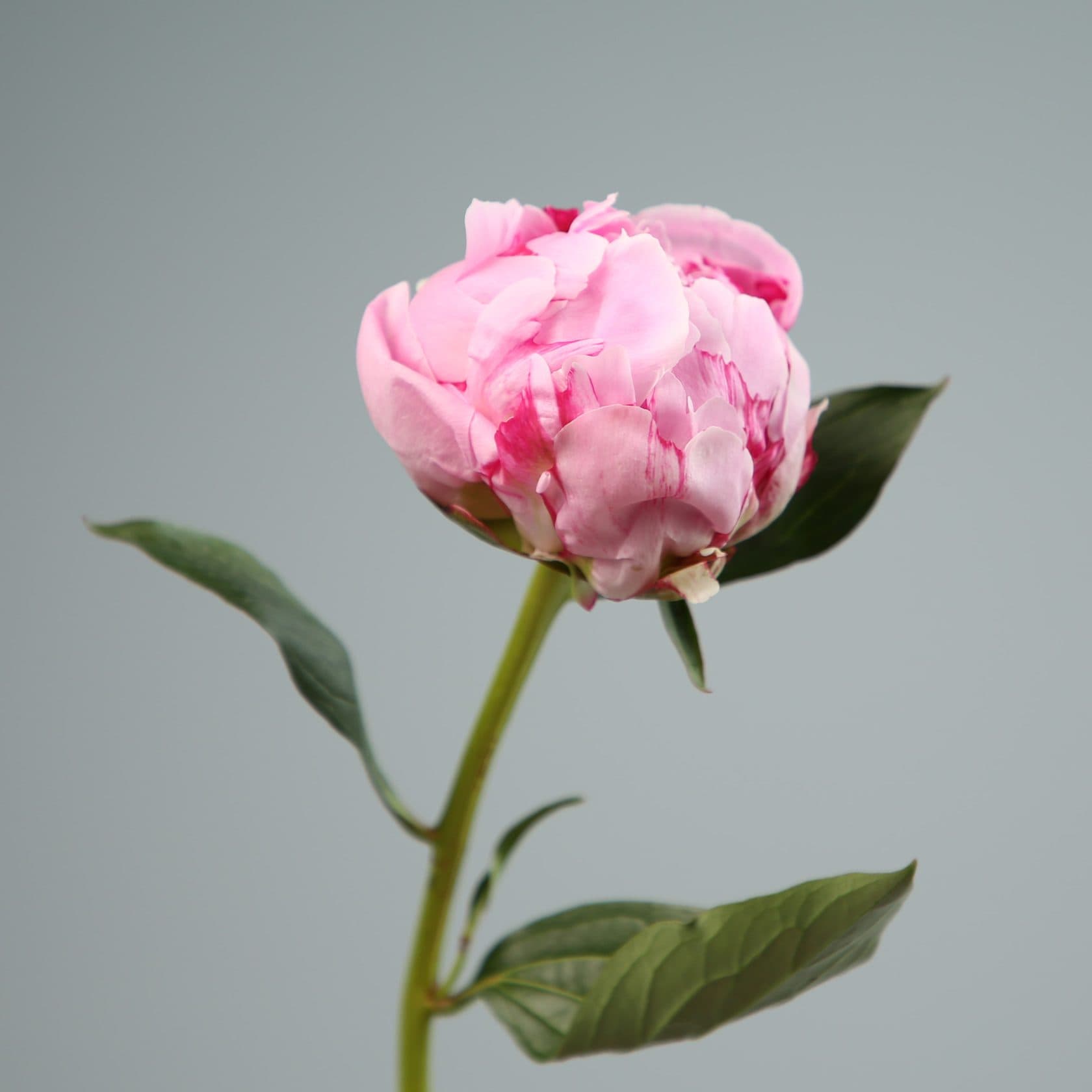
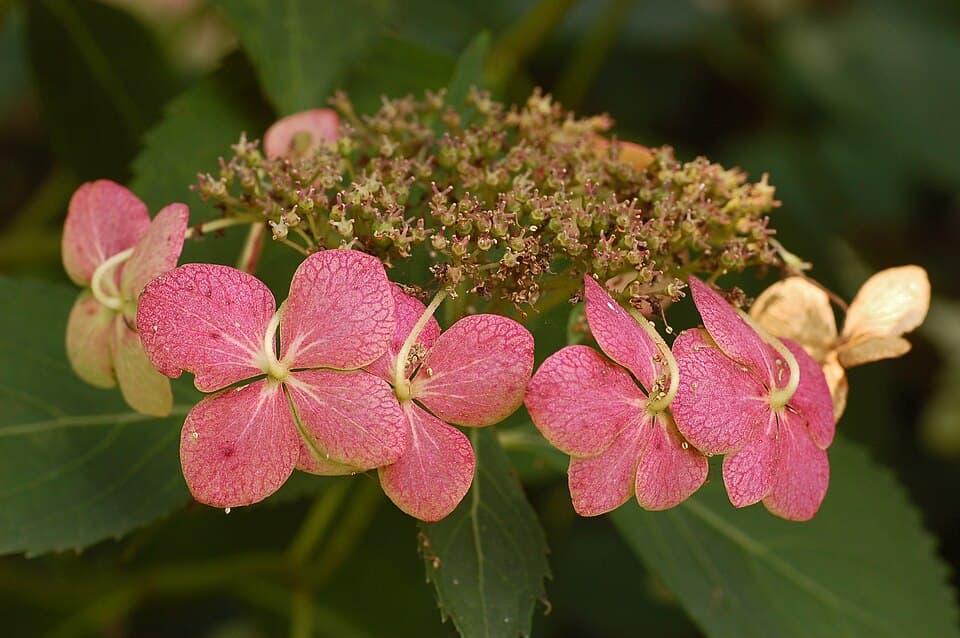
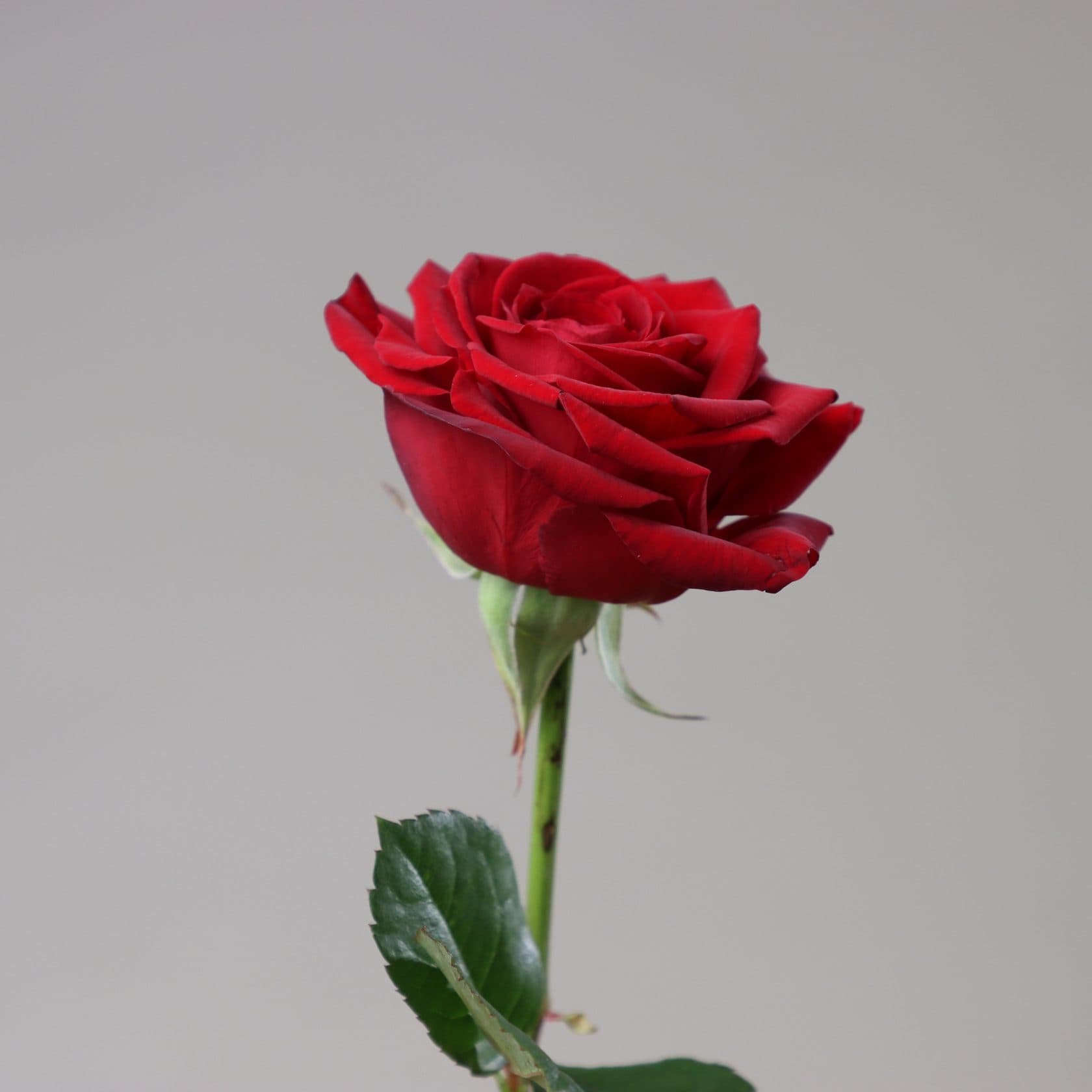
Good substitutes for Magnolia include Garden rose, Peony, Hydrangea. Match on look, colour and season — our substitute finder ranks the closest alternatives.
What does Magnolia symbolise?
Magnolia is associated with dignity, nobility, perseverance, purity, magnificence.
How do you care for cut Magnolia?
Split woody stem bases for better uptake
Related flowers

Free to quote and cite with attribution and a link back, for non-commercial and editorial use (blogs, journalism, classrooms, research).
Lacy Bird Flower Encyclopedia — “Magnolia”. https://lacybird.com/flowers/magnolia/<a href="https://lacybird.com/flowers/magnolia/">Lacy Bird Flower Encyclopedia — Magnolia</a>