Photo: C T Johansson · CC BY-SA 3.0 · Wikimedia Commons
Salvia
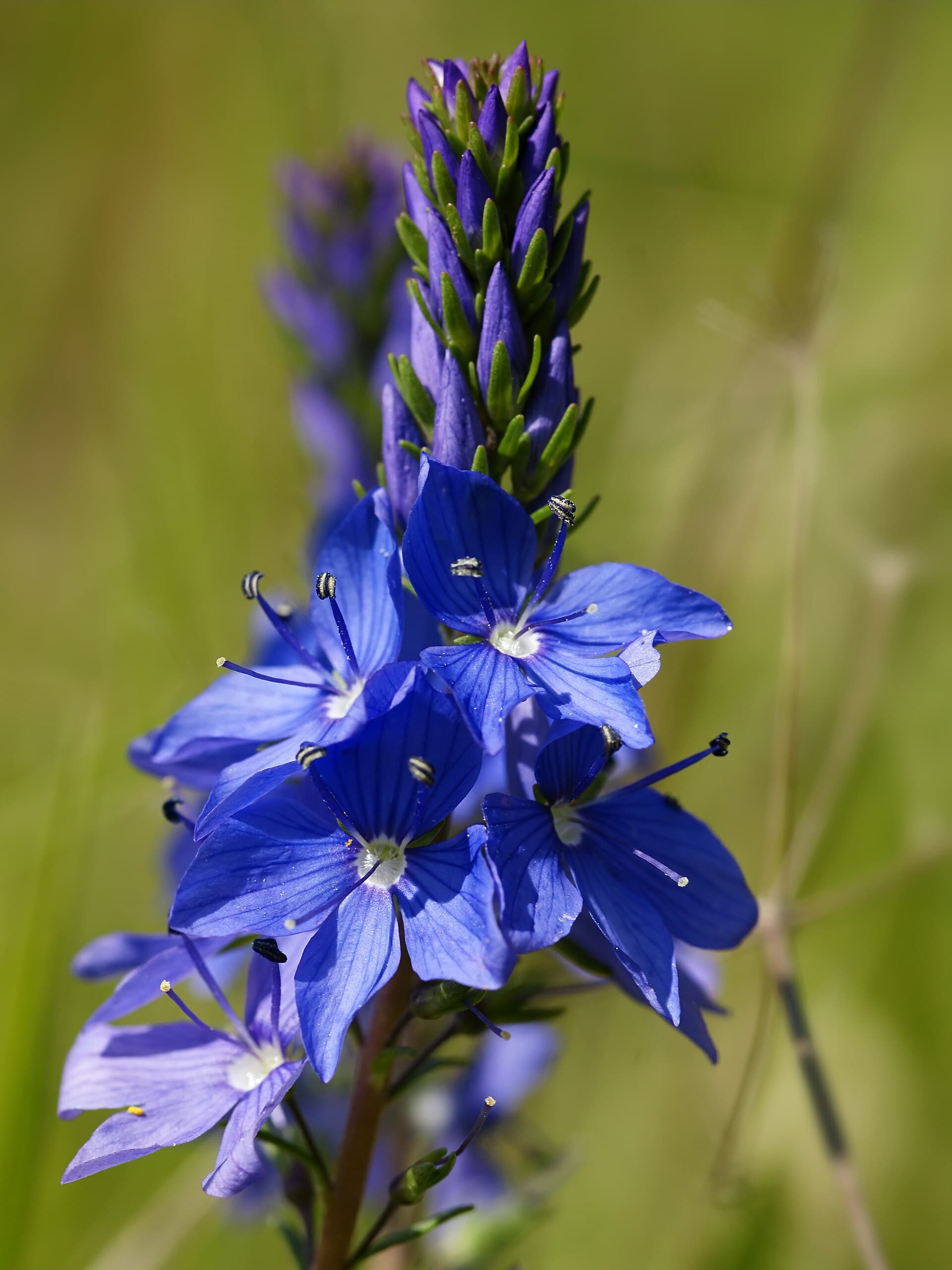
Ornamental salvia sends up slim, upright spikes densely packed with small tubular flowers in deep purples and blues. As a member of the sage family it carries a light herbal scent and a naturalistic, meadow-like character. Florists reach for it as a line flower to add height, rhythm and cool colour to garden-style arrangements. It pairs beautifully with roses, veronica and grasses.
| Family | Lamiaceae |
|---|---|
| Origin | Europe and Western Asia |
| Peak season | June, July |
| Availability | May, June, July, August, September |
| Stem length | 30–60 cm |
| Vase life | 5–8 days |
| Colors | purple, blue, lavender |
| Price tier | mid |
Cut stems cleanly and remove the lower leaves, which wilt quickly in water. Condition in deep, cool water for several hours before arranging. Keep away from heat and drafts, and refresh the water often as salvia drinks heavily.
- •Remove lower foliage
- •Condition in deep cool water
- •Refresh water frequently
- •Keep away from heat
- •Recut stems if they soften
 Bouquet Builder — by Lacy Bird
Design the bouquet. See it as a photo.
Botanical reference
- Common name
- Balkan Clary
- Also known as
- ornamental sage, wood sage, Salvia nemorosa illuminata, Salvia nemorosa jailicola, Salvia nemorosa moldavica, Salvia sylvestris nemorosa, Sclarea nemorosa, Sclarea punctata
- Distribution
- Afghanistan, Albania, Austria, Bulgaria, Central European Russia, Czechia-Slovakia, East European Russia, France, Germany, Greece
Open-data sources: GBIF, Wikidata (CC0/CC BY)
Frequently asked questions
When is Salvia in season?
Salvia peaks in June, July, and florists can usually source it May, June, July, August, September. Availability shifts by region and greenhouse supply.
How long does Salvia last in a vase?
Expect 5–8 days with proper conditioning — a clean vase, fresh water every couple of days, flower food, and a cool spot away from ripening fruit and direct heat.
What can I use instead of Salvia?
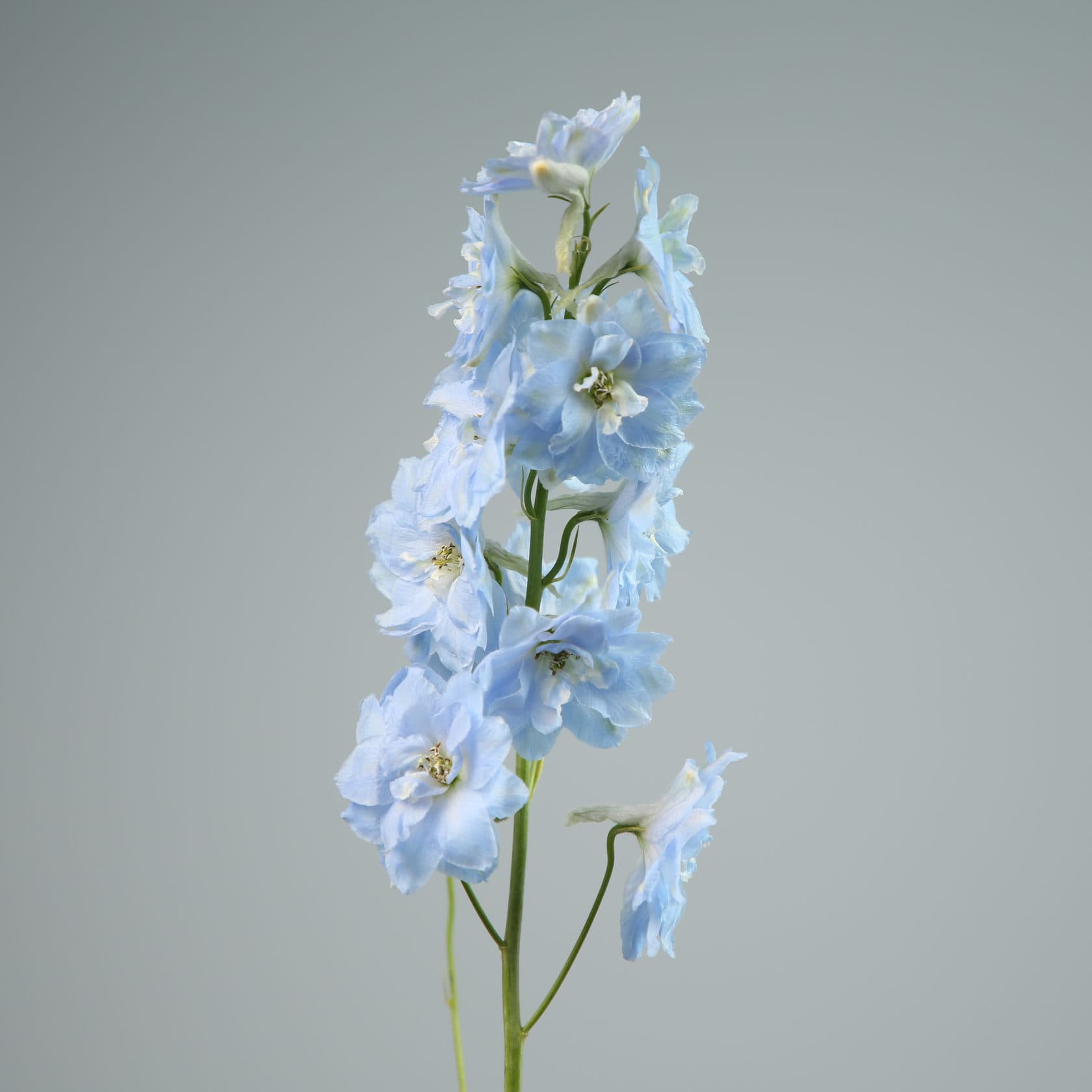
Good substitutes for Salvia include Veronica, Liatris, Larkspur. Match on look, colour and season — our substitute finder ranks the closest alternatives.
What does Salvia symbolise?
Salvia is associated with wisdom, healing, esteem, wellbeing.
How do you care for cut Salvia?
Remove lower foliage
Related flowers


Free to quote and cite with attribution and a link back, for non-commercial and editorial use (blogs, journalism, classrooms, research).
Lacy Bird Flower Encyclopedia — “Salvia”. https://lacybird.com/flowers/salvia/<a href="https://lacybird.com/flowers/salvia/">Lacy Bird Flower Encyclopedia — Salvia</a>