Photo: Didier Descouens · CC BY-SA 4.0 · Wikimedia Commons
Larkspur
Larkspur is the annual, more available cousin of delphinium — same vertical line and true blue potential at a lower price. Dries with the colour preserved, so it's used widely in dried wreath and boutonniere work. Toxic if ingested; not for households with pets that chew flowers.
| Family | Ranunculaceae |
|---|---|
| Origin | Mediterranean; commercially grown Netherlands, California, Italy |
| Peak season | June, July, August |
| Availability | May to September |
| Stem length | 60–120 cm |
| Vase life | 5–8 days |
| Colors | white, pink, purple, blue, lavender |
| Price tier | mid |
Cut on a diagonal, fresh water. Same handling as delphinium — hollow stem.
- •Same family as delphinium — hollow stem, same care
- •Cheaper and more available than perennial delphinium
- •Dries beautifully — a cut-flower and preserved staple
- •Toxic if ingested — keep away from pets
 Bouquet Builder — by Lacy Bird
Design the bouquet. See it as a photo.
Botanical reference
- Also known as
- annual delphinium
- Distribution
- North America
- Uses
- medicinal plant
Open-data sources: GBIF, Wikidata (CC0/CC BY)
Frequently asked questions
When is Larkspur in season?
Larkspur peaks in June, July, August, and florists can usually source it May to September. Availability shifts by region and greenhouse supply.
How long does Larkspur last in a vase?
Expect 5–8 days with proper conditioning — a clean vase, fresh water every couple of days, flower food, and a cool spot away from ripening fruit and direct heat.
What can I use instead of Larkspur?
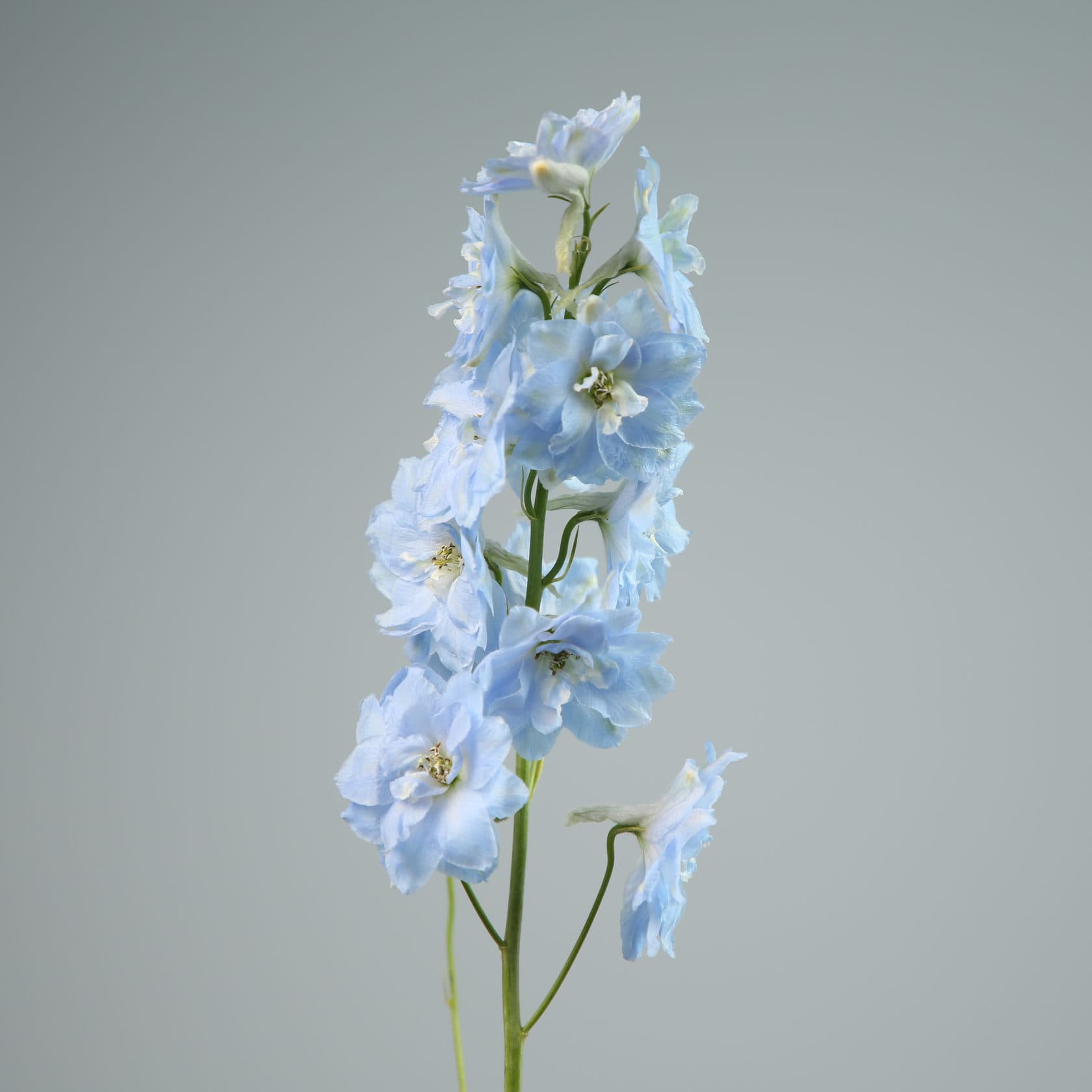
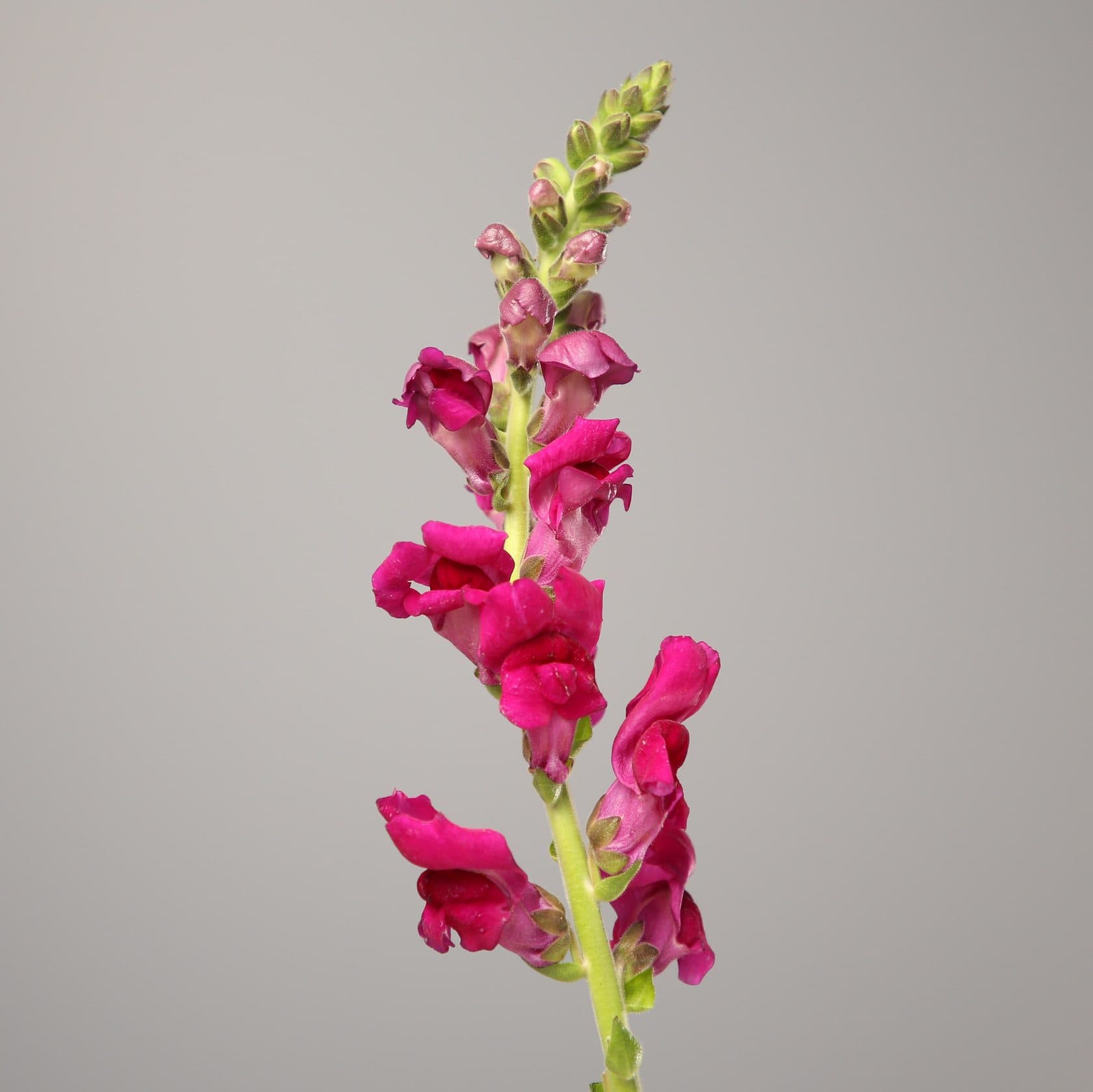
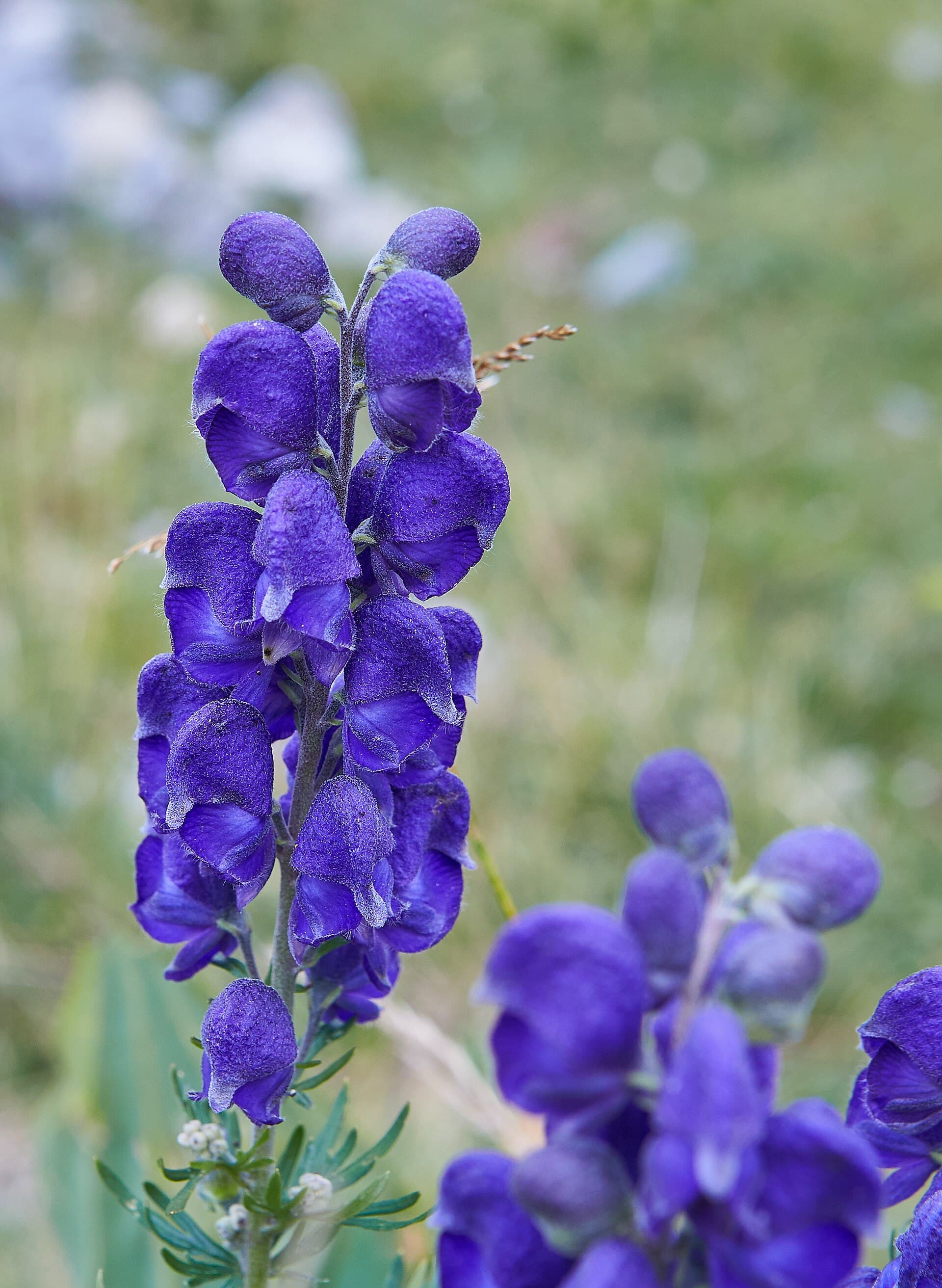
Good substitutes for Larkspur include Delphinium, Snapdragon, Monkshood. Match on look, colour and season — our substitute finder ranks the closest alternatives.
What does Larkspur symbolise?
Larkspur is associated with open heart, lightness, swift attachment.
How do you care for cut Larkspur?
Same family as delphinium — hollow stem, same care
Related flowers

Free to quote and cite with attribution and a link back, for non-commercial and editorial use (blogs, journalism, classrooms, research).
Lacy Bird Flower Encyclopedia — “Larkspur”. https://lacybird.com/flowers/larkspur/<a href="https://lacybird.com/flowers/larkspur/">Lacy Bird Flower Encyclopedia — Larkspur</a>