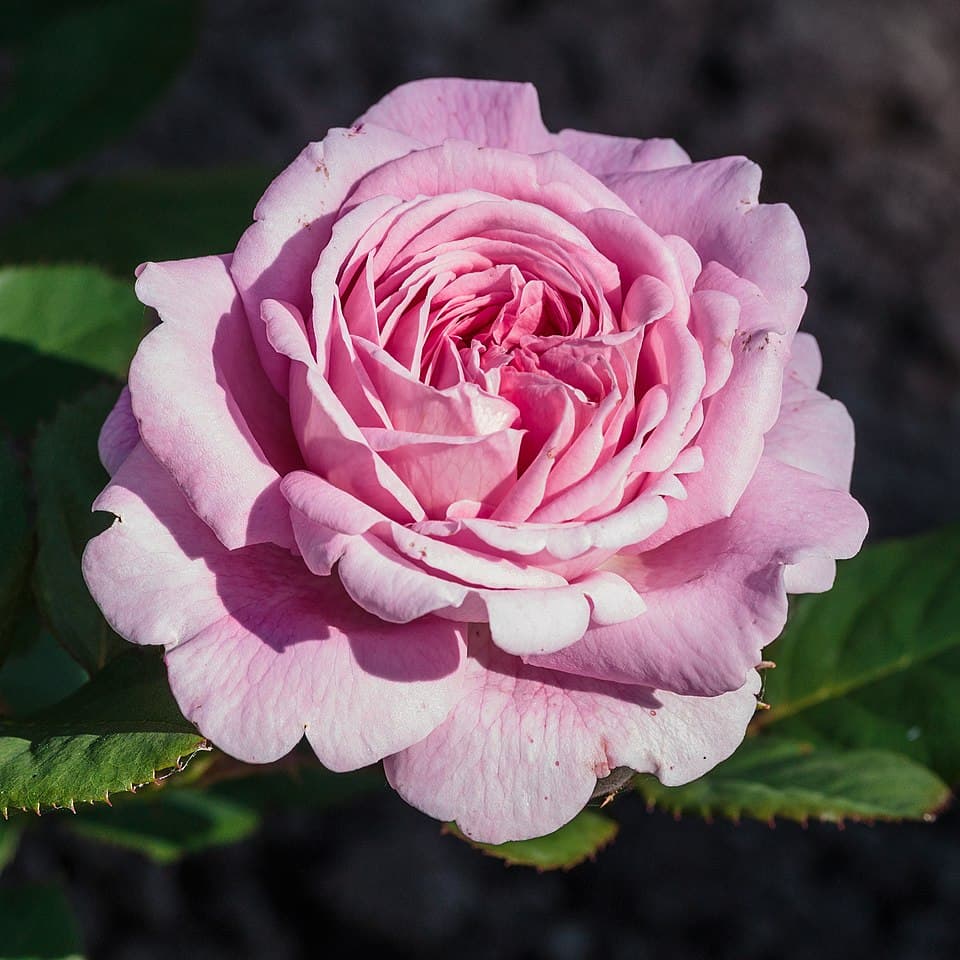
Spray rose
A single stem carries 3–7 rose heads at different opening stages. Loved by wedding florists for its versatility — split into individual heads for boutonnieres, or keep whole for airy filler. Common cultivars: Majolica (cream), Yana (pink), Baby Romantica (peach). Costs 25–40% more per stem than standard roses, but delivers 3–5× the coverage.
| Family | Rosaceae |
|---|---|
| Origin | Cultivated worldwide, mainly Ecuador and Colombia |
| Peak season | all year |
| Availability | all year |
| Stem length | 40–60 cm |
| Vase life | 7–10 days |
| Colors | white, cream, pink, peach, red, burgundy, lavender |
| Price tier | mid |
Same as standard rose — angled cut, remove lower foliage, warm water. Snip off any spent flowers on the cluster to keep the rest looking fresh.
- •Multiple heads per stem = more surface area losing moisture — check water level daily
- •Splits well into 2–4 small stems for boutonnieres or filler
- •Buds continue opening for 3–5 days after buying
 Bouquet Builder — by Lacy Bird
Design the bouquet. See it as a photo.
Botanical reference
- Common name
- Damask Rose
- Also known as
- cluster rose, Bakeria, Chabertia, Chavinia, Cottetia, Crepinia, Ernestella, Hesperhodos, Hulthemia, Hulthemosa, Juzepczukia, Laggeria
- Distribution
- Afghanistan, Alabama, Alaska, Albania, Alberta, Algeria, Altay, Amur, Arizona, Arkansas
Open-data sources: GBIF, Wikidata (CC0/CC BY)
Frequently asked questions
When is Spray rose in season?
Spray rose peaks in all year, and florists can usually source it all year. Availability shifts by region and greenhouse supply.
How long does Spray rose last in a vase?
Expect 7–10 days with proper conditioning — a clean vase, fresh water every couple of days, flower food, and a cool spot away from ripening fruit and direct heat.
What can I use instead of Spray rose?
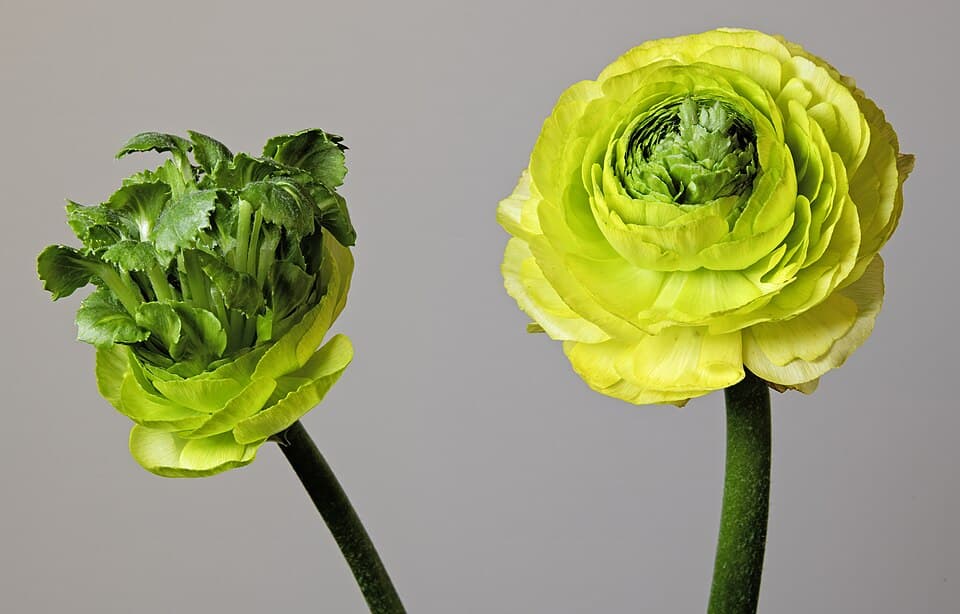
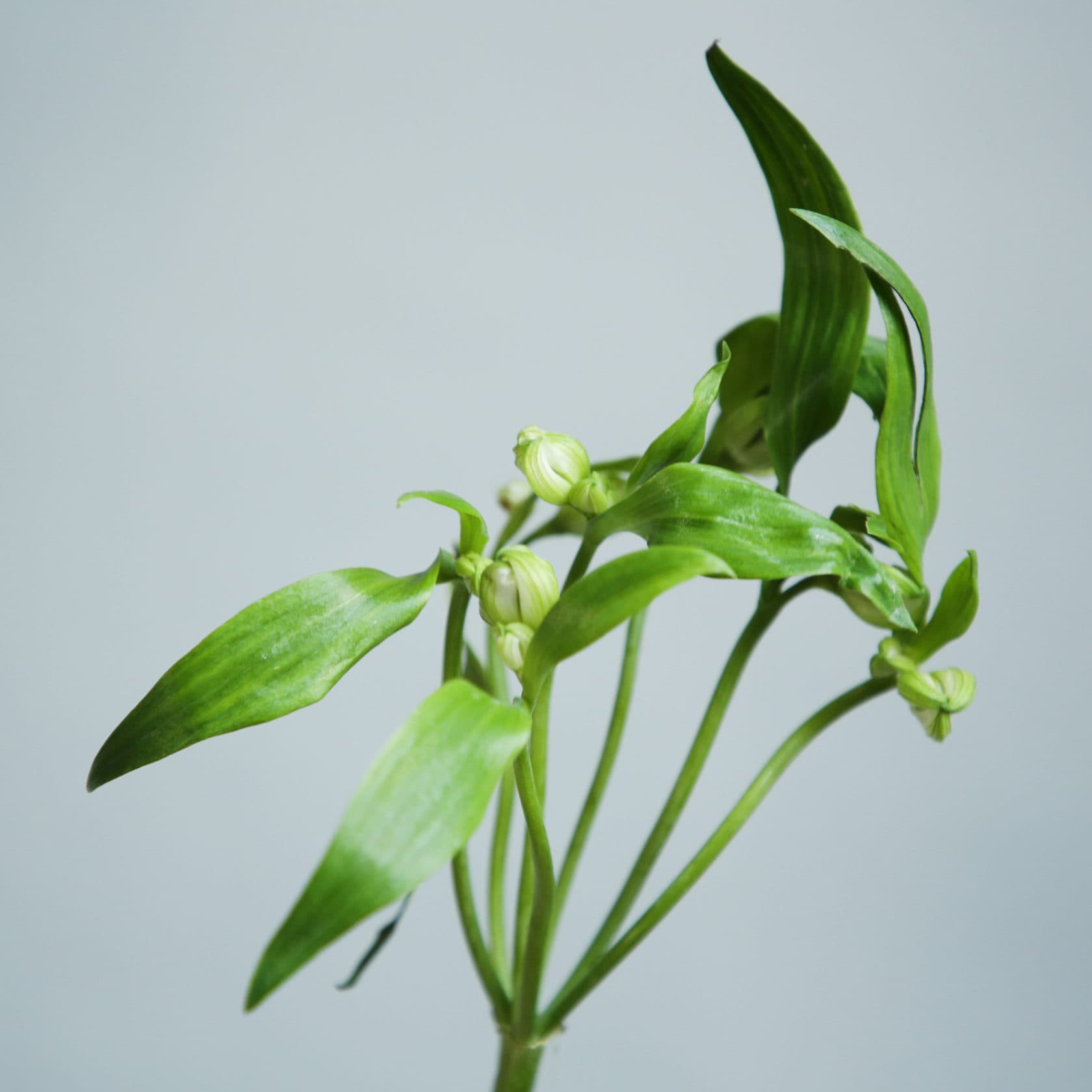
Good substitutes for Spray rose include Ranunculus, Alstroemeria. Match on look, colour and season — our substitute finder ranks the closest alternatives.
What does Spray rose symbolise?
Spray rose is associated with thoughtfulness, youth, gratitude.
How do you care for cut Spray rose?
Multiple heads per stem = more surface area losing moisture — check water level daily
Related flowers


Free to quote and cite with attribution and a link back, for non-commercial and editorial use (blogs, journalism, classrooms, research).
Lacy Bird Flower Encyclopedia — “Spray rose”. https://lacybird.com/flowers/spray-rose/<a href="https://lacybird.com/flowers/spray-rose/">Lacy Bird Flower Encyclopedia — Spray rose</a>