Sunflower
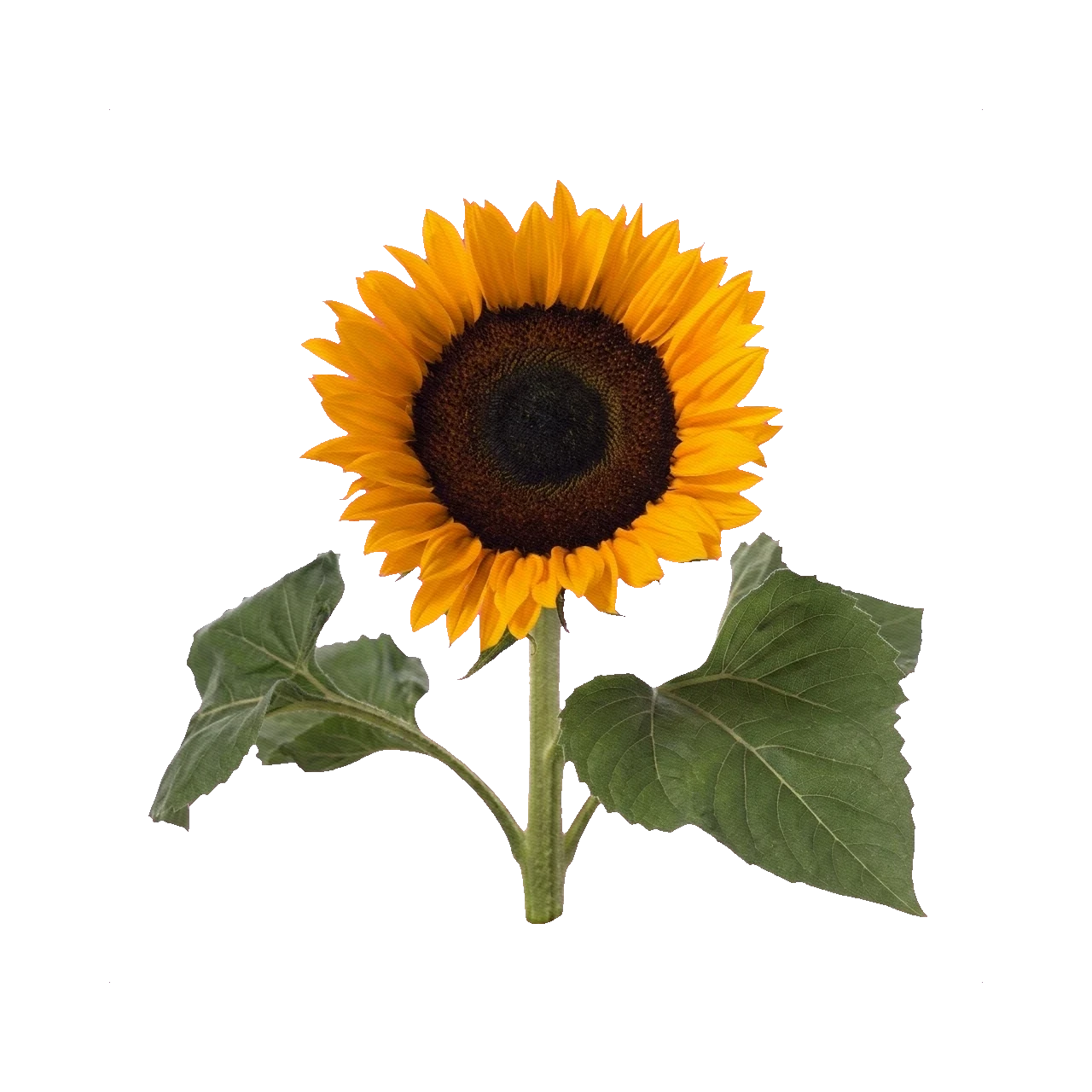
Sunflowers are the face of late summer floristry — bold, cheerful, and grown locally on almost every continent. Pollenless varieties (Sunbright, ProCut Orange) have replaced classic pollen-producing sunflowers in commercial work — no more stained tablecloths. Miniature sunflowers (Teddy Bear, fully double heads) have opened the flower to wedding and event use.
| Family | Asteraceae |
|---|---|
| Origin | North America; commercially grown by local farms worldwide |
| Peak season | July, August, September |
| Availability | June to October |
| Stem length | 50–100 cm |
| Vase life | 7–12 days |
| Colors | yellow, orange, burgundy, brown, bicolor |
| Price tier | budget |
Cut on a sharp diagonal. Strip all lower foliage. Deep water is fine.
- •Heavy heads — use a tall vase with structural support
- •Drink heavily — check water level daily
- •Modern pollenless cultivars (Sunbright, ProCut) avoid pollen mess
- •Miniature varieties (Teddy Bear, Sunspot) work for compact arrangements
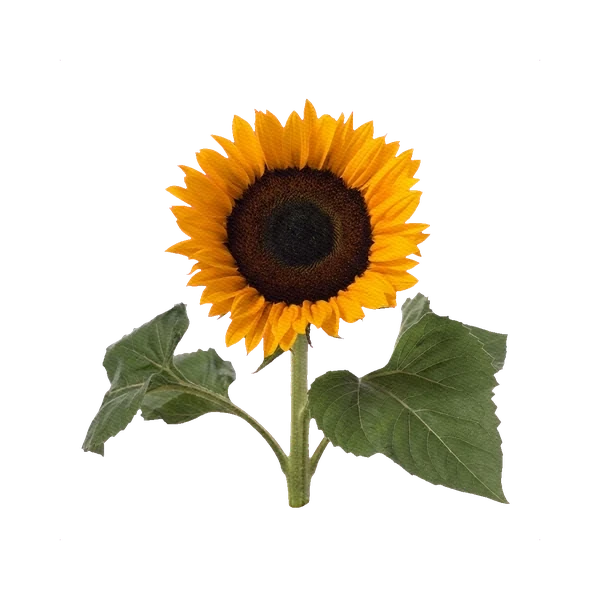
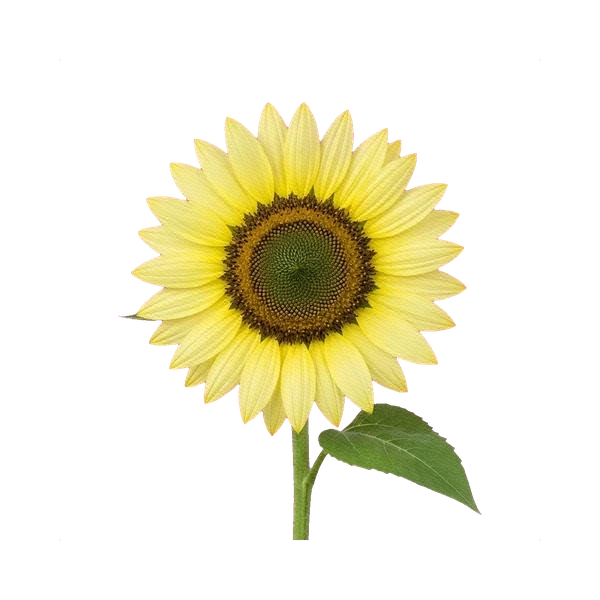
4 named sunflower cultivars from the Lacy Bird master catalogue — each a distinct commercial variety.
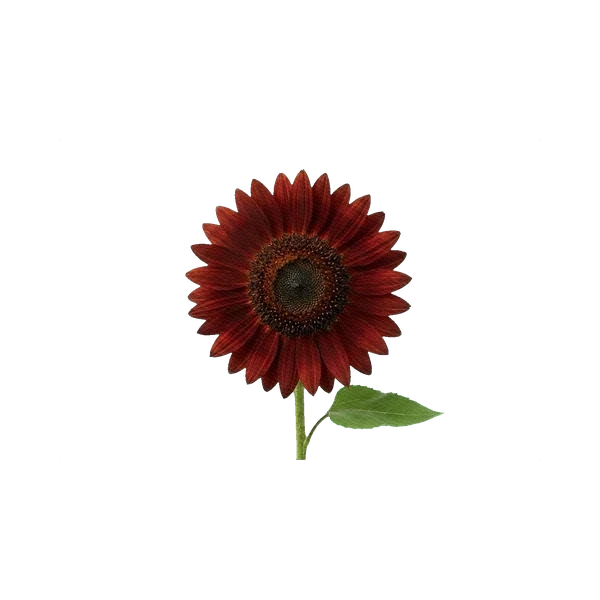
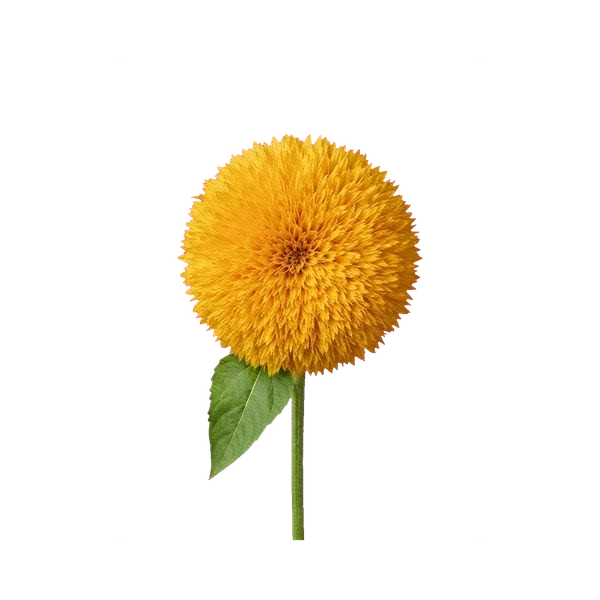
Entries marked ✦ come from the Acanta master catalogue — the shared database of cut flowers, forms, colours and named varieties that florists and studios build on. The rest are our editorial genus reference. What is Acanta →
 Bouquet Builder — by Lacy Bird
Design the bouquet. See it as a photo.
Botanical reference
- Common name
- Annual Sunflower
- Also known as
- Helianthus annuus annuus, Helianthus annuus apicalis, Helianthus annuus aridus, Helianthus annuus basalis, Helianthus annuus californicus, Helianthus annuus chrysanthemoides, Helianthus annuus diadem, Helianthus annuus fallax, Helianthus annuus giganteus, Helianthus annuus globosofistulosus, Helianthus annuus inornatus, Helianthus annuus jaegeri
- Distribution
- Alabama, Arizona, Assam, Azerbaijan, Bihar, Bosnia-Herzegovina, California, Caribbean, Chandigarh, Connecticut
- Cold storage
- 0–1 °C
- Ethylene sensitivity
- sensitive
- Uses
- medicinal plant, fodder, food, fiber
Open-data sources: GBIF, Wikidata (CC0/CC BY), USDA Agriculture Handbook 66 (public domain)
Frequently asked questions
When is Sunflower in season?
Sunflower peaks in July, August, September, and florists can usually source it June to October. Availability shifts by region and greenhouse supply.
How long does Sunflower last in a vase?
Expect 7–12 days with proper conditioning — a clean vase, fresh water every couple of days, flower food, and a cool spot away from ripening fruit and direct heat.
What can I use instead of Sunflower?
Good substitutes for Sunflower include Gerbera, Helenium, Tithonia. Match on look, colour and season — our substitute finder ranks the closest alternatives.
What does Sunflower symbolise?
Sunflower is associated with adoration, loyalty, longevity.
How do you care for cut Sunflower?
Heavy heads — use a tall vase with structural support
Related flowers


Free to quote and cite with attribution and a link back, for non-commercial and editorial use (blogs, journalism, classrooms, research).
Lacy Bird Flower Encyclopedia — “Sunflower”. https://lacybird.com/flowers/sunflower/<a href="https://lacybird.com/flowers/sunflower/">Lacy Bird Flower Encyclopedia — Sunflower</a>