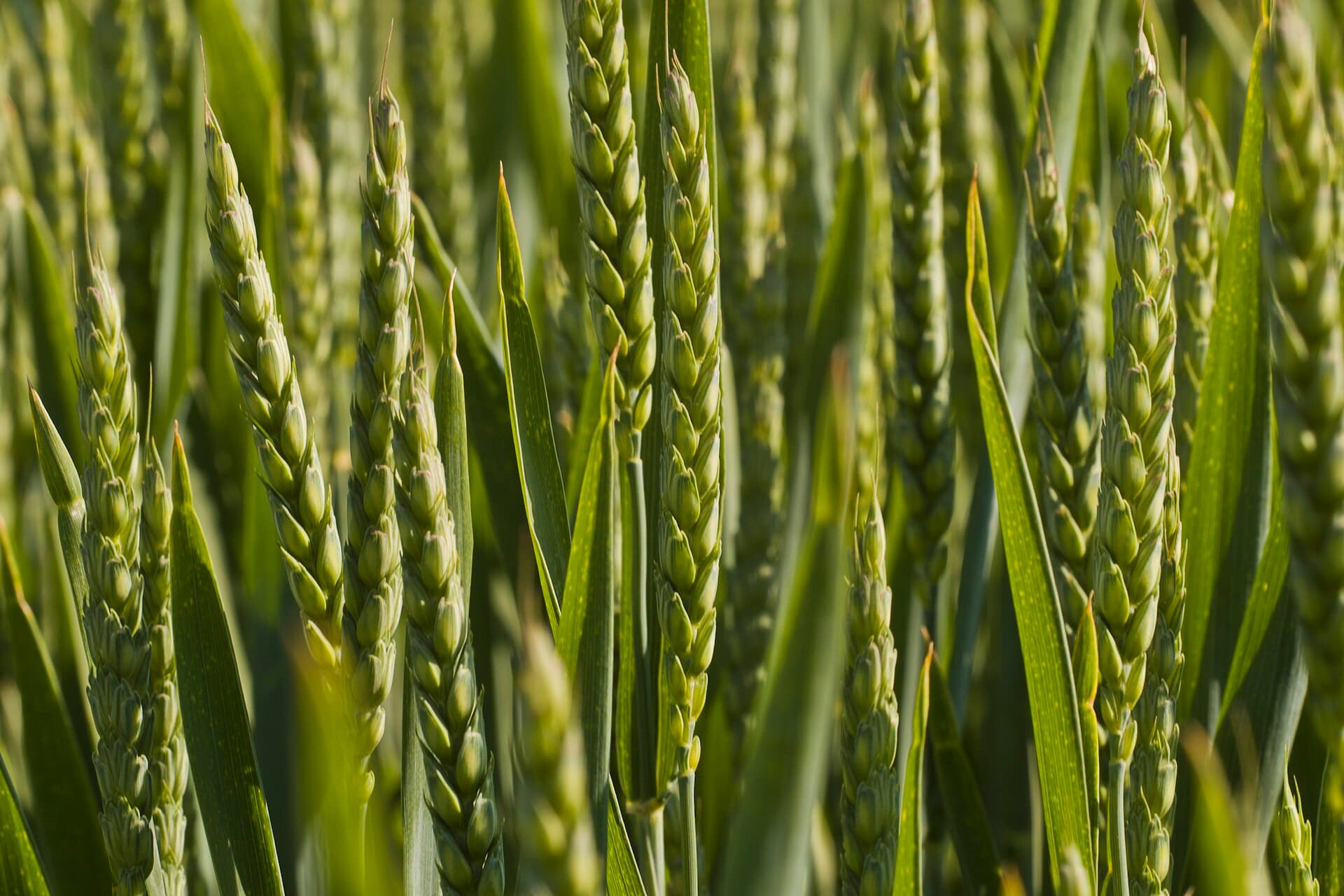
Photo: INRA DIST from France · CC BY 2.0 · Wikimedia Commons
Wheat
Wheat is the golden cereal grass whose slender bearded heads have symbolised harvest and abundance for millennia. Cut and dried to a warm honey-gold, the upright stems bring line, movement and a rustic, agricultural charm to autumn work. Florists use it in sheaf bouquets, boutonnieres, garlands and tall dried installations, where its fine awns catch the light beautifully. Cheap, long-lasting and endlessly versatile, wheat is a cornerstone of country and harvest-themed floristry.
| Family | Poaceae |
|---|---|
| Origin | Fertile Crescent, Western Asia |
| Peak season | July, August |
| Availability | January, February, March, April, May, June, July, August, September, October, November, December |
| Stem length | 50–90 cm |
| Vase life | 14–90 days |
| Colors | yellow, bronze, brown |
| Price tier | budget |
Wheat is nearly always used dried and needs no water, so it works equally well in vases, foam-free installations and buttonholes. If cut green it can take a short cool drink before drying naturally to gold. Store somewhere dry and airy; keep it out of humidity, which can encourage mould on the ripe grain heads.
- •Use dry, with no water needed once cured
- •Give green wheat a brief cool drink before it dries
- •Store in a dry, airy place away from humidity
- •Bundle stems to create classic sheaf shapes
- •Trim awns gently as bearded tips can shatter
 Bouquet Builder — by Lacy Bird
Design the bouquet. See it as a photo.
Botanical reference
- Common name
- Bread Wheat
- Also known as
- bearded wheat, wheat sheaf, corn, Frumentum triticum, Triticum aestivum, Triticum aestivum albinflatocapitatum, Triticum aestivum australianum, Triticum aestivum brezhnevii, Triticum aestivum dorofeevii, Triticum aestivum erythrospermum, Triticum aestivum ferrugineum, Triticum aestivum ischkaschimicum
- Distribution
- Caribbean, India, Iran, North America, Oceania, South America
- Uses
- medicinal plant, cereal, fodder, fiber
Open-data sources: GBIF, Wikidata (CC0/CC BY)
Frequently asked questions
When is Wheat in season?
Wheat peaks in July, August, and florists can usually source it January, February, March, April, May, June, July, August, September, October, November, December. Availability shifts by region and greenhouse supply.
How long does Wheat last in a vase?
Expect 14–90 days with proper conditioning — a clean vase, fresh water every couple of days, flower food, and a cool spot away from ripening fruit and direct heat.
What can I use instead of Wheat?
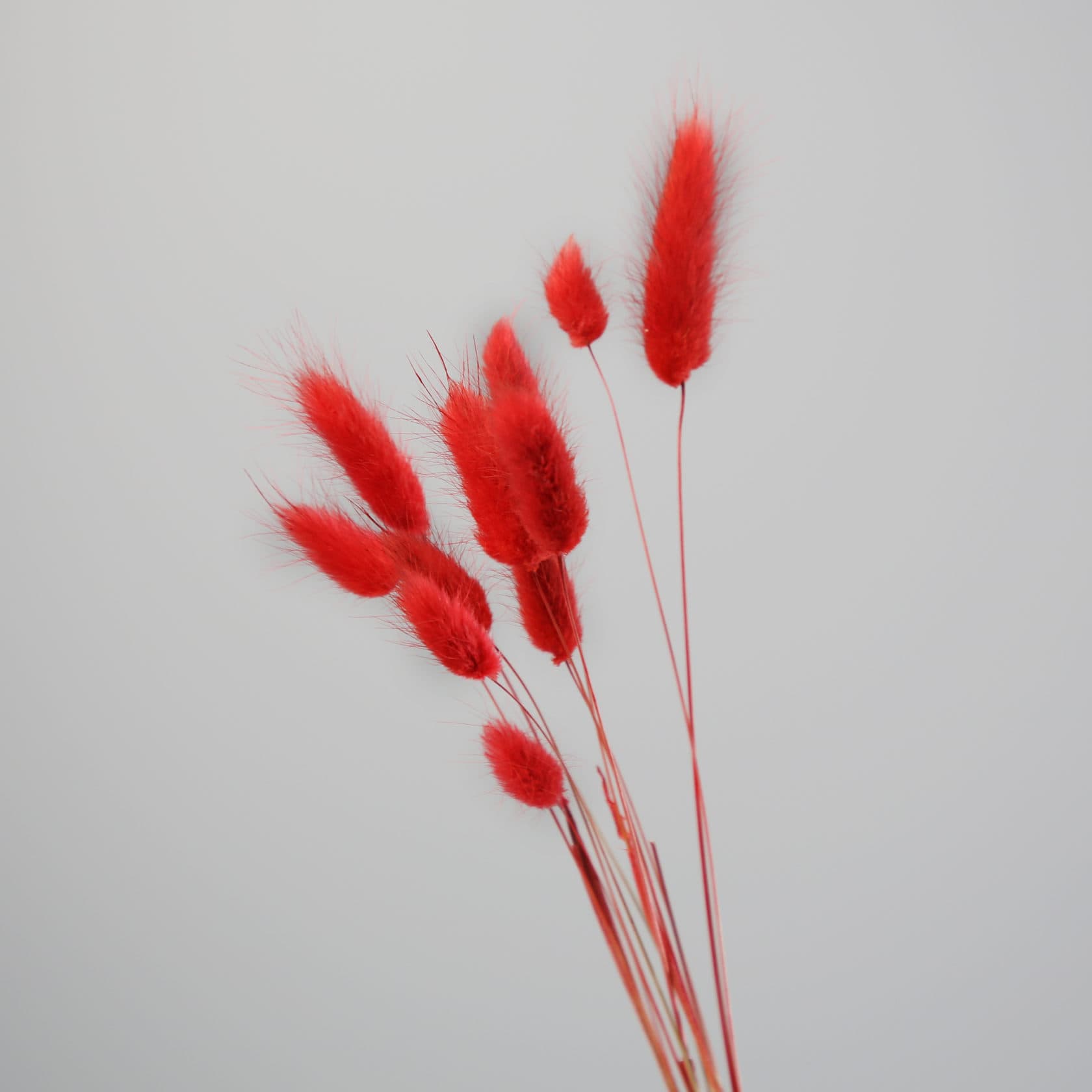
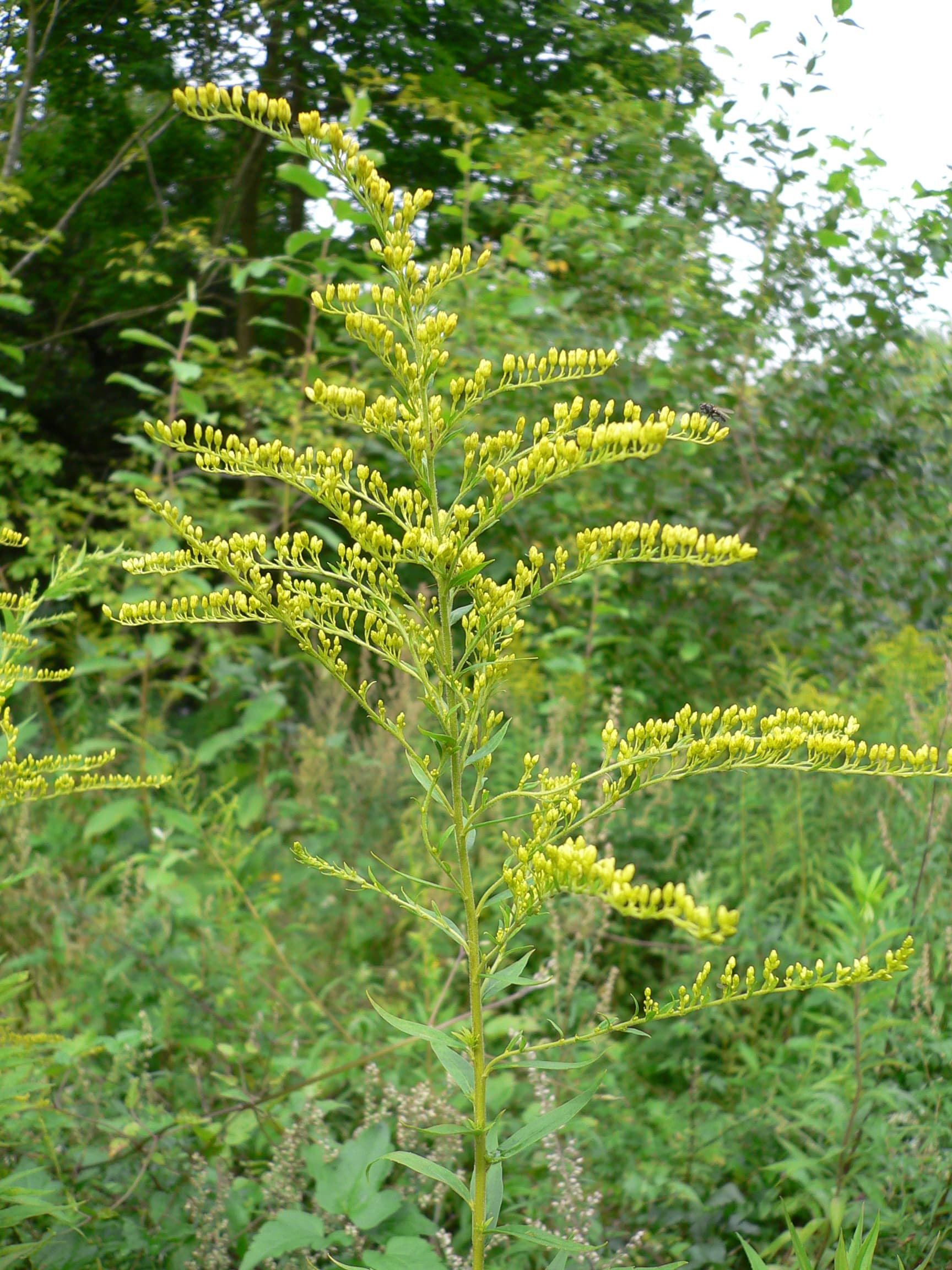
Good substitutes for Wheat include Lagurus (bunny tail grass), Craspedia, Solidago, Strawflower. Match on look, colour and season — our substitute finder ranks the closest alternatives.
What does Wheat symbolise?
Wheat is associated with prosperity, harvest, abundance, fertility.
How do you care for cut Wheat?
Use dry, with no water needed once cured
Related flowers


Free to quote and cite with attribution and a link back, for non-commercial and editorial use (blogs, journalism, classrooms, research).
Lacy Bird Flower Encyclopedia — “Wheat”. https://lacybird.com/flowers/wheat/<a href="https://lacybird.com/flowers/wheat/">Lacy Bird Flower Encyclopedia — Wheat</a>