European Floral Design — traditions, schools, and modern practice
Dutch, French, English, and Italian floral design traditions, the schools that shaped them, and how European style influences modern floristry.
European floral design is not one style but a family of national traditions — each with distinct rules, palettes, and preferred mechanics. Understanding the European canon is essential for modern designers doing wedding, editorial, or luxury work.
TL;DR. European floral design is four national traditions: Dutch (structural and technical), French (parallel and architectural), English (garden abundance), Italian (bold and sculptural). Key schools: Boerma Institute, Jane Packer, École française des Fleuristes Piverdiè. Contemporary practice mixes elements from all four.
The four defining traditions
Dutch — structural and technical
Dutch design emphasizes engineered structure: parallel stems, grouped placements, negative space, and materials-first thinking. The Dutch school treats each flower as a distinct sculptural element rather than blending into a mass.
Hallmarks:
- Botanical honesty (stems visible, plant character preserved)
- Grouped or "vegetative" placement mimicking how flowers grow
- Cool, controlled palettes
- Modern mechanics (chicken wire, kenzan, floral pins over foam)
Key school: Boerma Instituut (Aalsmeer). Global source of professional Dutch designers.
French — parallel and architectural
French design is Dutch cousin with more sculptural elegance. Long lines, elegant emptiness, and a preference for movement.
Hallmarks:
- Parallel or asymmetric structures
- Fewer stems, higher-impact placement
- Refined palettes (white, blush, sage green)
- Emphasis on gesture and negative space
Key figure: Christian Tortu (Paris).
English — garden abundance
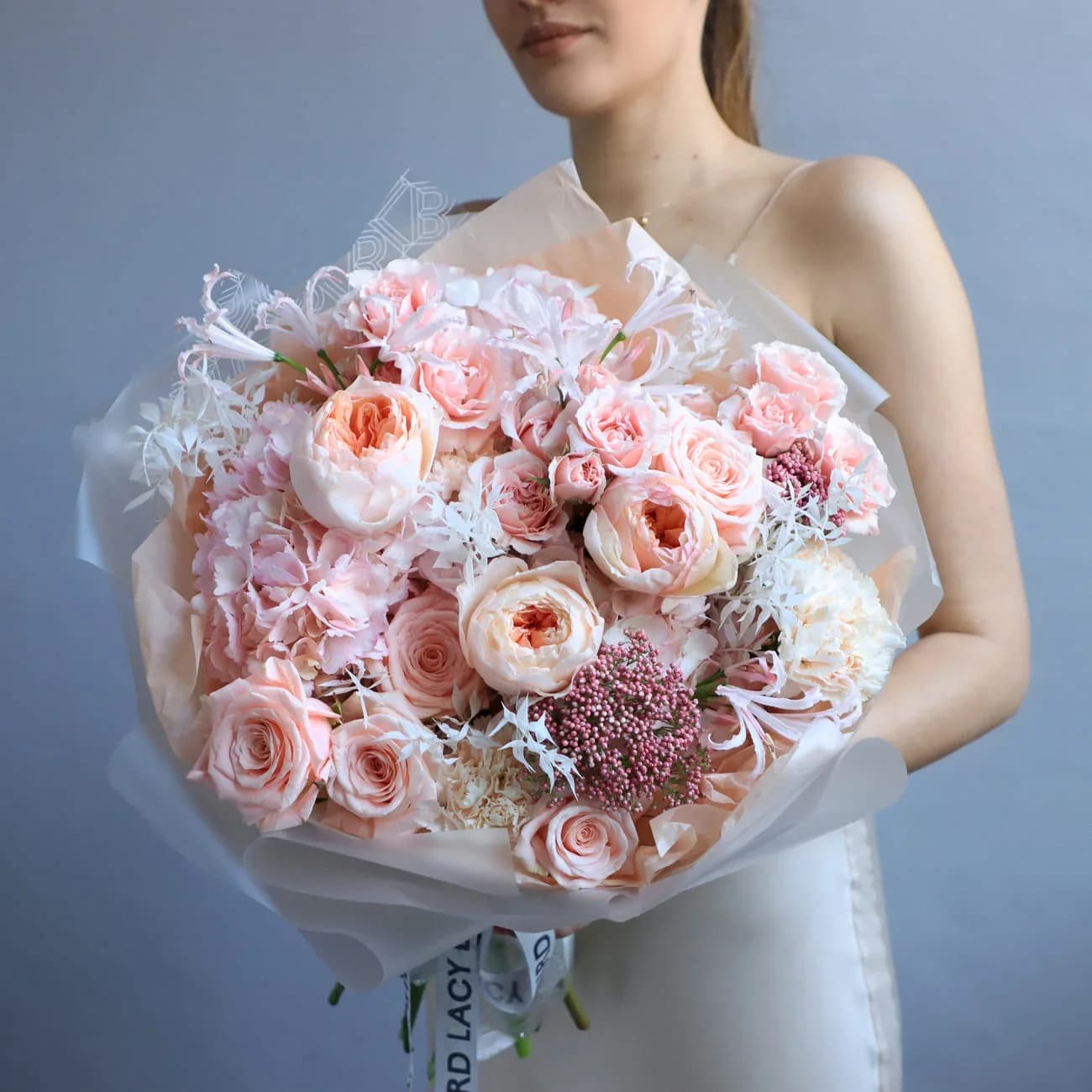
The English garden style is the antithesis of Dutch discipline. Loose, romantic, spilling arrangements that appear to have been picked from a country garden that morning.
Hallmarks:
- Abundance and asymmetric flow
- Soft palettes with romantic pastels
- Loose foliage (jasmine, clematis, ivy trailing)
- Garden roses, delphinium, sweet peas as signature flowers
Key influences: Constance Spry (1930s), Sarah Raven, Shane Connolly.
Italian — bold and sculptural
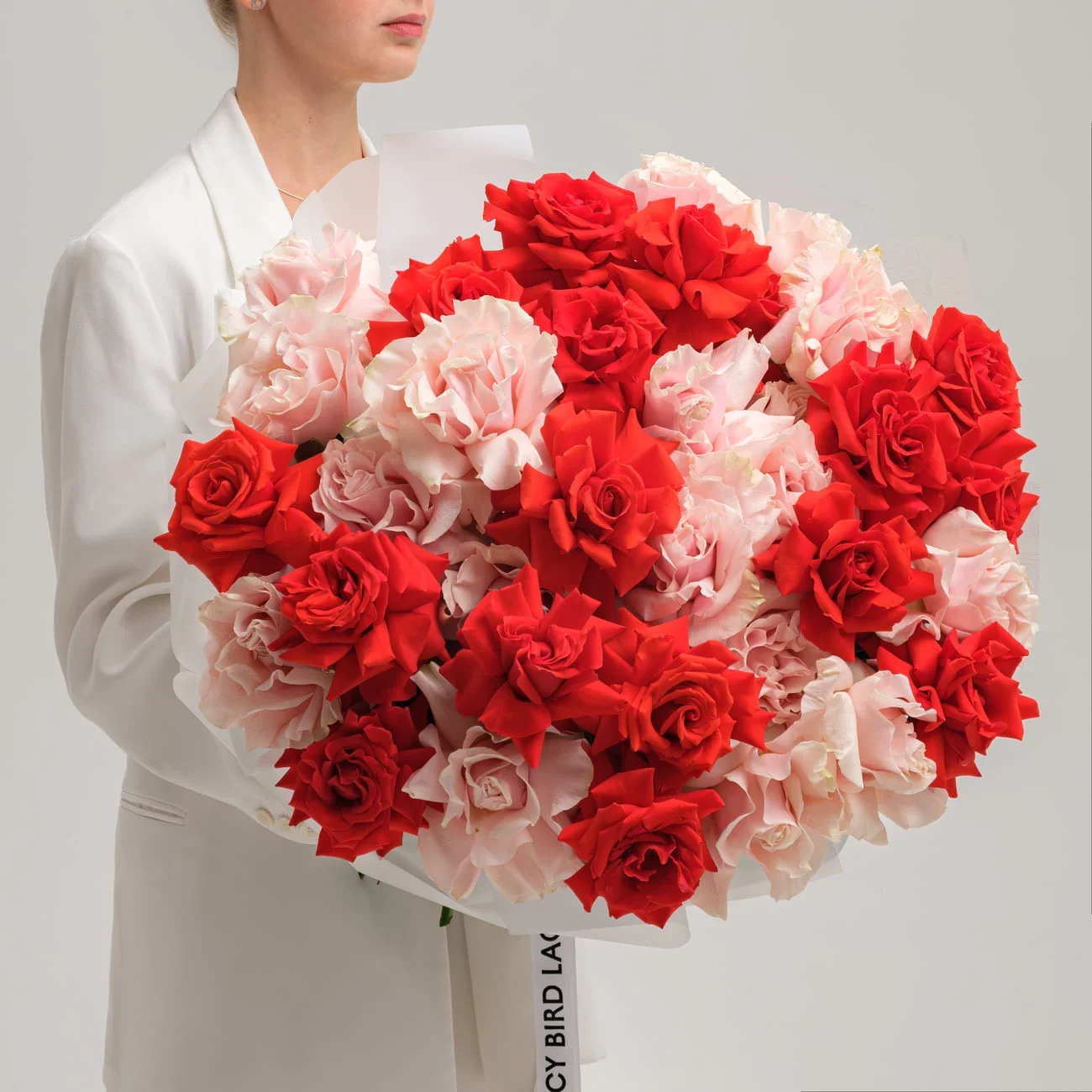
Italian floral design borrows classical sculpture sensibilities: strong colour, generous scale, formal composition.
Hallmarks:
- Bold saturated colour (red, magenta, orange)
- Formal geometric compositions
- Peonies, roses, lisianthus as signatures
- Roman/Renaissance abundance references
Cross-tradition modern practice
Contemporary European designers rarely work in a single tradition purely. The typical modern practice mixes:
- Dutch technical rigor
- English garden softness in palette
- French negative space
- Italian sculptural scale for statement work
Learning European design
Recognized programs
- Boerma Instituut (Netherlands) — Dutch mastery
- École française des Fleuristes Piverdiè (France)
- Constance Spry Flower School (UK, legacy)
- Jane Packer School (UK, contemporary)
- British Academy of Floral Art
For self-study, follow European Instagram designers: Wagner Kreusch (Germany), Gerrit van Vooren (Belgium), Bilal Rashid (UK), Colonial House of Flowers (US-based, European trained).
Design philosophy summary
European design distinguishes itself from American work through:
- Botanical fidelity — the plant is honoured as it grows
- Restraint — fewer, higher-quality flowers over volume
- Structure — mechanics visible or intentionally hidden but never accidental
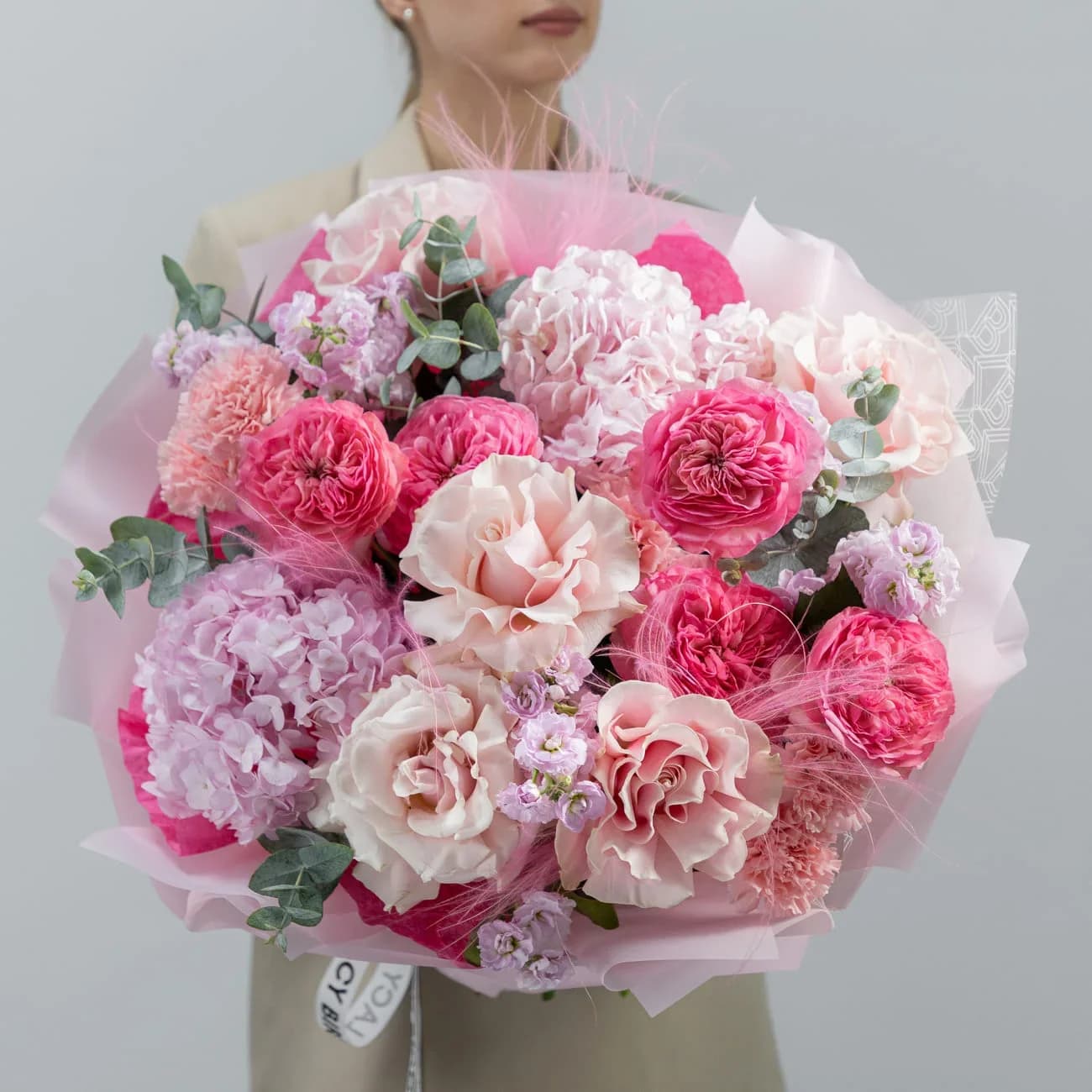
- Palette discipline — 3-4 controlled colours over rainbow mix
Application to modern weddings
European style suits luxury weddings, editorial photography, minimalist ceremonies, and boutique studio work. The trade-off: higher per-arrangement cost due to premium materials and lower volume.
For couples wanting European aesthetic at modest budget:
- Fewer arrangements, higher quality per
- Compressed palette (max 3 colours)
- Statement moments over volume everywhere
Regional florist markets
Netherlands: Dutch design dominates. Wholesale market center of Europe. Boerma-trained designers everywhere.
UK: English garden style meets Jane Packer modern. Strong London luxury scene.
France: French elegance in Paris studios. Modern Tortu influence widespread.
Italy: Bold sculptural design in Milan and Rome. Wedding industry heavily influenced.
Germany: Structural design with Boerma influence.
Nordics: Minimalist design, natural materials, ikebana influence.
Application to different wedding scales
Small luxury (10-30 guests): French minimalism suits. Statement bouquet + 3-4 centerpieces.
Mid-luxury (60-100 guests): Dutch structural + English garden blend. Full ceremony arch + centerpieces + bouquet.
Large luxury (150+ guests): Italian scale + English abundance. Multiple installations and dining florals.
Common mistakes
Copying one tradition rigidly. Contemporary work blends.
Ignoring cultural fit. European style may not fit all couples' aesthetic vision.
Assuming European = expensive. English garden style can be budget-friendly with local farm flowers.
No cultivar specificity. European tradition names its materials. Adopt this discipline.
FAQ
Main European traditions?
Dutch (structural and technical), French (parallel and architectural, negative space), English (garden abundance, spilling romantic), Italian (bold sculptural, saturated color). Contemporary designers borrow from all four.
Where to study?
Boerma Instituut (Netherlands), École française des Fleuristes Piverdiè (France), Jane Packer School (UK), British Academy of Floral Art. 4 weeks intensive to 2-year diploma programs.
Dutch style?
Structural, engineered, parallel stems, grouped placements, negative space, materials-first. Each flower distinct sculptural element. Modern mechanics (chicken wire, kenzan) over foam.
French vs Dutch?
French is Dutch cousin with more sculptural elegance — long lines, elegant emptiness, movement. Fewer stems, higher-impact placement. Refined palettes. Emphasis on gesture and negative space.
Related reading: