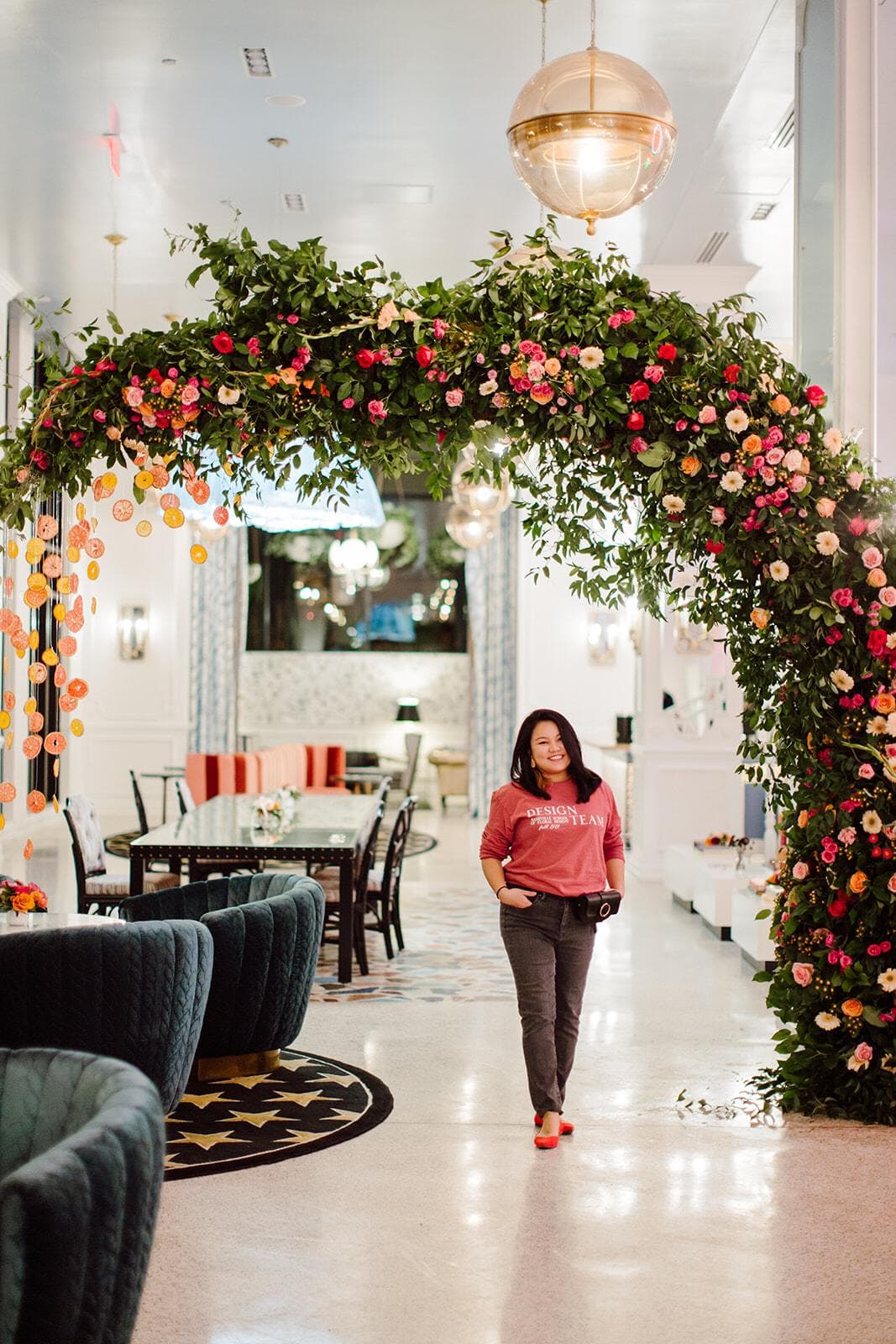
Nicole's Story — from nurse to florist in Nashville
How a Filipina-American ICU nurse in Nashville built a floristry business during the pandemic and left healthcare for good.
Nicole Tan was born in the Philippines, moved to the U.S., graduated nursing school in 2008, and spent 13 years supervising a surgical recovery floor before the pandemic changed everything.
The pandemic burnout that killed many healthcare workers' careers finally gave Nicole permission to act on a childhood love of flowers she'd carried since her mother ran a wedding-dress and flower business back in the Philippines.
TL;DR. Nicole Tan spent 13 years as an ICU nurse before the pandemic pushed her to finally act on a childhood love of flowers. She started with dry arrangements (no cooler), enrolled in Lacy Bird Academy online, launched Hiraya Flowers in Nashville, and now runs it alongside part-time nursing.
The 13-year detour
Nicole's parents pushed nursing because of demand and stability:
"My parents told me to go to a nursing school because nurses are in high demand here in the U.S. and it's easy to get a job in this field. I graduated in 2008, so I've been a nurse for a while."
For 13 years she supervised a post-surgical floor — 12-hour shifts, three days a week, guiding new nurses. Nursing paid well and stayed stable through recessions.
But floristry stayed as a background thought. Her mother in the Philippines had run a wedding-dress and flower business; Nicole grew up watching arrangements come together in the family home.
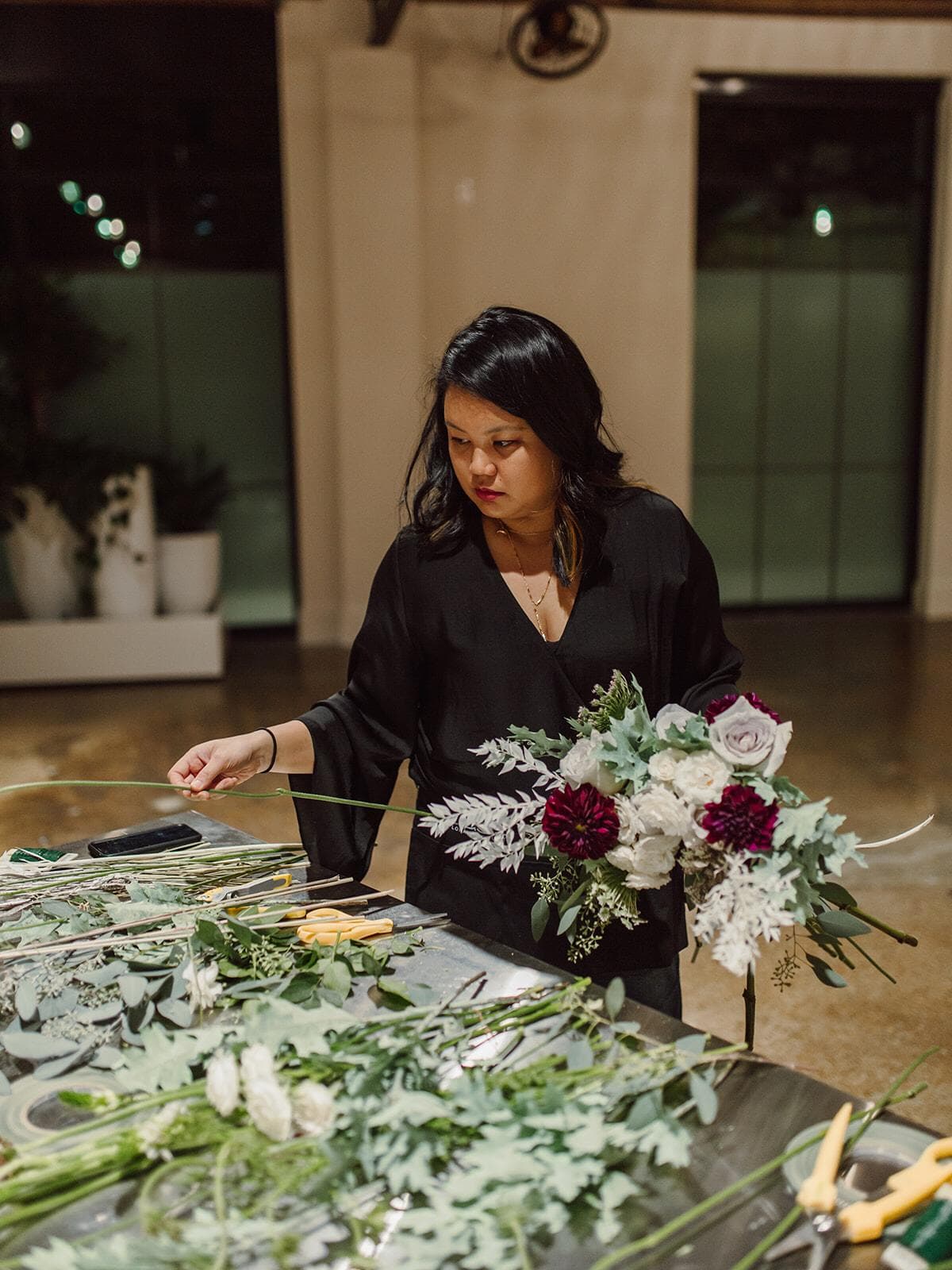
The pandemic pivot
Nicole is direct about what changed:
"Last year was a depressing year for everyone not just for healthcare workers. For us, nurses, even if we are not exposed to COVID as much on our floor we still felt the sadness around us. In the news there were a lot of bad things: COVID, elections, just sad news everywhere. Lots of nurses quit because they were scared of the disease. I felt burned out."
The insight: burnout gave her permission she'd been withholding from herself for 13 years:
"At that moment I remembered that since childhood I have wanted to work with flowers. But I just didn't have time and courage to go to the floristry. With the pandemic last year it made me clear that it's never too late to learn something new and to do what I'd really like to do."
The first steps — no wholesale, no cooler
Nicole's first challenges were purely practical:
- No business license yet → no wholesale access
- No cooler → no fresh flowers storable overnight
- Full-time nursing → limited days per week
Her workaround was elegant: buy retail supermarket bouquets, break them down, and rebuild using techniques from Instagram and YouTube. Then enroll in the Nashville Flower Market's in-person course for basics, and shortly after enrolled in Lacy Bird Academy online for the modern design language.
Then she chose dry arrangements as her business starting point — no cooler required, no wastage from spoilage, higher per-piece margin, longer inventory holding.
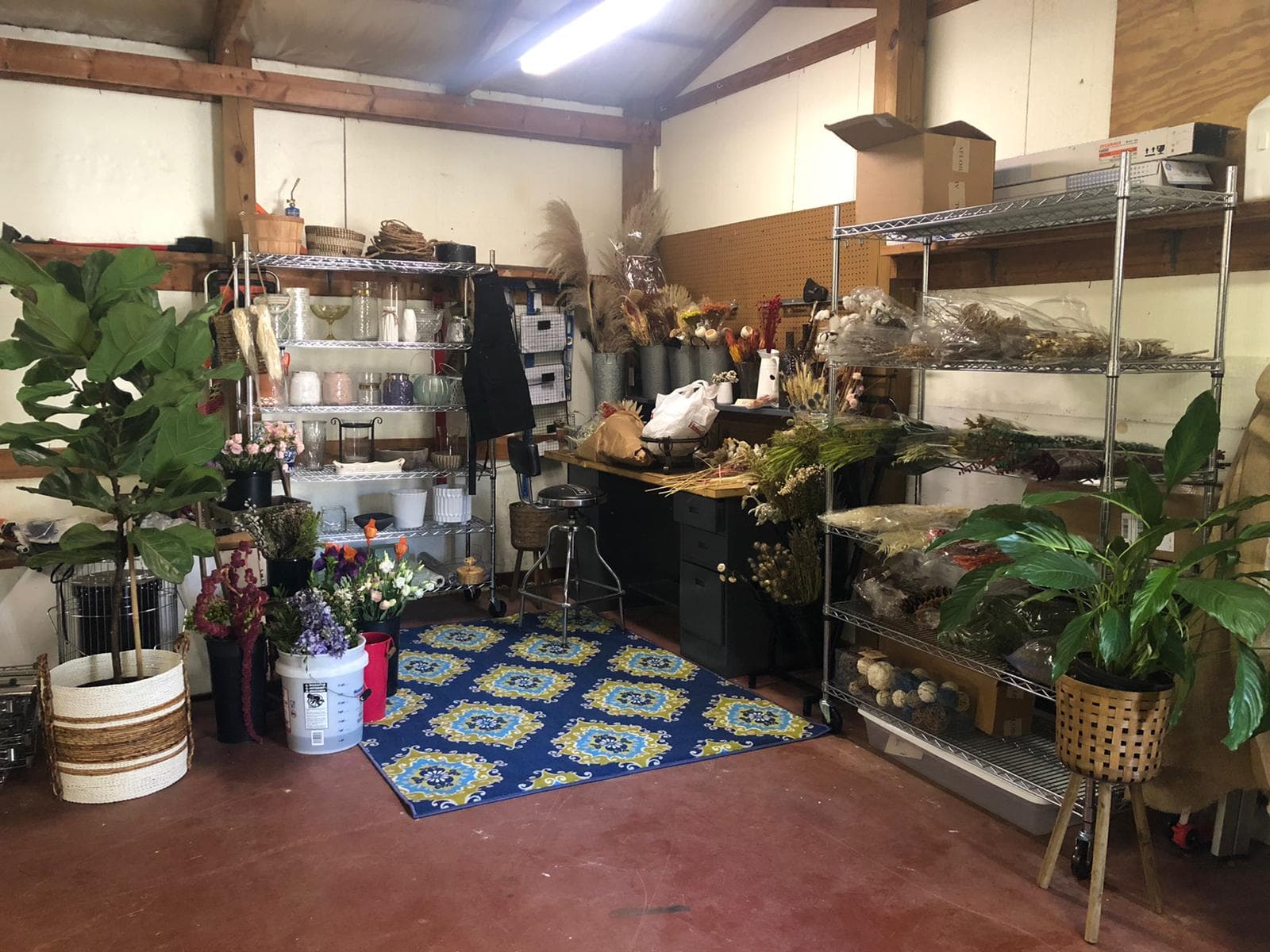
The four-day floristry week
Nicole's transition schedule is the model to study:
"I work as a nurse supervisor 3 days a week with 12-hour shifts. So I have 4 days to spend with flowers. I feel like 4 days a week extra to work with flowers is really good for me."
This is one of the most sustainable career-change patterns:
- Primary income: 3 days × 12 hours nursing = 36 hours paid at premium rate
- New career runway: 4 days for floristry practice, education, business development, and eventually paying clients
- Financial safety net: full benefits and nursing paycheque preserved
Compared with quitting cold-turkey, this preserves confidence, health insurance, and buys time to build clientele without starvation pressure.
Compared with weekend-only side work, four days per week is enough time to actually build craft and take on wedding contracts.
Studio work — modern and floral
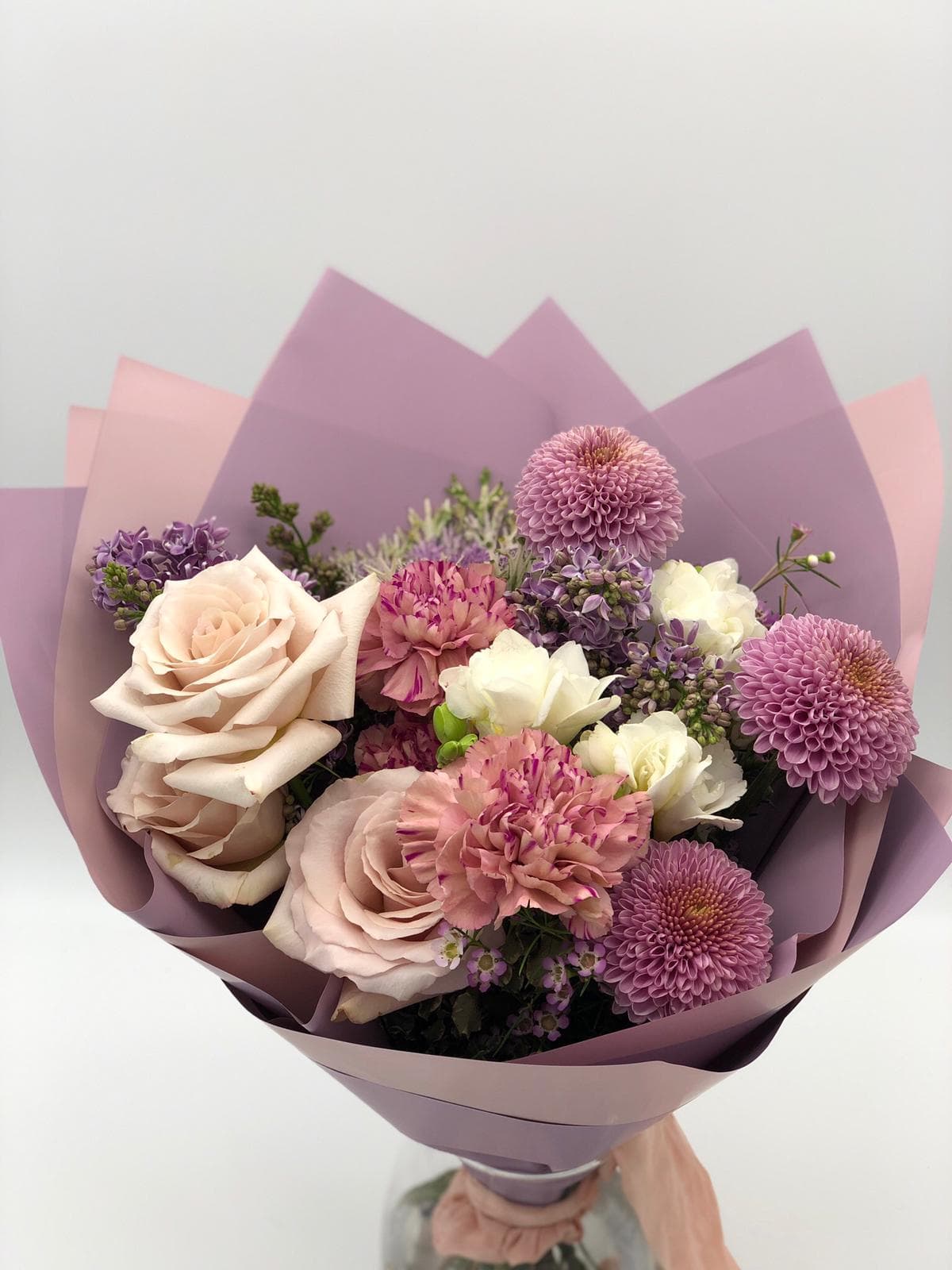
Once Nicole registered her LLC (January 2021, right before Valentine's Day) and gained wholesale access, she expanded into fresh work. Her studio (Hiraya Flowers, Nashville) now spans:
- Fresh bridal bouquets and wedding installations
- Wreaths and dry arrangements (holdover from her starting era)
- Custom sympathy work
- Weekly subscription bouquets for corporate accounts
Learning modern floristry online
Nicole took Lacy Bird Academy's Modern Floristry course as her primary online education. Her feedback:
"The feedback is really detailed and careful. You can tell that the teachers want students to make great arrangements not just pass or fail. They want you to be good at it! I didn't expect it to be so thorough."
The specific value of the online format:
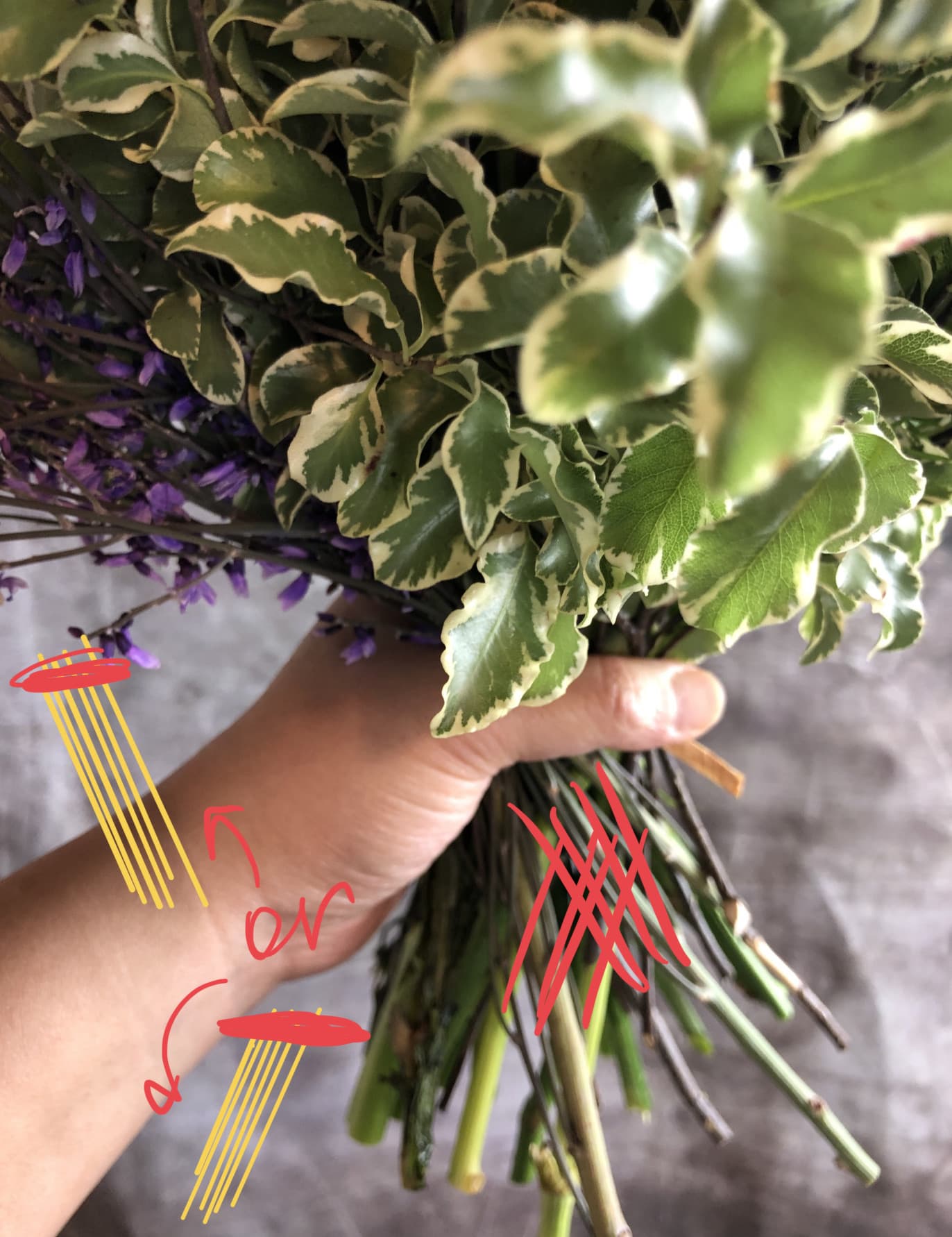
- Written and video feedback on submitted work — teachers photographed her arrangements and drew corrections directly on the images
- Long-form written analysis — not "good" or "bad" but detailed breakdown of proportions, colour balance, mechanics
- Video lessons re-watchable — one advantage over live in-person courses where you catch it once or miss it
One trade-off Nicole mentioned: asynchronous feedback means the flowers you submitted are wilting or dead by the time critique arrives. Live in-person courses have zero delay.
The unexpected effect on nursing
Nicole didn't quit nursing — she went to 3 days a week and kept supervising. But she found floristry made her better at the nursing days:
"Floristry actually helped me not to burn out in the hospital. My new passion helped me to change my feelings, it made me happier. For me flowers are like a stress reliever after working in the hospital. When I work with flowers I am getting lost with beautiful scenes in front of me. So flowers helped me to manage my stress."
For anyone considering a career change while staying in a demanding primary career: the second career, if it's the right one, doesn't drain the first — it recharges it.
Her advice to anyone starting late
"Just to practice. It might look not great today but with practice it will be better. I recommend just to practice, and practice, and practice. You should know that it is a good investment not just financially but also emotionally. Flowers came from nature, and nature gives you happiness. So overall you feel better."
Nicole opened her flower studio Hiraya Flowers, opened an Instagram account (@hiraya.flowers), and plans to expand into farm-grown flowers herself.
Full career change didn't take 6 months. It took recognising what she'd wanted since childhood and giving it four days a week instead of zero.
The takeaway pattern
Nicole's story is the archetype of the sustainable late career change:
- Recognise the long-standing desire (in her case, from childhood with her mother's business)
- Use a difficult life event as permission (pandemic burnout, in her case)
- Start with a low-capital business model (dry arrangements, no cooler)
- Preserve primary income during transition (3 days nursing, 4 days floristry)
- Invest in structured education (Nashville in-person + Lacy Bird online)
- Register the business properly (LLC before wholesale)
- Scale into fresh work once revenue justifies infrastructure
- Let the new work recharge, not deplete, your primary career during the transition years
The pattern is replicable. What Nicole did in Nashville in 2021, you can do in your city now.
Related reading: