Tropical Style Floristry: Anthurium, Strelitzia and the Art of Fewer, Bolder Stems
The tropical register — anthurium, strelitzia, heliconia, palm and monstera — why it runs on line and lacquer instead of mass, vase-life advantages, and how to keep it hotel-lobby-free.
Tropical floristry is the register most often done badly and least often understood: it is not garden floristry with palm leaves added, it is a different grammar altogether. Where the garden register speaks in mass, softness and abundance, the tropical one speaks in line, lacquer and air — closer to ikebana than to an English border. Learn that switch and the style stops being hotel décor and starts being sculpture.
The cast: hard surfaces, strong lines
What unites the tropical palette botanically is what makes it design-coherent: waxy, architectural, self-supporting forms.
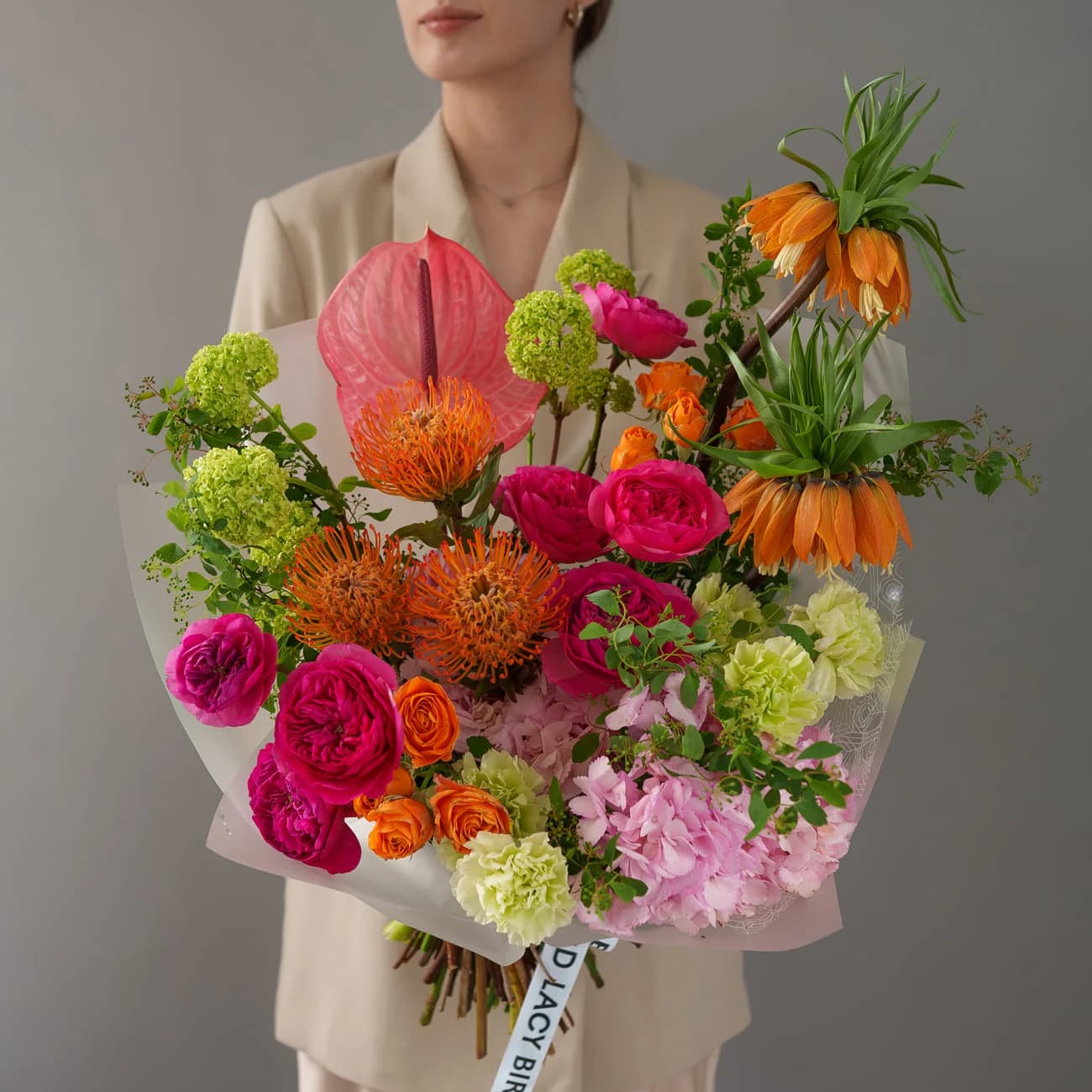
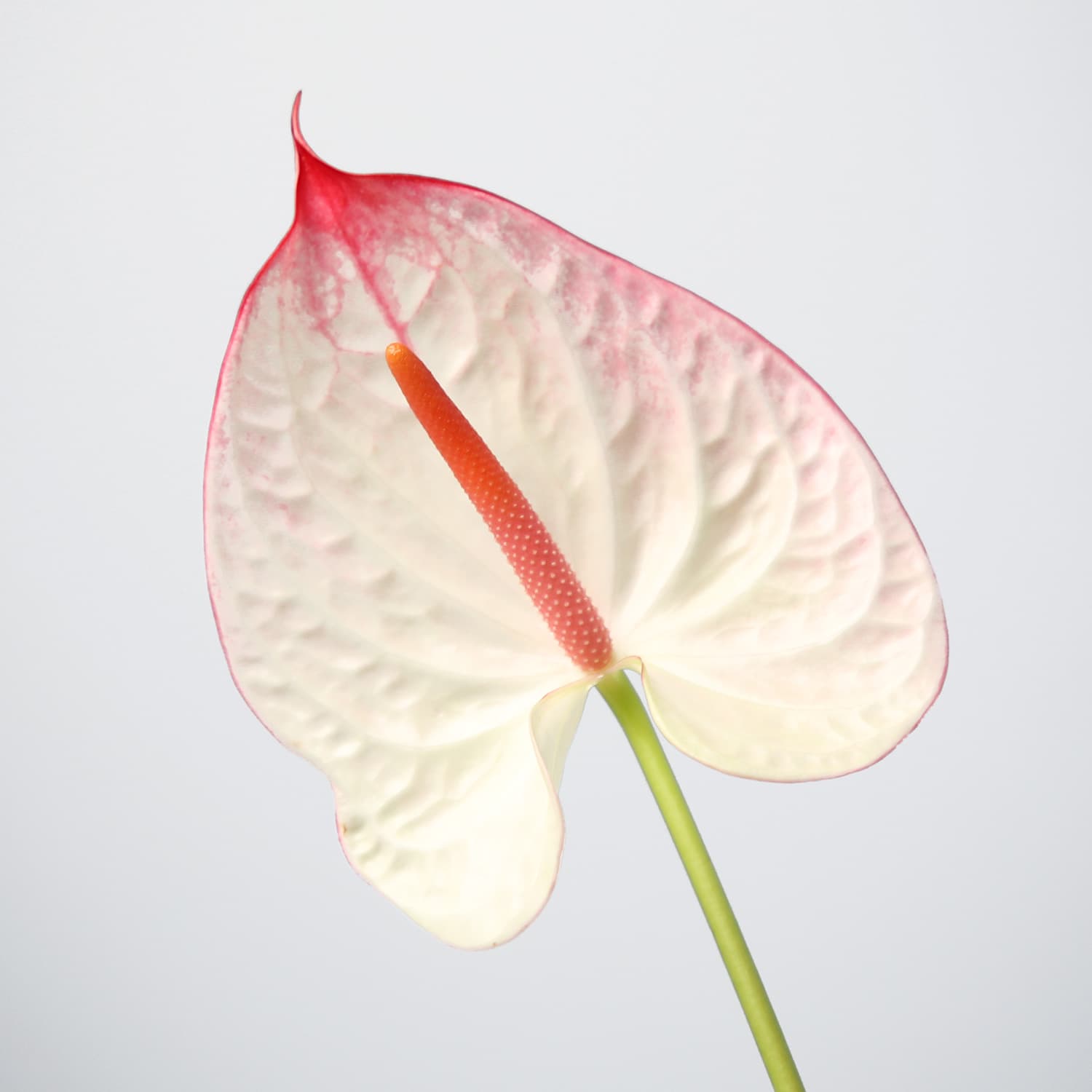
- Anthurium — the lacquered heart, in colours from white and blush through terracotta to near-black. The style's centrepiece and its longest performer: 2-4 weeks in water.
- Strelitzia (bird of paradise) — the orange-and-blue crane head; each stem carries several flowers that open in sequence over two weeks.
- Heliconia and torch ginger — hanging or upright drama at scale.
- Protea and leucadendron — technically the Cape register, but fluent in the same sculptural sentences.
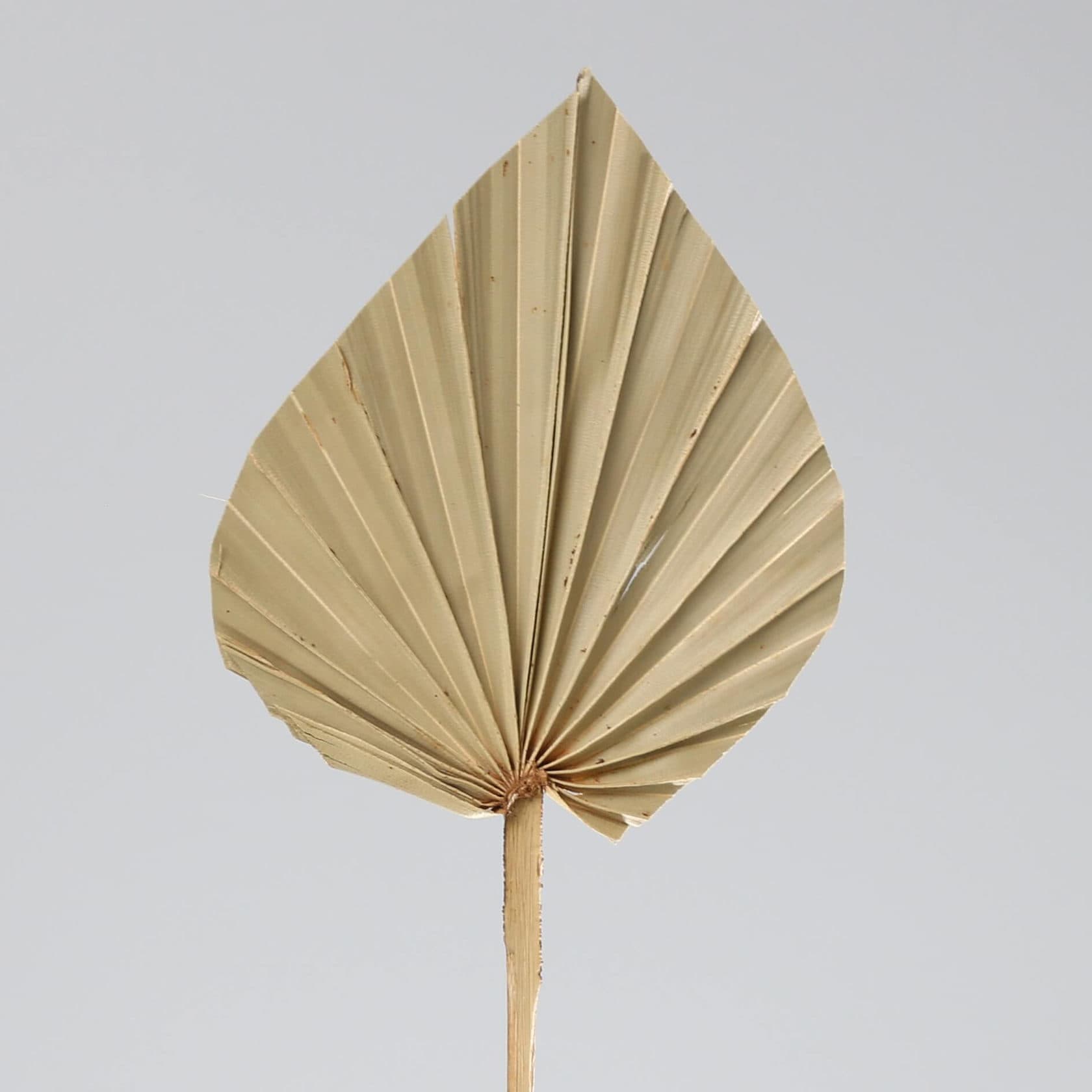
- The foliage as protagonist — monstera, palm fans, areca fronds, ti leaves: in this style greenery is architecture, not background.
The grammar: sculpture, not buffet
The hotel-lobby fan — a dozen mixed tropicals splayed symmetrically — is what dated the style for a generation. The modern register inverts every one of those choices:
- Count in single digits. Three to seven stems. Each visible in full, each placed at a deliberate angle.
- Asymmetry. One dominant line (a strelitzia, a heliconia), one answering curve, one grounding mass — the ikebana logic, which the tropical palette suits better than any other Western material.
- Air as material. The space between an anthurium and a monstera leaf is part of the composition; filling it is the style's cardinal sin — there is no "filler" in this grammar.
- One colour idea. Terracotta anthurium against green; all-white anthurium and palm; flame heliconia alone. The multi-colour fruit-salad reads 1987 instantly.
A useful self-test from our studio: if removing any single stem would not visibly change the piece, the piece has too many stems.
The endurance dividend
The under-sold argument for the style is economic. Tropicals cost more per stem — and dramatically less per week. An anthurium arrangement built today looks composed a month from now; the temperate equivalent has been replaced twice by then. For interiors, offices and anyone who wants presence without maintenance, tropical style competes with preserved flowers while staying genuinely alive.
Care has exactly two quirks: no cold (below 10-13°C blackens anthuriums — they skip the florist's fridge that roses live in) and humidity is welcome — mist the heads, and wipe anthurium spathes with a damp cloth when they dull; the lacquer comes back.
Bringing it home without the lobby
Start with the one-stem exercise: a single anthurium in a narrow-necked vase, placed where it gets looked at. Live with it a week — notice that it neither wilts nor bores. Then graduate to the three-stem build: one line (strelitzia or a curved heliconia), one leaf (monstera or palm), one heart (anthurium), on a kenzan or in a heavy low vessel. That trio, rebuilt monthly, is the entire style in domestic form — and at roughly the price of one weekly supermarket bouquet, it is the rare luxury register that actually saves money. The tropics, it turns out, are patient. It's the temperate flowers that live fast.