Colour palette picker
Pick a base colour — the wedding brief, the venue accent, the bride's dress — and see five classical harmonic palettes. Each palette colour is matched against 68 encyclopedia flowers so you can build your material list before the client meeting ends.
Complementary
Opposite on the colour wheel. High contrast, punchy pairings.
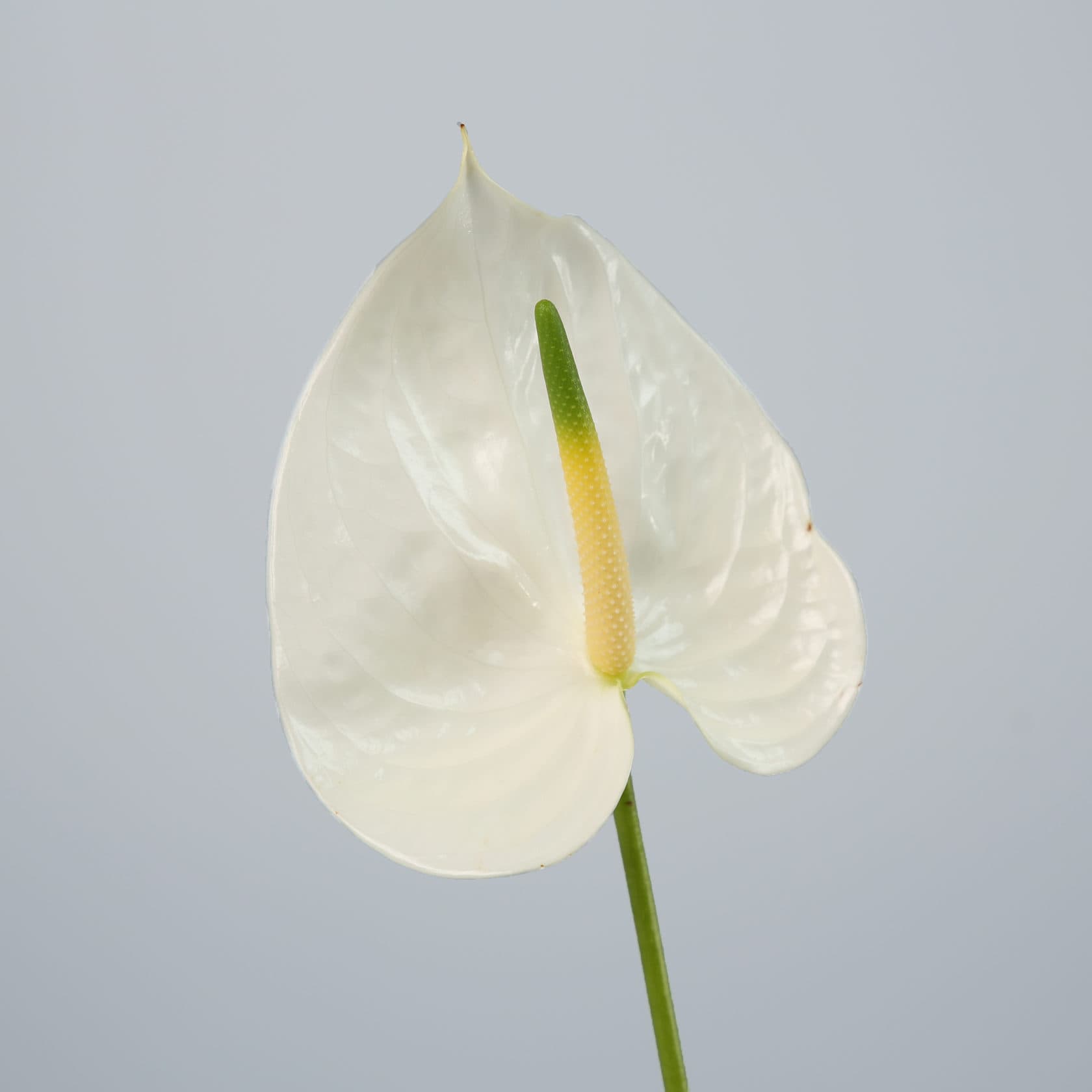
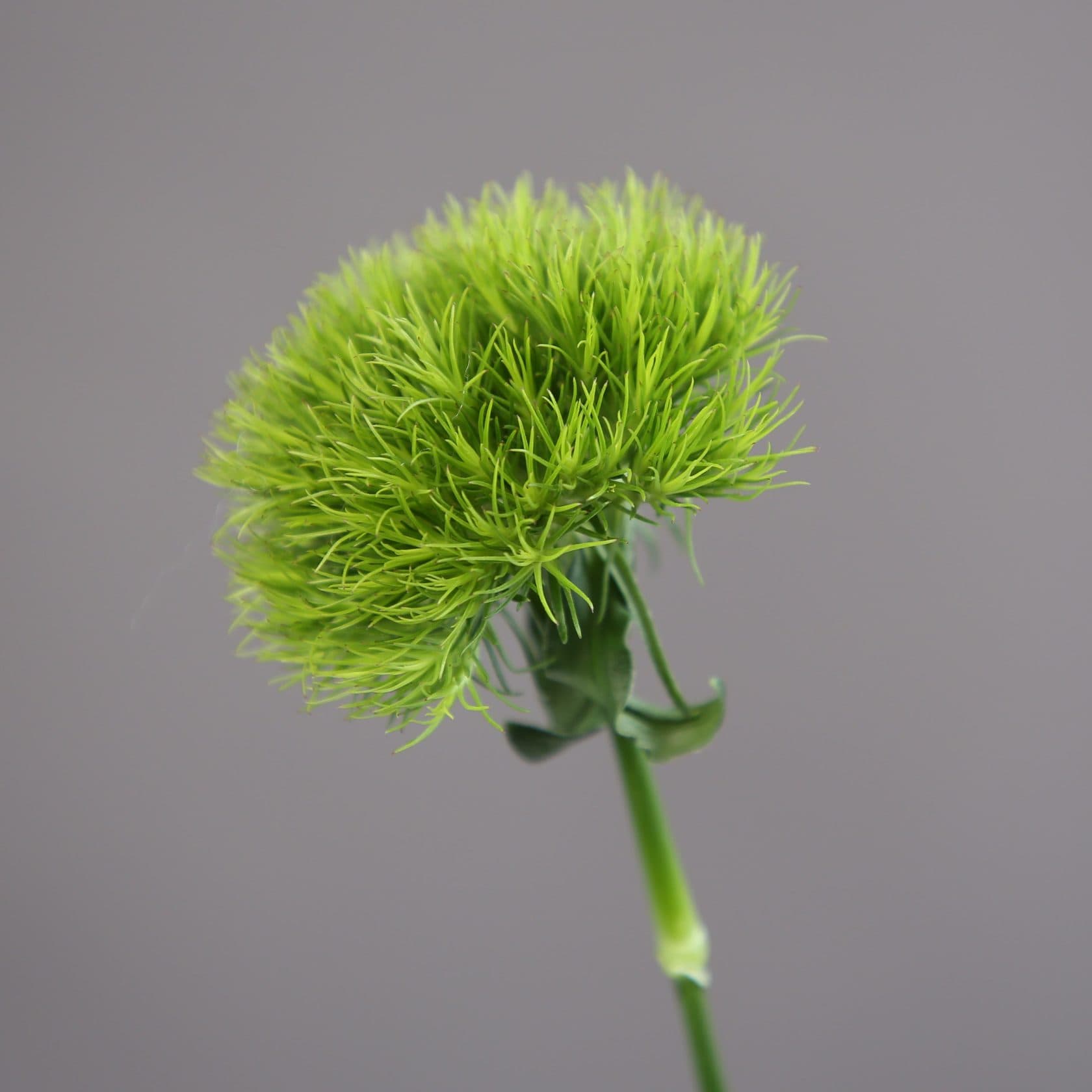
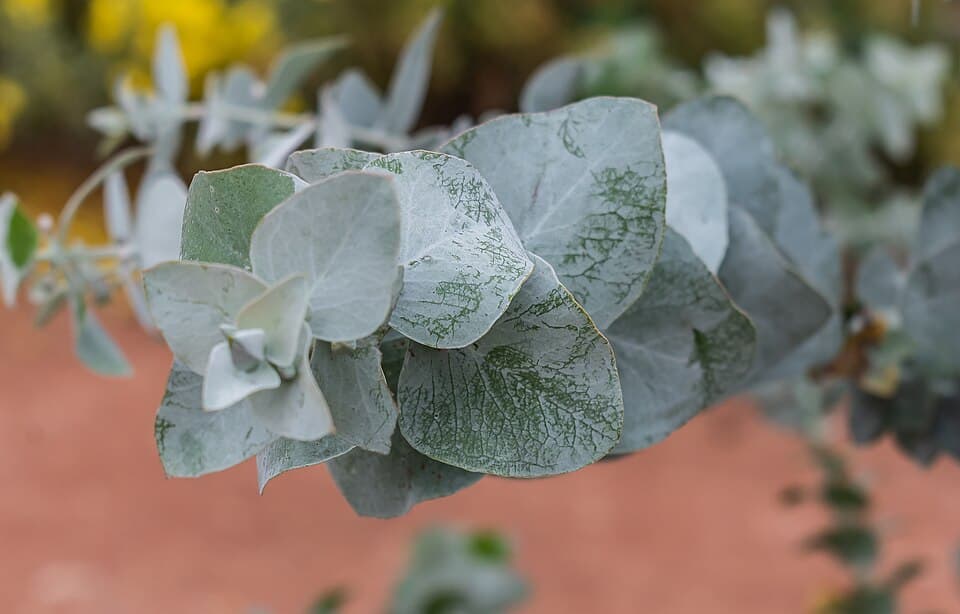
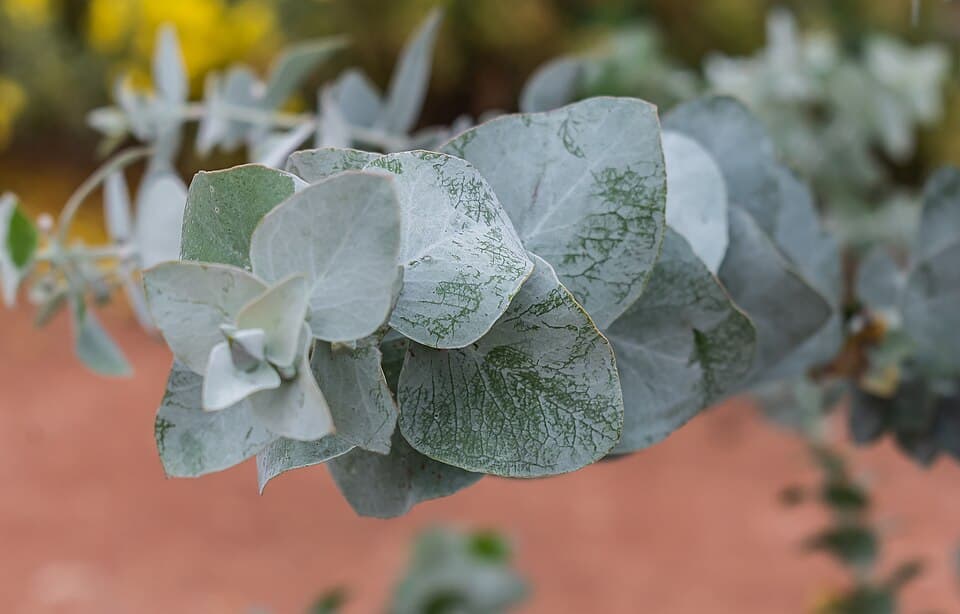
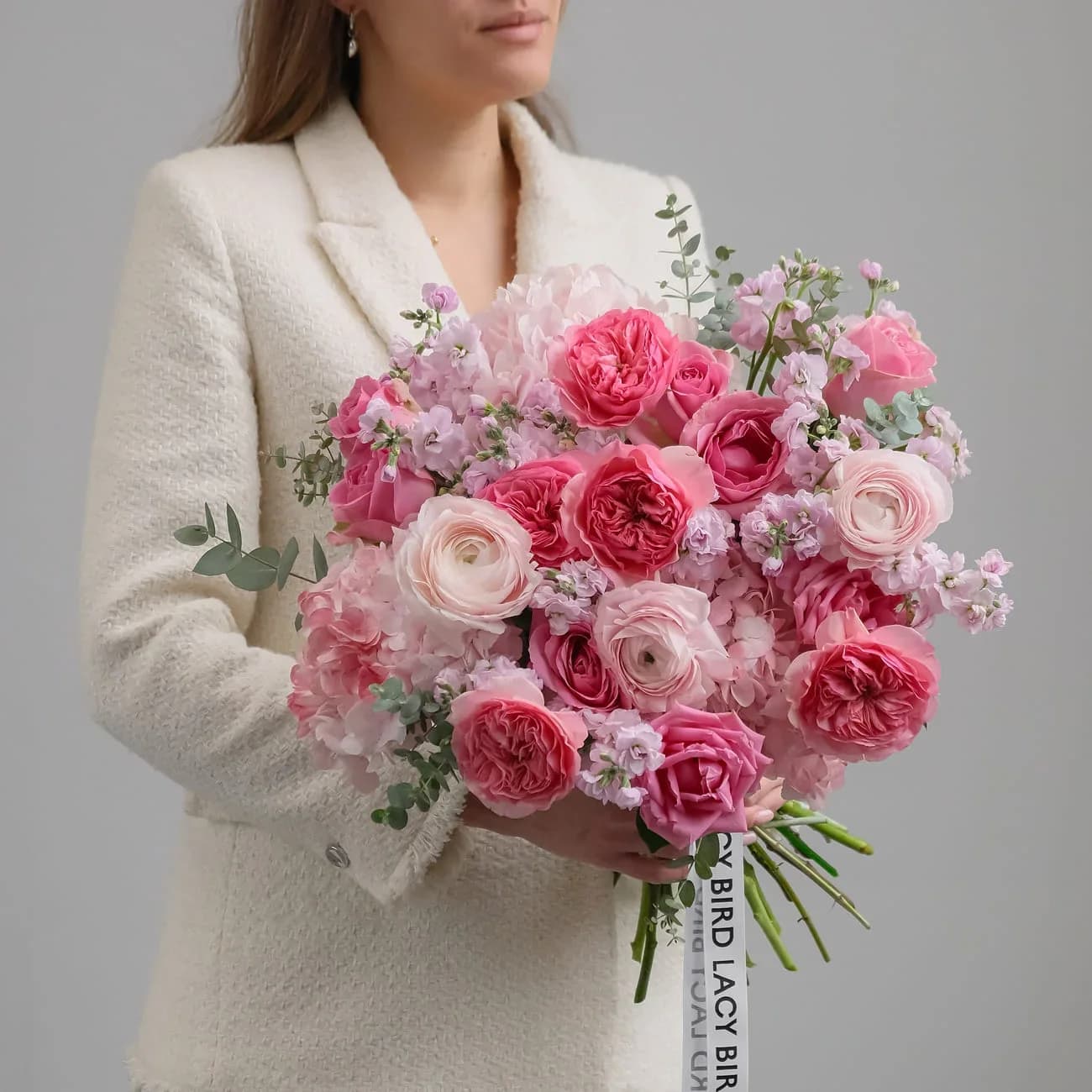
Analogous
Neighbours on the wheel. Calm, cohesive — the classic tone-on-tone wedding look.
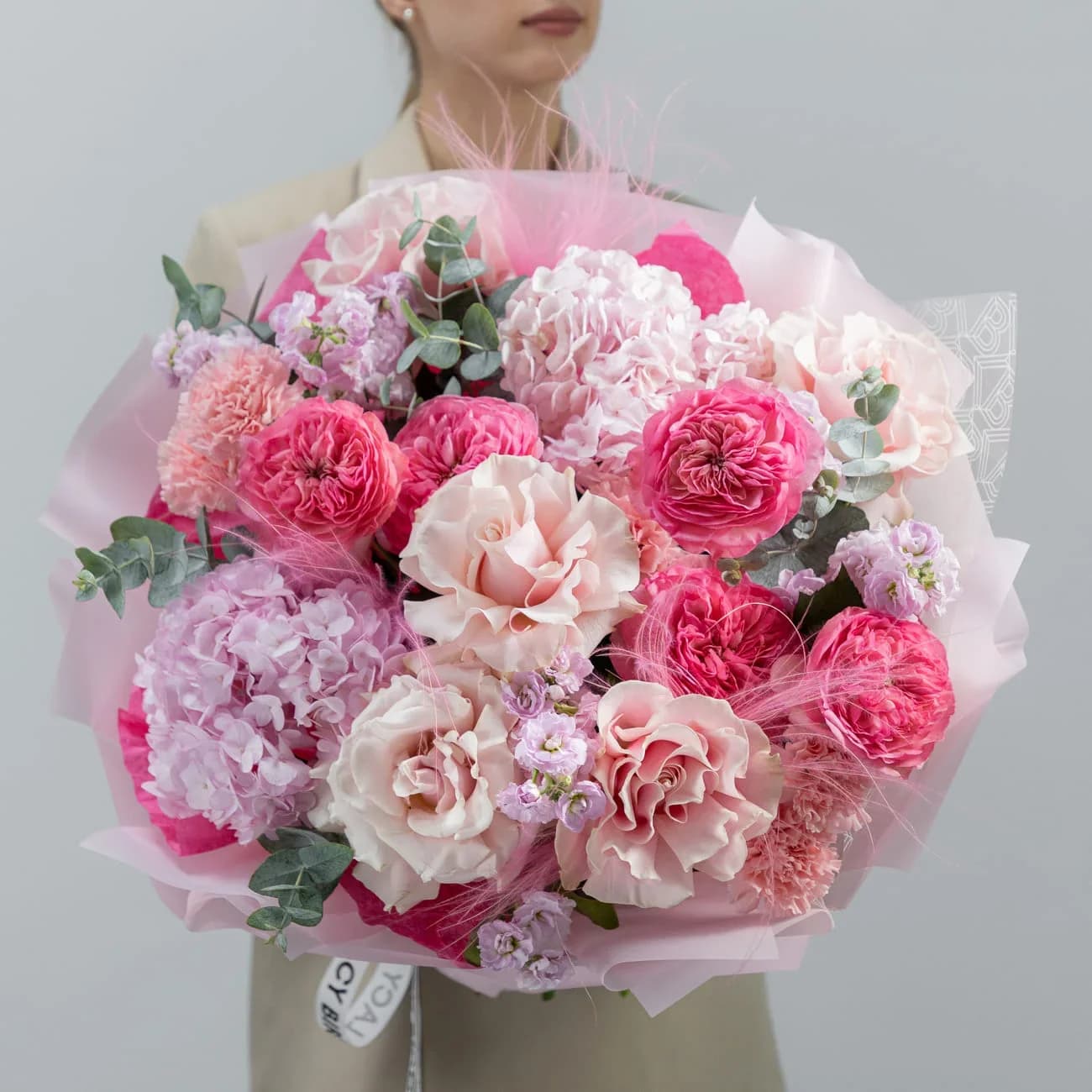
Triadic
Three colours evenly spaced. Vibrant balance — think bridal parties.
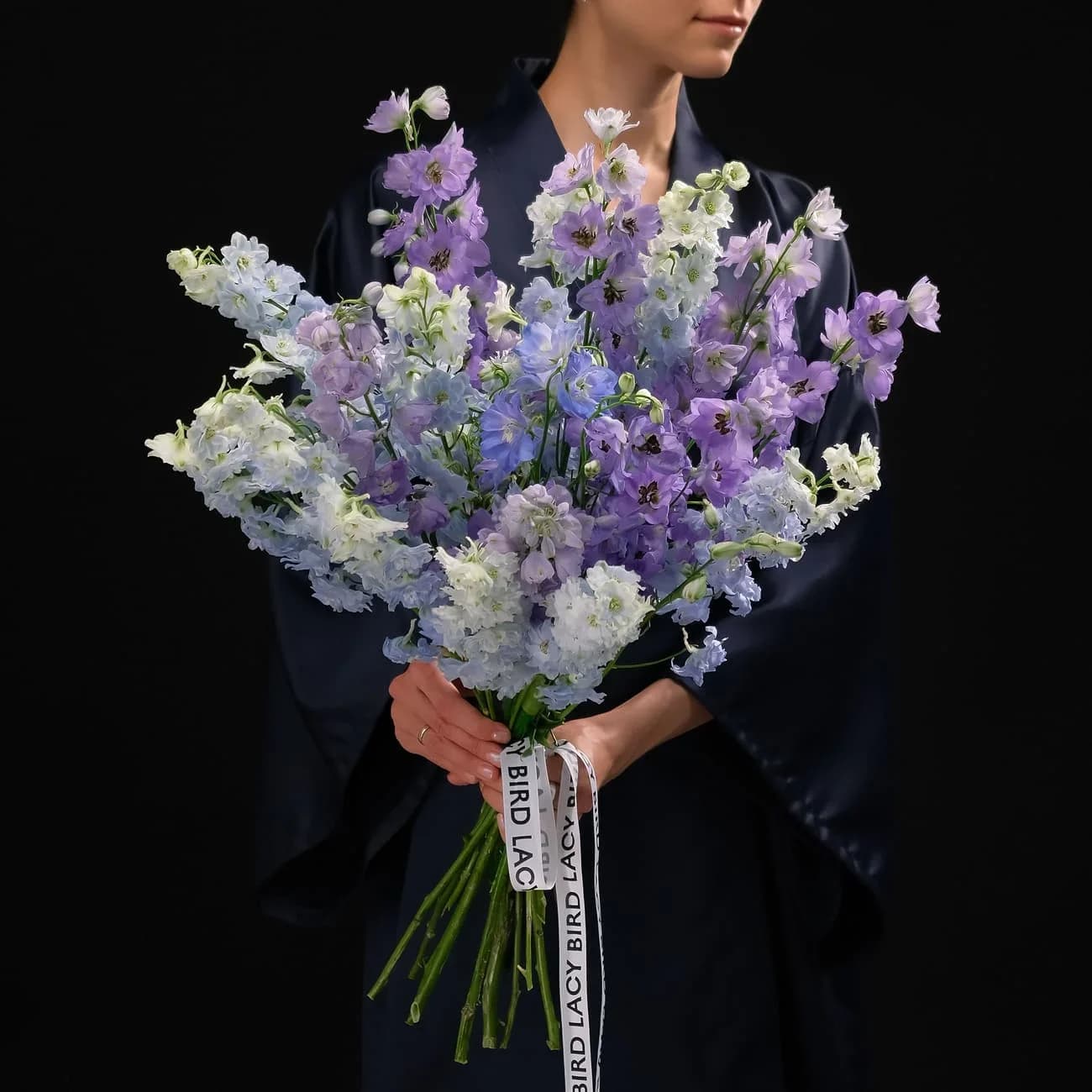
Split-complementary
Base + two neighbours of its opposite. Contrast without harshness.
Monochromatic
Same hue, different lightness. Sophisticated single-note palettes.
Your current palette is encoded in the URL — just copy the address bar and share. The receiver sees the same base colour and all four harmonies with matching flowers.
Complementary puts your base colour opposite its complement on the colour wheel. Maximum contrast; classic autumn choice (terracotta + sage). Use one dominant, one accent — never 50/50.
Analogous takes three neighbouring hues. Restful and cohesive — the default for spring pastels and tone-on-tone weddings. Low risk, high elegance.
Triadic is three colours evenly spaced around the wheel. Vibrant and balanced — great for bridal party palettes where each attendant has their own accent.
Split-complementary pairs your base with the two colours flanking its complement. Contrast without the harshness of pure complementary. A working-florist favourite.
Monochromatic keeps the hue constant, varies only saturation and lightness. Sophisticated and modern — the editorial-magazine look.
Flower colours in the encyclopedia are stored as named categories (blush, coral, burgundy…) mapped to HSL centroids. Each palette hue is compared against every flower's colour set using weighted hue-saturation-lightness distance. Best matches per palette colour surface as suggestions.
- Flower substitute finder — when a specific flower isn't available
- Seasonality calendar — narrow palette candidates by month
- Flower Encyclopedia — the underlying dataset