Greenery Centerpieces — the working design guide
Non-floral wedding centerpieces built from greenery. Cost tiers, design approaches, which greenery holds up, and when greenery-only centerpieces are the right choice.
Greenery-only centerpieces — arrangements built without flowers, or with flowers as minor accents — have moved from budget compromise to legitimate design choice over the last decade. The right greenery composition reads modern, sustainable, and quietly luxurious.
This guide covers when a greenery centerpiece is the right choice, which greenery to use, design approaches, and cost tiers.
When greenery centerpieces work
Modern minimalist weddings — restraint is the visual brief.
Sustainable / low-carbon weddings — imported flowers are the biggest CO2 line item at most weddings. Greenery from local suppliers cuts this dramatically.
Casual outdoor weddings — barn, garden, backyard formats read better with garden-style greenery than formal florals.
Long banquet tables — a greenery runner reads more coherent than 15 individual arrangements.
Budget-conscious weddings — greenery is 30-60% the cost of comparable flower arrangements.
Peak-season inaccessibility — if peonies are impossible for your December wedding, a lush greenery centerpiece is more elegant than a compromised floral one.
When greenery centerpieces don't work
Formal ballroom weddings where flowers signal "wedding."
Colour-critical weddings where the palette must include specific non-green colours.
Very traditional cultural weddings where flowers hold specific meanings.
Winter weddings in stark venues where the eye seeks warmth from colour, not more green.
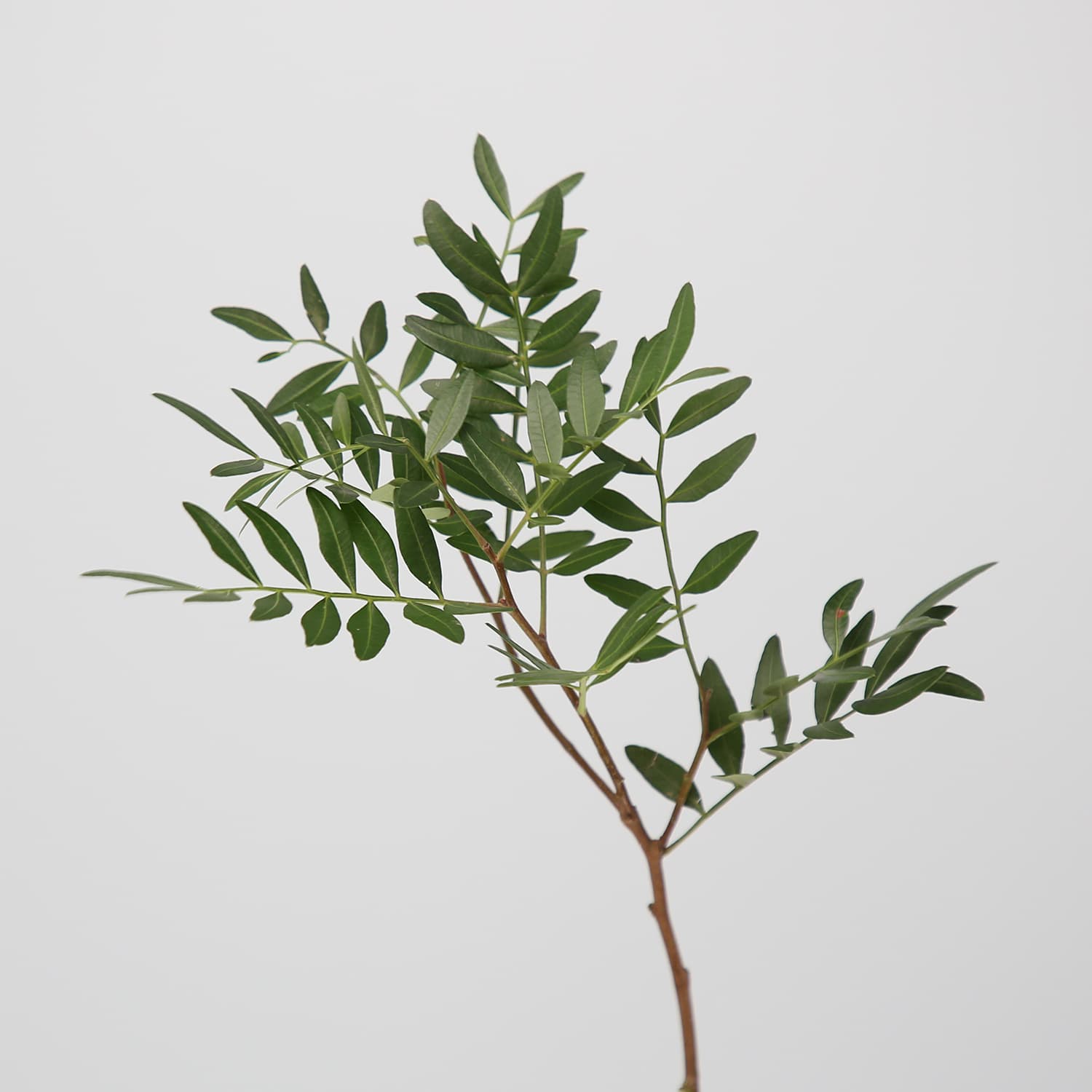
Greenery that holds up on a table
Wedding centerpieces sit 4-8 hours on tables. Greenery must:
- Not shed leaves onto plates
- Not fragrance overwhelmingly (guests eating nearby)
- Hold structure without visible wilting
Excellent — build the centerpiece from these:
- Silver dollar eucalyptus — the modern default; rounded silver- blue leaves
- Seeded eucalyptus — small seed clusters add texture
- Baby blue eucalyptus — smaller leaves, more delicate
- Salal — laurel-like leaves, dense
- Ruscus (Italian or Israeli) — glossy, sturdy
- Pittosporum — variegated option available
- Camellia foliage — glossy, luxurious
- Rosemary and thyme sprigs — herbal, fragrant (subtle)
Acceptable but require care:
- Fresh mint — fragrant, needs regular refreshing
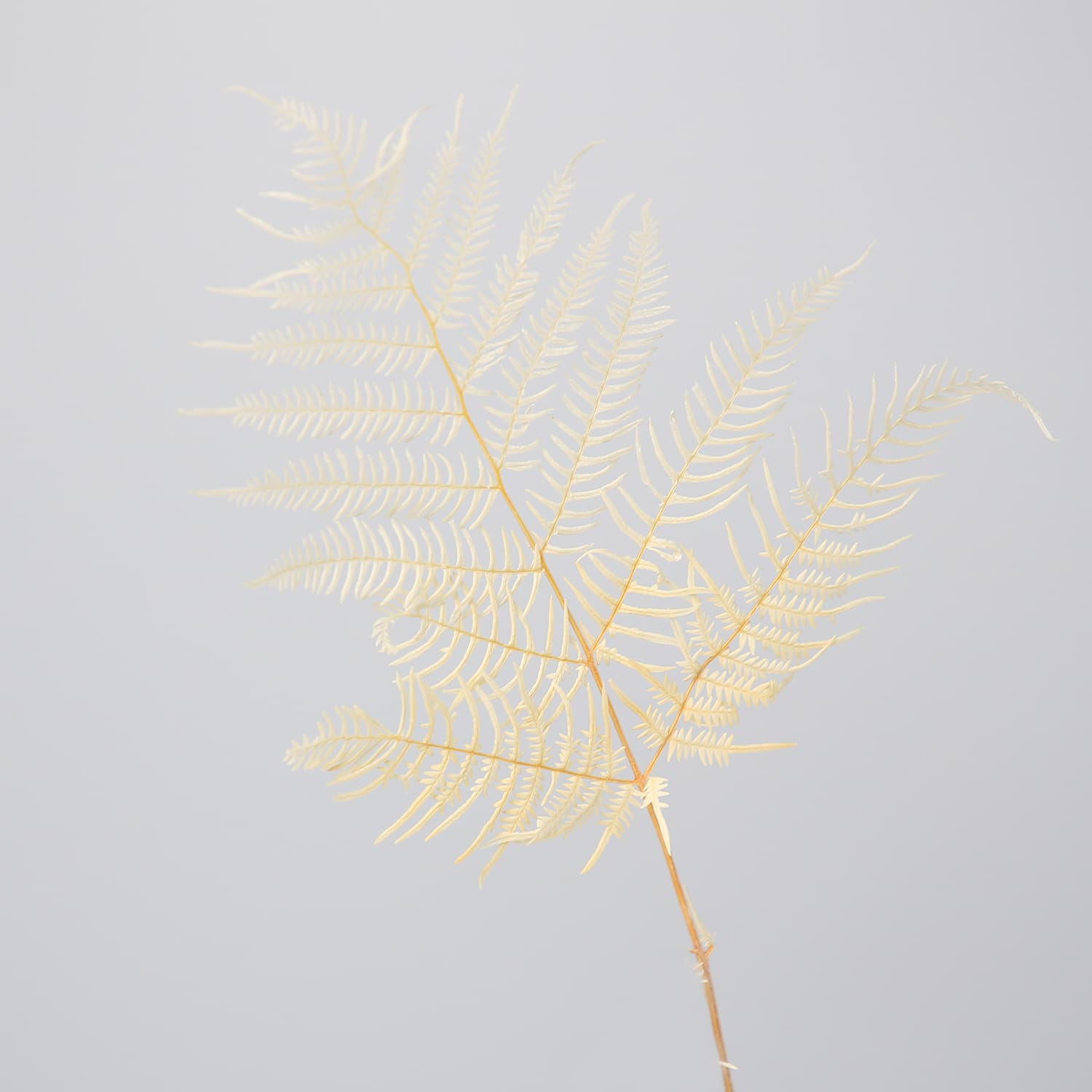
- Ferns — delicate but photograph beautifully
- Bay laurel — traditional, sturdy
Avoid for centerpieces:
- Cypress and pine — too fragrant near food
- Sage in flower — messy pollen
- Anything with white or shed-prone milky sap (some spurges)
Design approaches
1. Long table runner
A meandering runner of greenery placed directly on the table, from end to end, punctuated by small votive candles.
- Cost per foot: $15-30
- 3m table: $150-350 in greenery
- Reads: modern, garden-natural, banquet-style
2. Compote arrangements
Individual arrangements in low compote bowls or footed dishes. Greenery cascades over the edges, occasional small flower accents.
- Cost per compote: $40-80
- 10 tables: $400-800
3. Bud vase clusters
Cluster of 3-5 small vases per table, each holding a single greenery stem + occasional accent flower.
- Cost per cluster: $25-50
- 10 tables: $250-500
4. Wreath centerpieces
A greenery wreath laid flat on the table with a candle or vessel in the middle.
- Cost per wreath: $50-100
- 10 tables: $500-1,000
5. Suspended greenery over table
Suspended greenery installation (see floral chandelier guide) using only greenery. Modern statement piece.
- Cost per installation: $500-2,500 per suspension
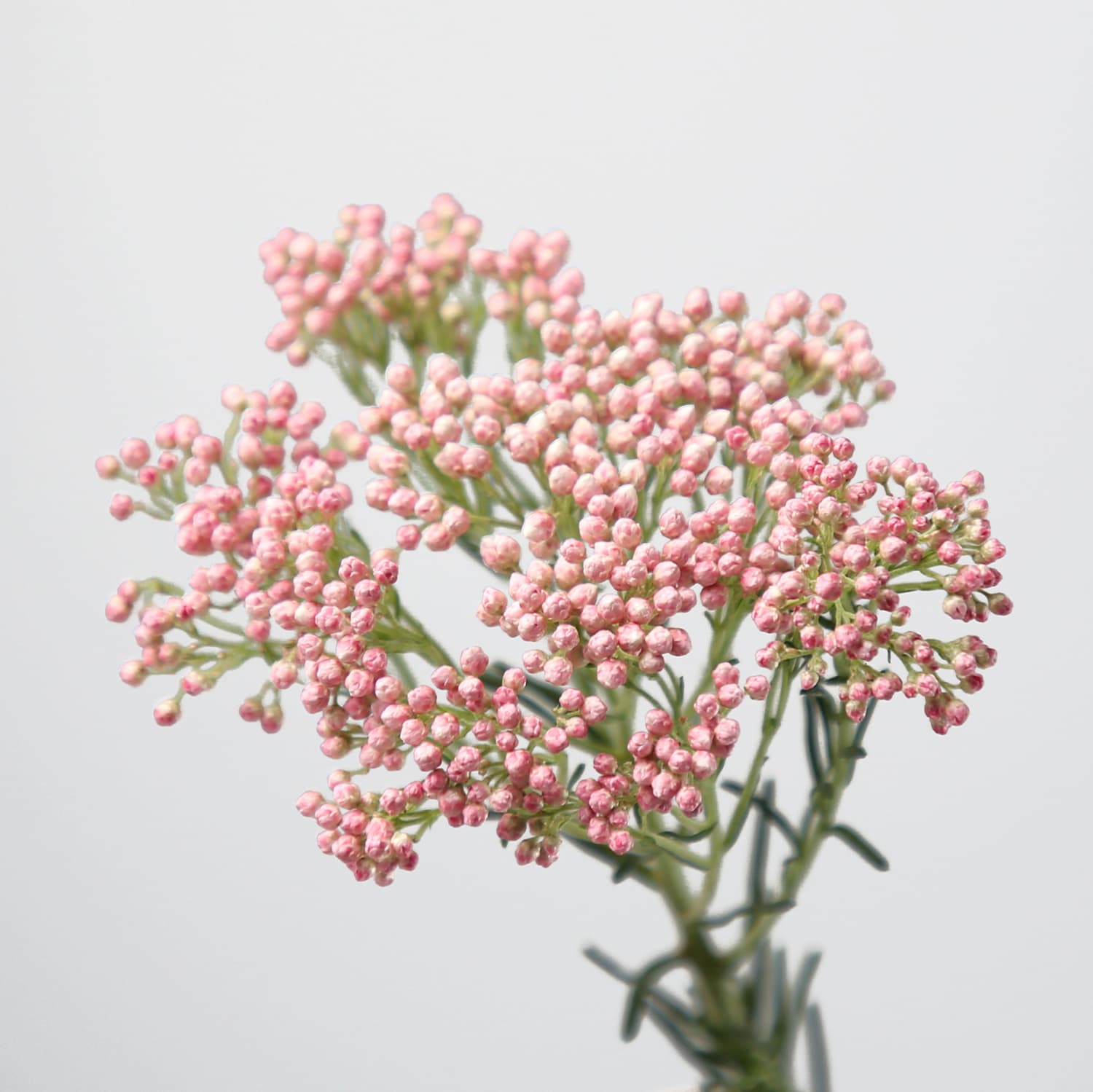
The one-flower-accent trick
If a fully floral centerpiece is out of budget but "no flowers" feels too sparse:
- Build the centerpiece from greenery
- Add 3-5 stems of a single premium flower (garden roses, peonies in season) as focal accents
Reads as intentional — you chose to feature one flower rather than scattered species. Cost: 30-50% of a full floral centerpiece.
Cost comparison
For 10 reception tables:
- Full floral centerpieces: $2,500-6,000
- Greenery + accent flower: $1,500-3,500
- Pure greenery + candles: $800-2,000
- Bud vase clusters: $250-500
The savings on a greenery-forward approach can fund a statement installation elsewhere (a floral wall behind the head table, or a suspended chandelier over the dance floor).
Sustainability angle
Traditional wedding flowers travel 5,000-15,000 km from Kenya, Colombia, or the Netherlands. Greenery centerpieces built from local suppliers cut this to 100-500 km.
For a couple with sustainability values:
- Source greenery from local farms
- Use compostable candle vessels
- Compost or donate greenery after the wedding
- Skip floral foam entirely (mount in water pin frogs or wet moss)
The carbon savings from a greenery-forward wedding can be 50-80% versus a full-floral wedding — real numbers, not marketing.
Practical tips
Refresh at midpoint of reception. For long receptions (6+ hours), mist greenery centerpieces during dinner service to keep them looking fresh. A discreet spray bottle in the kitchen area.
Layer heights. A flat runner reads better with 2-3 elevated elements — candlesticks, small vases, brass accents. Not uniformly flat.
Photograph before guests sit down. Once guests arrive and plates get placed, centerpiece photography becomes cluttered. Capture the empty-table shot at cocktail hour.
Avoid over-warm candles. Excess heat from grouped candles speeds greenery wilting. Space candles, use LEDs where possible.
Test the venue. Some venues restrict open flame. Some limit table decoration weight. Confirm before you commit to a design.
Related reading: