How to Keep Flowers Fresh — a florist's care guide
The four commercial principles that keep cut flowers fresh: conditioning, clean water, correct food, and the right environment. Plus species-specific notes and how to revive drooping stems.
Every commercial florist follows the same four principles to keep flowers fresh. They aren't secrets — they're just applied systematically instead of hoped for.
This guide covers those four principles, species-specific notes, and the revival techniques that save badly wilted flowers.
TL;DR. The four commercial principles: proper conditioning on arrival, clean water refreshed every 2-3 days, flower food (commercial or working homemade), and cool environment away from direct sun, heat sources, and ripening fruit. Species- specific adjustments matter.
The four principles
Principle 1 — Condition on arrival
Every flower gets conditioned before entering an arrangement or display. This is the single biggest amateur-vs-pro gap.
Universal method:
- Recut stems at 45°
- Strip leaves below the waterline
- Cool water (15-18°C) with flower food
- Cool dark storage 4-24 hours
Full method in the flower conditioning guide.
Principle 2 — Clean water refreshed every 2-3 days
Bacteria multiply in vase water within 12-24 hours. Bacterial biofilm blocks stem vascular vessels, starving flowers of water even when the vase looks full.
The refresh routine:
- Discard old water
- Rinse vase with warm soapy water
- Recut stems 1-2 cm
- Fill with fresh cool water and flower food
Every 2-3 days minimum. Every 24 hours in warm summer rooms.
Principle 3 — The right flower food
Commercial food or the working homemade recipe (2 tsp sugar + 2 tsp lemon juice or vinegar + 1/4 tsp bleach per litre).
See flower food for full chemistry and homemade flower food for the working recipe.
What doesn't work: aspirin, pennies, Sprite, vodka alone.
Principle 4 — Cool environment
Cool storage matters more than most amateurs realise.
Temperature effects on vase life:
- 22-25°C room: baseline
- 15-18°C cool room: +20-30% vase life
- 4-8°C refrigerated: +50-100% vase life
Environmental hazards to avoid:
- Direct sunlight (accelerates transpiration, feeds algae)
- Heating vents and radiators (dry hot air kills)
- Cooling vents (cold blast desiccates petals)
- Kitchen counters near ripening fruit (ethylene)
- Near TVs or computers (heat generation)
The ethylene problem
Ethylene is a plant hormone that ripens fruit and ages flowers. Flowers exposed to ethylene wilt 20-40% faster than shielded ones.
Ethylene sources to avoid near cut flowers:
- Ripening bananas, apples, tomatoes, avocados
- Cut fruit in bowls
- Compost bins
- Wilting other flowers (aging flowers emit ethylene themselves)
Ethylene-sensitive flowers:
- Carnations (most sensitive)
- Sweet peas
- Snapdragons
- Delphinium
- Alstroemeria (moderate)
Keep sensitive flowers in a separate room from fruit bowls.
Species-specific care
Roses (standard and garden)
- Cut at 45° and split woody base 2 cm
- Cool water with food
- Cool room storage
- Refresh every 2-3 days with recut
Tulips
- Plain cold water (no food — sugar accelerates flopping)
- Refrigerate overnight if room warm
- Refresh water daily (tulips drink heavily)
- Tulips continue growing after cut — 2-4 cm is normal
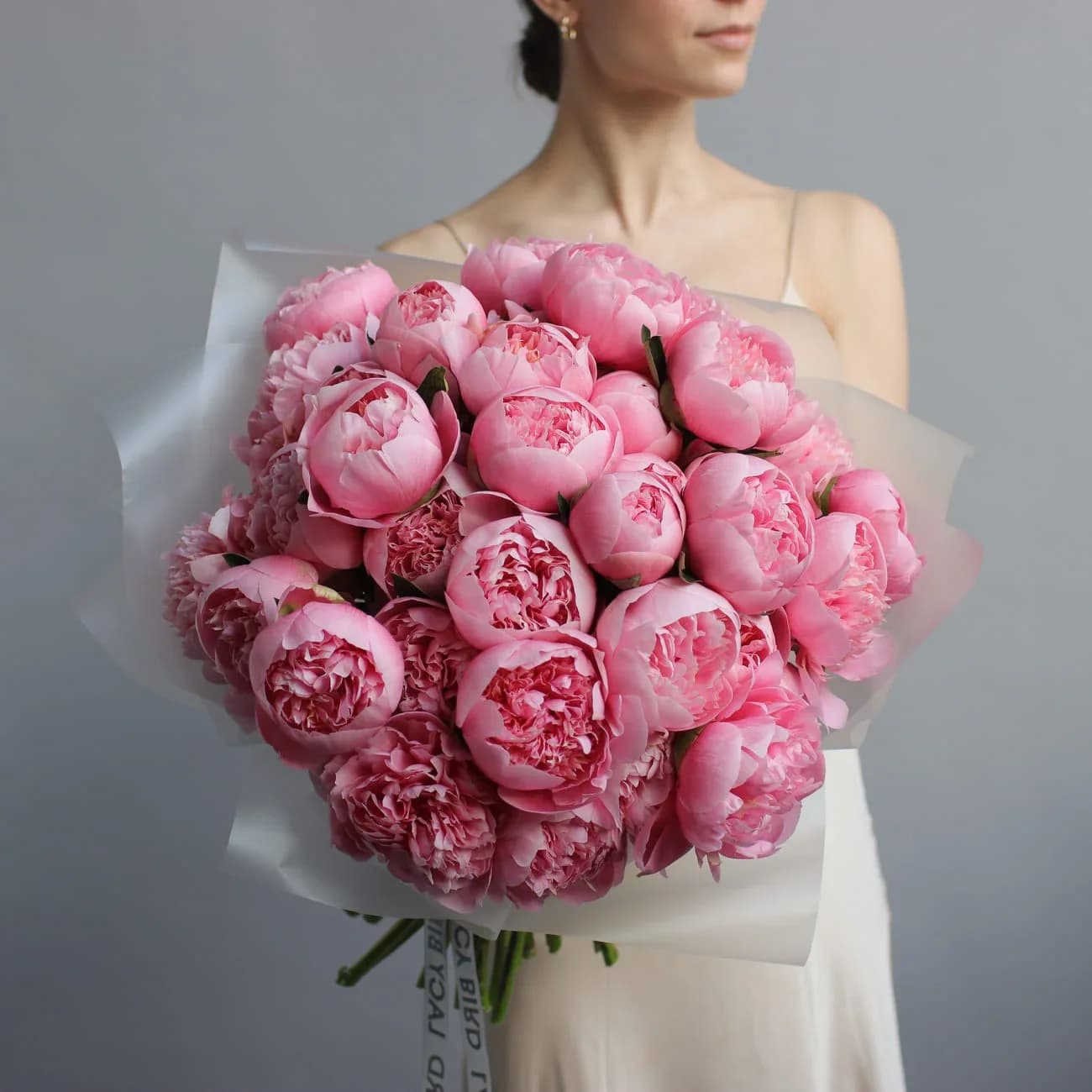
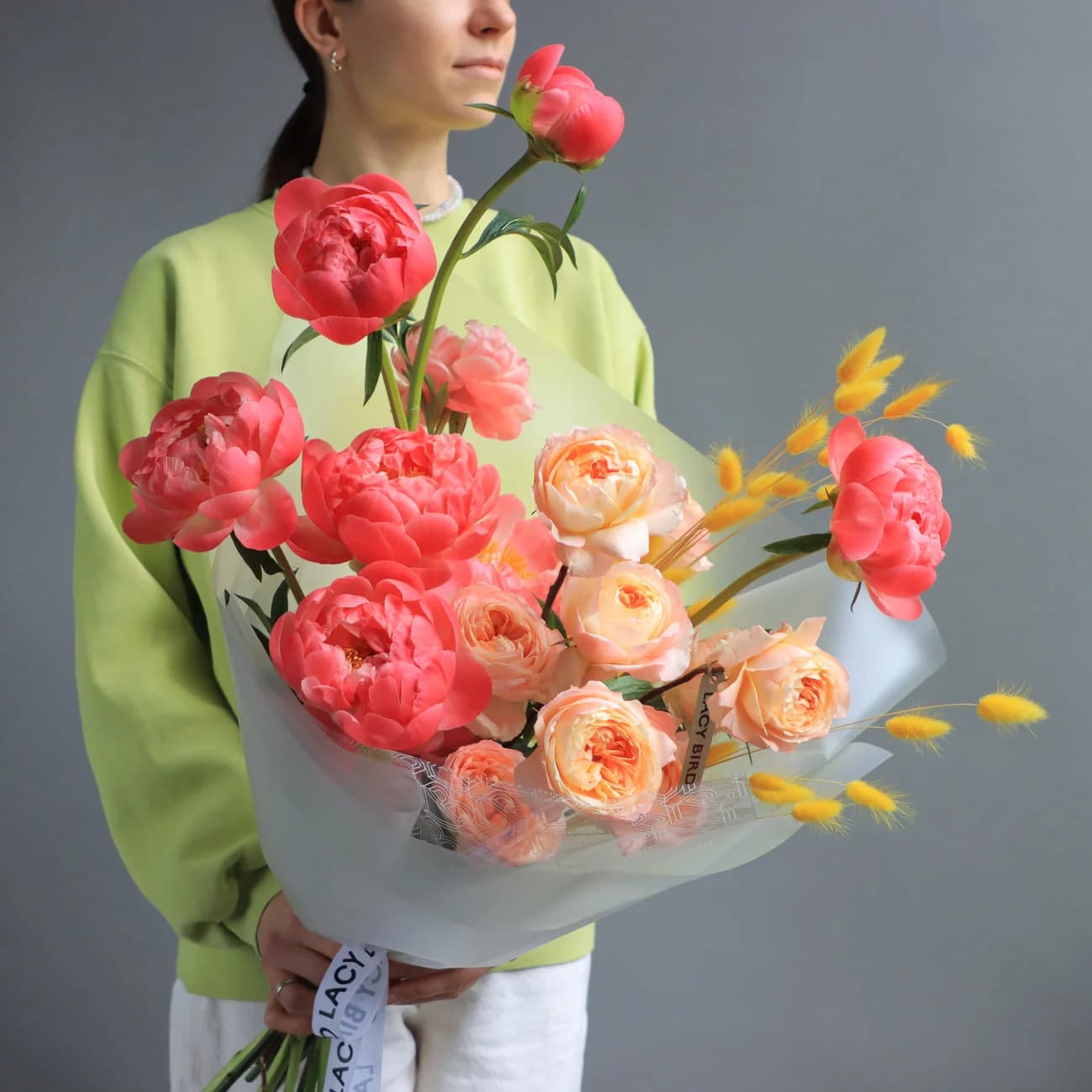
Peonies
- Marshmallow-firm buds open over 24-72 hours
- Warm water 35-40°C for 1 hour to force open
- Cool water for display
- Do not refrigerate open blooms — they collapse
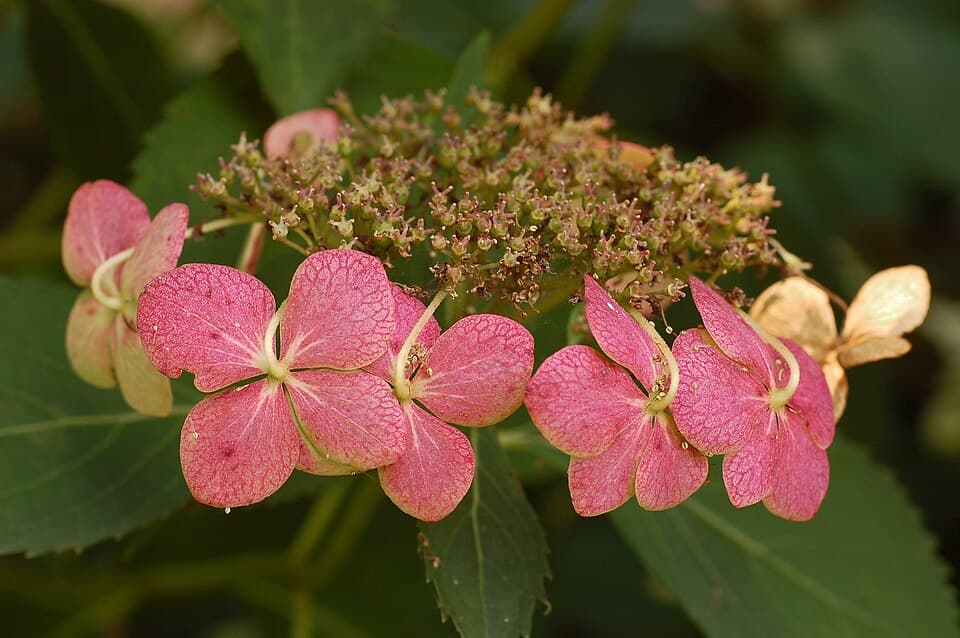
Hydrangea
- Split woody stem 2 cm
- Deep water (they drink heavily)
- Revival trick: submerge entire head and stem in cool water 30 minutes if wilted
- Cool storage between displays
Anemones
- Cut at 45°
- Shallow water (2-3 cm — hollow stem)
- Cool storage keeps closed for longer photography
- Refresh water every 24 hours
Ranunculus
- Cool water with food
- Cool storage
- Refresh daily in warm weather (sensitive to bacteria)
Orchids (cymbidium, phalaenopsis)
- Fresh water, cool
- No stem splitting needed
- Cool 15-18°C storage
- Longest vase life of common cut flowers (2-6 weeks)
Chrysanthemums
- Standard care
- One of the longest-lasting cut flowers (14-21 days)
- Refresh water every 3 days
Reviving wilted flowers
When flowers wilt from dehydration (not old age), rehydration often works.
The head-submersion trick
Works especially well for hydrangea, roses, and lilies:
- Recut stem 2 cm at 45°
- Fill sink or bathtub with cool water
- Submerge entire flower — head, stem, everything — for 30-60 minutes
- Water absorbs through sepals, not just the stem
- Return to fresh vase water with flower food
Success rate: 60-80% for flowers that wilted from dehydration, not age.
The recut-and-refresh method
For less severe wilting:
- Recut 2 cm at 45°
- Refresh vase water (fresh cool water with food)
- Store in cool dark space for 2-4 hours
- Return to display
The warm-water force method
For woody-stem flowers that wilted from air locks:
- Recut and split stem end
- Immerse cut end in warm water 35-40°C for 30 minutes
- Transfer to cool water for display
The refrigeration option
For household bouquets that must last longer:
Overnight refrigeration:
- Between arrangement build and morning display: 30-50% vase life extension
- Cover loosely with plastic to prevent desiccation
- Away from vegetables (ethylene from produce)
Multi-day refrigeration (professional weddings):
- Store 4-8°C in dedicated flower cooler
- Refresh water every 2 days
- Bring to display temperature 30 minutes before use
Weekly household flower care schedule
| Day | Action |
|---|---|
| Day 1 (arrival) | Condition: recut, strip leaves, cool water with food |
| Day 2 | Top up water level |
| Day 3 | Refresh water, recut stems, add fresh food |
| Day 4 | Top up water |
| Day 5 | Refresh water, recut stems, add fresh food |
| Day 6-7 | Top up as needed; check for aging blooms |
Common care mistakes
Warm rooms above 22°C. 30-50% vase life loss. Move flowers or refrigerate at night.
Skipping the recut. Even one skipped recut costs 20% vase life. Every 2-3 days minimum.
Reusing dirty water. Bacteria don't leave when you top up. Full refresh every 2-3 days.
Cheap dull scissors. Crushed stems can't absorb water. Get real florist secateurs.
Fruit bowl on the same table. Ethylene kills cut flowers. Separate rooms.
Direct sunlight. Sun accelerates transpiration and algae growth. Bright indirect light only.
Cooling or heating vent nearby. Both dehydrate flowers. Move away.
Cost of getting it right vs wrong
Weekly household bouquet at $20 wholesale:
- With commercial-standard care: 10-14 days vase life = $1.40-2.00 per day
- With average amateur care: 5-7 days vase life = $2.85-4.00 per day
Same bouquet delivers twice the value per dollar with proper care.
FAQ
How do you keep cut flowers fresh longer?
Four steps: condition on arrival (recut at 45°, strip leaves, cool water), refresh water every 2-3 days with a recut, use commercial or homemade flower food, and keep away from direct sun, heat, and ripening fruit.
Where should I keep flowers to make them last?
Cool room 15-18°C for display. Refrigerator 4-8°C between displays and overnight during hot weather. Away from windows in direct sun, heating vents, and ripening fruit (bananas, apples, tomatoes release ethylene that kills cut flowers).
How do you revive wilted flowers?
Recut stems 2 cm at 45°. Immerse entire flower in cool water 30-60 minutes. Rehydration through sepals often revives badly wilted hydrangea, roses, and lilies. Return to fresh vase water with food.
What kills cut flowers fastest?
Warm rooms above 22°C cost 30-50% vase life. Bacterial water nearly as bad. Ethylene from ripening fruit accelerates wilting 20-40%. Skipping conditioning wastes 30-50% of potential lifespan.
Do supermarket flowers last as long as florist flowers?
No. Supermarket flowers have been in transit and display longer. Remaining vase life is 2-3 days shorter. Reconditioning on arrival partially closes the gap.
Related reading: