Catholic Wedding Flowers — traditional guide
Flowers for Catholic weddings — traditional symbolism, altar arrangements, Marian associations, liturgical colours, and what parishes typically require or allow.
Catholic weddings have specific liturgical traditions around flowers that most modern wedding guides gloss over. This guide covers traditional symbolism, altar arrangement conventions, Marian associations, and what individual parishes typically permit or require.
Written for couples planning a Catholic wedding and for florists whose clients include Catholic families.
Liturgical framework
A Catholic wedding is a sacrament — the Sacrament of Matrimony — and takes place within the Church. This means:
- The church interior is a sacred space with specific decorum
- Flowers may not obstruct the altar, tabernacle, or crucifix
- Certain periods of the liturgical year restrict flowers (Advent and Lent) — check with your parish
- The parish itself may have policies on floral arrangement
Common parish policies to check:
- Can you bring your own florist? (Some parishes require in-house florists)
- Can you take flowers home after the ceremony? (Many parishes ask couples to leave flowers for the Sunday Mass)
- Are candles permitted alongside flowers? (Fire code)
- Are silk/artificial flowers permitted? (Some parishes prefer real)
Traditional symbolism
Catholic wedding flower symbolism draws from centuries of Marian tradition (flowers associated with the Virgin Mary):
White flowers — Marian association and bridal purity:
- White lily — the primary Marian flower; purity, chastity, the Virgin's herself
- White rose — dignity, deep respect, Marian purity
- Stephanotis — marital happiness, wedding devotion
- Lily of the valley — humility, tears of the Virgin
- Gardenia — sacred purity, secret love
Blue accents — traditional Marian colour:
- Delphinium or forget-me-not — blue is Mary's colour
- Muscari (grape hyacinth) — spring, faith
- Blue hydrangea — modern option
Red accents — sacred heart, passion:
- Red rose — sacred love (used sparingly)
- Sacred lily (blood lily) — in specific traditions
- Christ-blood associations — subtle red touches
Green — hope, eternal life:
- Ivy — fidelity, eternal love; a traditional Christian wedding plant
- Palm — Christ's victory
- Olive — peace, especially in Mediterranean traditions
Altar arrangements
Traditional Catholic altar arrangements follow proportion rules that predate modern wedding design:
Pair of arrangements flanking the altar — one on each side, mirroring but not identical. Traditional size 40-60 cm tall × 30-45 cm wide.
Base of altar (with pastor's permission) — greenery only, or low arrangements. Never covering the altar cloth.
Prie-dieu (kneelers) if used — small nosegays either side.
Marian shrine (in churches with side shrines) — small arrangement in front of the Virgin's statue. Often includes lilies.
Communion rail (in traditional Latin Mass parishes) — small arrangements along the rail. Coordinate with parish.
Sanctuary lamp area — no arrangements permitted; the sanctuary lamp indicates the tabernacle is occupied.
Colour and liturgical season
The Catholic liturgical calendar has specific colour associations that couples can honour:
- Ordinary Time (most of the year) — green vestments; any wedding flowers appropriate
- Advent (4 weeks before Christmas) — purple; wedding flowers discouraged in Advent, generally weddings aren't scheduled
- Christmas Season — white and gold; poinsettias, white lilies
- Lent (40 days before Easter) — purple; NO weddings permitted in Lent traditionally
- Easter Season — white; lilies especially significant
- Pentecost — red; palm-adjacent traditions
Winter weddings (post-Christmas) often incorporate poinsettia and Christmas-adjacent colours because the church is decorated liturgically.
Bridal bouquet traditional
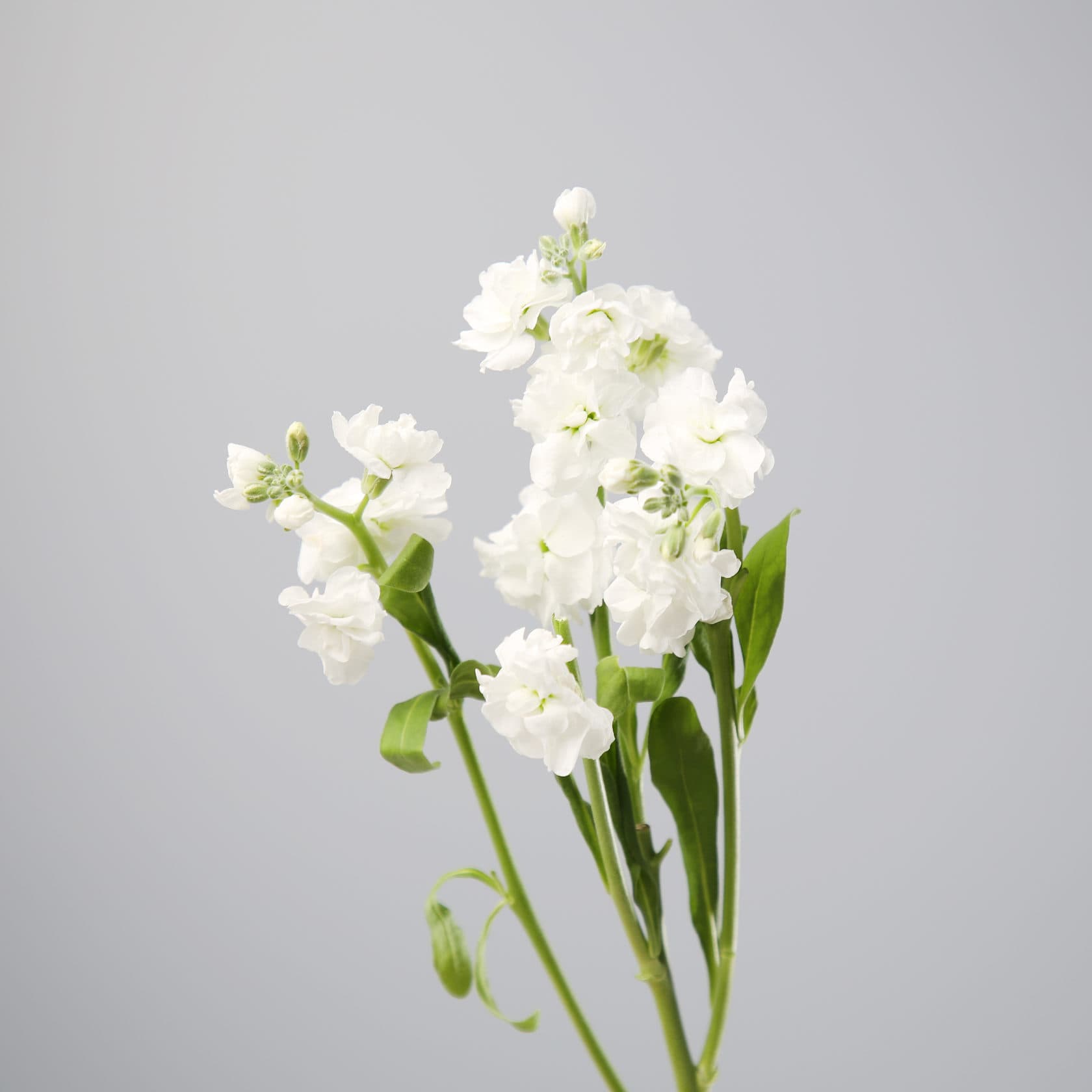
Traditional Catholic bridal bouquets historically featured:
- Predominantly white flowers
- A rosary integrated into the bouquet (a family rosary, sometimes)
- A cross or crucifix small charm
- Marian medal (Miraculous Medal) — worn by many Catholic brides
- Blue ribbon — subtle Marian nod
- Something old, something new, something borrowed, something blue — the modern rhyme has Marian roots
Modern Catholic weddings blend these traditions with contemporary design freely. A traditional bride may keep white flowers and a family rosary. A modern couple may skip the specific symbols and follow modern colour palettes.
Cultural variations
Latin American Catholic weddings — deeper colour palettes, often including marigolds (Mexico), roses in reds and pinks, strong floral installations at altars.
Italian Catholic weddings — orange blossom (traditional Italian bridal), olive branches, Mediterranean palette.
Irish and English Catholic weddings — white and green, ivy prominent, more restrained.
Filipino Catholic weddings — sampaguita (Philippine jasmine), distinctive scent, cultural pride.
Ukrainian Byzantine and Slavic Catholic weddings — periwinkle and vinok (flower crown), incorporating Eastern European tradition.
Practical planning
6 months before: confirm with parish what flowers are permitted and what policies apply.
3 months before: brief your florist on Catholic-specific elements (rosary integration, blue Marian accent, etc.).
1 month before: confirm delivery access to the church — some sacristies restrict wedding-week deliveries.
Wedding day:
- 1-2 hours before ceremony: florist arrives at church for altar setup
- 30 minutes before ceremony: last touches
- Post-ceremony: determine flower disposition (take home? leave for Sunday Mass? donate to hospital?)
Cost expectations
Traditional Catholic wedding floristry tends toward the middle-tier budget:
- Simple altar pair: $200-500
- Full altar + prie-dieu + shrine: $500-1,200
- Elaborate altar arrangements + palm bouquets: $1,200-3,000
- Bridal bouquet with Marian integration: $150-350
- Bridesmaid bouquets (traditional white): $60-120 each
For a moderate Catholic wedding: total floral budget typically $1,500-3,500.
Sensitive planning notes
- Marian flowers make sense for practicing Catholics. For couples who aren't Marian in devotion, don't force the symbolism — a Catholic wedding is fully valid without lily-of-the-valley or blue accents.
- Some parishes are very traditional. Ask the parish wedding coordinator, not just the priest. They know the parish's actual flower policies.
- Photograph the altar arrangements early. Church lighting during a ceremony is often too dim for great flower photos.
Related reading: