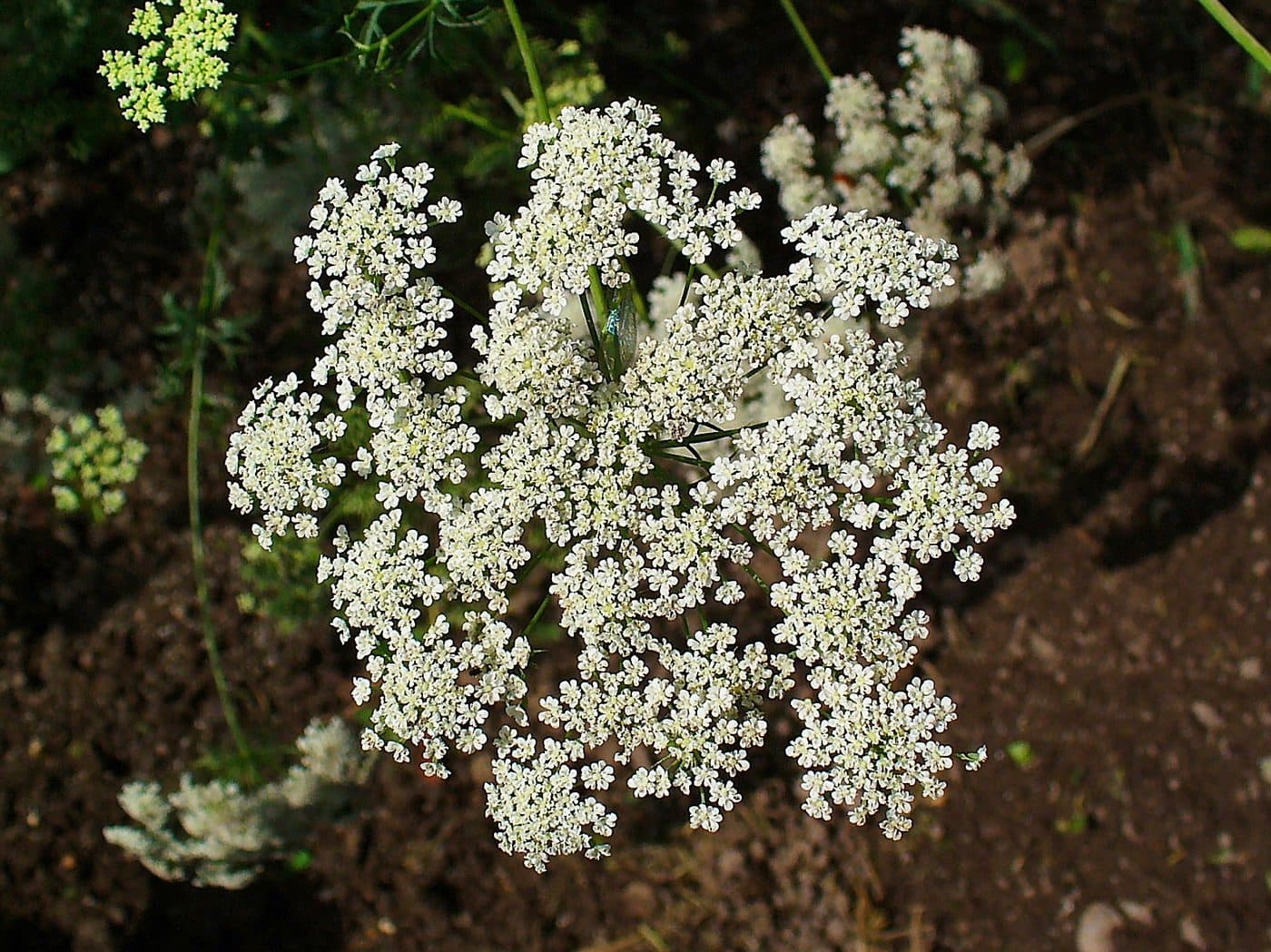
Photo: Forest and Kim Starr · CC BY 3.0 us · Wikimedia Commons
Dill
Dill contributes airy, chartreuse umbels of tiny flowers on feathery stems, adding a soft veil of texture and a warm herbal fragrance. Florists use it as a filler to lend movement and a loose, foraged look to garden-style bouquets. Its acid-green colour brightens and freshens deeper palettes. It is a seasonal favourite for rustic and summer wedding work.
| Family | Apiaceae |
|---|---|
| Origin | Mediterranean and Western Asia |
| Peak season | June, July, August |
| Availability | May, June, July, August, September |
| Stem length | 40–70 cm |
| Vase life | 5–7 days |
| Colors | yellow, green |
| Price tier | budget |
Cut stems at an angle and strip the lower foliage to keep the water clean. Condition in cool, fresh water for a few hours before arranging, as dill can wilt if left dry. Keep cool and avoid crushing the delicate flower heads.
- •Strip lower foliage
- •Condition in cool fresh water
- •Keep water clean
- •Avoid crushing flower heads
- •Store cool
 Bouquet Builder — by Lacy Bird
Design the bouquet. See it as a photo.
Botanical reference
- Also known as
- dill weed, Anethum arvense, Anethum benevolens, Anethum graveolens anatolicum, Anethum graveolens australe, Anethum graveolens chevallieri, Anethum graveolens copiosum, Anethum graveolens hortorum, Anethum graveolens nanum, Anethum graveolens parvifolium, Anethum graveolens sowa, Anethum graveolens submarginatum
- Distribution
- Algeria, Caribbean, Chad, Cyprus, Gulf States, Iran, Lebanon-Syria, Libya, Morocco, North America
- Uses
- medicinal plant, food, spice
Open-data sources: GBIF, Wikidata (CC0/CC BY)
Frequently asked questions
When is Dill in season?
Dill peaks in June, July, August, and florists can usually source it May, June, July, August, September. Availability shifts by region and greenhouse supply.
How long does Dill last in a vase?
Expect 5–7 days with proper conditioning — a clean vase, fresh water every couple of days, flower food, and a cool spot away from ripening fruit and direct heat.
What can I use instead of Dill?
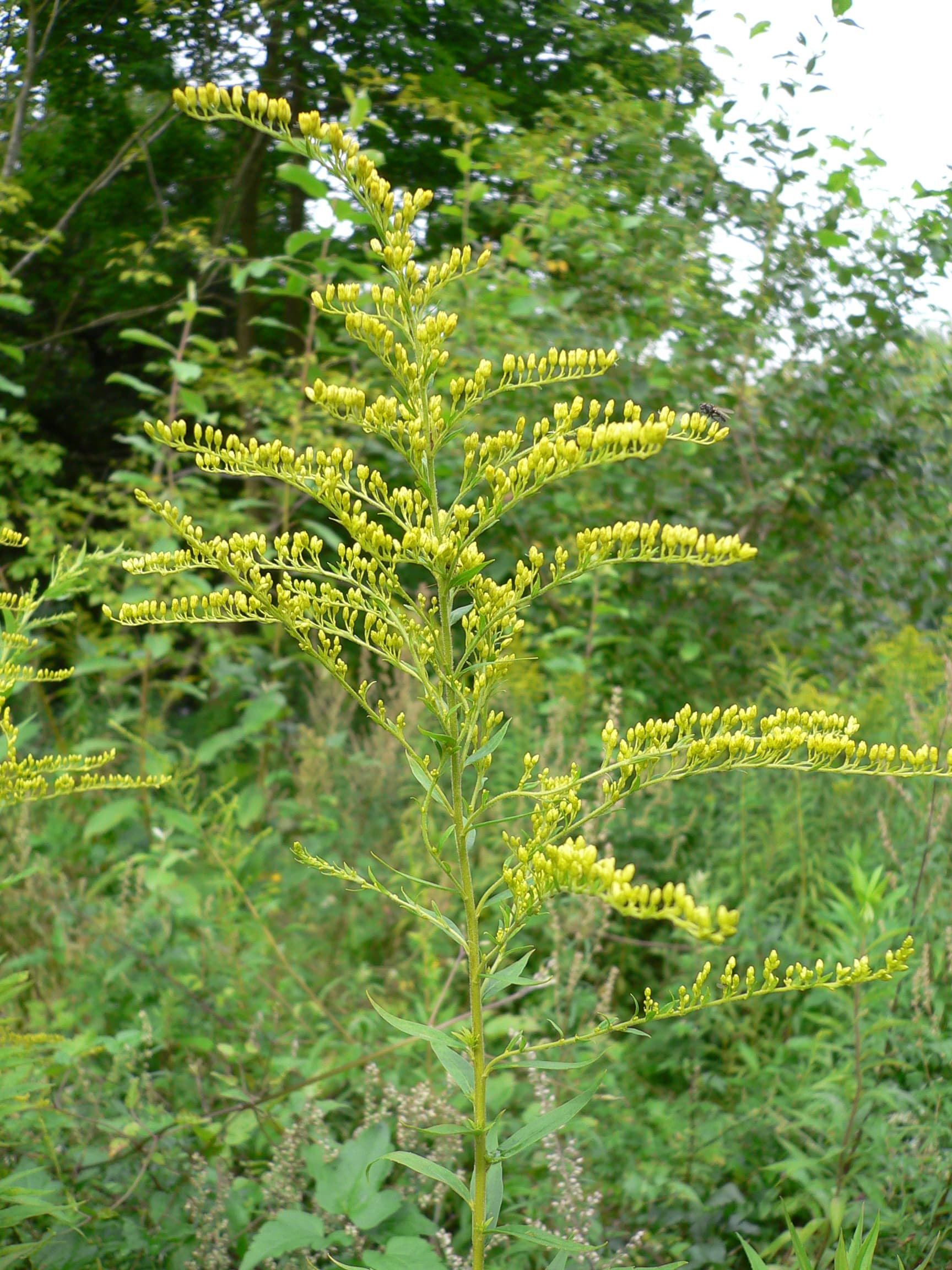
Good substitutes for Dill include Ammi, Bupleurum, Solidago. Match on look, colour and season — our substitute finder ranks the closest alternatives.
What does Dill symbolise?
Dill is associated with protection, good cheer, abundance.
How do you care for cut Dill?
Strip lower foliage
Related flowers

Free to quote and cite with attribution and a link back, for non-commercial and editorial use (blogs, journalism, classrooms, research).
Lacy Bird Flower Encyclopedia — “Dill”. https://lacybird.com/flowers/dill/<a href="https://lacybird.com/flowers/dill/">Lacy Bird Flower Encyclopedia — Dill</a>