Flower Wreaths: One Technique, Four Traditions — Door, Table, Head and Farewell
The flower wreath across its four lives — door wreaths, Advent tables, flower crowns and funeral wreaths — with the binding technique, base options and honest prices.
The wreath is the oldest floral form humans still make — laurel circles predate vases by centuries — and it survives because the circle keeps meaning things: welcome on a door, time on an Advent table, honour on a head, memory at a farewell. Four traditions, one piece of handwork. Learn the binding once and you own all four.
One technique rules them all
A wreath is a garland that closes on itself, and it is built the same way: short bundles, bound in overlapping layers, all facing one direction.
Cut material to 10-15 cm. Bundle three to five stems. Bind the bundle to the ring with waxed thread or paddle wire — and don't cut the binding; it runs continuous around the whole circle. Each new bundle covers the previous one's binding point, fish-scale fashion. Work around the ring in one direction, keeping density even — rotate the wreath constantly at arm's length, because the eye reads a circle's gaps mercilessly. The final bundle slides its stems under the head of the first, closing the loop with no visible seam.
That seam-hiding last move is the entire difference between homemade and professional. Practise it twice and nobody will find your join again.

The base decides the wreath
- Wire ring. The professional default: cheap, invisible under binding, reusable for a decade. For all bound-foliage work.
- Straw or moss ring. Body and a water reserve — moistened moss keeps fresh flowers alive for days. The base for flowered and funeral work.
- Grapevine. The rustic register, allowed to show through sparse styling — half the design is the base itself.
- Foam ring. Exists, works, and is single-use plastic; wet moss bound over a wire ring does the same job and composts afterwards — part of the same foam-free toolkit we use everywhere else.
The four traditions, practically
The door. Foliage and berries — fir and ilex in winter, eucalyptus and olive the rest of the year. Cool outdoor air is a preservative: two to six weeks of service, then a dignified drying in place. This is the entry drug of wreath-making, and an honest $35-80 from a studio.
The table. The Advent wreath and its secular cousins — low, dense, candle-ready. Same binding, plus one non-negotiable: candles sit in proper holders spiked into the base, never propped among stems, and are not left burning unattended over dried fir. Every florist has one scorch story; make sure it stays ours, not yours.
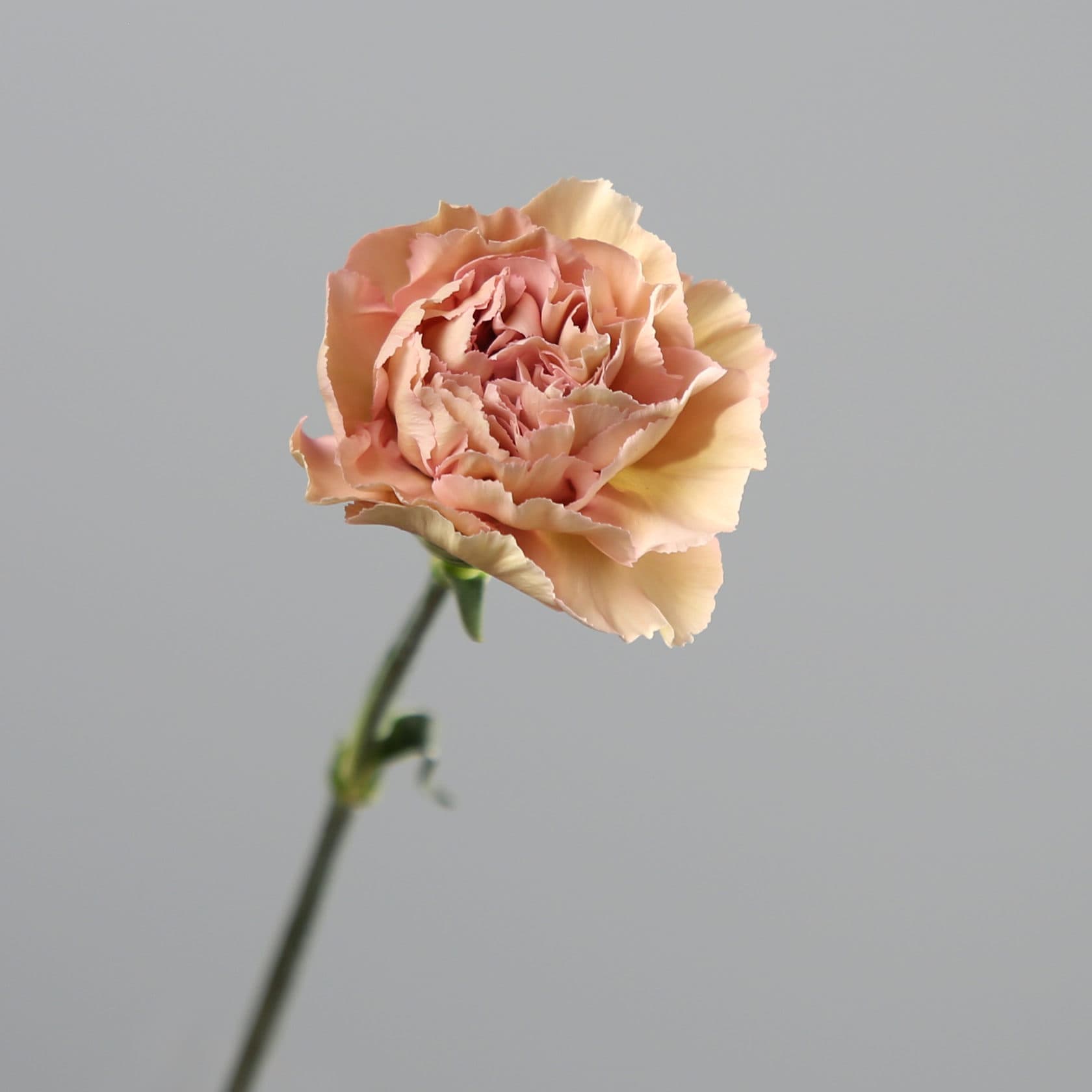
The head. The flower crown — midsummer festivals, brides, birthdays. Here weight is the design constraint: the whole piece must stay under about 200 grams or it becomes a chore by hour two. Spray roses, carnations, statice, gypsophila and waxflower are the endurance picks, wired fine and taped — the same skills as boutonniere work, bent into a circle sized to the actual head (measure; don't guess).
The farewell. The funeral wreath is the form's oldest continuous duty — the circle standing for what doesn't end. Chrysanthemums, carnations and roses over a moistened moss base, built dense so the form reads solid from across a chapel; $80-250 by size. What to send and when, including whether a wreath is your place to send at all, is covered in the funeral flowers guide.
Fresh, dried, or converting on the wall
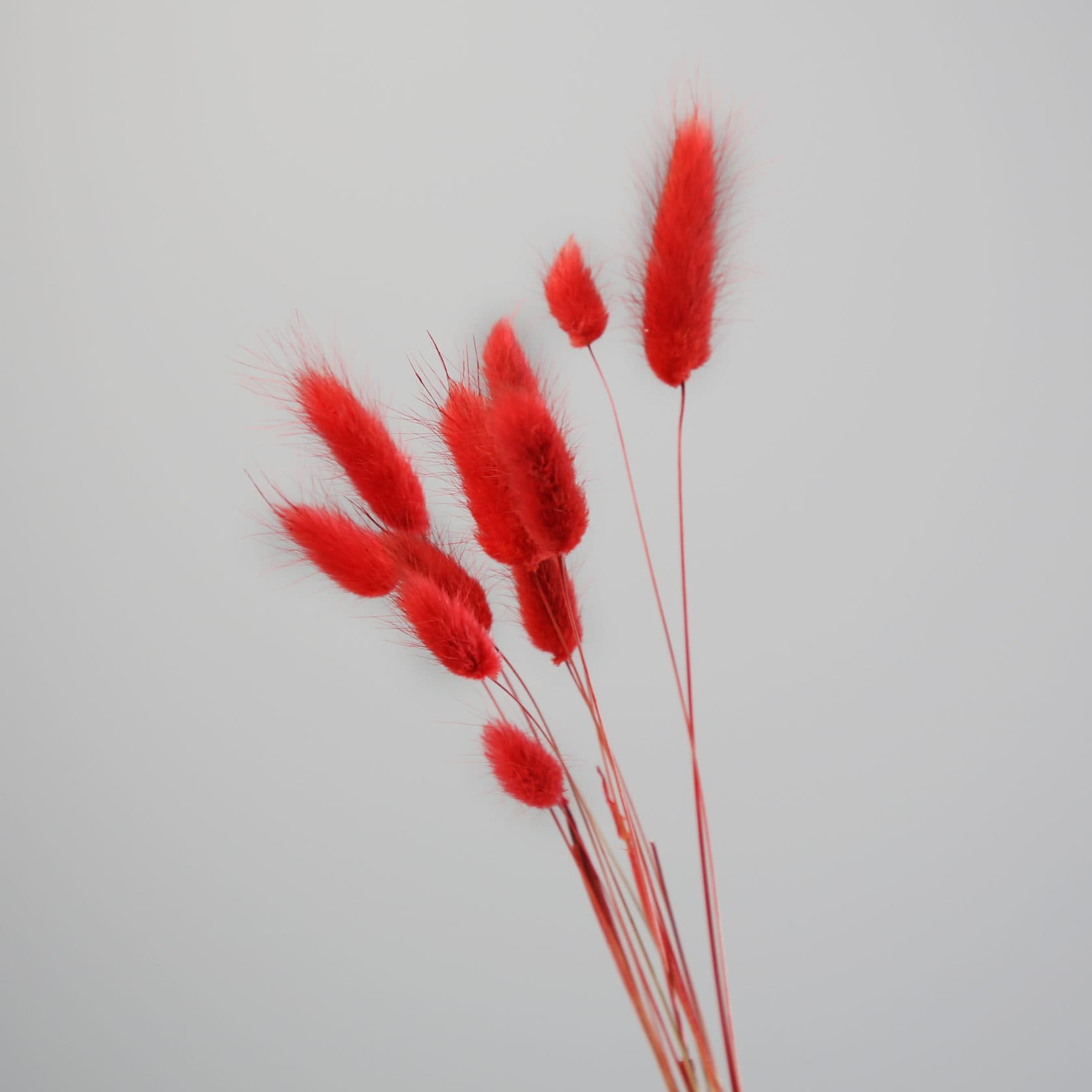
Like its cousin the garland, the wreath has a second act. Eucalyptus, laurel, olive, statice, strawflower and lagurus all dry in place without losing the circle — a wreath hung fresh in December is a dried wreath by February and still on duty in May. If you want the conversion, say so when ordering: the florist weights the recipe toward the driers and skips the material that browns.
Fully dried wreaths, built dry from the start, have quietly become their own genre — parchment tones, grasses and seed heads, zero maintenance — and they solve the one real weakness of the fresh door wreath: indoor heating. Between a heated hallway and a fresh wreath, choose dried; between a cold porch and anything, fresh wins. (The material logic lives in our dried flowers guide.)
The habit worth forming
Buy one good wire ring this year. Strip it each season, rebind it with whatever the market and the walk to work are offering — fir in December, blossom prunings in April, wheat and strawflower in August. The ring costs five dollars once; the habit costs an hour a season and returns a doorway that tells the truth about the time of year. Of all floristry's forms, the wreath is the one that most rewards being practised rather than purchased — which is, perhaps, why it has outlived every fashion since Rome.