Flowers in Resin: How Casting Works, What It Costs, and What Survives the Pour
Resin flower preservation explained — drying before casting, why colours shift, what a professional block or ring costs, DIY pitfalls, and how it compares to pressing and freeze-drying.
Resin is the maximalist answer to the oldest client question — "can you make it last forever?" Pressing gives you two dimensions; preservation gives you one to three years; resin gives you the actual flowers, in three dimensions, in a block you can hand to a grandchild. It is also the least forgiving craft on this site: the pour is permanent, and so is every mistake inside it. Here is how it really works.
The truth nobody puts on Etsy: drying decides everything
The romance is in the pour; the result is decided a week earlier. Fresh flowers cannot go into resin — trapped moisture reacts during curing into browning, cloud and bubbles, sealed forever in crystal. So every serious caster runs stage one first: the blooms are buried in silica gel for one to two weeks, which pulls the water out while holding the three-dimensional shape (unlike pressing, which trades the third dimension for speed).
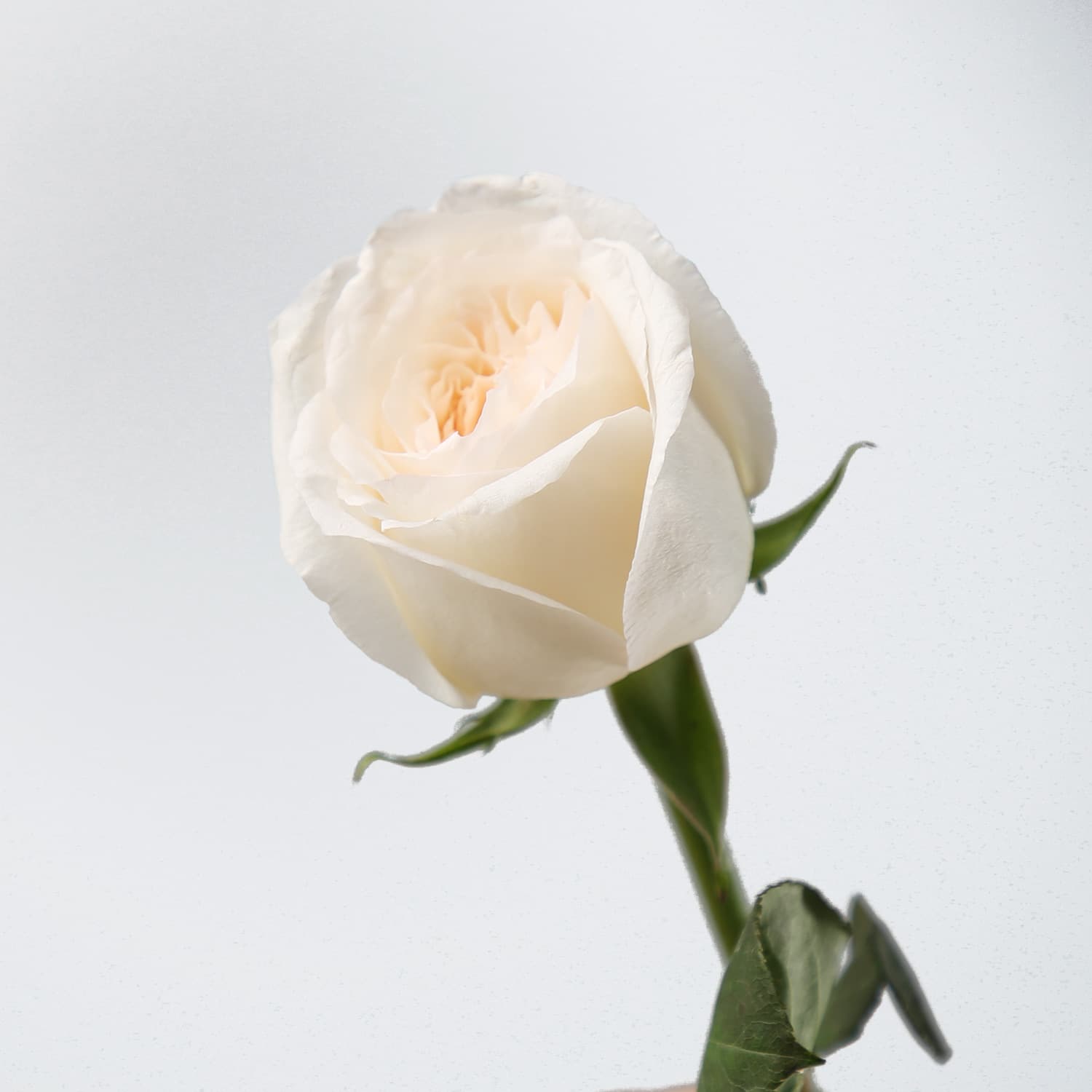
Colour behaviour is set at this stage too, and honest casters warn clients up front: whites turn translucent cream in resin (the petal's air pockets fill and stop scattering light), reds deepen toward wine, blues and purples hold truest. A white-heavy bouquet becomes a parchment-toned block — beautiful, but different, and better chosen than discovered.
The pour: thin layers, long patience
Bouquet-scale casting is not one dramatic pour but a dozen quiet ones. Each layer of epoxy goes on 1-2 cm thick, is degassed (a heat-gun pass or pressure pot to pull bubbles), and cures before the next — because thick single pours generate heat that cooks petals and cracks blocks. A large block is two to four weeks of work in real time, which is most of what the professional price buys:
- Small keepsakes — a ring, coaster, or paperweight with a few blooms: $30-120.
- Hearts, hexagons, letter blocks: $120-250.
- Full bouquet blocks: $150-500+, size- and complexity-priced.
The other thing the fee buys is nerve. Your wedding bouquet exists once; the specialist has ruined their practice flowers already, on someone else's time.
DIY: where the line honestly sits
Small resin work is a genuinely accessible craft, and we encourage it: a starter kit ($30-50), silica-dried garden blooms, a silicone mould, and a first coaster by the weekend. The failure modes to know: under-mixed resin never cures (sticky forever), over-torched surfaces ripple, and impatience — pouring layer two early — clouds the seam. Practise on flowers you don't love.
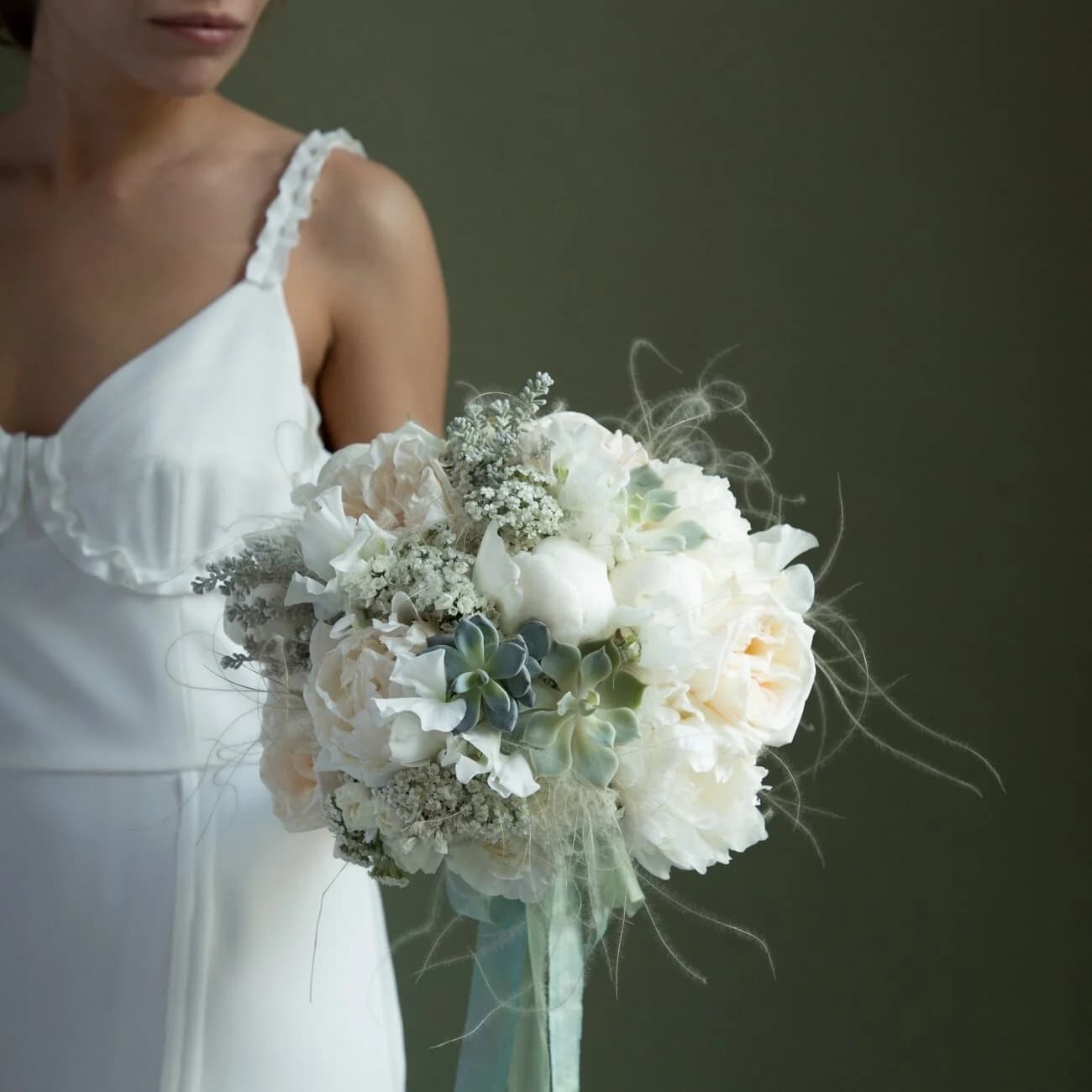
The line sits at irreplaceability. Casting some flowers: craft project. Casting the flowers — the wedding bouquet, the funeral rose: hire it out, or at minimum split the material and practise on half. (And if the goal is simply a lasting bouquet keepsake in any form, compare the whole menu first — pressing, freeze-drying and resin each trade differently, as we map in the bouquet preservation guide.)
Living with a block
Cured resin asks little: no direct sun (UV ambers even stabilised resin over years), no radiators, dust with a soft cloth, and mind the weight — a full bouquet block is a genuinely heavy object that wants a stable shelf, not a windowsill edge. Treated that gently, the block simply persists: the same flowers, the same afternoon, visible from every angle, indefinitely.
Which is the real reason the craft keeps growing despite the prices and the patience it demands. Every other preservation method keeps a version of the flowers. Resin is the only one that keeps the flowers themselves — and for the bouquets that marked the biggest days, versions sometimes aren't what people want.