Wedding Cake Flowers — the safety and design guide
Fresh flowers on wedding cakes: edible-only rules, barrier techniques for non-edible flowers, placement timing, cost per tier, and the flowers we actually use in our studio.
Fresh flowers on a wedding cake are one of the highest-return decisions a couple makes — the cake becomes photographable from every angle, the floral brief extends into the reception, and the material cost is small relative to the visual impact.
But there's a safety layer most guides skip: many popular flowers are mildly toxic and cannot touch food. Get this wrong and the consequence is a guest getting sick after the wedding.
This is the guide we use in our studio for every cake collaboration — what's safe, how to protect what isn't, timing, and cost tiers.
The two rules
Rule 1 — Edible list only if flowers touch cake. If flowers are in direct contact with icing or a cut surface, they must be from the food-safe edible-flower list.
Rule 2 — Barrier if using non-food-safe. If you're using a non- edible flower (garden rose that wasn't grown food-safe, peony, orchid), it must be barrier-mounted: on a small piece of parchment, in a hidden vial, or on a wired mount that prevents contact.
Both rules are non-negotiable and every professional cake designer you work with will enforce them. If yours doesn't, they aren't professional.
The safe edible-flower list
Grown organically without pesticides or systemic chemicals:
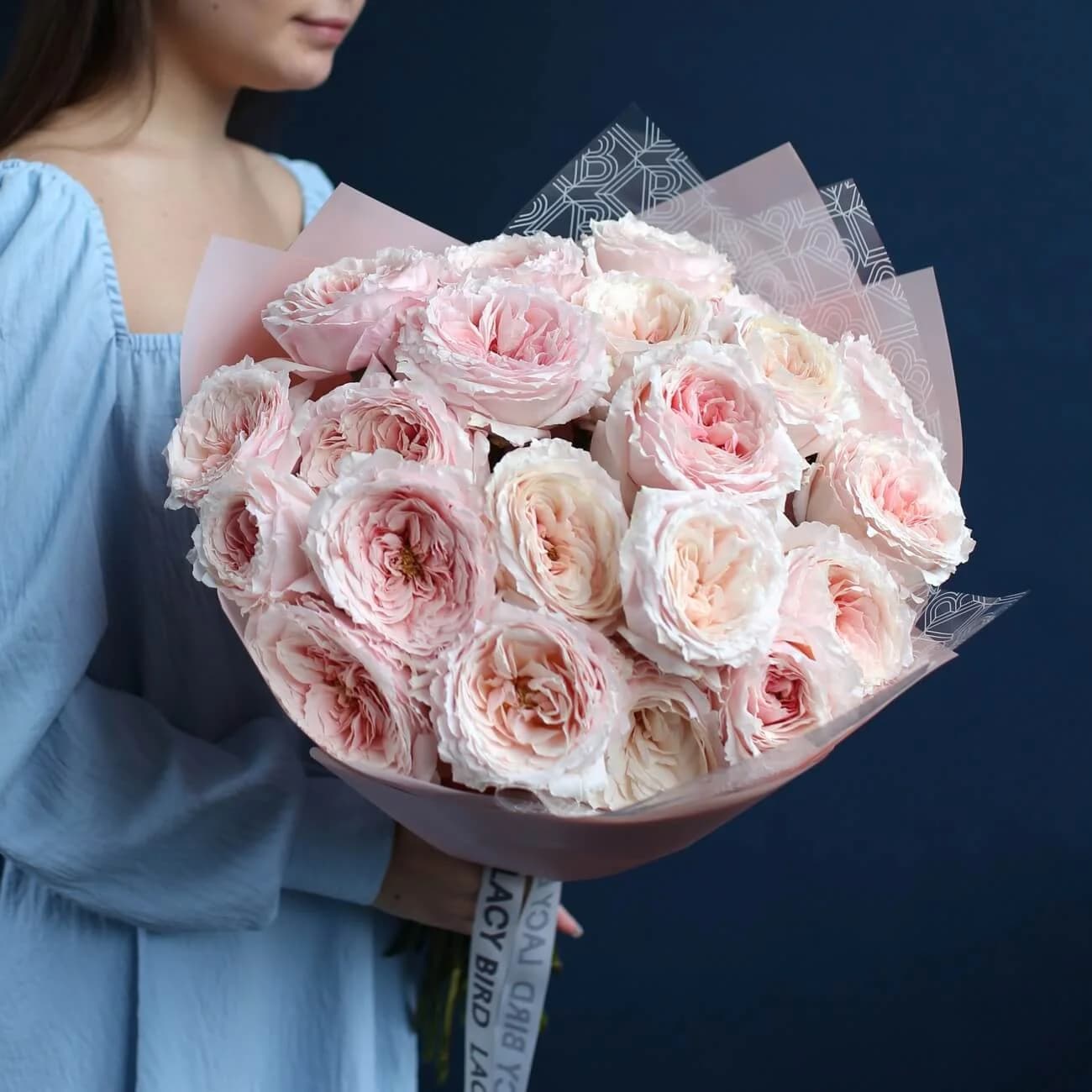
- Roses (petals only — not the calyx or stem)
- Pansies and violas
- Nasturtium (petals + leaves — peppery, actually adds flavour)
- Chamomile
- Marigold
- Calendula
- Chive blossom
- Borage (starry blue flowers)
- Sweet violet
- Elderflower
- Cornflower
- Lavender (small amount — strong flavour)
- Squash blossom
- Zucchini blossom
- Rosemary and thyme flowers
Critical: these must be certified organic edible-grade. Commercial flower shops sell aesthetically similar flowers grown with systemic pesticides that persist in petal tissue. Wedding-safe flowers come from specialty growers or from cake designers themselves.
Flowers that must be barrier-mounted
These are visually beautiful on wedding cakes but must not touch food:
- Peonies (mildly toxic if consumed)
- Standard non-edible roses (pesticide residue)
- Hydrangeas (mildly toxic)
- Ranunculus (mildly toxic)
- Lily of the valley (highly toxic — never on food)
- Delphinium and larkspur (toxic)
- Sweet peas (toxic)
- Anemones (mildly toxic)
- Poppies (some varieties toxic)
- Foxglove (highly toxic — never on food)
- All lilies (highly toxic — never on food)
Never on cake, even barrier-mounted: lily of the valley, foxglove, oleander, castor bean, monkshood, aconite. These are toxic enough that residue from stems on the cake surface has caused reactions.
Barrier techniques that work
Wire mount with parchment. Wire the flower stem, insert into a small folded parchment cone or piece of cake board, place on cake. Flower is visually on the cake; cake is visually protected.
Sealed vial. A tiny water tube (or an aluminium foil-wrapped straw), inserted vertically into a hidden position, holds a stem. Invisible in photographs.
Mounted on ribbon. Flowers wired onto a ribbon that wraps the cake horizontally. The ribbon separates flower from icing.
On a small dish. A footed dish or a small cake board with flowers arranged, placed on top of the cake. Removes contact entirely.
Timing on the wedding day
Fresh flowers on cakes go on last — after the cake is delivered to the venue, after the cake table is set, and typically 30-90 minutes before the reception opens.
Order of operations:
- Cake baked and delivered separately
- Cake set up at venue by pastry team
- Florist arrives with prepped flowers
- Florist arranges and mounts flowers on cake
- Cake table setup complete 30-60 minutes before guests arrive
If the venue temperature is above 22°C, flowers should go on within the last 30 minutes — heat softens petals and any butter or buttercream cake surface.
Cost expectations
- Minimal — 3-5 flowers as accent: $30-60
- Standard — flowers on each tier plus base: $80-200
- Statement — cascading floral cake: $200-500+
- Editorial / structural floral cake: $500-1,500
This is separate from the cake itself. Wedding cakes with floral decoration cost 20-40% more than plain versions due to the coordination time between florist and pastry chef.
Design approaches
Minimal accent. 3-5 flowers of a single species clustered on one side of the top tier. Elegant, restrained, photographs beautifully.
Layer accents. A small cluster or single flower on each tier's edge. Repetition without overload.
Cascading. Flowers extending vertically down one side of the cake, mimicking a garden. Requires structural support; costs more because of the design time.
Full floral top. The entire top tier obscured by flowers — the "floral crown" cake. Statement piece; expensive; photographs like a floral centerpiece.
Edible flower confetti. Whole cake decorated with hundreds of tiny edible flowers (pansies, violas, chamomile petals). Modern approach that's simultaneously beautiful and food-safe.
What the pastry chef needs from your florist
Coordinate ahead of the wedding:
- Delivery time and location (venue, room, table)
- Cake dimensions per tier (florist plans arrangement)
- Icing type (buttercream vs fondant vs ganache — affects mount methods)
- Colour brief (palette you've committed to)
- Photograph timing (needs to happen with the fresh flowers)
The florist and pastry chef should communicate at least once before the day. A florist who has never worked with a specific pastry chef should ask about their setup constraints.
The keepsake question
Cake flowers don't preserve — they're exposed to icing, sugar, and occasional finger-touches during cutting. If you want a preserved memory:
- Photograph the cake with flowers before cutting
- Set aside a small arrangement from the same florals for preservation
- Don't rely on the cake flowers themselves
What we do at Lacy Bird
Our default for wedding-cake floral collaboration:
- Pastry chef sends dimensions 2 weeks before
- We source certified edible + barrier-safe non-edible
- Arrive at venue 45 minutes before cake photography
- Mount using vial + parchment barrier for non-edible flowers
- Coordinate photograph timing with the couple's photographer
- Remove flowers before service if requested (many couples keep them on for the cake-cut photograph)
Total florist time on the wedding day for cake work: 30-90 minutes.
Related reading:
- Wedding bouquets
- Centerpieces
- Colour palette picker
- Flower Encyclopedia — check symbolism and vase life on each candidate