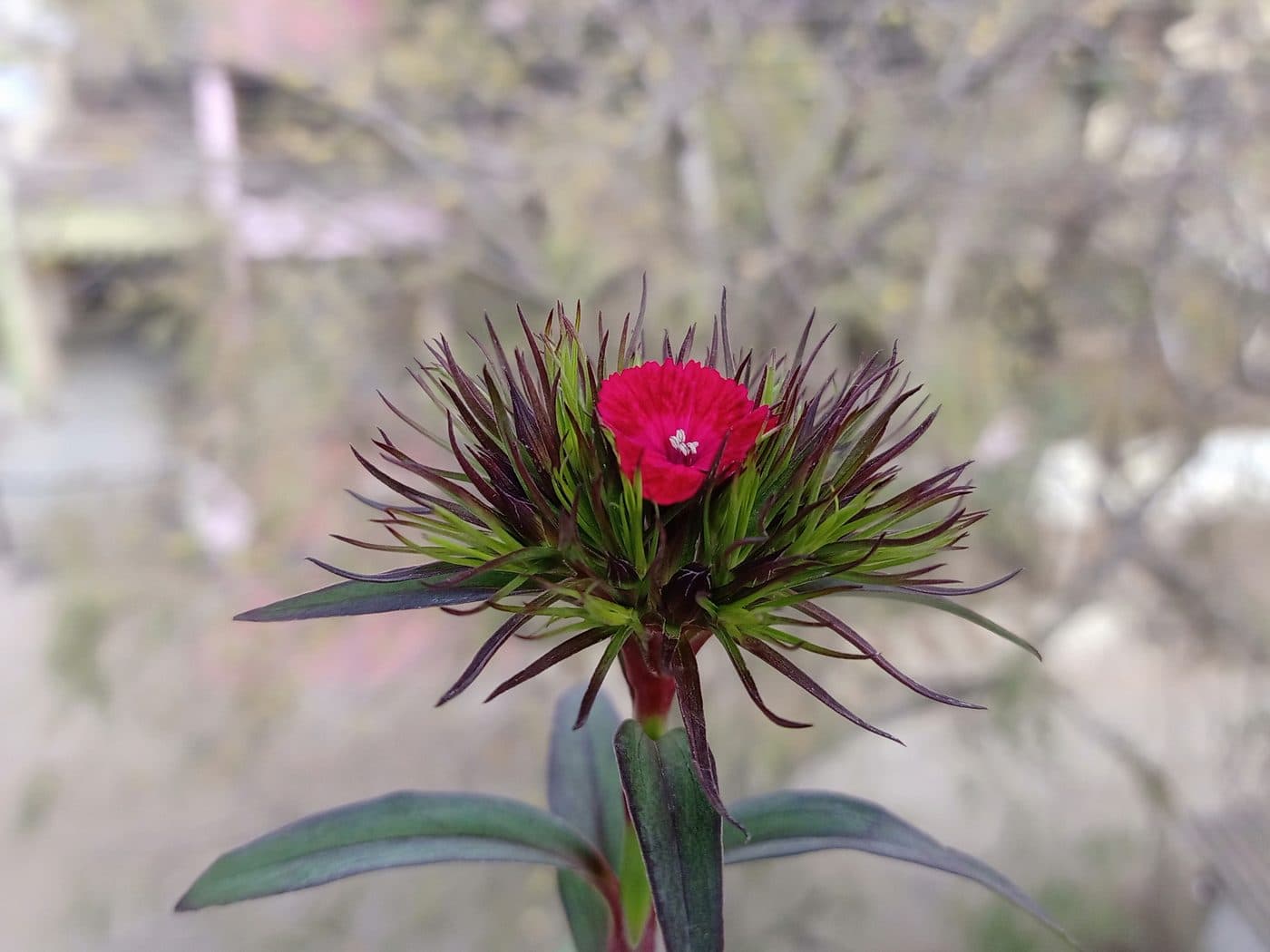
Photo: Robert Flogaus-Faust · CC BY 4.0 · Wikimedia Commons
Saponaria
Saponaria, better known as soapwort or bouncing bet, is a classic cottage-garden perennial whose sprays of small five-petalled flowers glow in soft pink and white. Florists use it as a delicate, cloud-like filler, a charming alternative to gypsophila that adds airy softness to hand-tieds and jam-jar arrangements. Its historic name comes from the plant's sap, which lathers gently in water. Easygoing and abundant in high summer, it is a budget-friendly workhorse for rustic and garden-style designs.
| Family | Caryophyllaceae |
|---|---|
| Origin | Europe and western Asia |
| Peak season | July, August, September |
| Availability | June, July, August, September, October |
| Stem length | 30–60 cm |
| Vase life | 5–7 days |
| Colors | pink, blush, white |
| Price tier | budget |
Recut stems and remove lower foliage before conditioning in cool, clean water with flower food. Let the airy sprays hydrate for a few hours in a cool spot. Change the water regularly and pinch off spent florets to keep the cluster looking soft and fresh.
- •Recut stems on a slant
- •Strip lower leaves
- •Condition in cool water with flower food
- •Remove spent florets
- •Change water regularly
- •Keep cool
 Bouquet Builder — by Lacy Bird
Design the bouquet. See it as a photo.
Botanical reference
- Common name
- Bladder Soapwort
- Also known as
- soapwort, bouncing bet, sweet betty, Bootia saponaria, Bootia vulgaris, Lychnis officinalis, Lychnis saponaria, Sabulina hybrida, Saponaria alluvionalis, Saponaria hybrida, Saponaria nervosa, Saponaria officinalis abnormis
- Distribution
- Albania, Austria, Baleares, Baltic States, Belarus, Belgium, Bulgaria, Central European Russia, Corse, Czechia-Slovakia
Open-data sources: GBIF, Wikidata (CC0/CC BY)
Frequently asked questions
When is Saponaria in season?
Saponaria peaks in July, August, September, and florists can usually source it June, July, August, September, October. Availability shifts by region and greenhouse supply.
How long does Saponaria last in a vase?
Expect 5–7 days with proper conditioning — a clean vase, fresh water every couple of days, flower food, and a cool spot away from ripening fruit and direct heat.
What can I use instead of Saponaria?
Good substitutes for Saponaria include Gypsophila, Sweet William, Waxflower, Carnation. Match on look, colour and season — our substitute finder ranks the closest alternatives.
What does Saponaria symbolise?
Saponaria is associated with cleansing, humility, friendship.
How do you care for cut Saponaria?
Recut stems on a slant
Related flowers


Free to quote and cite with attribution and a link back, for non-commercial and editorial use (blogs, journalism, classrooms, research).
Lacy Bird Flower Encyclopedia — “Saponaria”. https://lacybird.com/flowers/saponaria/<a href="https://lacybird.com/flowers/saponaria/">Lacy Bird Flower Encyclopedia — Saponaria</a>