Sympathy flowers
24 flowers our studio reaches for in sympathy work — filtered from the Lacy Bird catalog by role, season and colour. Open any flower for its full data card.
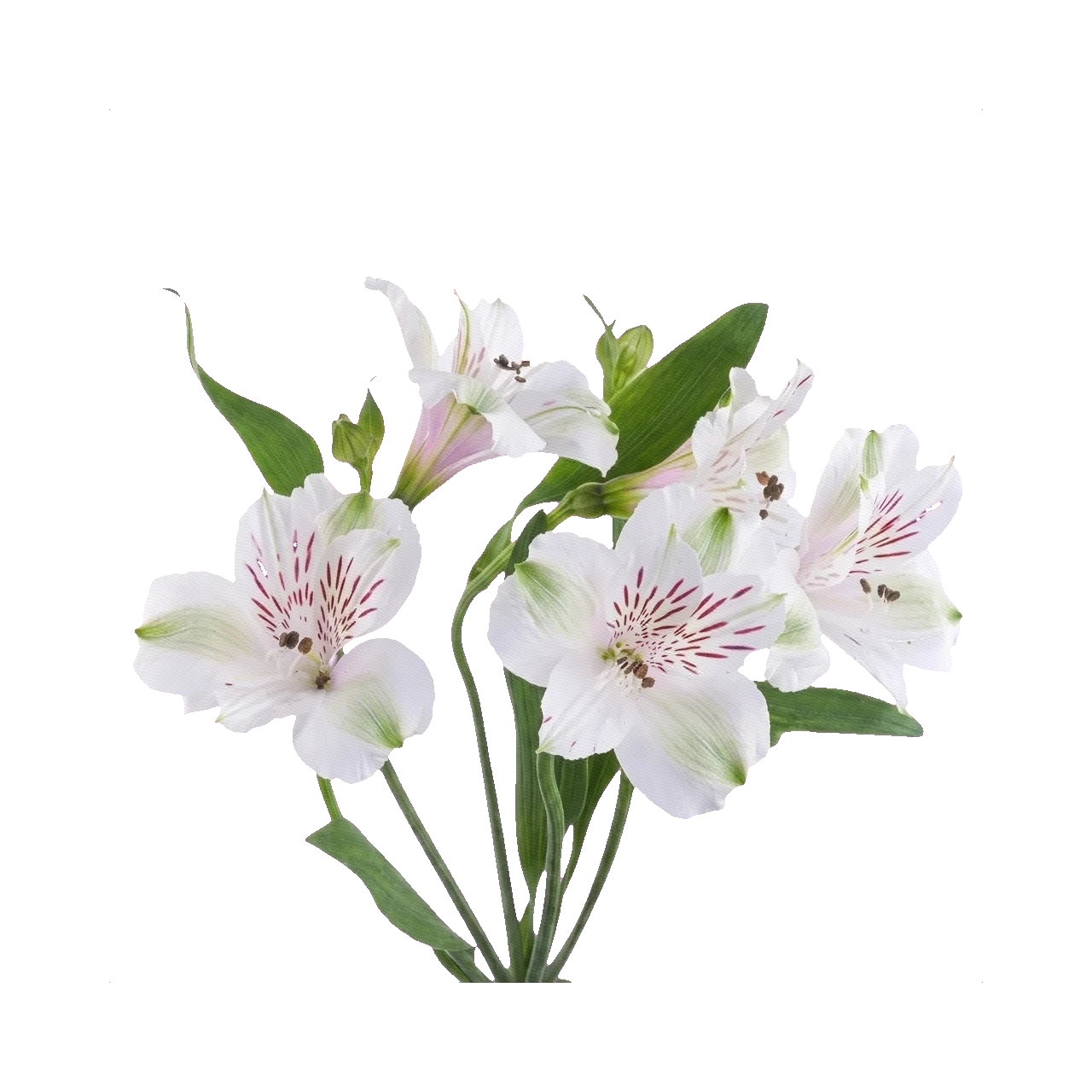
Alstroemeria
Alstroemeria
The alstroemeria wins the best vase-life-per-dollar ratio in the flower world. One stem carries 5–7 clusters of trumpet-shaped florets that open over two weeks. Yellow leaves are its one weakness — strip them at purchase. A weekly-flower-delivery favourite for the same reason: it lasts.
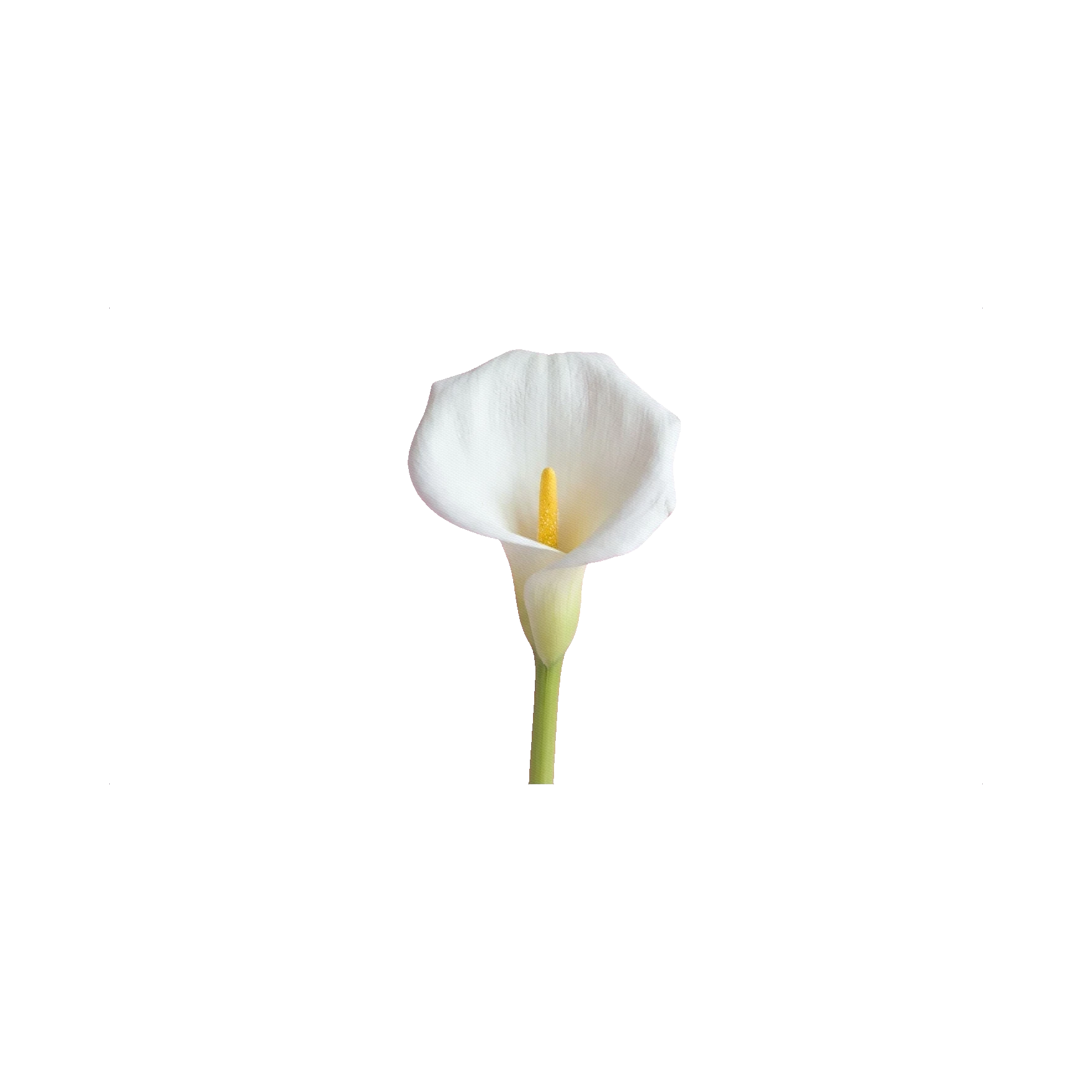
Calla lily
Zantedeschia
The calla is the sculptural flower — a single elegant curve of a spathe wrapping a yellow spadix. White callas are the classic wedding flower for minimal, modern brides; the coloured 'mini' callas (burgundy, near-black, sunset-orange) have expanded the design vocabulary. Stems curve naturally toward light — a feature to use, not fight.
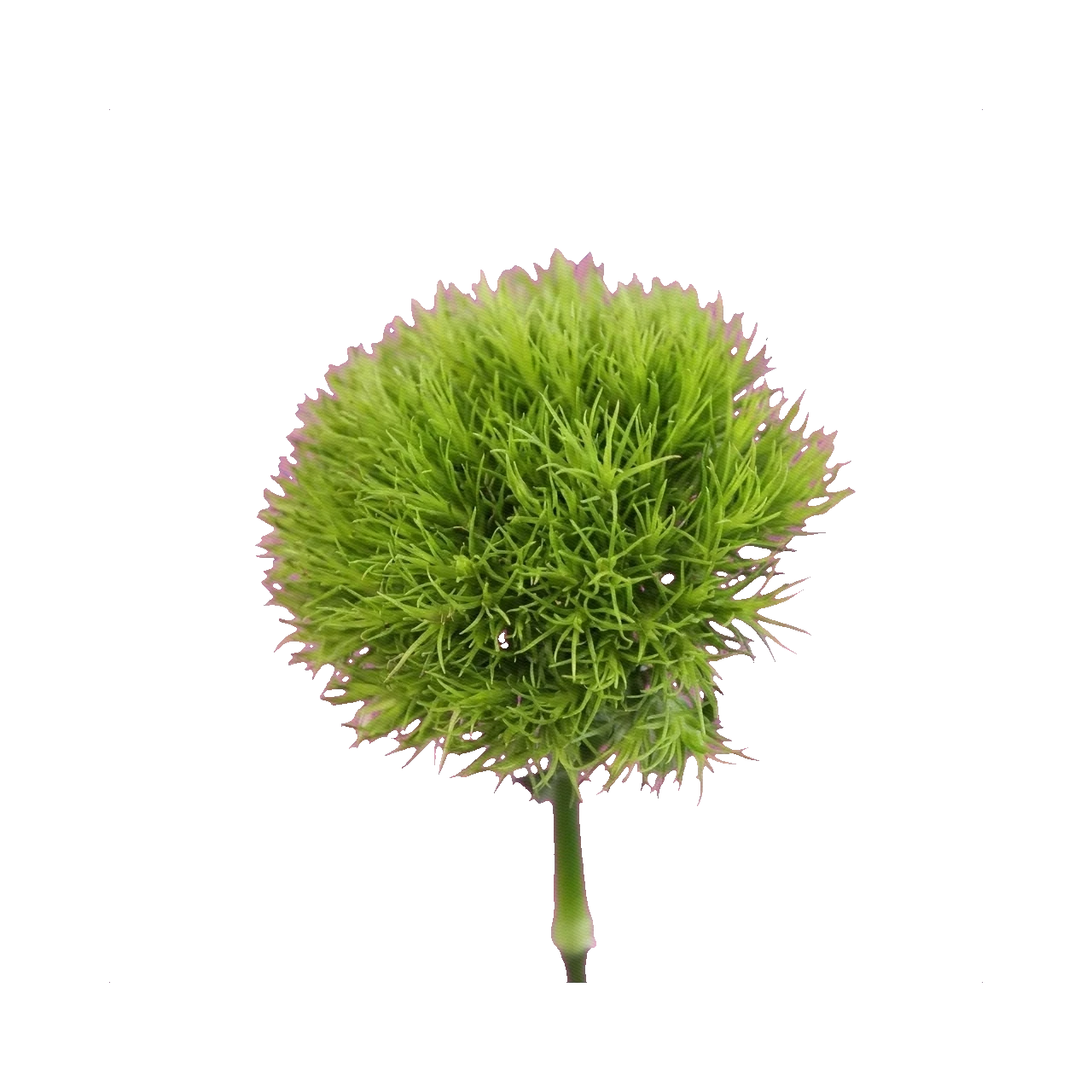
Carnation
Dianthus caryophyllus
The carnation was the default cheap flower of the 1980s and paid for it with a lasting image problem. Modern breeding has restored it — the Mörelex, Lege, and Prado series carry 60+ petals in painterly colour gradients that rival garden roses at 20% of the price. A revival flower for florists willing to look past legacy stigma.
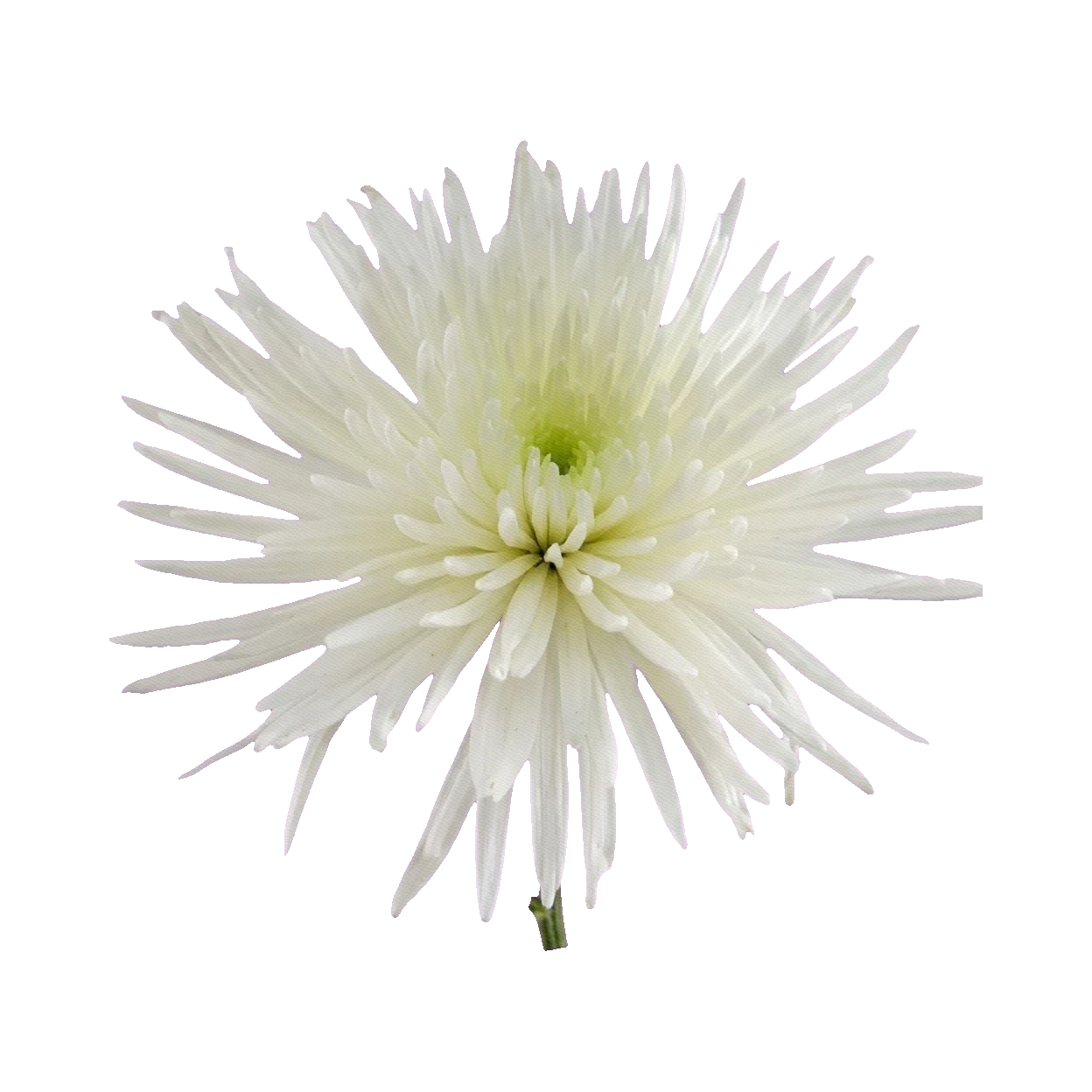
Chrysanthemum
Chrysanthemum
The workhorse of the everyday flower shop — decades-long vase life, wide colour range, and modest pricing. Disbud chrysanthemums (single bloom per stem) have been elevated by contemporary Japanese florists into a design flower rivalling roses. Culturally sensitive: chrysanthemums are the funeral flower in France, Italy, Belgium — avoid for celebration bouquets in those markets.
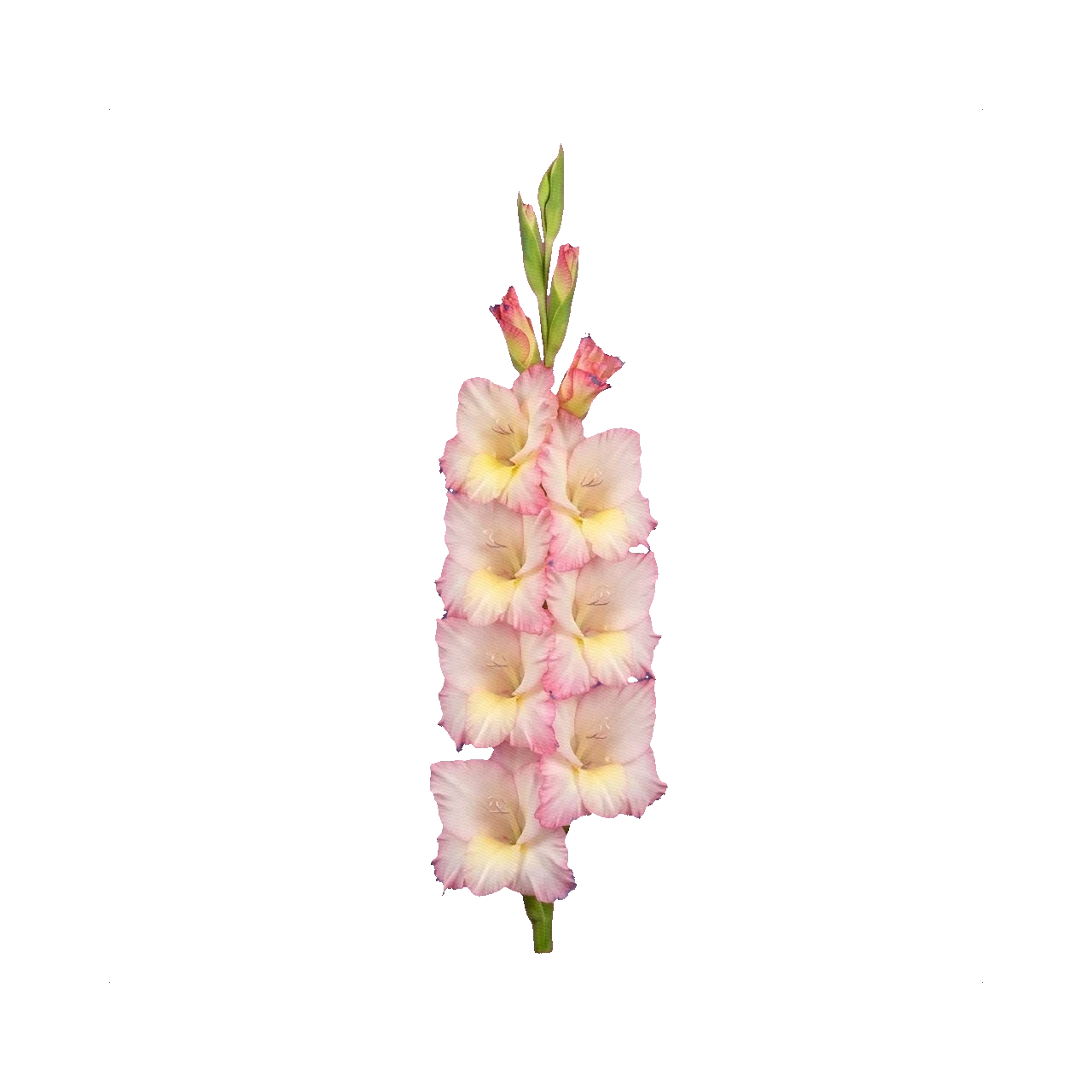
Gladiolus
Gladiolus
The gladiolus is the line flower of late summer — reaching 150 cm on strong stems with 8–15 florets that open bottom-up over ten days. Snap off the top 2–3 unopened buds at purchase; they'll never open properly and steal energy from lower florets. A funeral and sympathy staple in North America, an everyday flower elsewhere.
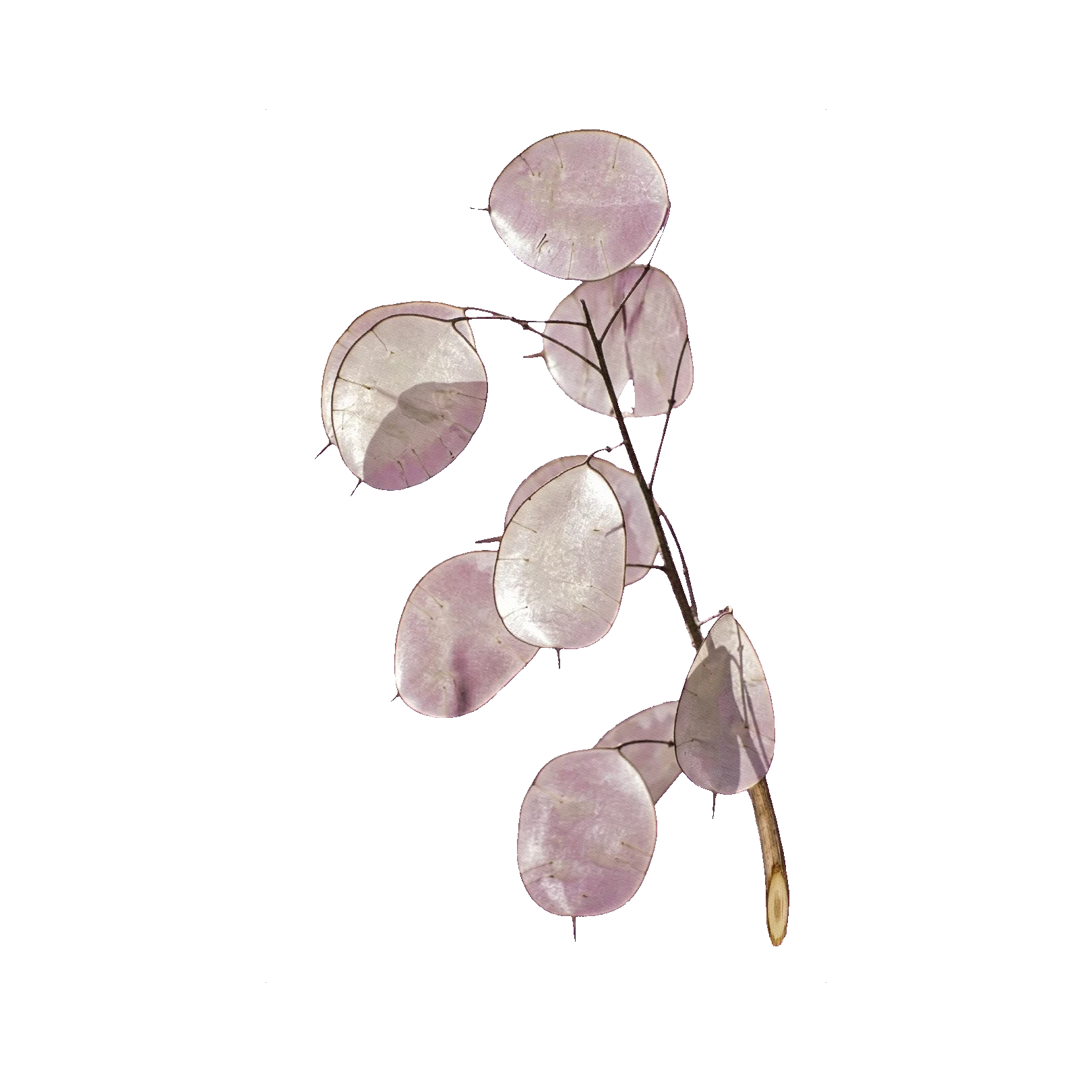
Honesty
Lunaria annua
Lunaria, honesty, is a European biennial best known not for its early purple flowers but for the translucent, coin-shaped seed pods it leaves behind. Once the brown outer cases are rubbed away, each pod reveals a papery, pearlescent silver disc that shimmers like a small moon. Florists prize these 'silver dollars' as a luminous, textural element in dried arrangements, wreaths and winter or bridal work. Long-lasting and weightless, dried honesty brings a quiet, silvery light that few other materials can match.
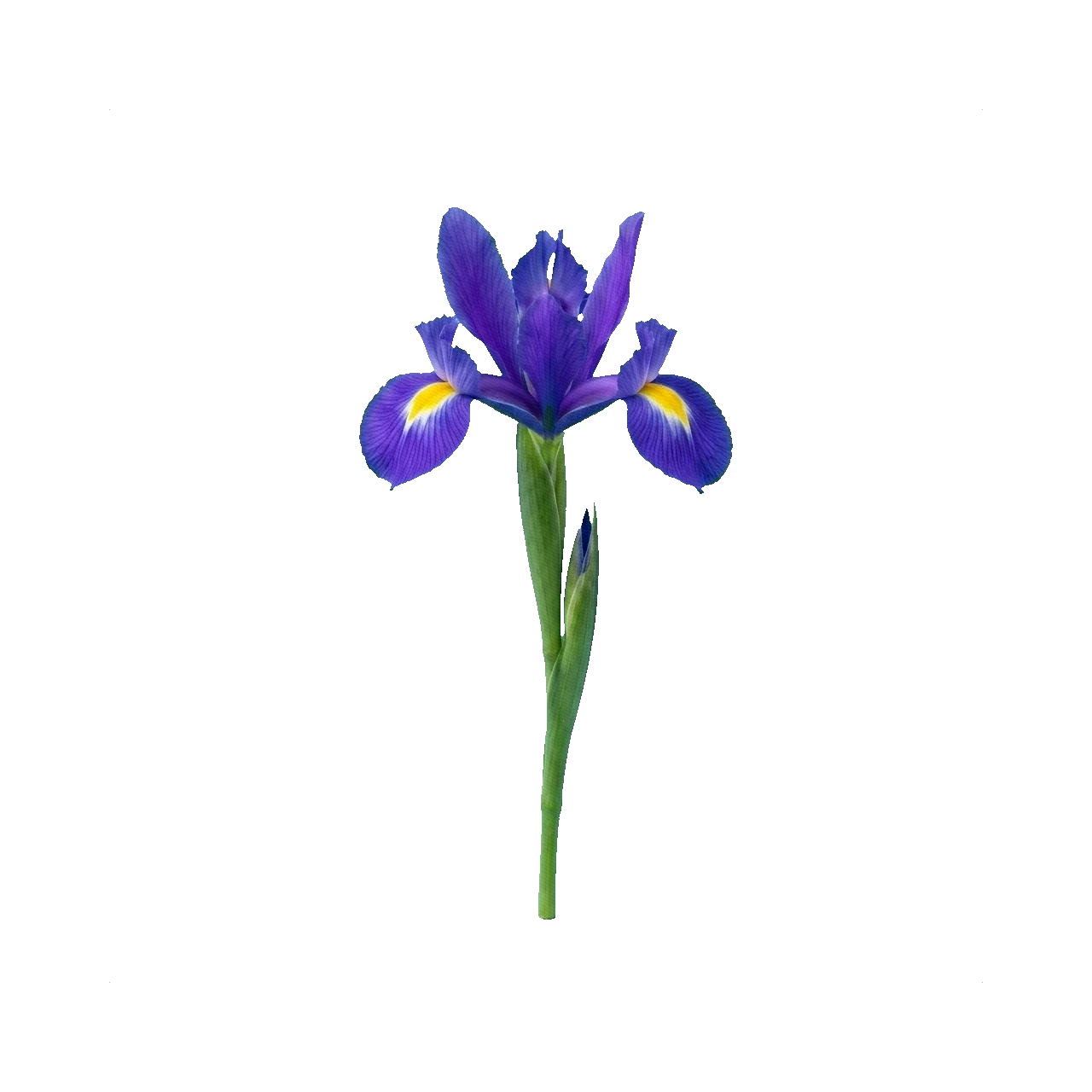
Iris
Iris
The iris is one of the most sculptural spring flowers — three upright petals (standards) and three drooping (falls), often in a bicolour arrangement. Dutch iris (from bulbs) dominates the cut trade; bearded iris (from rhizomes) is a garden and specialty flower. Blue iris is the go-to when you need a true, saturated blue without dyeing.
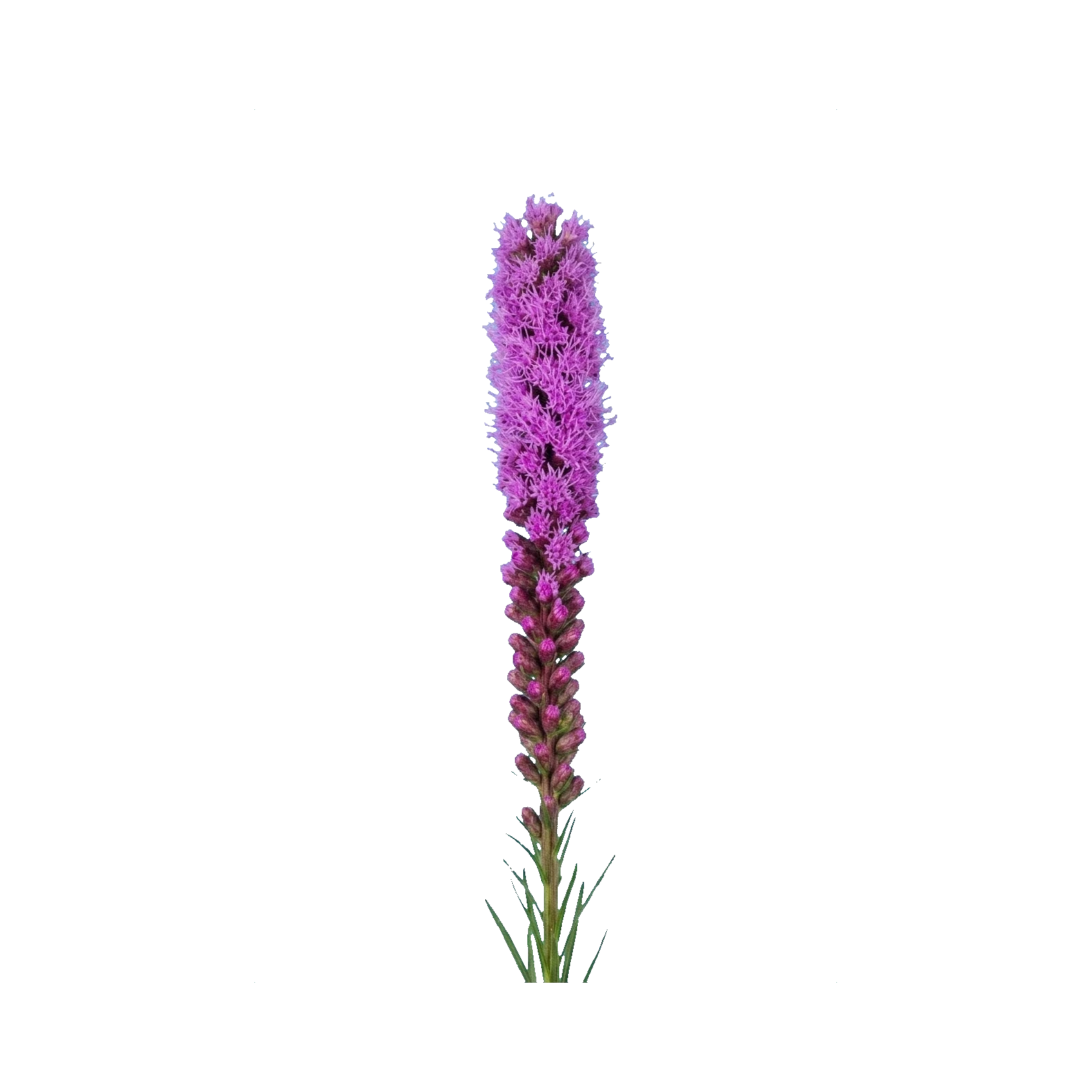
Liatris
Liatris spicata
Liatris is a slender, feathery flower spike prized for the vertical rhythm it brings to bouquets and tall arrangements. Its fuzzy, thistle-like florets open from the tip downward — the reverse of most spikes — giving a soft, plumed silhouette in purple, lavender or white. Florists love it as an affordable, hardy line flower that reads as both wildflower-natural and structured. It works beautifully in meadow-style summer designs, sympathy tributes and rustic bouquets.
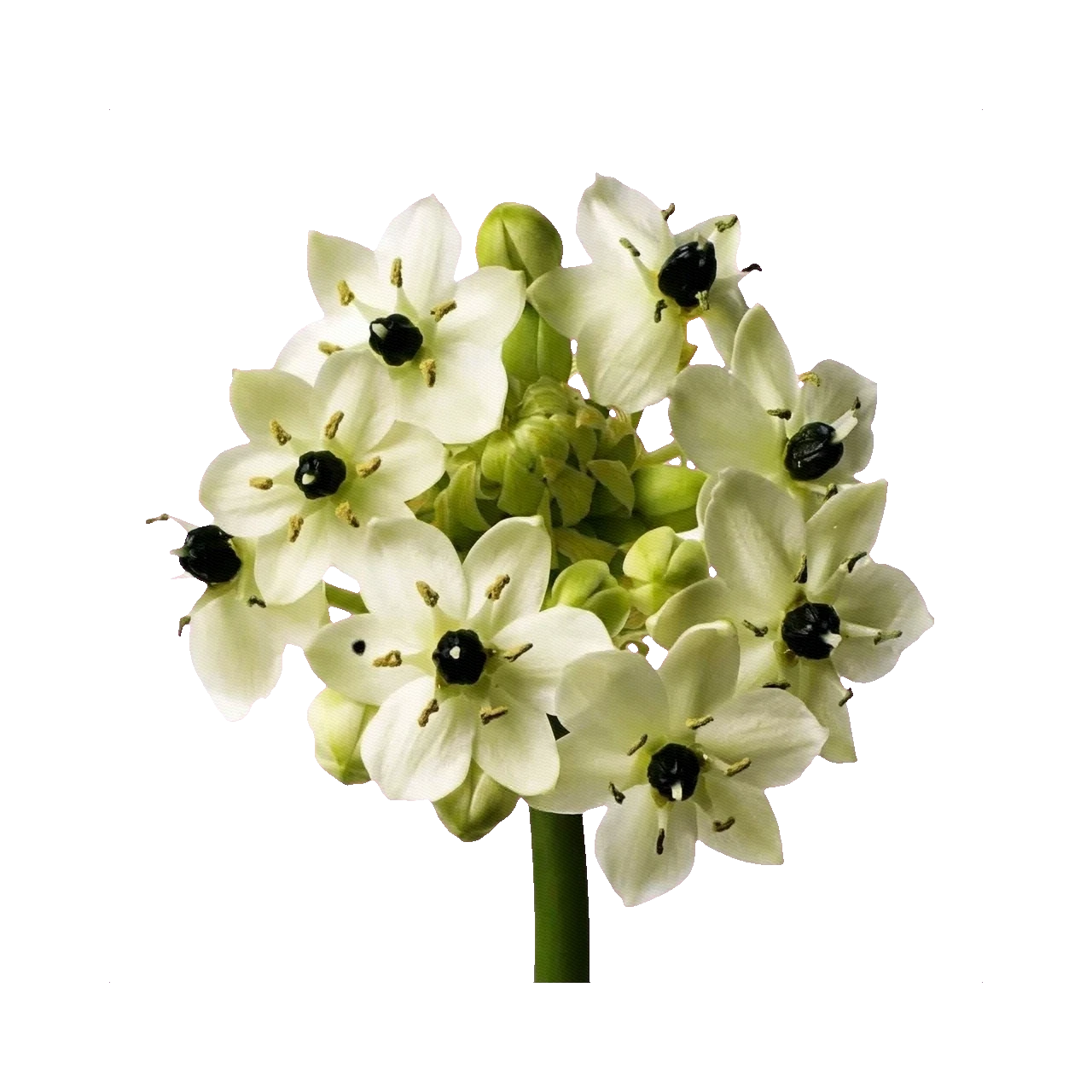
Ornithogalum
Ornithogalum thyrsoides
Ornithogalum, often sold as chincherinchee, is a spike of crisp, star-shaped white flowers renowned for an almost unbeatable vase life. Native to South Africa, its buds open steadily up the stem over two to three weeks, making it one of the most economical long-haul flowers a florist can stock. The clean, geometric florets add fresh, structured filler to bridal and everyday designs alike. Its longevity and tidy form also make it a reliable choice for corporate and event work.
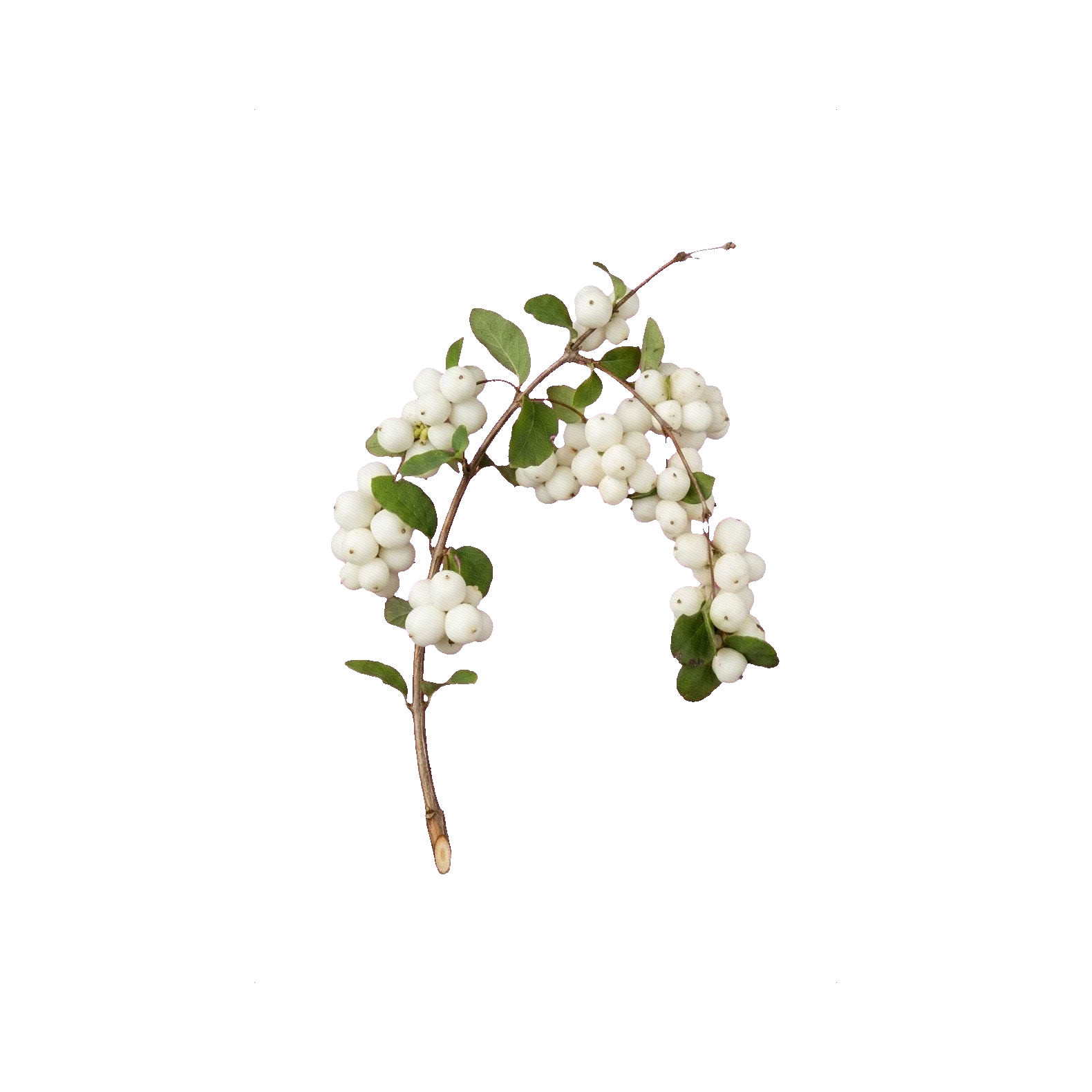
Snowberry
Symphoricarpos albus
Snowberry is a graceful, arching shrub stem hung with clusters of soft, marble-white (or blush-pink) berries. Florists use it as a delicate, romantic filler that brings a wintry, woodland softness to bouquets and installations. The pearly berries dangle on slender branches, adding a gentle cascade and a touch of whimsy. Best in autumn and winter, it pairs beautifully with foliage, roses and seasonal berries.
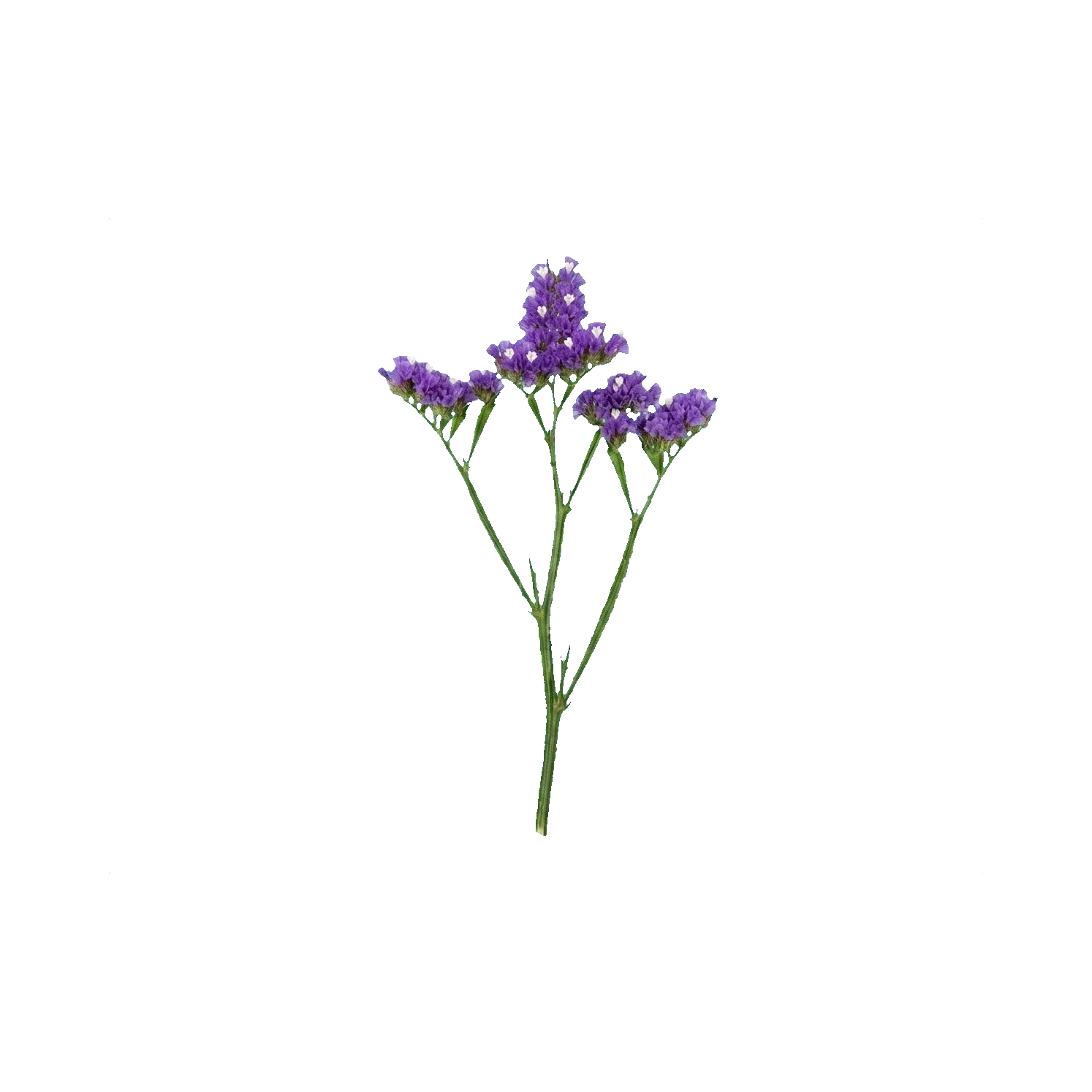
Statice
Limonium sinuatum
Statice is the working filler of the everyday flower shop — cheap, long-lasting, and one of the very few flowers that offers true natural blue (in the sinuatum species). Dries perfectly; commonly used in preserved arrangements and dried wall art. A workhorse, not a star.
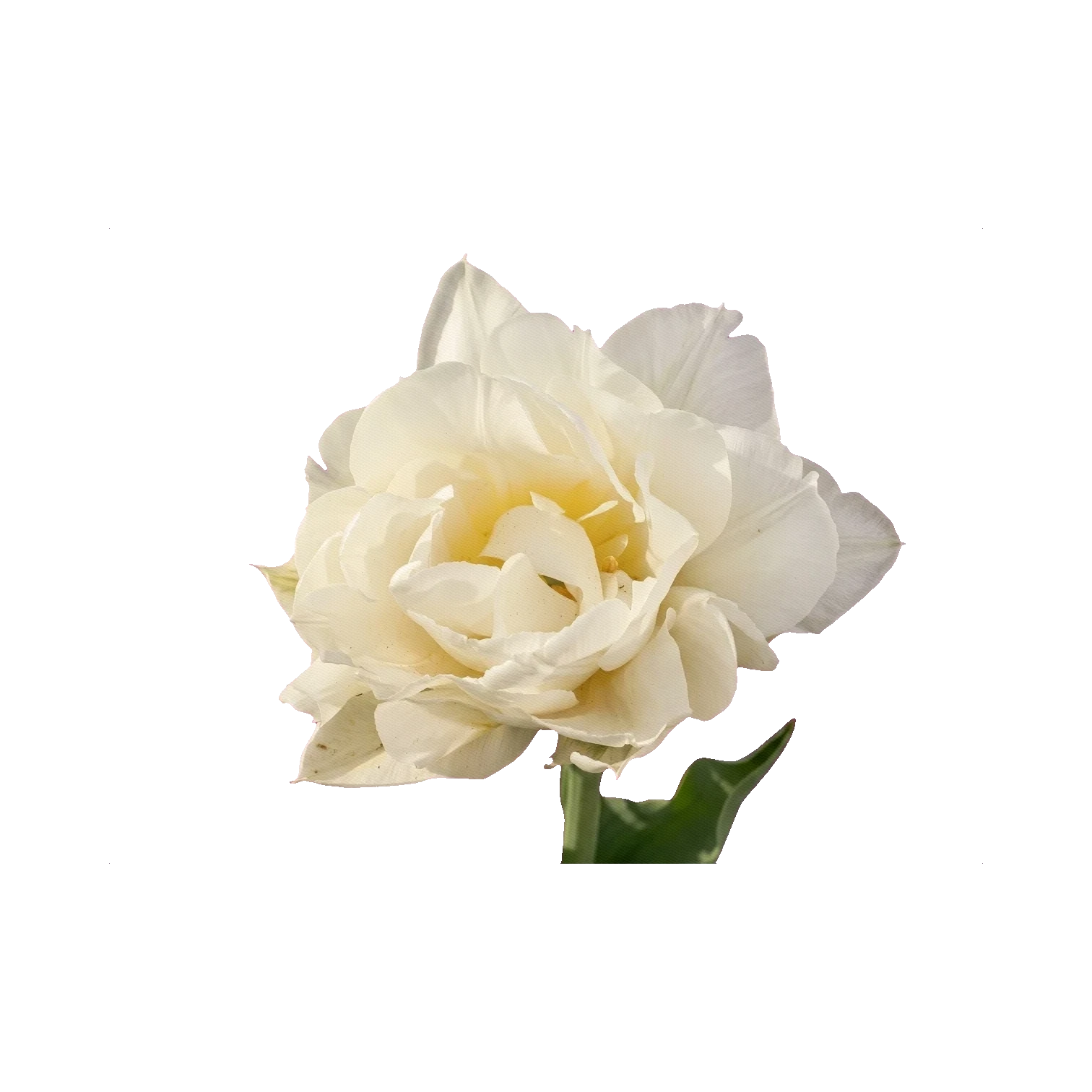
Tulip
Tulipa
The most-produced cut flower in the world (Netherlands ships 2+ billion stems annually). Tulips are actively alive in the vase — they grow, bend toward light, and open with the day. This movement is a feature, not a defect: modern floristry embraces the natural curve. Double-flowered varieties (peony tulips) can substitute peonies out of season.
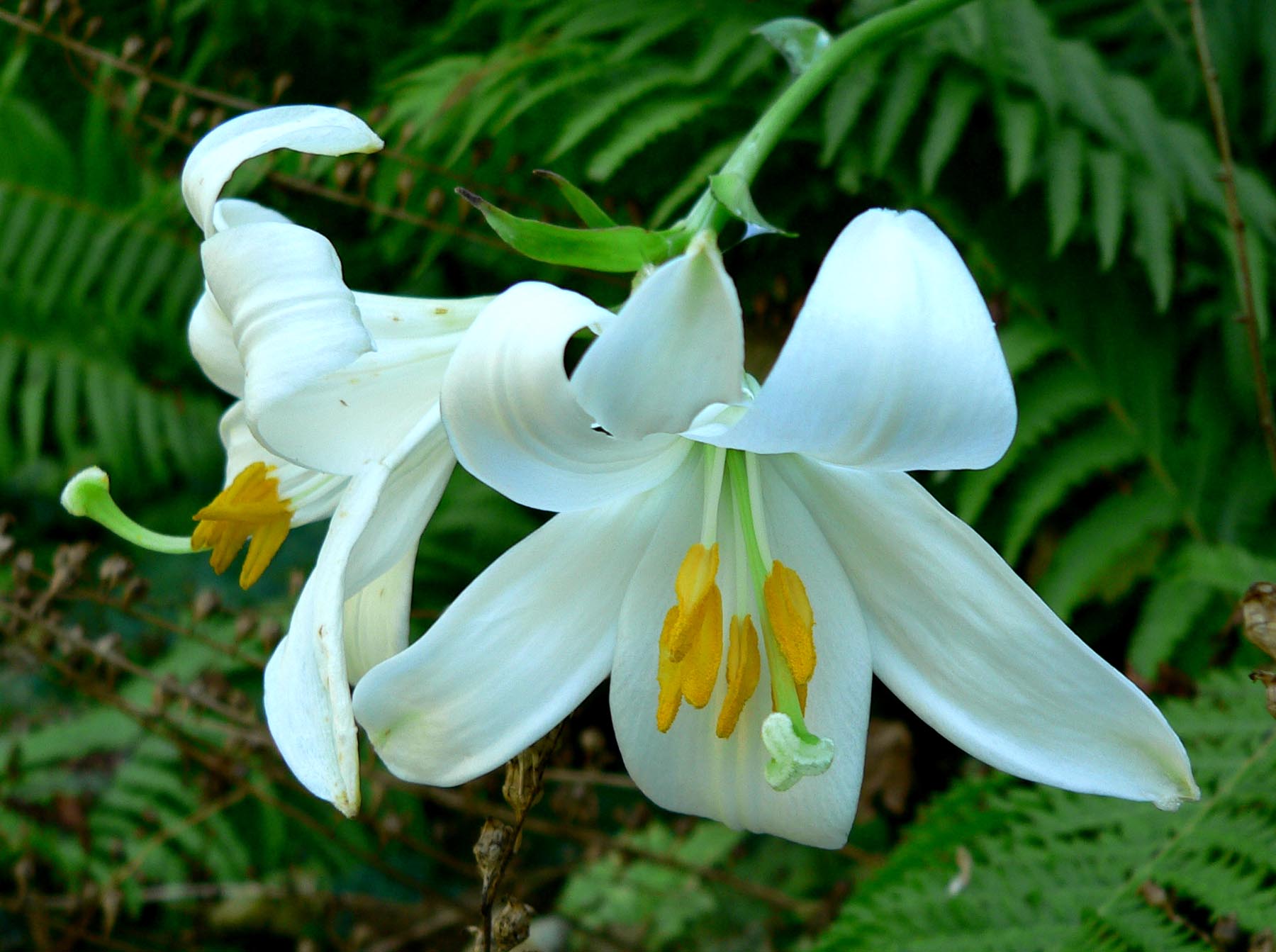
Asiatic Lily
Lilium (Asiatic hybrids)
Asiatic lilies are the bold, upward-facing workhorses of the lily world, prized for saturated colour and a clean, almost scentless bloom that suits guests sensitive to fragrance. Bred from several East Asian Lilium species, they open reliably from bud and hold well in the vase, giving florists dependable focal power at a friendly price. Their flat, star-like flowers come in vivid yellows, oranges, reds and pinks that carry across a room. They are a go-to for bright everyday bouquets, cheerful get-well arrangements and large-scale seasonal work.
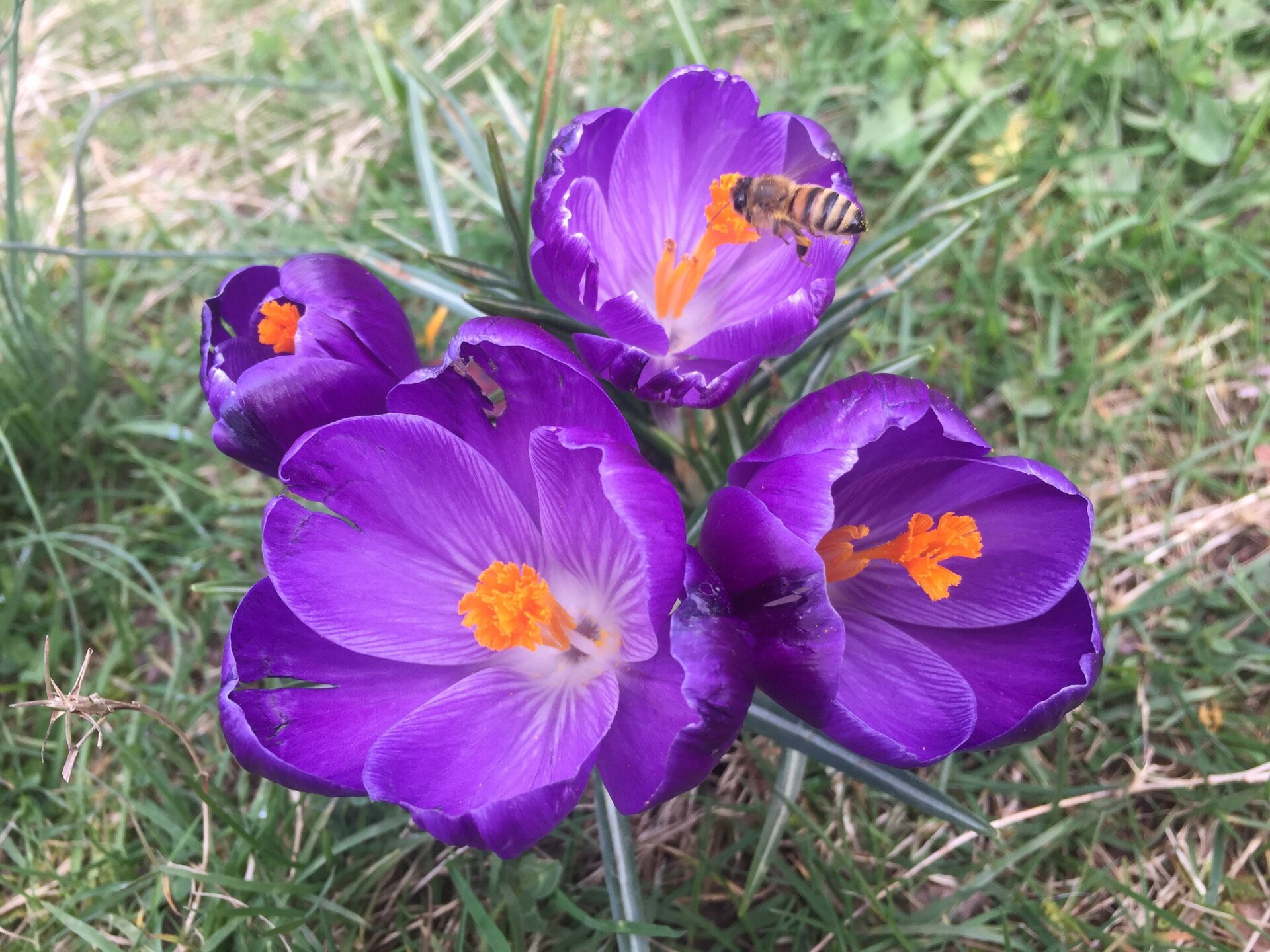
Crocus
Crocus vernus
Crocus is the herald of spring, opening its goblet-shaped cups in purple, gold, white and lavender while frost still lingers. Its very short stems and brief vase life make it a specialist cut flower, most often shown in bulb bowls, mossy displays and tiny low arrangements. Florists cherish it for its jewel-clear colours and the sense of earliest spring it evokes. Where a design needs the first true flush of the season, nothing says it quite like crocus.
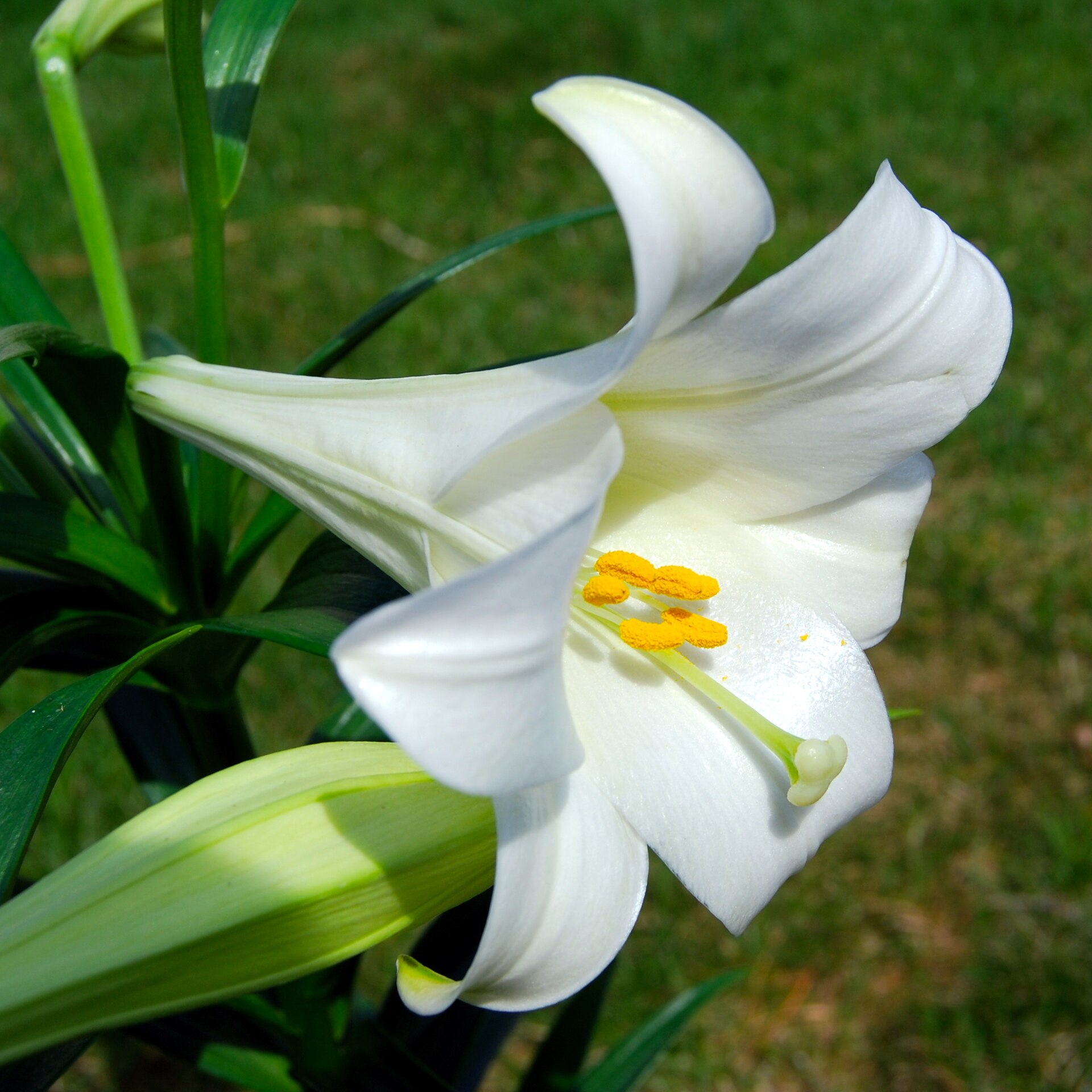
Easter Lily
Lilium longiflorum
The Easter lily is the classic pure-white trumpet lily, its long, elegant flowers carrying a sweet fragrance that defines spring church and ceremonial work. Native to the Ryukyu Islands of Japan and forced heavily for the Easter market, it brings a serene, formal note to weddings and sympathy tributes alike. Florists value its statuesque stems and crisp white trumpets, though the potent pollen must be managed. Its symbolism of purity and rebirth makes it a mainstay of spring celebrations and memorial arrangements.
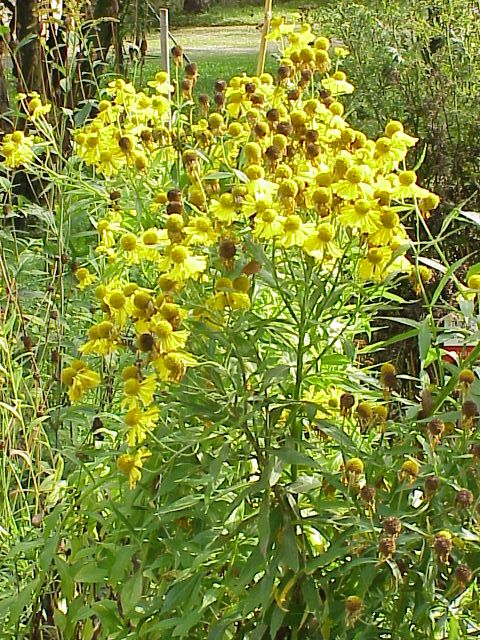
Helenium
Helenium autumnale
Helenium brings the burnished reds, coppers and golds of late summer to the vase, its small daisy heads clustering on branching, wiry stems. Florists reach for it to inject fiery warmth and movement into autumn and prairie-style work. The petals fold back slightly around a prominent central boss, giving each bloom a lively, spinning look. Best used fresh and kept well watered, it is one of the defining flowers of the September garden.
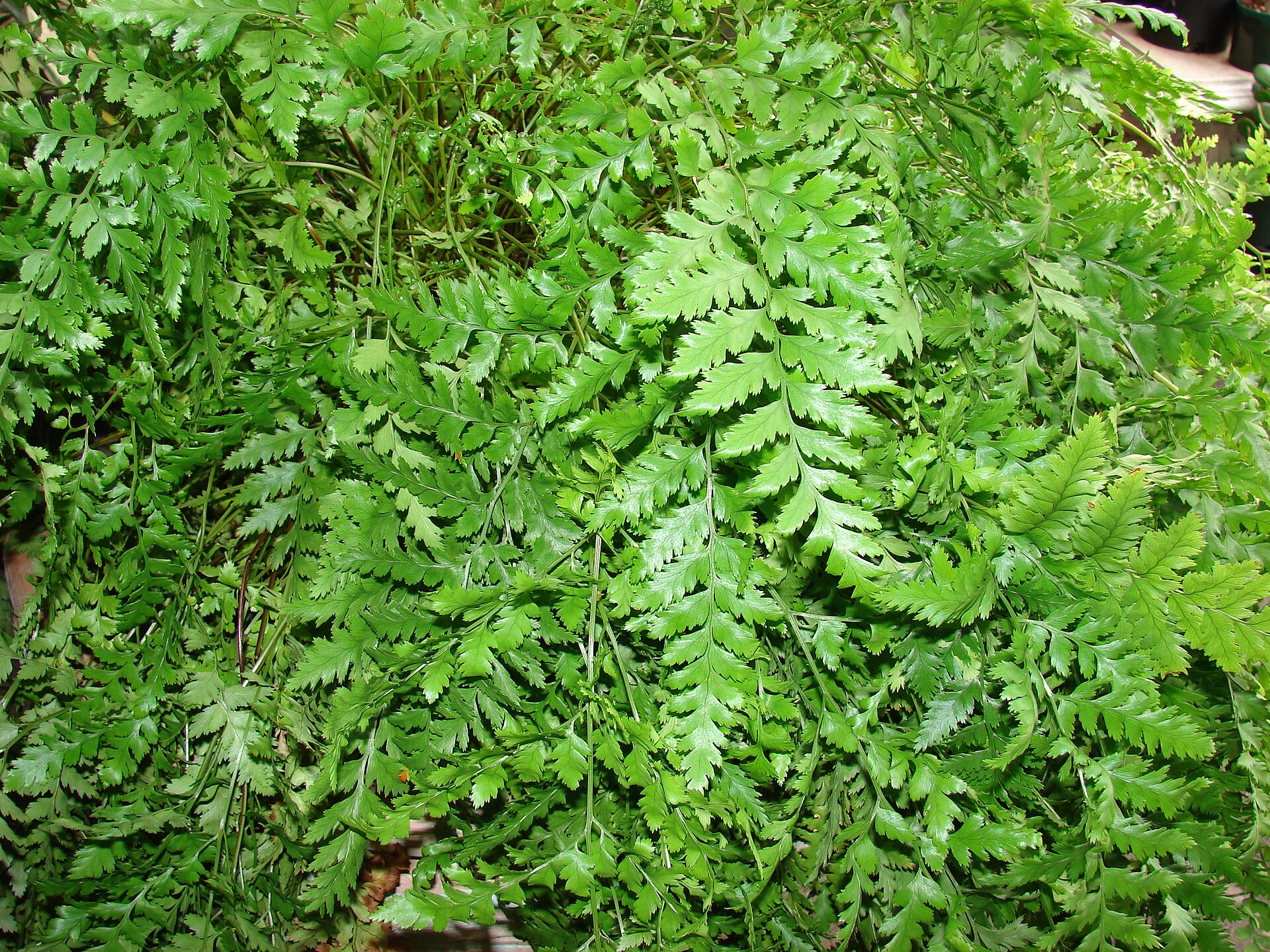
Leatherleaf Fern
Rumohra adiantiformis
Leatherleaf fern (Rumohra adiantiformis) is the florist's default fern — a tough, triangular frond with a firm, almost plasticky texture that holds up far better than most ferns out of water. Deep glossy green and finely divided, it adds airy depth and a woodland feel without wilting. It is grown commercially on a huge scale and is one of the cheapest, most available cut greens worldwide. Florists use it to back corsages, line hand-tied bouquets and soften funeral and everyday designs.
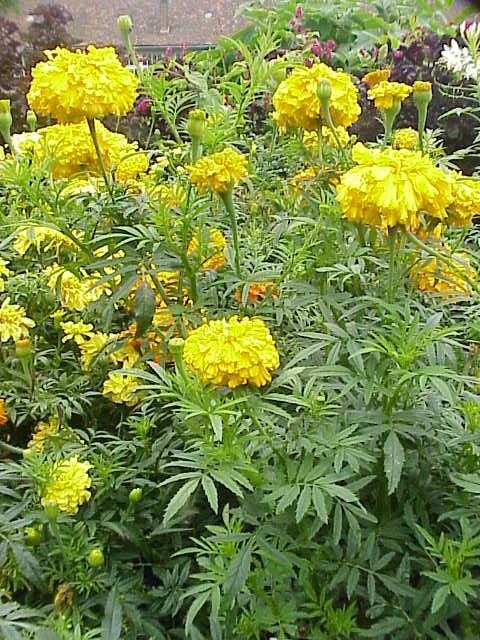
Marigold
Tagetes erecta
Marigold (Tagetes erecta) is the bold, pungent annual behind dense pompoms of yellow, orange and bronze, and the sacred cempasúchil of the Mexican Day of the Dead. Its ruffled, ball-shaped heads and long stems make cheerful, long-lasting focals for autumn, rustic and celebration work. The whole plant is strongly aromatic, and its foliage will foul vase water if left submerged. Inexpensive, hardy and richly coloured, it brings warmth and the glow of late-season sun to any arrangement.
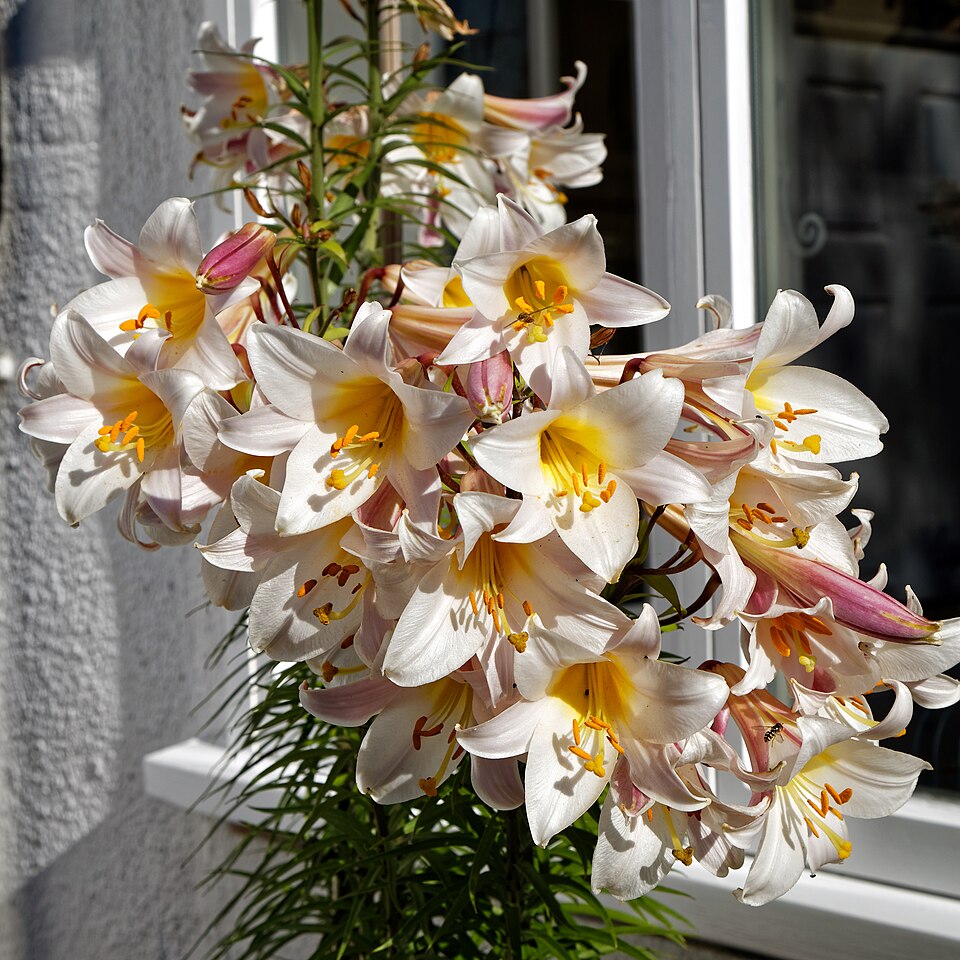
Oriental lily
Lilium (Oriental hybrids)
Oriental lilies bring drama, scale, and heavy fragrance. Stargazer (pink with white edges) is the most-recognised cultivar. A single stem can dominate an arrangement — three lilies with greenery make a hotel-lobby-scale piece. Two critical warnings: pollen stains permanently (remove anthers), and Lilium is highly toxic to cats (do not use in feline households).
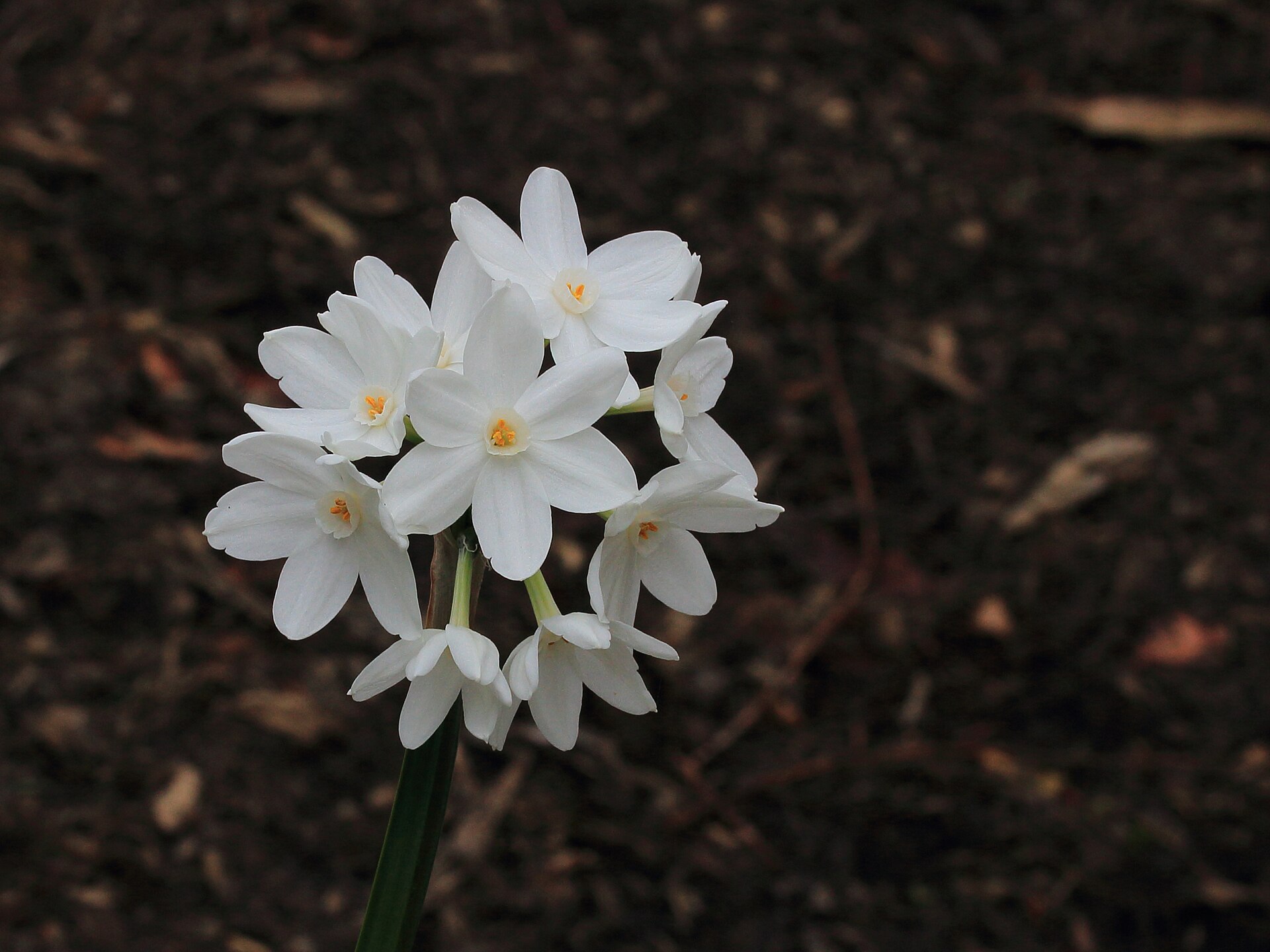
Paperwhite
Narcissus papyraceus
Paperwhites are clustered narcissus bearing multiple small, snow-white, cup-and-star flowers on each slender stem, prized for their heady, sweet fragrance. Blooming in the depths of winter and forced through the holiday season, they bring an early promise of spring to seasonal designs. Florists use them for scent and delicate white detail, mindful that their perfume is powerful and their narcissus sap needs separate conditioning. Fresh, fragrant and luminously white, they are a festive-into-spring favourite.
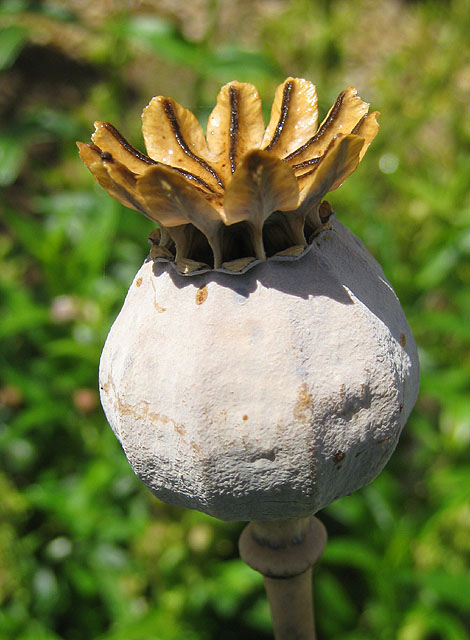
Poppy Pod
Papaver somniferum
The poppy pod is the swollen, crowned seed head left after the bloom of Papaver somniferum has dropped its petals. Smooth and rounded with a distinctive ridged cap, it reads as a small sculptural sphere on a slender stem. Florists use pods fresh in a cool blue-green or dried to a muted grey-brown, prizing them for architectural texture in modern and minimalist designs. Long-lasting and endlessly reusable when dried, they add quiet, graphic structure to bouquets and installations.
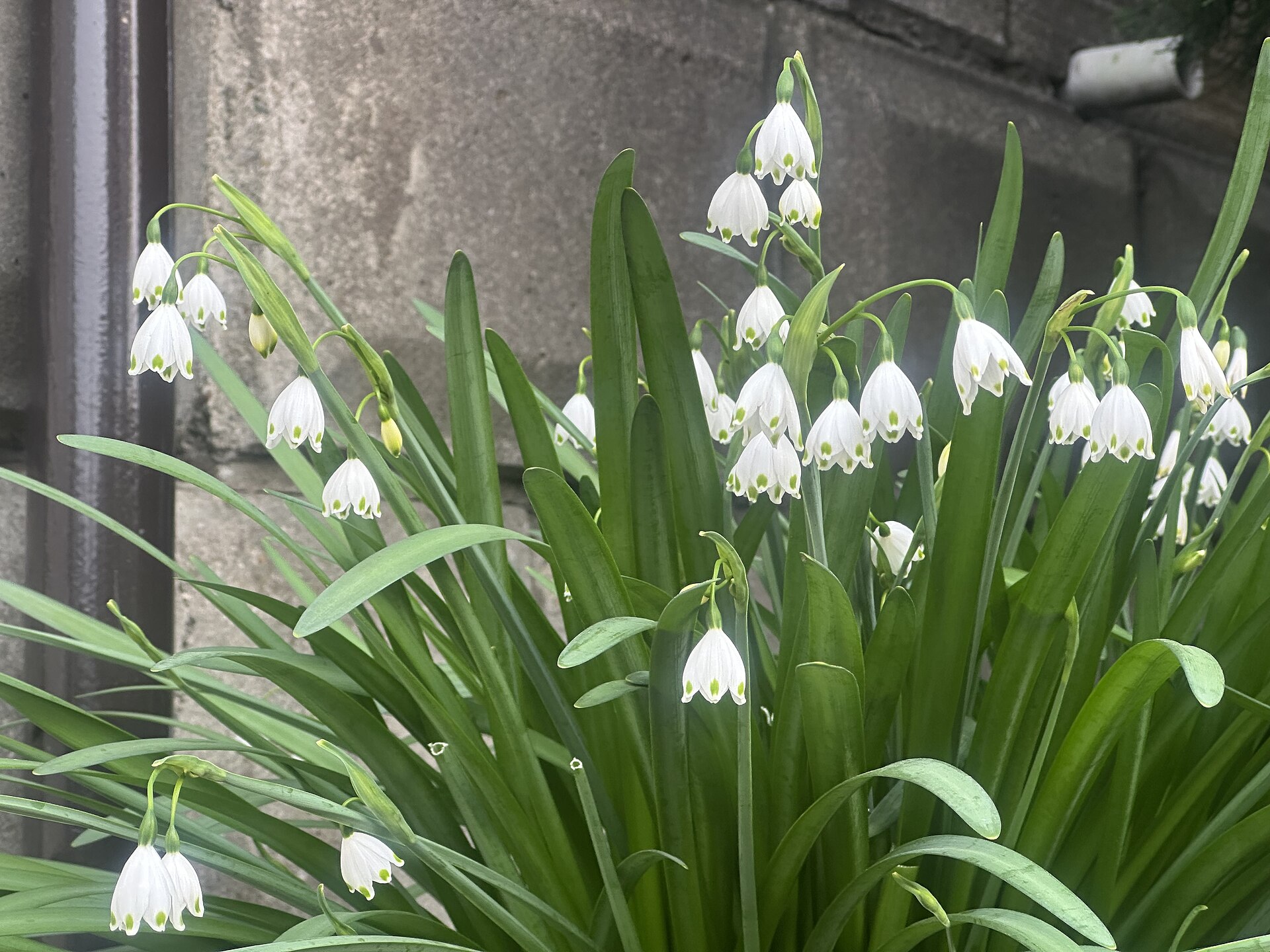
Snowflake
Leucojum aestivum
Leucojum, the summer snowflake, carries clusters of nodding white bells, each petal tipped with a fresh green dot, on slim arching stems. Despite its name it is a true spring flower, and florists love it for the dainty, woodland softness it lends to bouquets and delicate arrangements. Its cool white-and-green colouring pairs beautifully with other spring bulbs and makes it a natural for pared-back, garden-style work. Fine-stemmed and quietly charming, it reads as a more relaxed cousin to lily-of-the-valley.
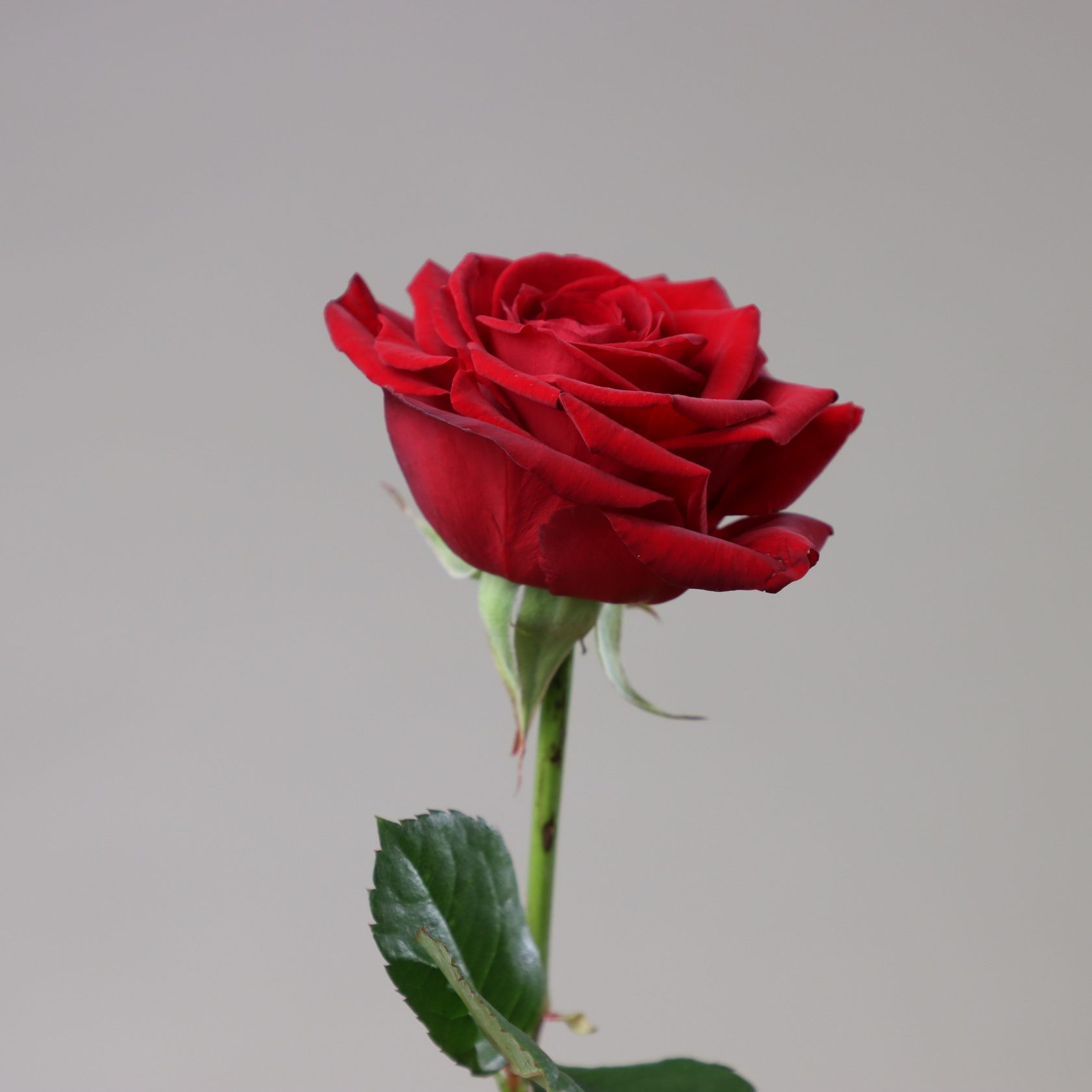
Standard rose
Rosa hybrida
The everyday workhorse of the floral industry. Long, straight stems, tight buds that open slowly, and predictable vase life. Ecuadorian roses are the premium standard for stem length (up to 90 cm) and head size; Kenyan and Ethiopian roses dominate the mid-market. Popular commercial cultivars include Freedom (red), Playa Blanca (white), Vendela (cream), Explorer (hot pink).
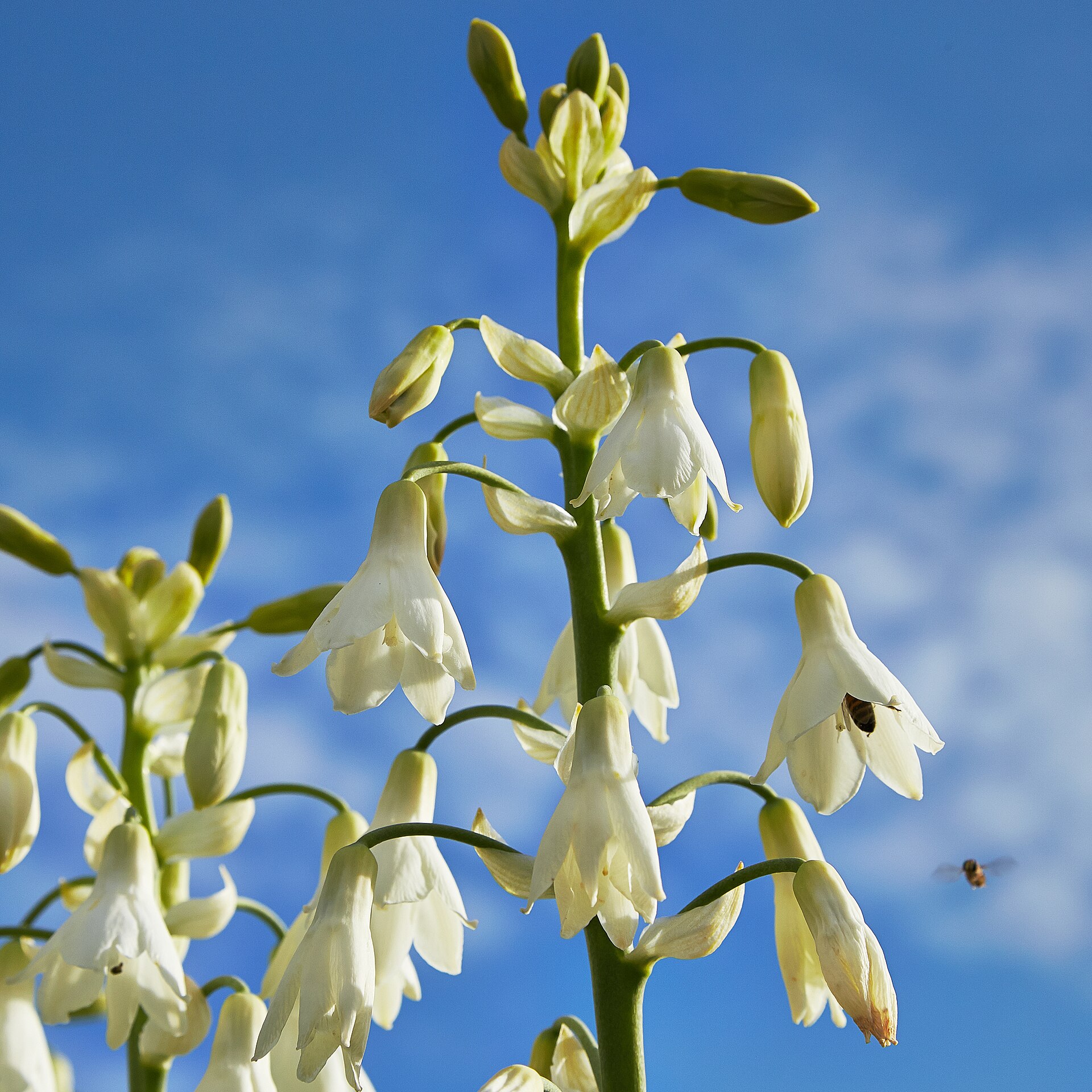
Summer Hyacinth
Galtonia candicans
Summer hyacinth carries a tall spire of pendulous, waxy white bells that lend height and a soft, green-throated glow to summer designs. Unrelated to spring hyacinth despite the name, it blooms in late summer and brings a gentle, honeyed fragrance. Florists reach for its clean architecture in garden-style and luxury wedding work, where its pale bells cool down warmer palettes. The elegant, nodding form suits both airy bouquets and stately tall arrangements.