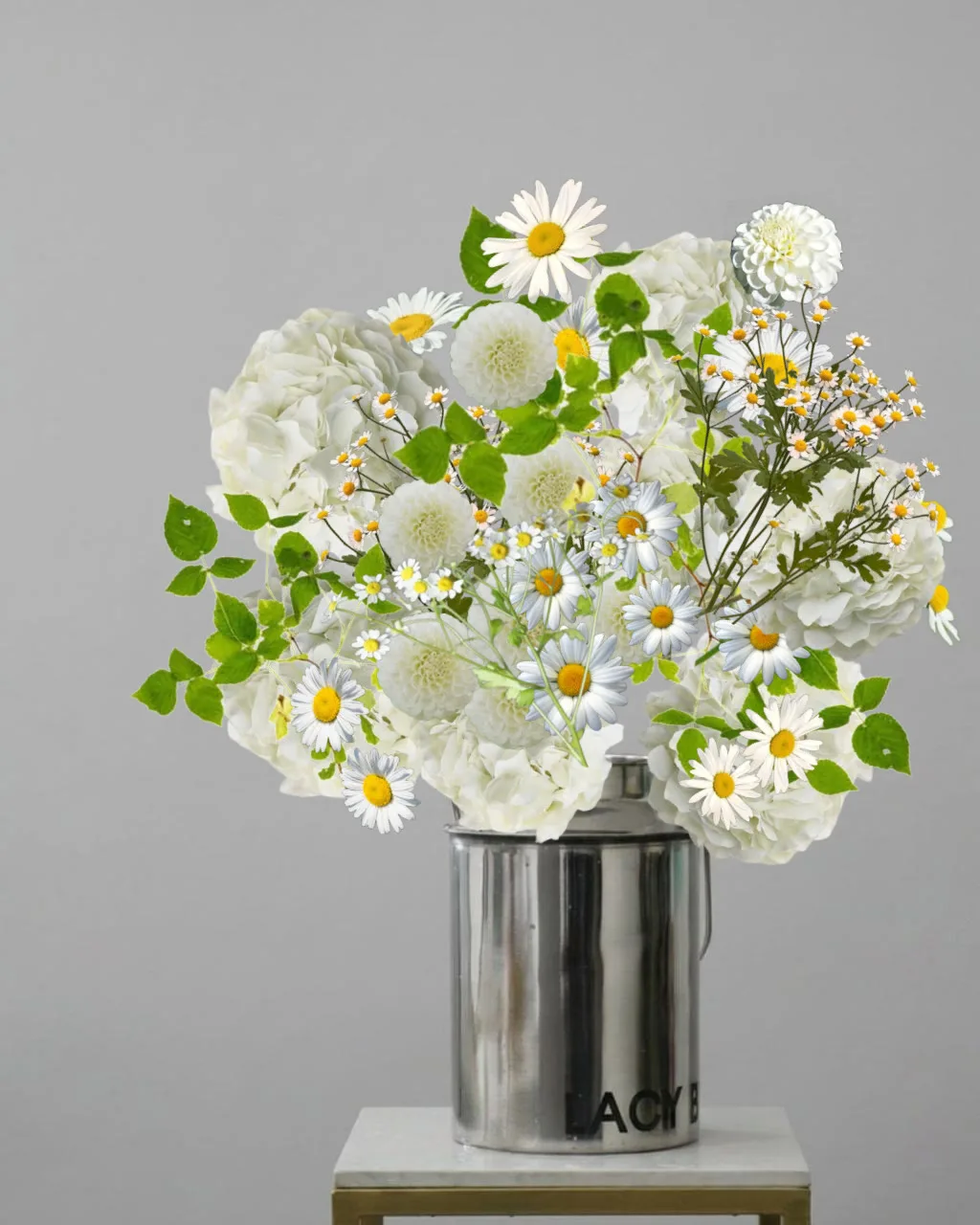
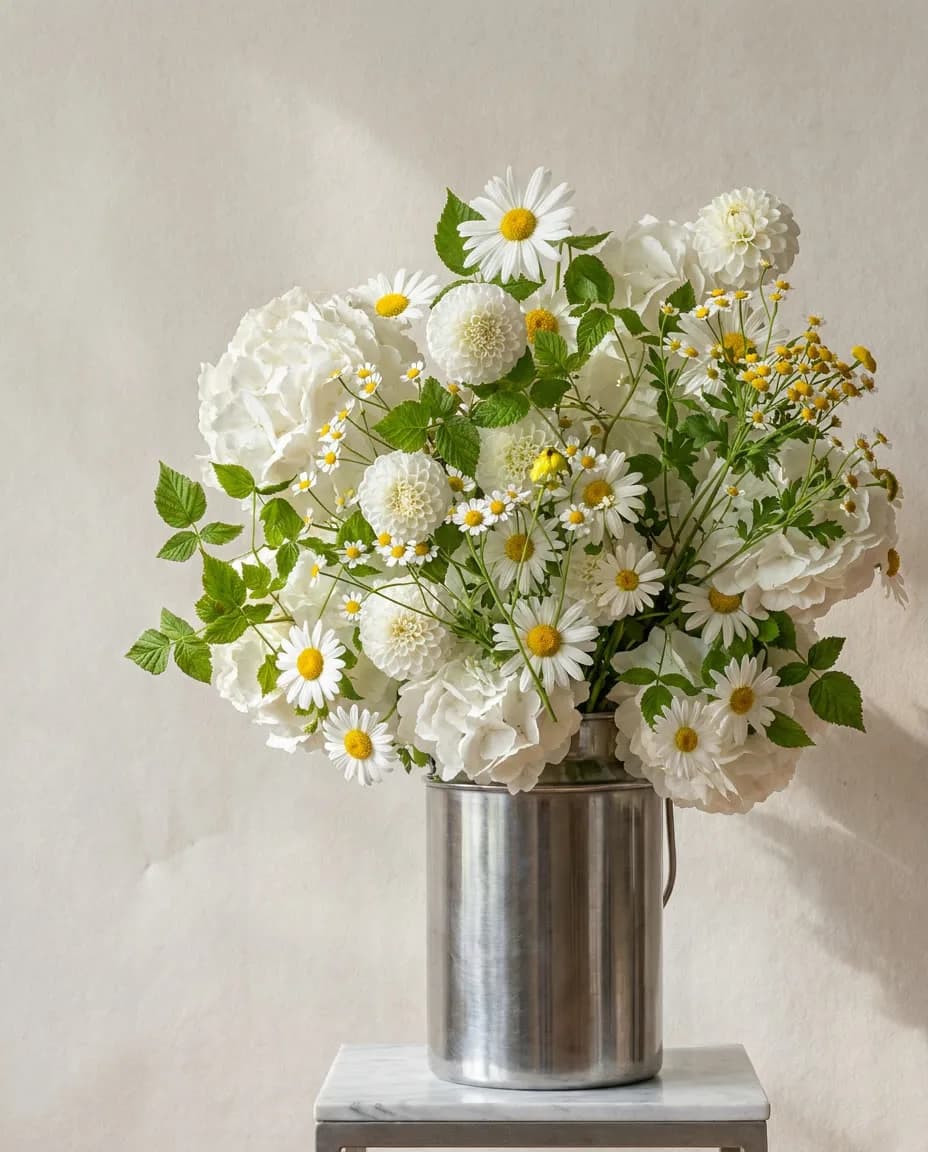
How to Become a Florist — Skills, Training & First Year
The real routes into floristry — apprenticeship, academy, self-taught — plus the core skills, a starter tool kit, and an honest first-year picture.
Almost every florist we've trained started with the same two questions: do I need a qualification? and where do I even begin? The reassuring answer to the first is usually no — in most countries floristry is unregulated, and nobody checks your credentials before buying a bouquet. The answer to the second is the rest of this guide: there are three real routes in, and the right one depends on your time, money, and how you learn.
TL;DR. There are three real routes into floristry — apprenticeship (learn on a shop floor), an academy or course (structured skills fast), or self-taught (cheapest, slowest). No licence is required in most countries; skill and reputation are what matter. Expect a demanding, low-paid but fast-learning first year, and a starter tool kit that costs surprisingly little.
The three routes in
There's no single correct path, and plenty of florists blend all three. Here's an honest comparison of what each costs and gives you.
| Route | Cost | Speed to employable | Best for |
|---|---|---|---|
| Apprenticeship / shop job | Paid (you earn) | Medium — 6-18 months | Learning by doing, real volume, no savings needed |
| Academy / course | Low to a few thousand | Fast — weeks to months | Structured skills, feedback, portfolio, career-changers |
| Self-taught | Near free | Slow — 1-2 years | Tight budgets, self-motivated learners, hobby-to-pro |
Apprenticeship or entry-level shop job
The oldest route and still one of the best: get hired into a flower shop, usually doing the unglamorous work first — stripping stems, conditioning buckets, sweeping, deliveries — and absorb the craft by being around it every day. You're paid to learn, you handle enormous volume, and you see the whole business, not just the pretty part. The downsides are that entry pay is low (see our companion guide on florist salary), good shops are selective, and the quality of what you learn depends entirely on who's teaching you. A busy, generous studio is a superb education; a disorganised one can teach bad habits.
Academy or course
A focused course compresses the fundamentals — mechanics, colour, proportion, conditioning — into weeks instead of years, with feedback from someone who does the work professionally. This is the fastest route to competence, especially for career-changers who don't have eighteen months to learn by osmosis. It's the path we built our academy around: structured modules, real hands-on technique, and a portfolio you can actually show to employers or clients. A good course won't make you a master — only years will — but it gets you past the frustrating beginner plateau far quicker and teaches business fundamentals that shop-floor learning often skips.

Self-taught
Entirely possible and how many hobbyists cross over to professional. Books, free video, offcut flowers from a market at end of day, and a lot of practice will get you there. It costs almost nothing but time. The honest trade-offs: it's slow, you develop blind spots with no one to correct them, and you miss the trade knowledge — buying, pricing, waste control — that's hard to find in tutorials. Many self-taught florists eventually take a short course specifically to fill those gaps.
The core skills a florist actually needs
The craft is more than making things pretty. When we assess someone's readiness, we look at two columns.
The craft skills:
- Flower knowledge — identifying species, knowing seasonality, and understanding which flowers substitute for which. Our encyclopedia and substitute finder exist precisely because this knowledge takes years to accumulate.
- Conditioning — preparing and hydrating stems so they last. The difference between a professional and an amateur is often visible three days later. See our conditioning guide.
- Colour and proportion — the eye that makes an arrangement feel resolved rather than busy. Learnable, but it takes reps.
- Mechanics — wiring, taping, foam-free structures, buttonholes, arch and installation work. The engineering under the beauty.
- Speed — a professional builds a hand-tied bouquet in minutes, not half an hour. Speed only comes from volume.
The business skills nobody photographs:
- Buying stock without over-ordering (waste is where profit dies).
- Basic pricing — costing goods, labour, and overhead honestly.
- Customer service and handling the emotional weight of funeral and wedding work.
- Reliability. In this trade, the florist who always delivers on time outearns the more talented one who doesn't.
Design talent gets you noticed. This second column is what keeps you working.

The starter tool kit
One of the happiest surprises about floristry is how little your personal kit costs to begin. You do not need an expensive workshop — you need a few good tools that fit your hand.
| Tool | Why | Rough cost |
|---|---|---|
| Florist snips / secateurs | Clean cuts that don't crush stems | $15-40 |
| Florist's knife | Fast stripping and stem cuts | $8-20 |
| Bind wire & reel wire | Hand-ties and mechanics | $10-20 |
| Floral tape (stem wrap) | Wiring, buttonholes, corsages | $5-15 |
| Twine / bouquet string | Tying hand-tieds | $5-10 |
| Apron with pockets | Keeps tools on you all day | $20-40 |
| Buckets | Conditioning and storage | $10-30 |
That's a working kit for well under $150. Everything else — cold storage, delivery, a shopfront — belongs to starting a business, which is a much bigger step and a separate decision. Learning the craft is refreshingly cheap; sharp snips and a lot of flowers will teach you most of it.
A realistic first year
We won't romanticise it. A florist's first year is physically demanding — early market starts, cold water, standing all day, buckets to haul — and the pay is low whichever route you take. It's also the fastest you will ever learn.
- Months 1-3: overwhelm. You're slow, you waste flowers, and simple hand-ties feel impossible. This is normal and universal. Focus on conditioning and clean mechanics, not showpieces.
- Months 4-6: speed arrives. Bouquets that took twenty minutes take eight. You start recognising stock on sight and buying more sensibly.
- Months 7-12: you become genuinely useful — trusted with orders, maybe your first small wedding or event assist. You begin to see the business underneath the craft: margins, waste, seasonality.
By the end of a committed first year you're employable and confident with everyday work. Weddings, large installations, and running your own studio come later — they're a matter of years, not months, because the stakes and logistics are higher.
Do you need certification?
Legally, in most countries, no. Floristry is unregulated in the US, UK, and much of the world — you can trade from day one without a licence. Certificates and diplomas exist and can help: they reassure some employers, give structure, and shorten the learning curve. But clients buy flowers with their eyes and their trust, not by checking your credentials. A strong portfolio and a track record of reliable, beautiful work will always outweigh a certificate on the wall.
So the practical answer to how to become a florist is less about paperwork and more about hands: choose the route that fits your budget and temperament, build the craft and business skills together, get a cheap kit, and put in the volume. Once you're earning, our guide to florist salary and income maps where the trade can take you — and it's further than most people assume.
Related reading:
 Bouquet Builder — by Lacy Bird
Design the bouquet. See it as a photo.
Arrange real flowers on a canvas, then turn the layout into a photorealistic photo in one tap — with live pricing and a shopping list. 570+ varieties, free to start.
Free plan · no card needed