
Flower Food — how it works and what to actually use
The chemistry of commercial flower food, homemade recipes that work, and what to skip. Written by a working florist studio.
Every commercial bouquet arrives with a small sachet of flower food. Ninety percent of people throw it away. Ninety-five percent of those who use it don't understand what it does — so they under-dose, over-dose, or replace it with folk remedies that don't work.
This guide covers what flower food actually is, why it works chemically, when it's essential, and the homemade alternatives that actually deliver results.
TL;DR. Flower food is three ingredients — sugar for energy, an acidifier for water uptake, and a biocide to kill bacteria. Commercial sachets do this cheaply and reliably. Homemade sugar
- vinegar + bleach works but is finicky. Aspirin, pennies, and vodka do not work.
What flower food does — the three functions
Commercial flower food is engineered to do three specific things. Understanding the mechanism explains why homemade recipes work or fail.
1. Provides energy (sugar)
Cut flowers are disconnected from photosynthesis. They can no longer make their own carbohydrates. Buds that haven't opened need energy to complete opening; open blooms need energy to maintain petal turgor.
Commercial food is 80-95% sucrose or glucose. In water, sucrose delivers the same energy roses would have received from the plant's leaves before cutting.
Concentration matters. Sugar at 1-2% of solution (5-10 g per 500 ml) is the working range. Higher concentrations feed bacteria faster than they feed flowers.
2. Acidifies the water for uptake
Water at pH 7 (neutral) travels slowly up cut stems. Water at pH 3.5-4.5 (mildly acidic) is absorbed 30-50% faster because the xylem vessels remain open longer.
Commercial flower food includes citric acid, tartaric acid, or similar organic acids. The homemade equivalent is lemon juice or white vinegar — same acidifier function, just less precise.
3. Kills bacteria (biocide)
Bacteria multiply in cut-flower vase water within 12-24 hours. Bacterial biofilm blocks the xylem, starving flowers of water even when the vase is full.
Commercial food includes 8-hydroxyquinoline citrate, aluminum sulfate, or chlorine compounds — all safe for flowers, hostile to bacteria. The homemade equivalent is a few drops of household bleach or a mild copper compound.
Which flowers benefit most
Not every cut flower responds equally to flower food.
Big responders (use always)
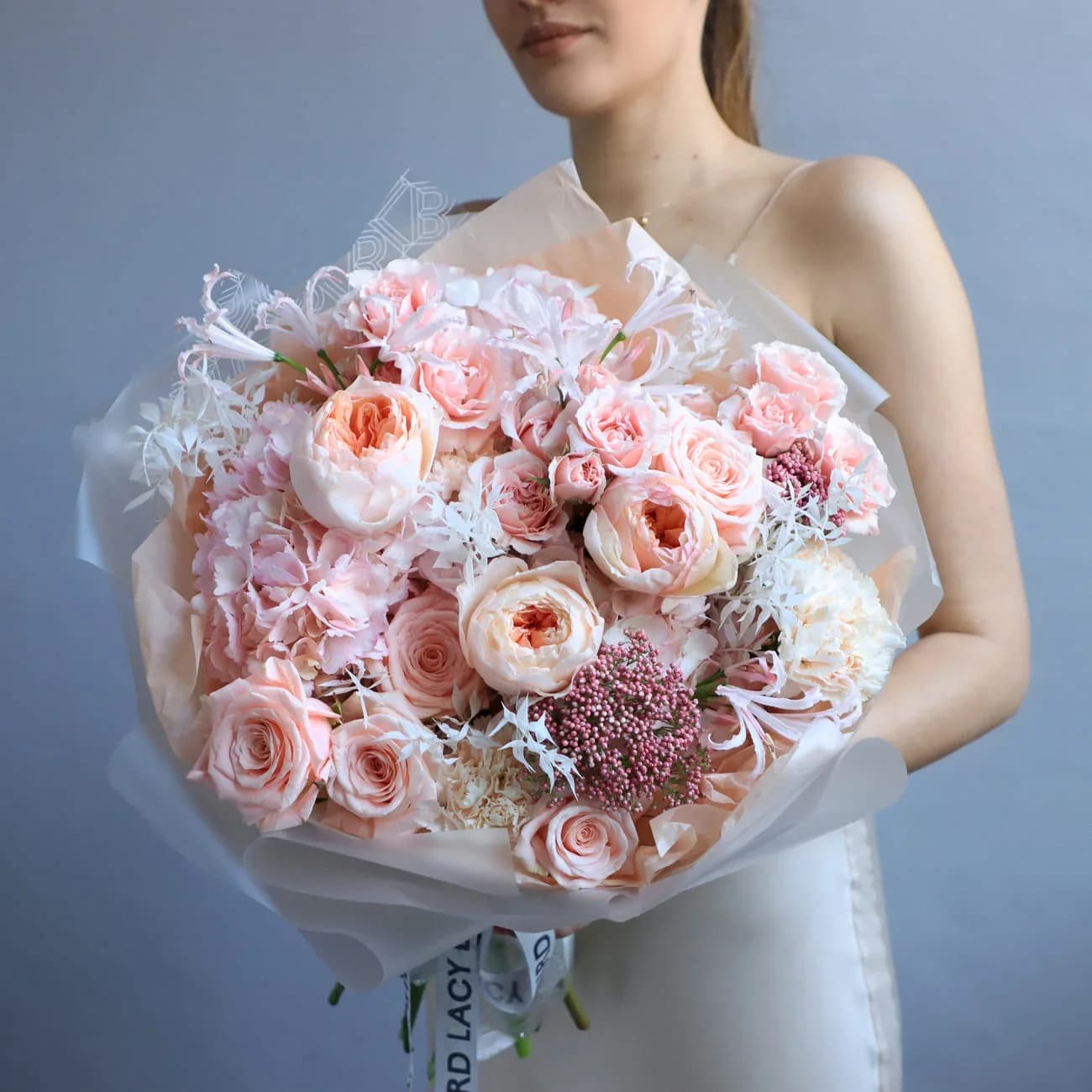
- Roses — 40-70% longer vase life with food
- Lilies — 30-50% longer, plus larger open blooms
- Carnations — 40-60% longer, more consistent opening
- Chrysanthemums — 30-50% longer
- Gerbera — 30-50% longer, less stem-flop
- Snapdragons — 20-40% longer
- Alstroemeria — 30-50% longer
Neutral (works, but not dramatic)
- Hydrangea — modest gains; hydration technique matters more
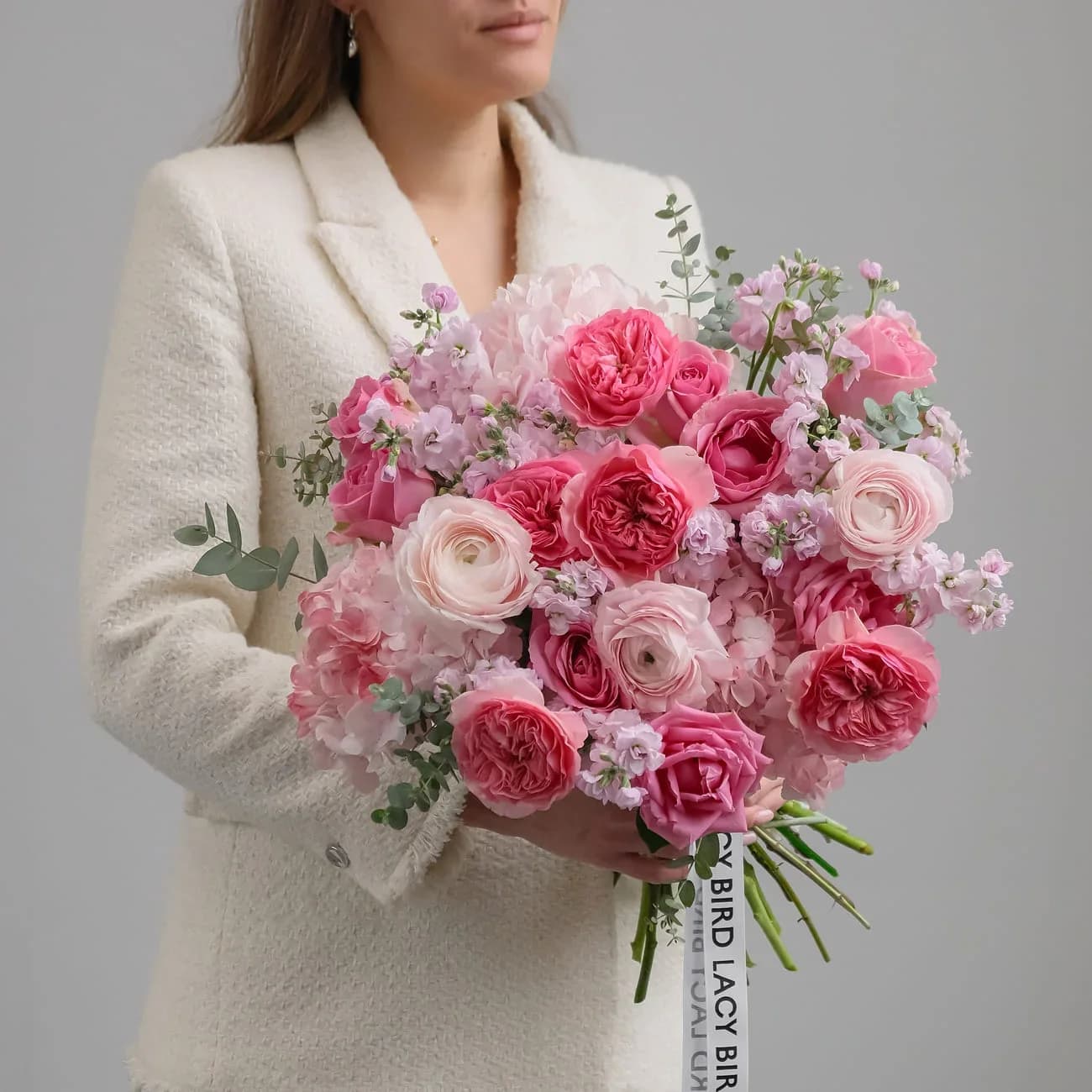
- Ranunculus — small gains; cold water matters more
- Peonies — small gains; conditioning matters more
Poor responders (skip or dilute)
- Tulips — prefer plain cold water; sugar makes them stretch and flop
- Daffodils — leak sap that fouls food solution; use plain water for the first 24 hours, then transfer to fresh water
- Anemones — hollow stems; use shallow plain water
- Amaryllis — hollow stems; plain water
For a full flower-by-flower reference, see the flower conditioning guide.
The commercial vs homemade comparison
| Property | Commercial food | Homemade recipe | Plain water |
|---|---|---|---|
| Cost per litre | $0.10-0.25 | $0.02-0.05 | $0 |
| pH precision | Exact 3.5-4.5 | Approximate | Neutral 7 |
| Bacteria control | Reliable | Variable | None |
| Sugar concentration | Precise 1-2% | Approximate | None |
| Vase life extension | 30-70% | 20-50% | Baseline |
| Failure risk | Very low | Recipe dependent | Not applicable |
When to use commercial: wedding week, expensive luxury bouquets, any arrangement you cannot risk losing.
When homemade is fine: weekly household flowers, casual arrangements, when you've run out of the sachet.
The working homemade recipe
The recipe that actually delivers results:
Per 1 litre of cool water:
- 2 teaspoons white sugar (energy)
- 2 teaspoons lemon juice or white vinegar (acidifier)
- 1/4 teaspoon household bleach (biocide)
Mix in the vase before adding flowers. Do not use hot water — it dissolves sugar faster but shocks stems.
Refresh every 2-3 days. Discard the used solution, rinse the vase, mix a fresh batch, recut the stems.
Do not double the recipe. Higher concentrations feed bacteria faster than they feed flowers. Precision matters here.
The recipes that don't work
Every folk remedy has been tested. Most fail. Here's what the research and studio testing shows.
Aspirin
Aspirin (acetylsalicylic acid) has a mild acidifying effect — similar to a weak lemon juice solution. But aspirin adds no energy and kills no bacteria.
Result: marginal 5-10% vase life gain vs plain water. Significantly worse than commercial or the homemade recipe above.
Copper pennies
Pre-1982 U.S. pennies were mostly copper and had mild antibacterial effect. Post-1982 pennies are copper-plated zinc with essentially no copper exposed to water.
Result: does nothing. Skip.
Vodka
Vodka contains ethanol, which slows the plant hormone ethylene that causes wilting. But the concentration needed to matter (3-5%) also injures cut stems.
Result: at the right concentration, no meaningful benefit. Skip.
Sprite / 7-Up / lemonade
The internet loves this one. Soda contains sugar and citric acid — two of the three ingredients we want. But it also contains carbonation (harmless), high sugar (way over 1-2% concentration — feeds bacteria), and no biocide.
Result: works briefly, then bacteria bloom. Actually reduces vase life vs the proper homemade recipe.
Sugar alone
Sugar in water without acidifier and biocide feeds bacteria faster than it feeds flowers.
Result: reduces vase life vs plain water. Actively harmful.
Bleach alone
Bleach kills bacteria but provides no energy and no acidification.
Result: modest gain vs plain water, worse than the full recipe.
When to skip flower food entirely
For a small subset of flowers, plain cool water outperforms food:
- Tulips: sugar accelerates stretching and flopping. Use plain cold water. Refresh daily.
- Daffodils (first 24 hours): leak sap that fouls food solutions. Use plain water for a day, then transfer.
- Ranunculus on hot days: sugar increases fungal risk in warm rooms. Use plain water refrigerated at 4-8°C between displays.
Storage and shelf life
Commercial flower food sachets are stable for 3-5 years unopened. Once mixed with water, use within 24 hours (bacteria will grow even in the sealed solution over time).
Homemade recipe: mix fresh each time. Refrigerate leftover solution overnight only. Discard after 48 hours.
Cost efficiency
For a household with weekly flower purchases:
| Approach | Annual cost | Vase-life gain |
|---|---|---|
| Plain water only | $0 | baseline |
| Homemade recipe | $2-4 | 20-50% |
| Commercial sachets (bought) | $15-30 | 30-70% |
| Commercial sachets (from bouquet purchases) | $0 | 30-70% |
The practical recommendation: use the sachets that come with purchased bouquets, and mix the homemade recipe otherwise. Buy commercial powder in bulk only if you buy or arrange 10+ bouquets per week.
Common mistakes
Under-dosing the sachet. Commercial food is dosed for 500 ml or 1 litre depending on the sachet. Using one sachet in a 3-litre vase gives you 1/3 or 1/6 the concentration you need. Multi-dose large vases.
Never refreshing. Even the best food solution goes bacterial after 2-3 days. Refresh, recut, resupply food.
Hot water. Hot water dissolves sugar and food faster, but shocks stems and reduces vase life. Always use cool water (10-20°C).
Mixing folk remedies with commercial food. Adding a penny to your commercial food solution doesn't help. Neither does aspirin plus vinegar. Use one method or the other; don't stack.
Assuming all flowers respond equally. Tulips and daffodils have specific preferences (see above). Match method to species.
Common mistakes with homemade recipes
Doubling concentrations. More sugar means more bacterial food. Stay at the 2 teaspoons per litre.
Using apple cider vinegar instead of white. Cider vinegar contains sugars that feed bacteria. Use white vinegar or lemon juice only.
Skipping the bleach. Without a biocide the recipe fails within 24 hours in warm rooms. All three ingredients matter.
Using tap water in hard-water areas. Chlorinated municipal tap water above 1 ppm chlorine can burn cut stems. Use filtered or bottled water in hard-water regions.
The one-minute test
Whether commercial or homemade: after 24 hours in the vase, observe the water.
- Clear and slightly acidic tasting: working correctly
- Cloudy or smelly: bacterial bloom — refresh immediately
- Yellow-tinged with sap ring: normal for daffodils; refresh in 12 hours
- Green algae film: sunlight exposure — move vase away from direct sun
FAQ
Do cut flowers really need flower food?
Yes for anything you want to last past 4-5 days. Flower food adds 30-70% to vase life over plain water for most common cut flowers — roses, lilies, carnations, chrysanthemums, gerbera. For hardy stems like tulips (which prefer plain cold water) and daffodils (which leak sap into flower food), skip it or use half strength.
What is flower food made of?
Commercial flower food is 80-95% sucrose or glucose (energy for the flower), an acidifier like citric acid (lowers pH to 3.5-4.5 for better water uptake), and a biocide like 8-hydroxyquinoline citrate or a chlorine compound (kills bacteria in the water). Some formulations add cytokinin plant hormones for extra bud opening.
Can I make flower food at home?
Yes. The working recipe: 1 litre cool water + 2 teaspoons sugar + 2 teaspoons lemon juice or white vinegar + 1/4 teaspoon household bleach. This delivers the three ingredients commercial food delivers. Refresh every 2 days and recut stems each time.
Do aspirin, pennies, or vodka keep flowers fresh?
No. Aspirin lowers pH slightly but adds no energy and kills no bacteria — it underperforms commercial food. Copper pennies (post-1982) contain almost no copper and don't kill bacteria in reasonable time. Vodka slows ethylene production marginally but wilts flowers at concentrations high enough to matter. None of these fold into a serious care routine.
How often should I change flower food water?
Every 2-3 days for a fresh recut of stems and a fresh solution. Cloudy water means bacteria have taken over — recut, replace, and add fresh food. In hot weather (above 25°C) refresh every 24 hours.
Related reading: