Birthday & anniversary flowers
21 flowers our studio reaches for in birthday & anniversary work — filtered from the Lacy Bird catalog by role, season and colour. Open any flower for its full data card.
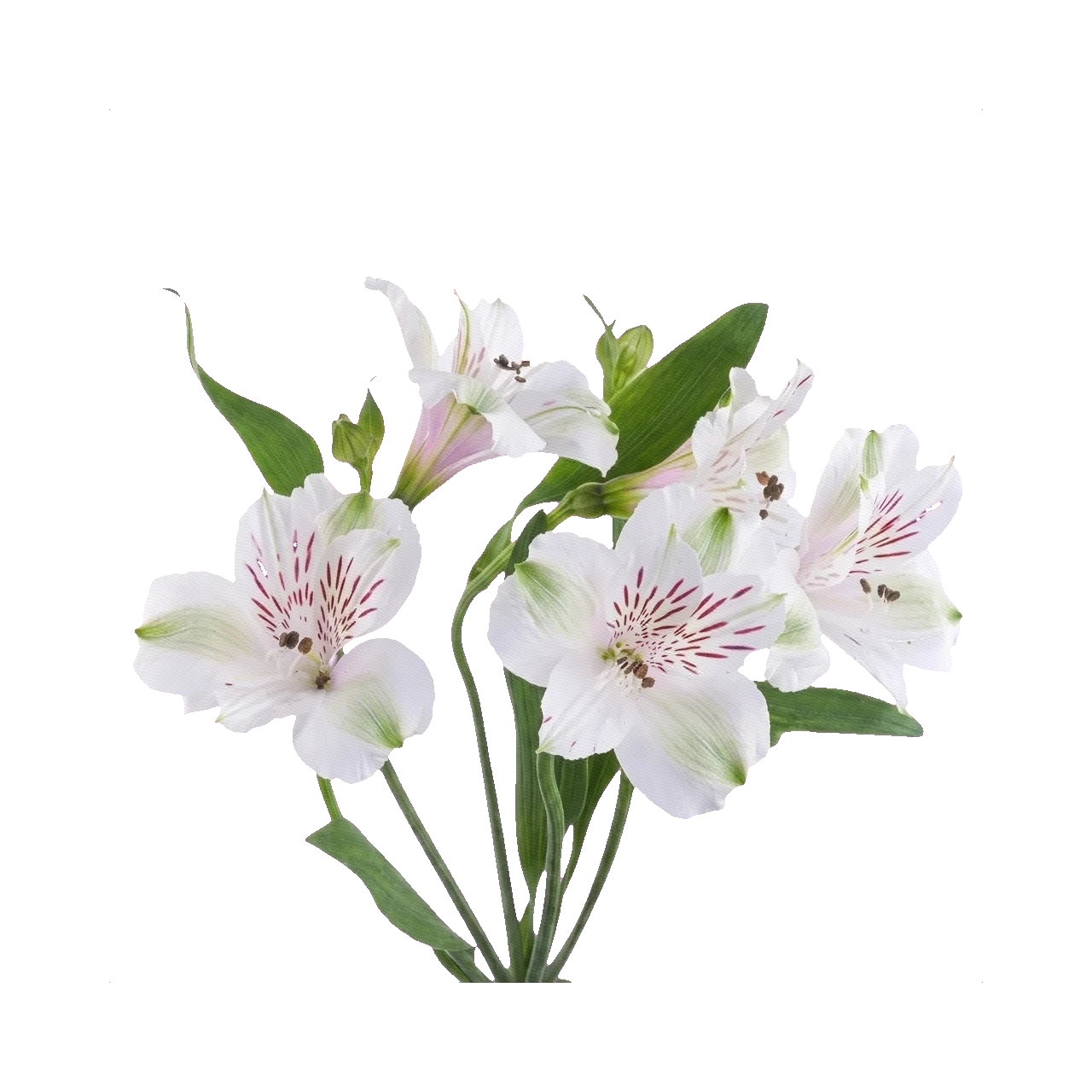
Alstroemeria
Alstroemeria
The alstroemeria wins the best vase-life-per-dollar ratio in the flower world. One stem carries 5–7 clusters of trumpet-shaped florets that open over two weeks. Yellow leaves are its one weakness — strip them at purchase. A weekly-flower-delivery favourite for the same reason: it lasts.
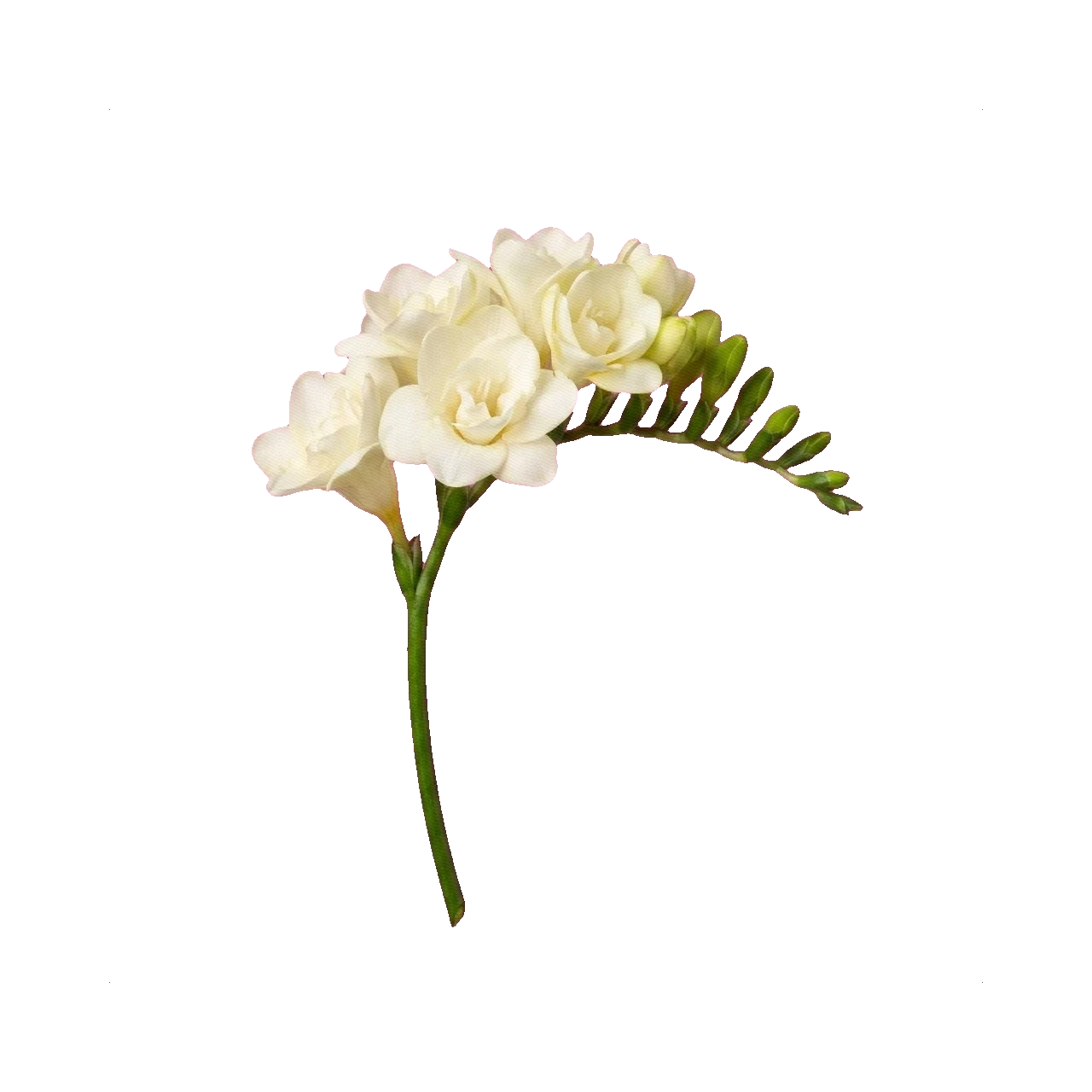
Freesia
Freesia
Freesia carries an arched stem of 6–10 trumpet-shaped florets that open in sequence over a week. Its fragrance is one of the most pleasant in the floral world — subtle, citrus-honey. Popular in wedding work as a secondary flower and boutonniere staple. Widely available year-round at consistent prices.
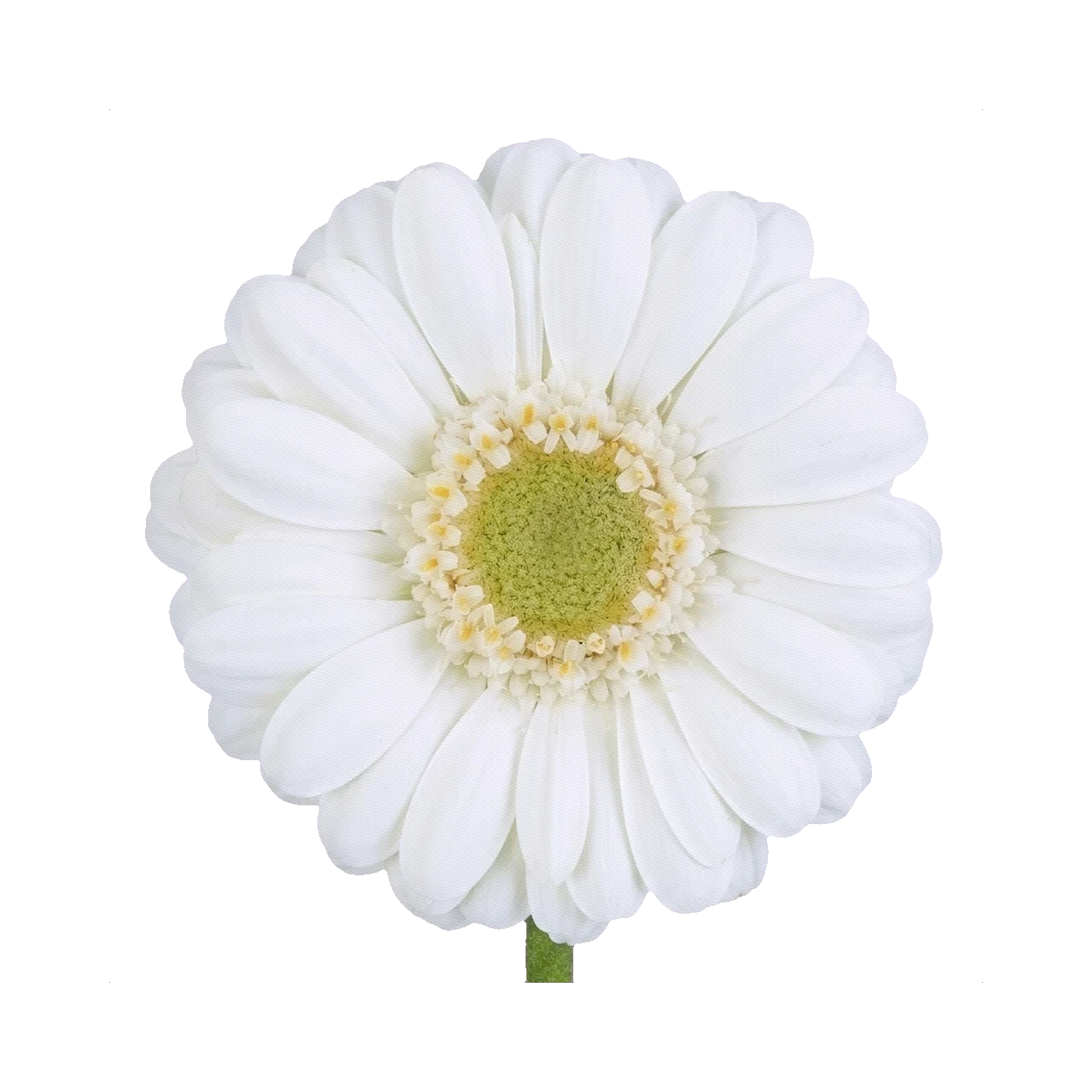
Gerbera
Gerbera
The gerbera is the smiling face of the everyday flower shop — bright, single-headed, wide colour range. Weak necks are its one weakness; professional florists wire stems for weddings and events. Modern mini gerberas (5 cm) work as filler; standard gerberas (10 cm) hold their own as focal points.
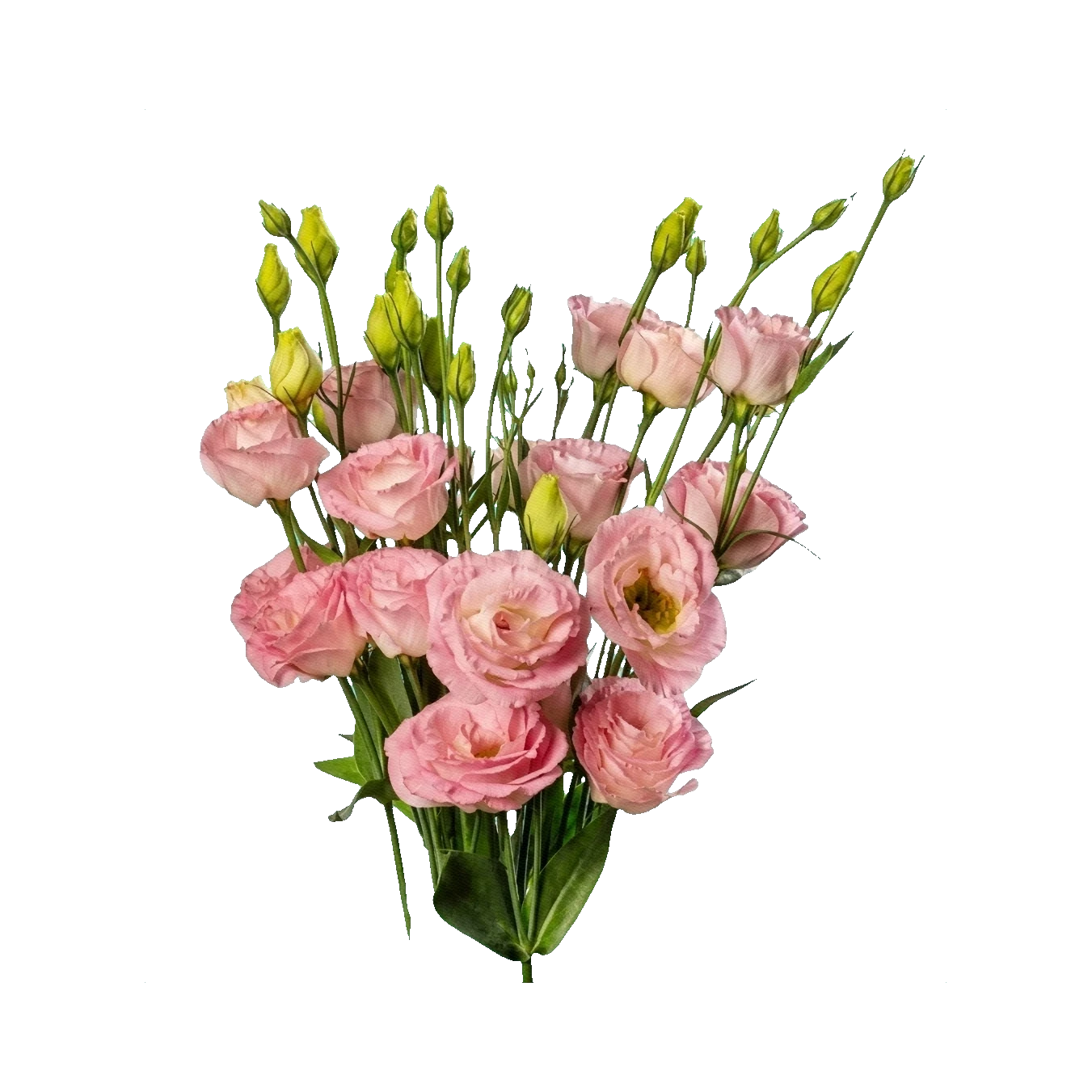
Lisianthus
Eustoma grandiflorum
Often mistaken for a small garden rose, the lisianthus offers a rose-like head with 30–50% longer vase life and better performance in heat. Japanese breeders have led lisianthus development — the picotee series (white edged in violet or pink) is a wedding staple. One stem carries 3–7 buds that open over 10 days.
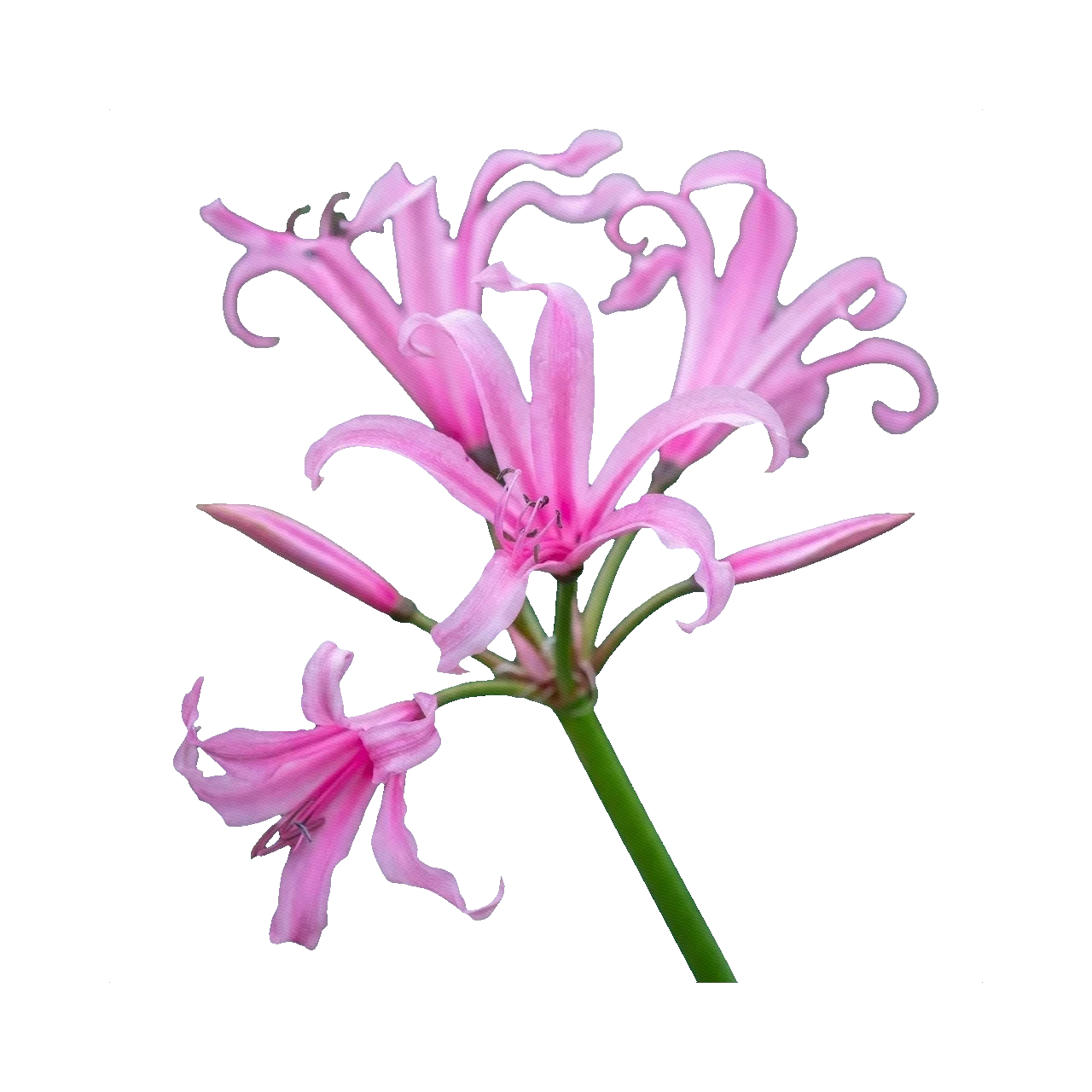
Nerine
Nerine bowdenii
Nerine is an autumn jewel — an umbel of slender, recurved petals that catch the light with an almost frosted, sugared shimmer. Native to South Africa, Nerine bowdenii flowers just as most garden blooms fade, giving florists a fresh, luminous pink for late-season weddings and arrangements. The spidery, leafless stems read as elegant and slightly exotic, and they hold impressively long in the vase. Their delicate crystalline petals bring a refined sparkle to bouquets and luxury autumn work.
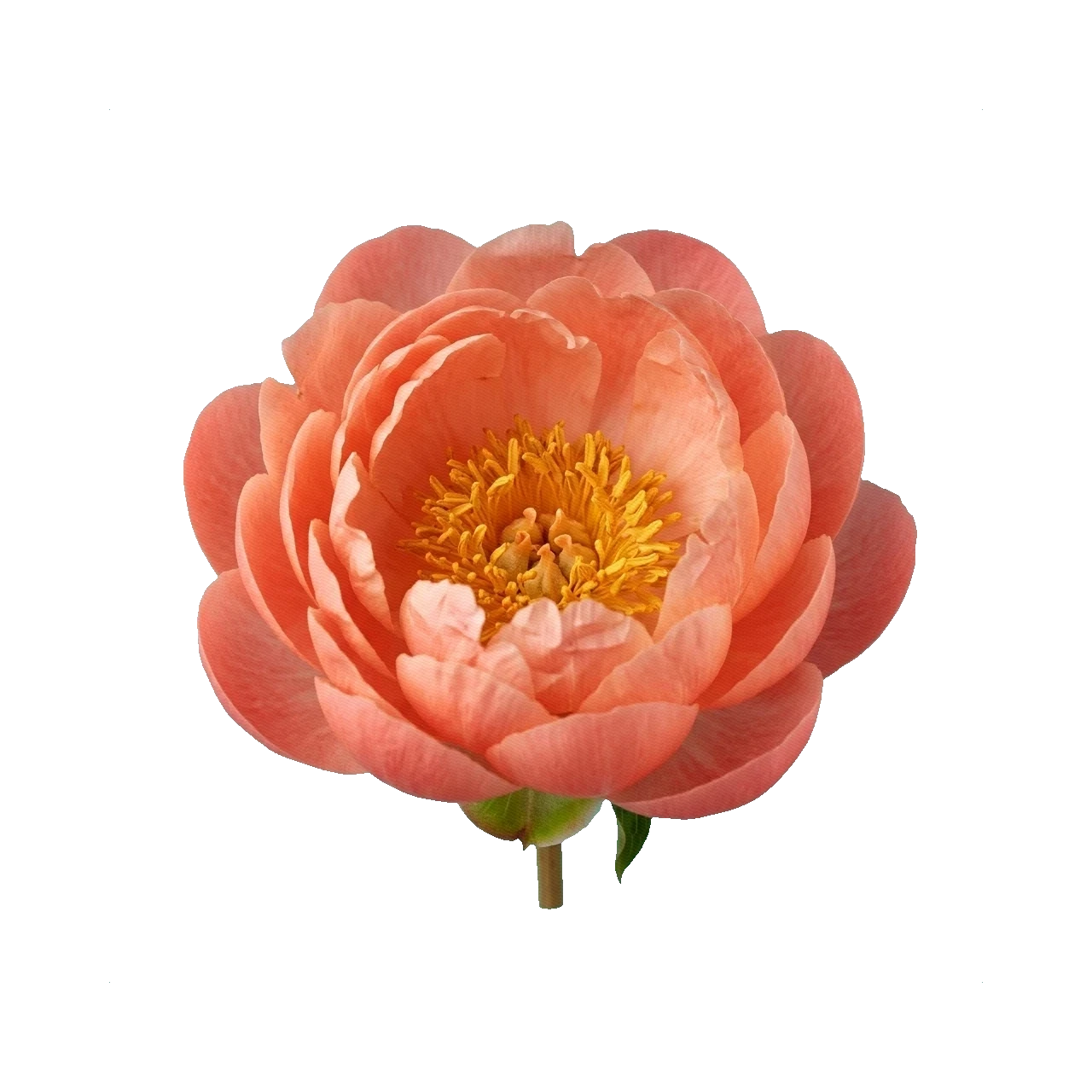
Peony
Paeonia
The peony is the queen of late-spring floral design. Its lush, densely-petaled head and short, dramatic season have made it the most-requested wedding flower in the northern hemisphere. Peonies open from marshmallow-firm buds to bowl-sized blooms over 24–72 hours, giving the arrangement a living quality that unfolds through the event. Commercial cultivars include Sarah Bernhardt (blush), Coral Charm (coral fading to peach), and Bowl of Cream (white). Off-season peonies are grown in Chile and New Zealand for northern winter supply, but at 3–4× the price.

Phlox
Phlox paniculata
Garden phlox carries full, domed clusters of five-petalled florets in soft pastels and vivid pinks atop tall leafy stems, releasing a sweet summer fragrance. Florists use it as a fragrant, generous filler that fills space and adds cottage-garden softness to seasonal bouquets and arrangements. It sits between a filler and a focal, giving mass without stiffness. Because its foliage spoils water quickly, clean stripping and frequent water changes keep it at its best.
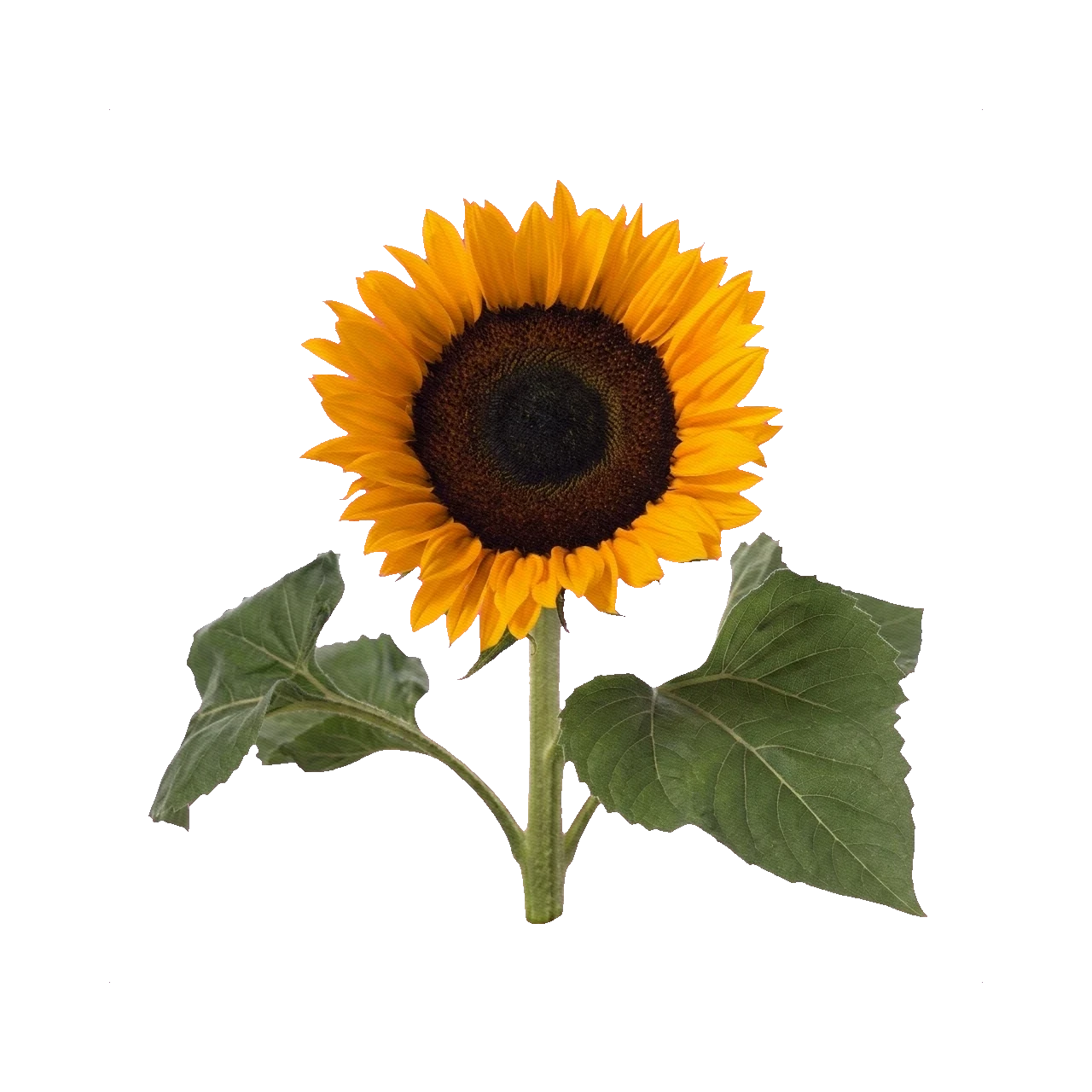
Sunflower
Helianthus annuus
Sunflowers are the face of late summer floristry — bold, cheerful, and grown locally on almost every continent. Pollenless varieties (Sunbright, ProCut Orange) have replaced classic pollen-producing sunflowers in commercial work — no more stained tablecloths. Miniature sunflowers (Teddy Bear, fully double heads) have opened the flower to wedding and event use.
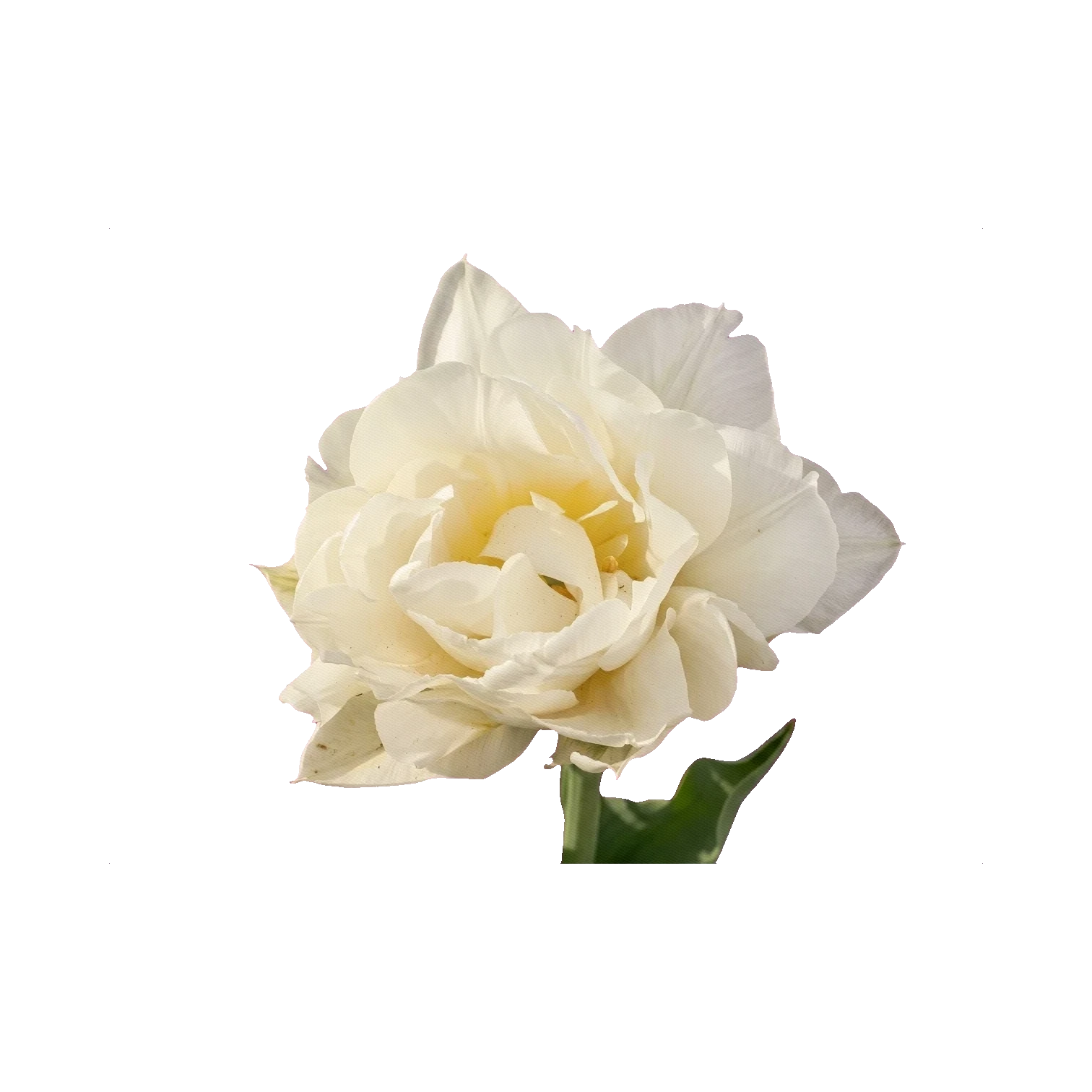
Tulip
Tulipa
The most-produced cut flower in the world (Netherlands ships 2+ billion stems annually). Tulips are actively alive in the vase — they grow, bend toward light, and open with the day. This movement is a feature, not a defect: modern floristry embraces the natural curve. Double-flowered varieties (peony tulips) can substitute peonies out of season.
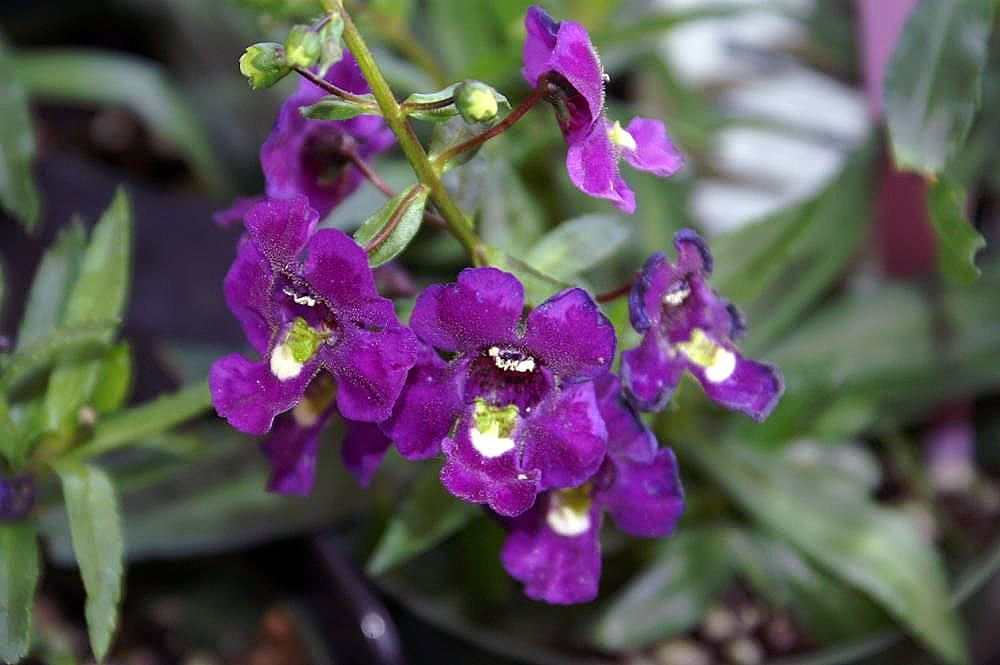
Angelonia
Angelonia angustifolia
Angelonia, aptly nicknamed summer snapdragon, is a tender perennial grown as an annual that thrives in heat and sends up slender spikes of orchid-like flowers in purple, lavender, blue, pink and white. Florists use it as a graceful line flower that adds vertical interest and a soft, airy structure to summer designs. Unlike true snapdragons it tolerates warmth well, staying fresh through hot-weather events. Its delicate florets bring a cottage-garden lightness to bouquets and arrangements.
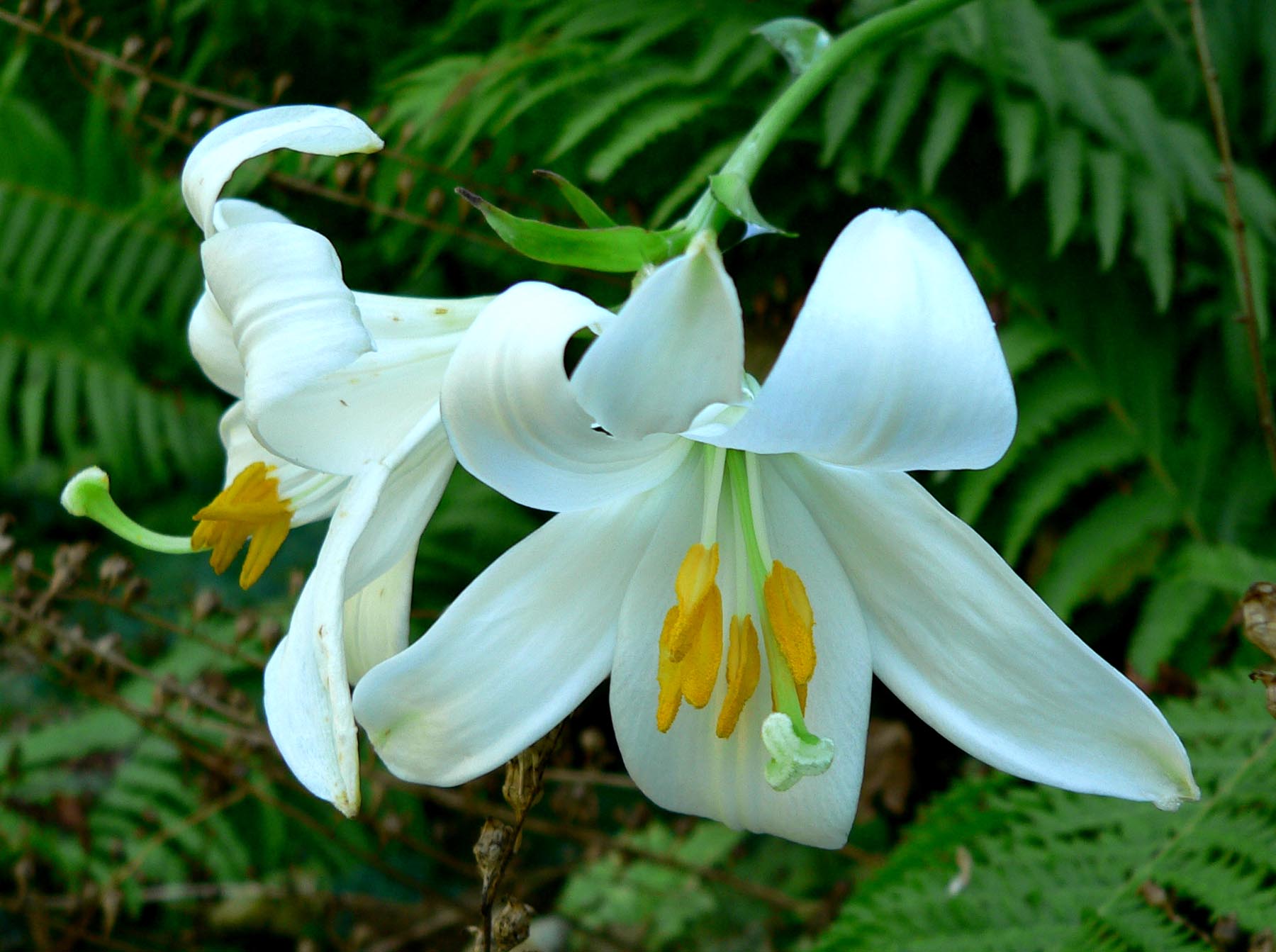
Asiatic Lily
Lilium (Asiatic hybrids)
Asiatic lilies are the bold, upward-facing workhorses of the lily world, prized for saturated colour and a clean, almost scentless bloom that suits guests sensitive to fragrance. Bred from several East Asian Lilium species, they open reliably from bud and hold well in the vase, giving florists dependable focal power at a friendly price. Their flat, star-like flowers come in vivid yellows, oranges, reds and pinks that carry across a room. They are a go-to for bright everyday bouquets, cheerful get-well arrangements and large-scale seasonal work.
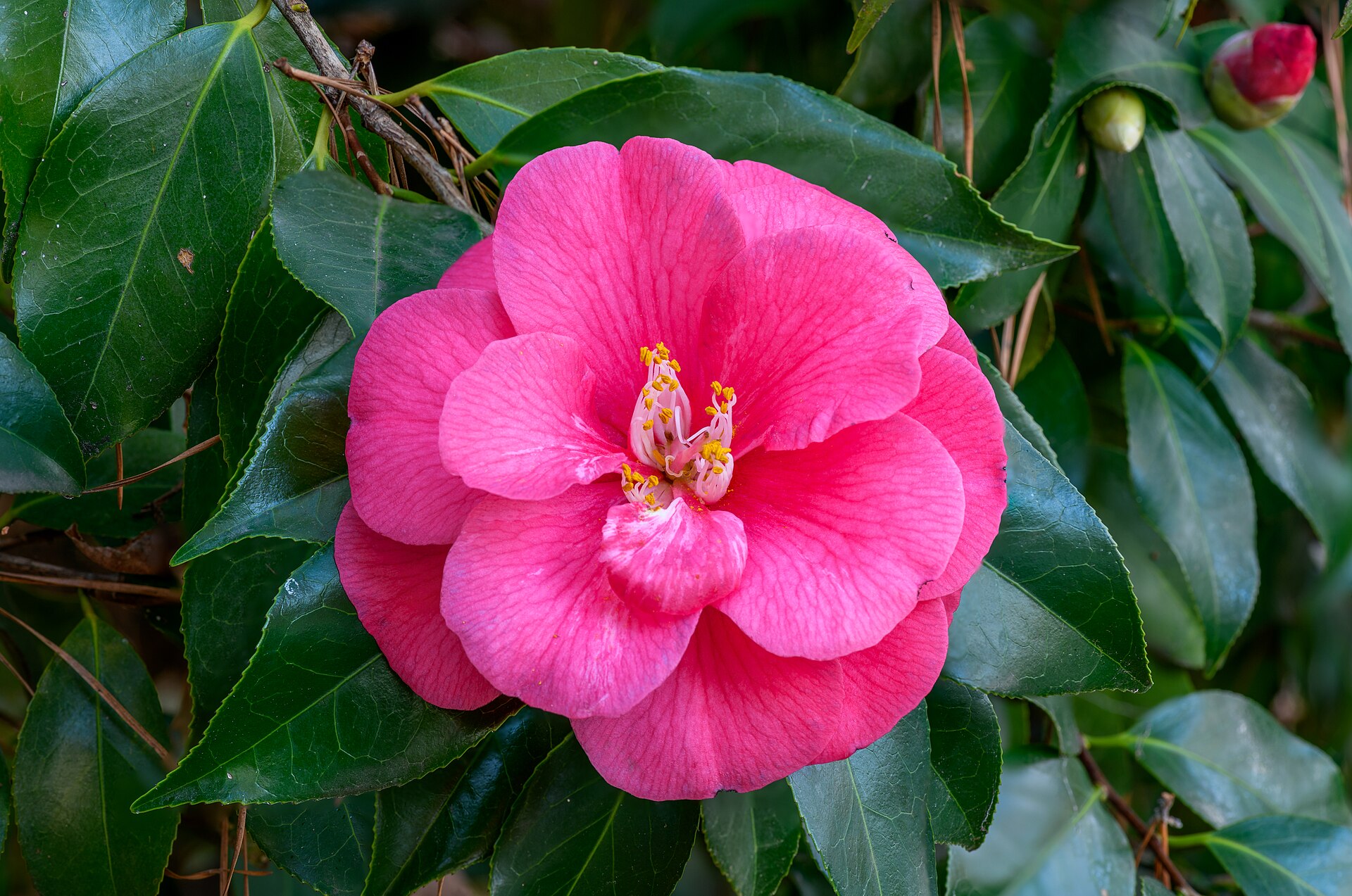
Camellia
Camellia japonica
Camellia is a broadleaf evergreen shrub whose rose-like blooms open in the cool months, earning it the nickname 'rose of winter'. Perfectly geometric rows of petals in white, blush, pink or red sit against thick, lacquered green leaves that are themselves prized as cut foliage. Florists turn to camellia for winter weddings and luxury arrangements when garden roses and peonies are out of season. The petals shatter if bumped, so it rewards gentle handling with unmatched cool-season elegance.
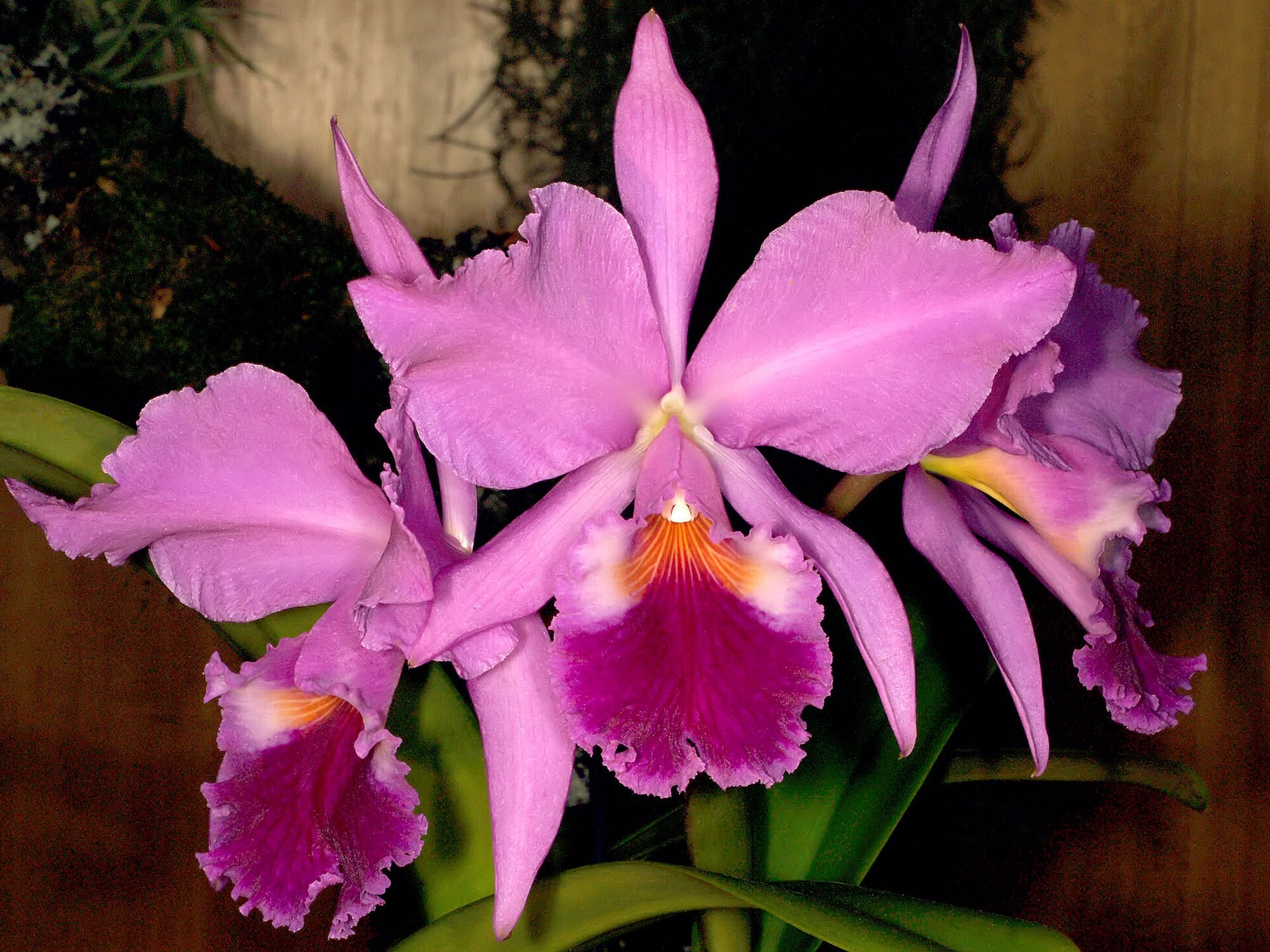
Cattleya Orchid
Cattleya
Cattleya is the classic 'corsage orchid' — large, ruffled and richly fragrant, with a flamboyant frilled lip that made it the emblem of old-fashioned glamour. Blooms come in lavender, white, pink, coral and yellow, often with a contrasting throat, and their heady perfume sets them apart from most orchids. More delicate and shorter-lived than dendrobium or vanda, cattleya is used where it can be shown off: corsages, boutonnieres and luxury focal work. It remains a traditional Mother's Day flower and a byword for refined, showy beauty.
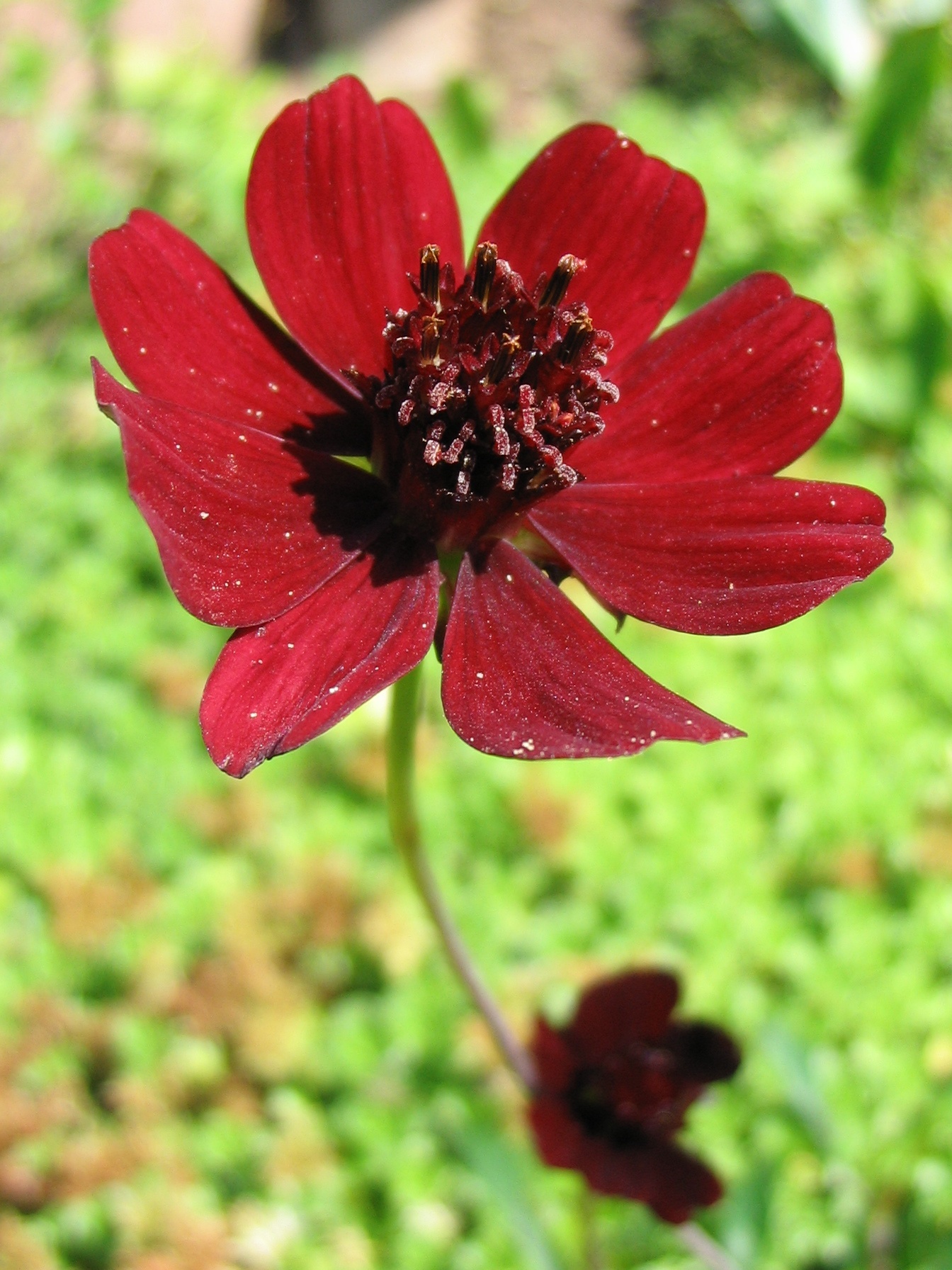
Chocolate Cosmos
Cosmos atrosanguineus
Chocolate cosmos is a coveted rarity: small, velvety daisy flowers in deep maroon-brown that carry a genuine scent of chocolate and vanilla. Florists treasure it for luxury and editorial work where its moody, near-black tone and unique fragrance set an arrangement apart. The blooms sit on fine, dark stems and read as jewel-like accents rather than mass flowers. Delicate, seasonal and premium-priced, it is a designer's flower for intimate, sophisticated palettes.
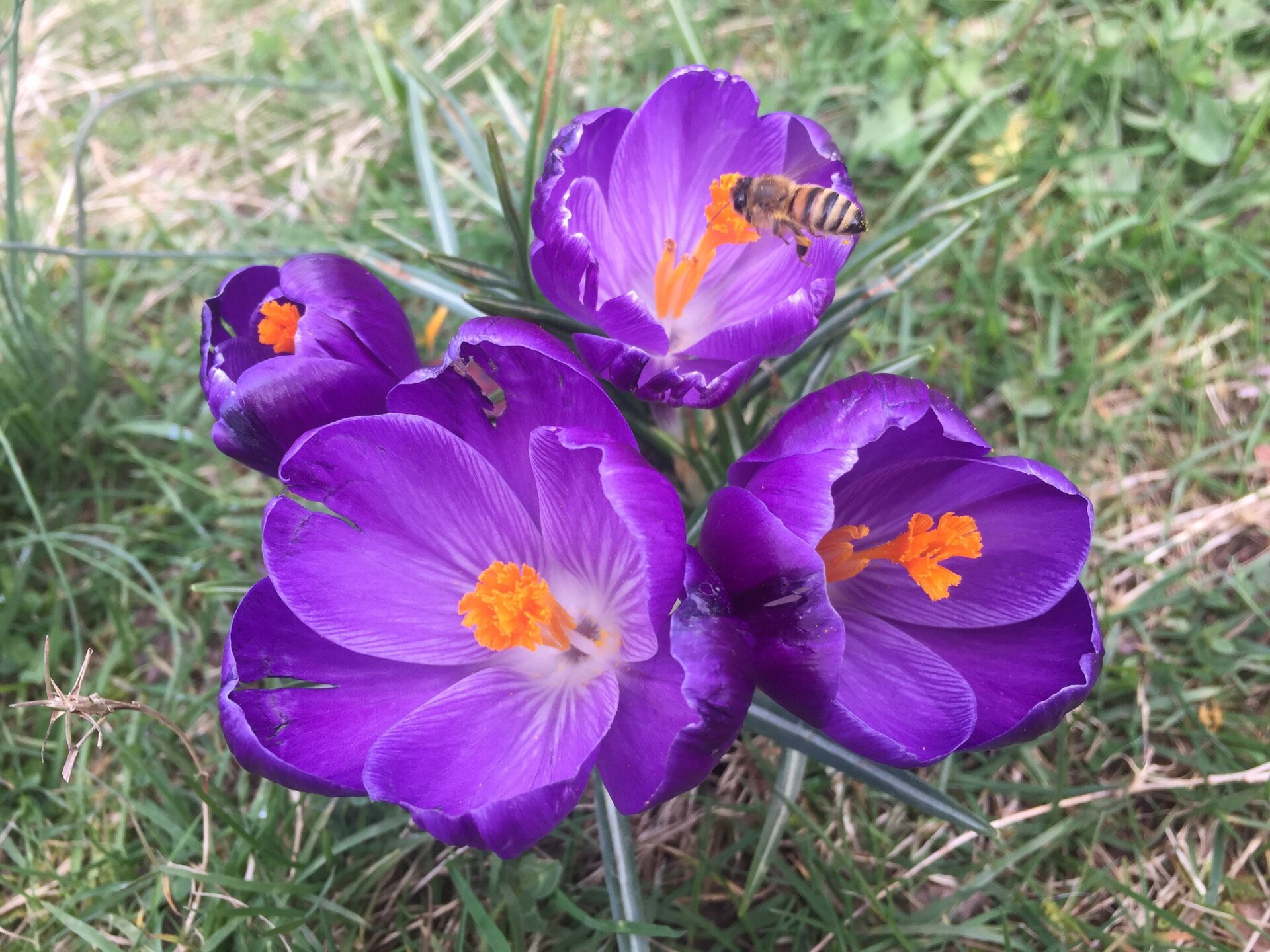
Crocus
Crocus vernus
Crocus is the herald of spring, opening its goblet-shaped cups in purple, gold, white and lavender while frost still lingers. Its very short stems and brief vase life make it a specialist cut flower, most often shown in bulb bowls, mossy displays and tiny low arrangements. Florists cherish it for its jewel-clear colours and the sense of earliest spring it evokes. Where a design needs the first true flush of the season, nothing says it quite like crocus.
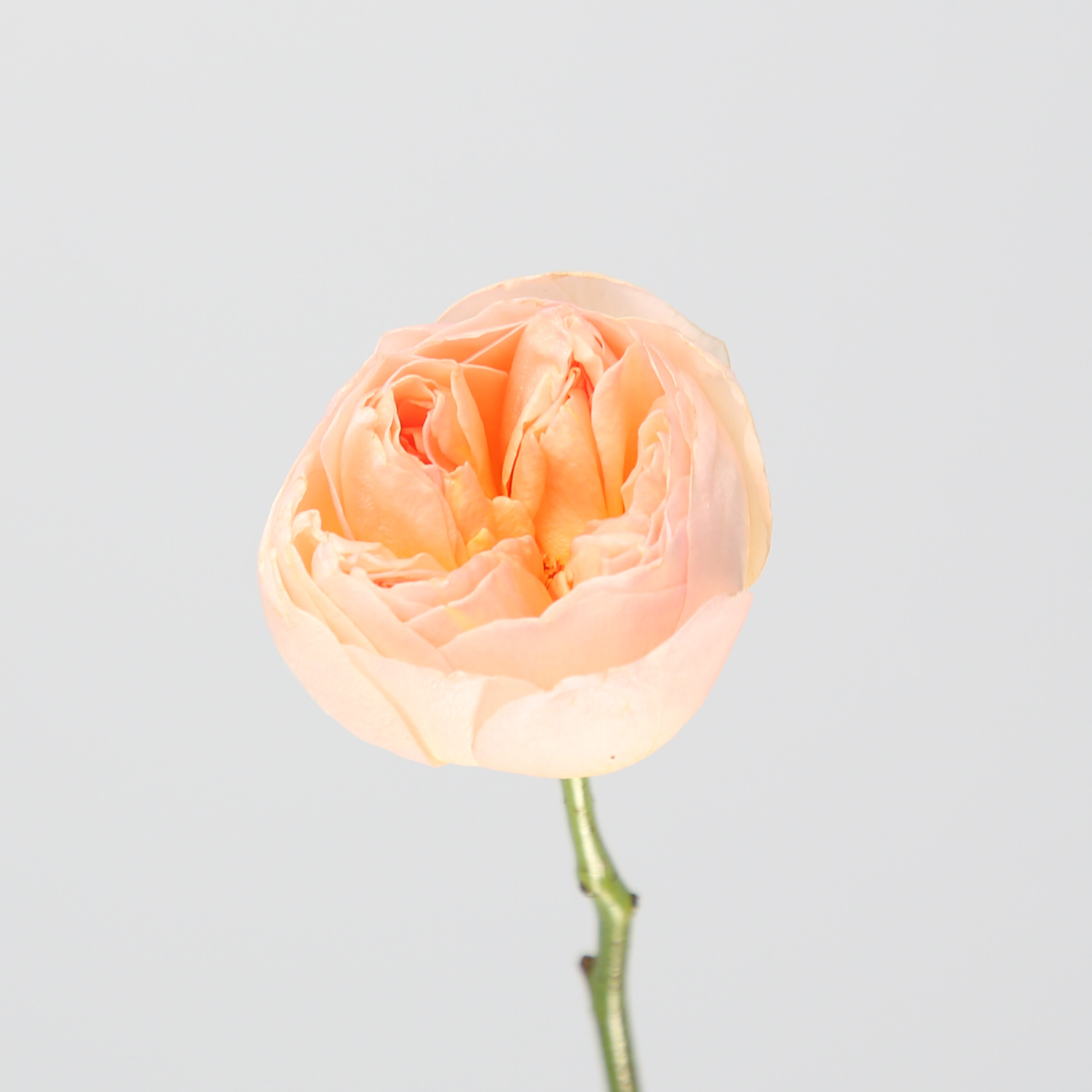
Garden rose
Rosa (David Austin & similar)
Garden roses combine the fullness of old European varieties (60–120 petals) with the disease resistance and vase life of modern cut roses. David Austin's cut collection dominates the wedding market: Juliet (peach), Keira (blush), Patience (cream). Compared to standard commercial roses, garden roses have a larger, cupped head, subtle fragrance, and a shorter vase life. In a bouquet they play the role of the focal centre — the flower the eye lands on first.
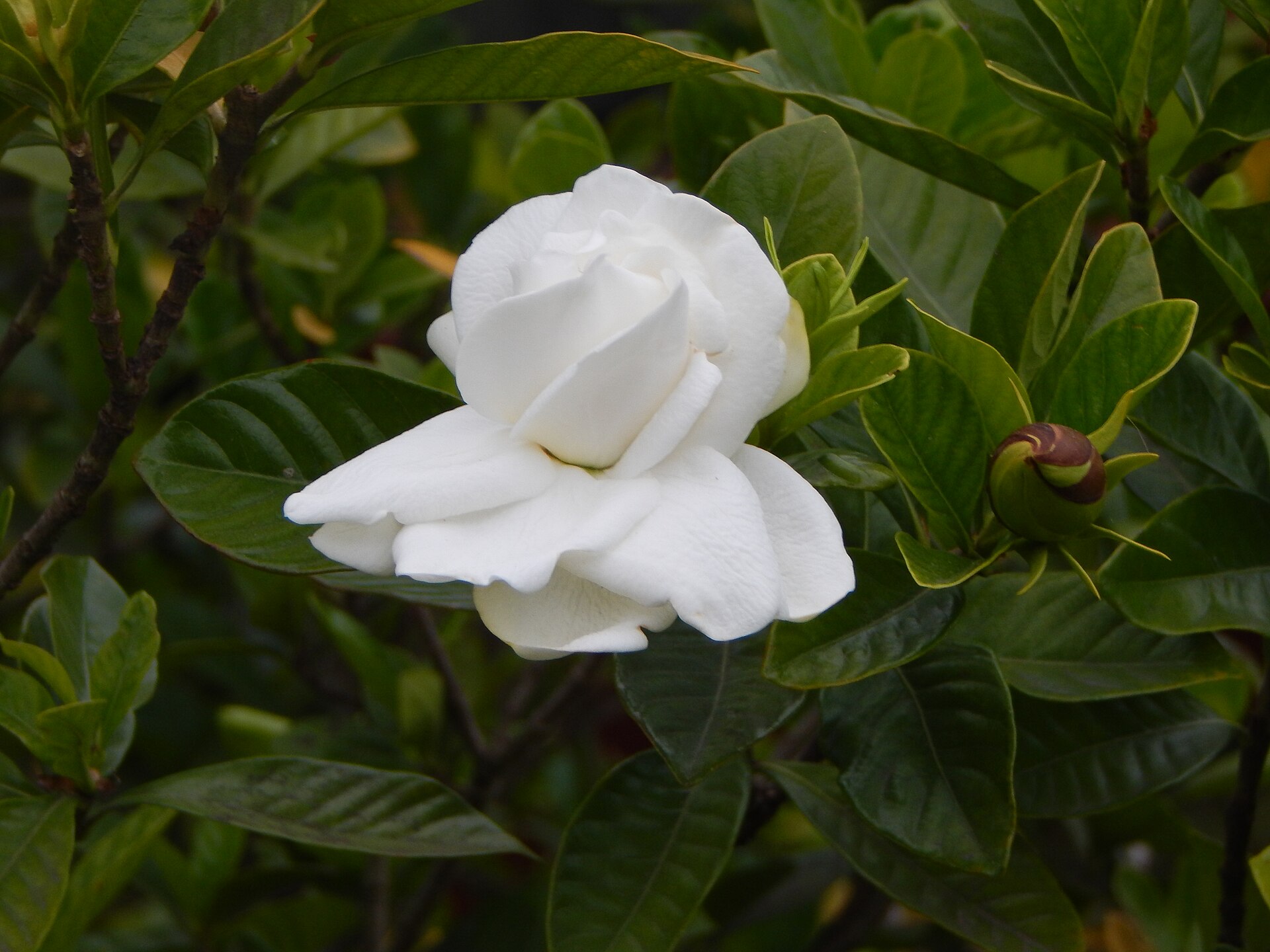
Gardenia
Gardenia jasminoides
Gardenia is a glossy-leaved evergreen shrub prized for its ivory, rose-form blooms and one of the richest fragrances in floristry. Its creamy, tightly furled petals bruise to brown at the lightest touch, so it is reserved for high-end work where its perfume and elegance justify the care. Florists use single blooms in corsages, boutonnieres and bridal bouquets, often wired and backed with the plant's own dark foliage. Nothing else delivers the same heady scent and jewel-like white form.
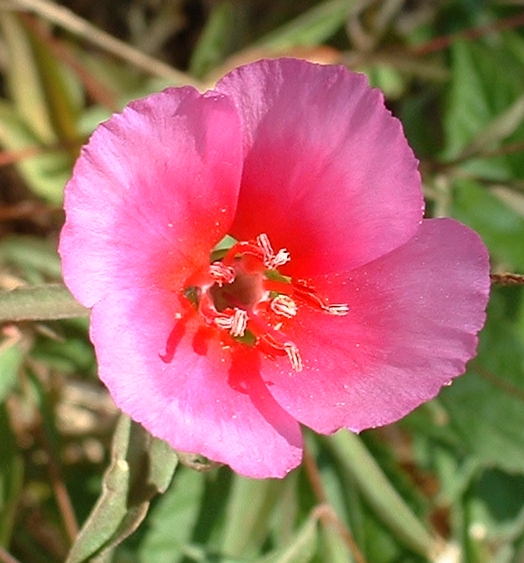
Godetia
Clarkia amoena
Godetia, botanically Clarkia amoena, is a Californian wildflower bearing satiny, cup-shaped blooms in pink, coral, white and lavender, often brushed with a deeper central blush. Buds open in succession along the stem, giving it a generous vase life and a soft, cottage-garden charm. Florists use it as a romantic filler-to-focal in summer bouquets and garden-style arrangements. Its papery sheen and gentle colours make it a favourite for informal, seasonal work.
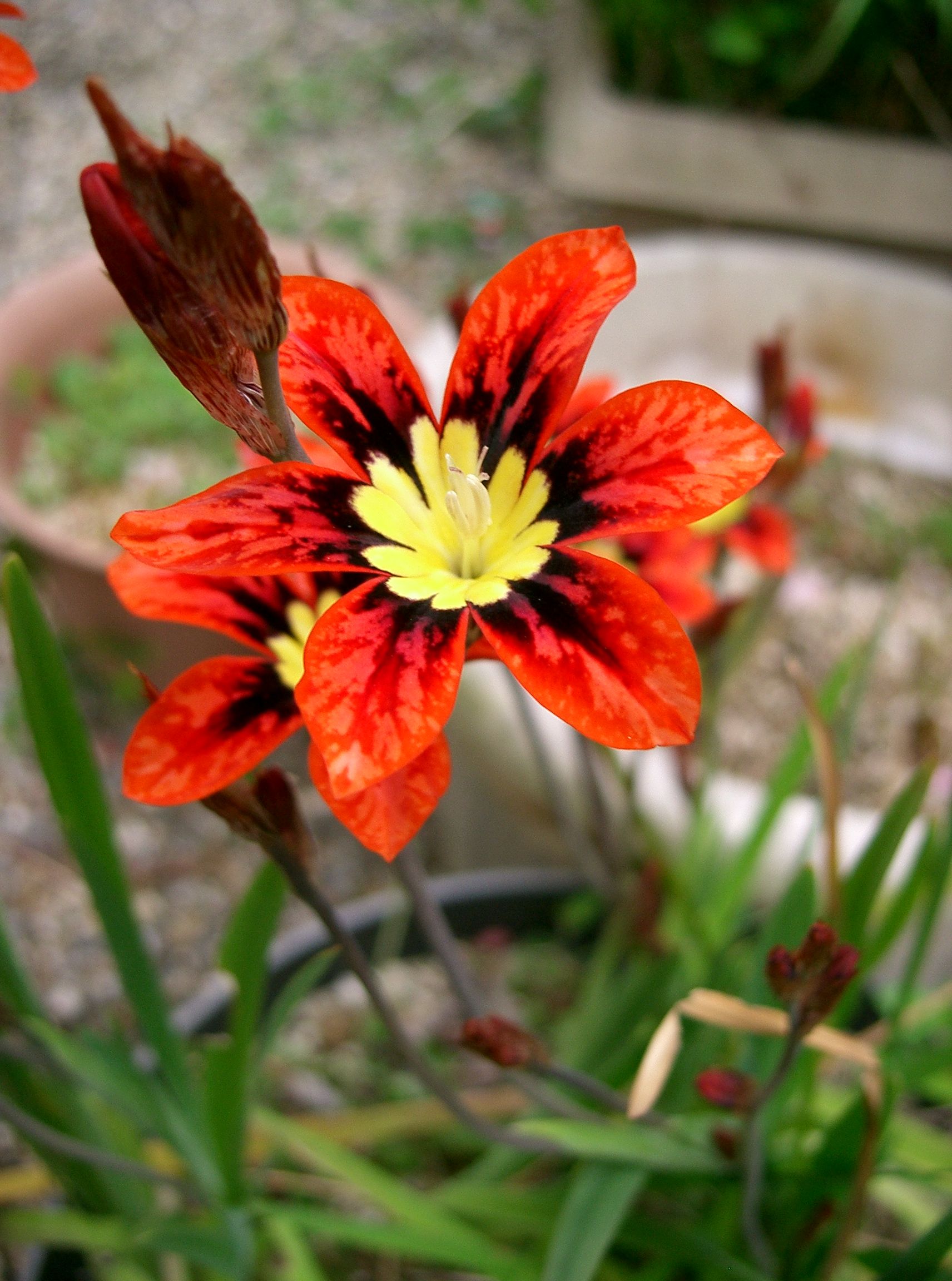
Harlequin Flower
Sparaxis tricolor
Harlequin flower earns its name from vivid, multicoloured blooms that often flare orange, yellow and purple with a dark central eye. A South African corm flowering in spring, it brings jewel-bright colour and a jaunty, informal charm to small-scale work. Florists use its short, wiry stems as a lively filler in bouquets and posies. Its bold contrasts make it a standout accent in playful, garden-style spring designs.
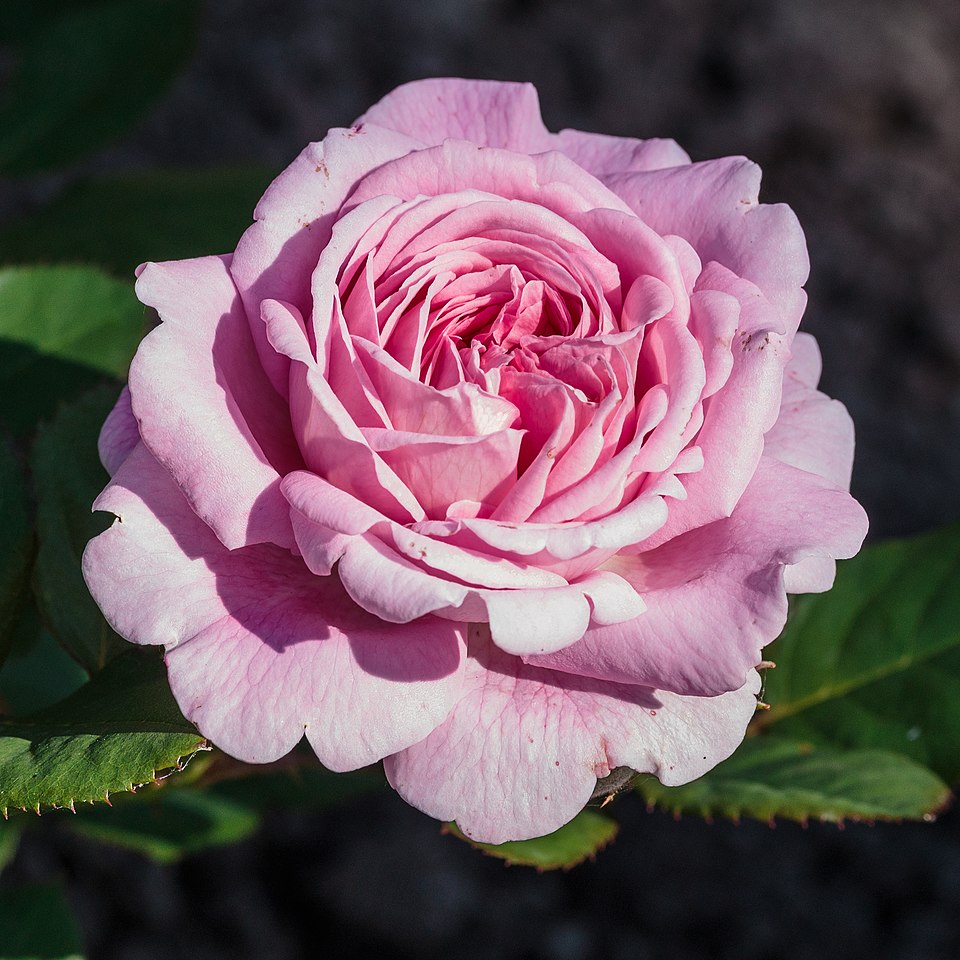
Spray rose
Rosa hybrida (multiflora)
A single stem carries 3–7 rose heads at different opening stages. Loved by wedding florists for its versatility — split into individual heads for boutonnieres, or keep whole for airy filler. Common cultivars: Majolica (cream), Yana (pink), Baby Romantica (peach). Costs 25–40% more per stem than standard roses, but delivers 3–5× the coverage.
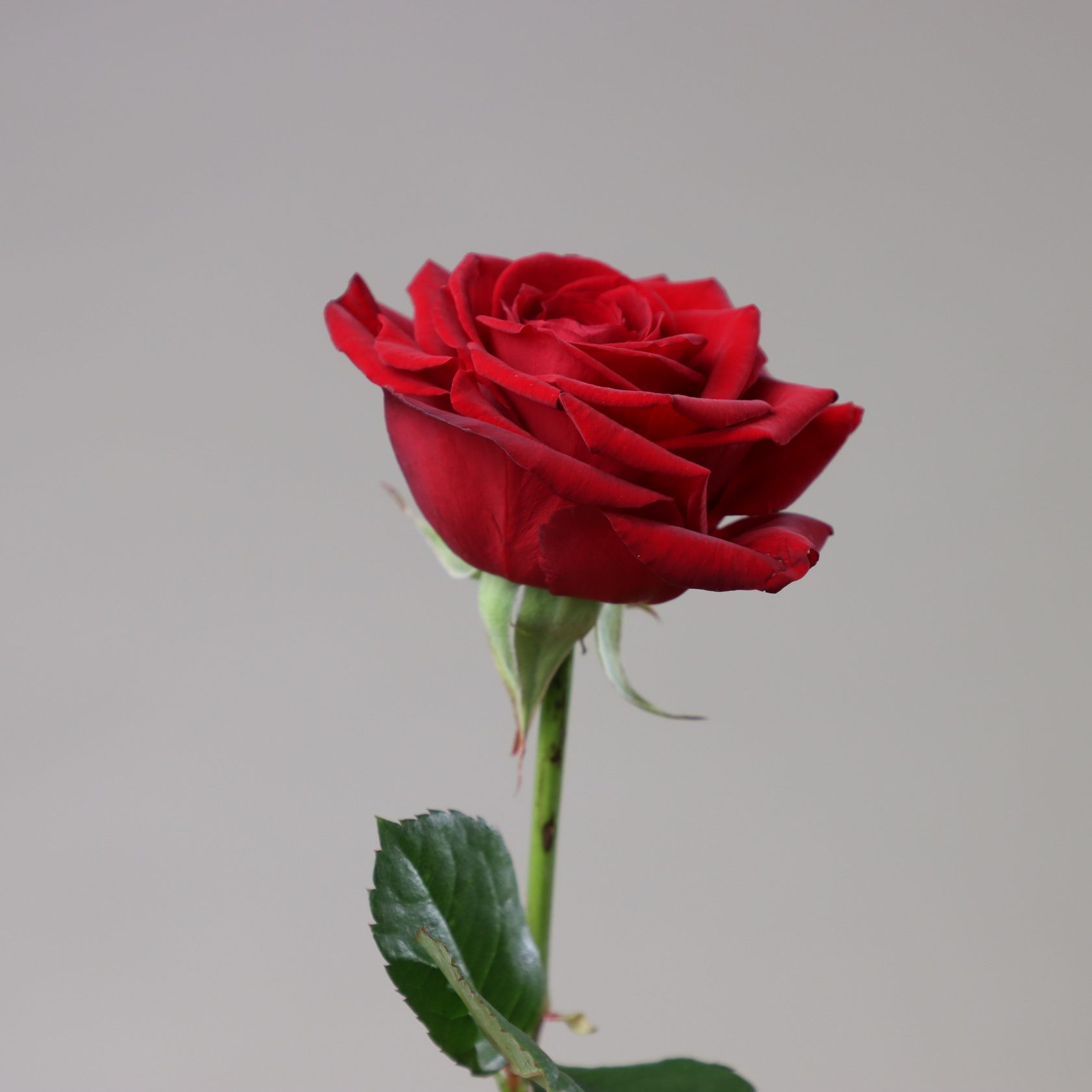
Standard rose
Rosa hybrida
The everyday workhorse of the floral industry. Long, straight stems, tight buds that open slowly, and predictable vase life. Ecuadorian roses are the premium standard for stem length (up to 90 cm) and head size; Kenyan and Ethiopian roses dominate the mid-market. Popular commercial cultivars include Freedom (red), Playa Blanca (white), Vendela (cream), Explorer (hot pink).