Holiday flowers
28 flowers our studio reaches for in holiday work — filtered from the Lacy Bird catalog by role, season and colour. Open any flower for its full data card.
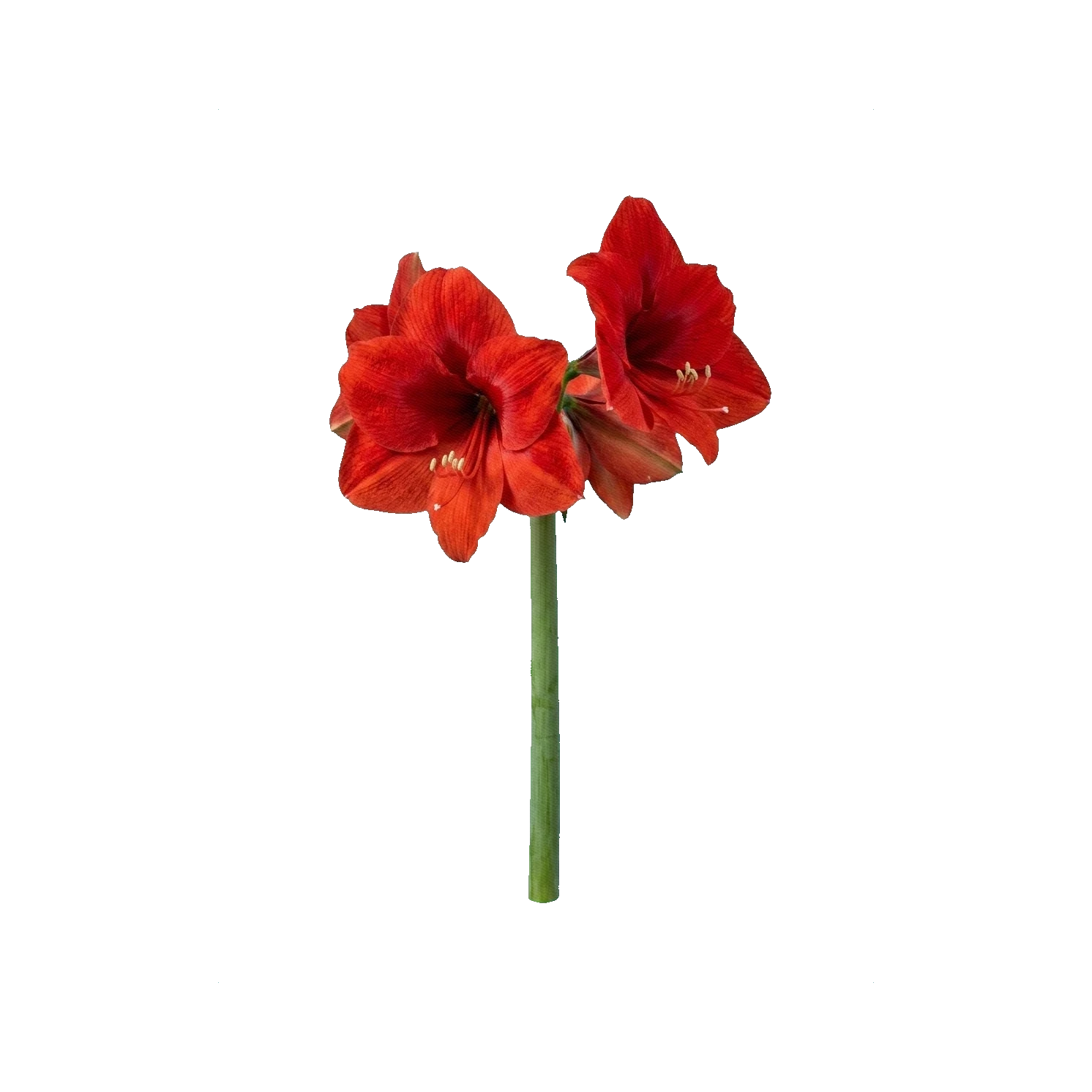
Amaryllis
Hippeastrum
The amaryllis is the December power flower — a single stem carries 2–4 trumpet blooms that can reach 20 cm across. Red amaryllis is a Christmas staple; blush and white cultivars carry weight in winter weddings. Beware the fragile hollow stem — a bamboo skewer inserted from the base gives structural support for tall arrangements.
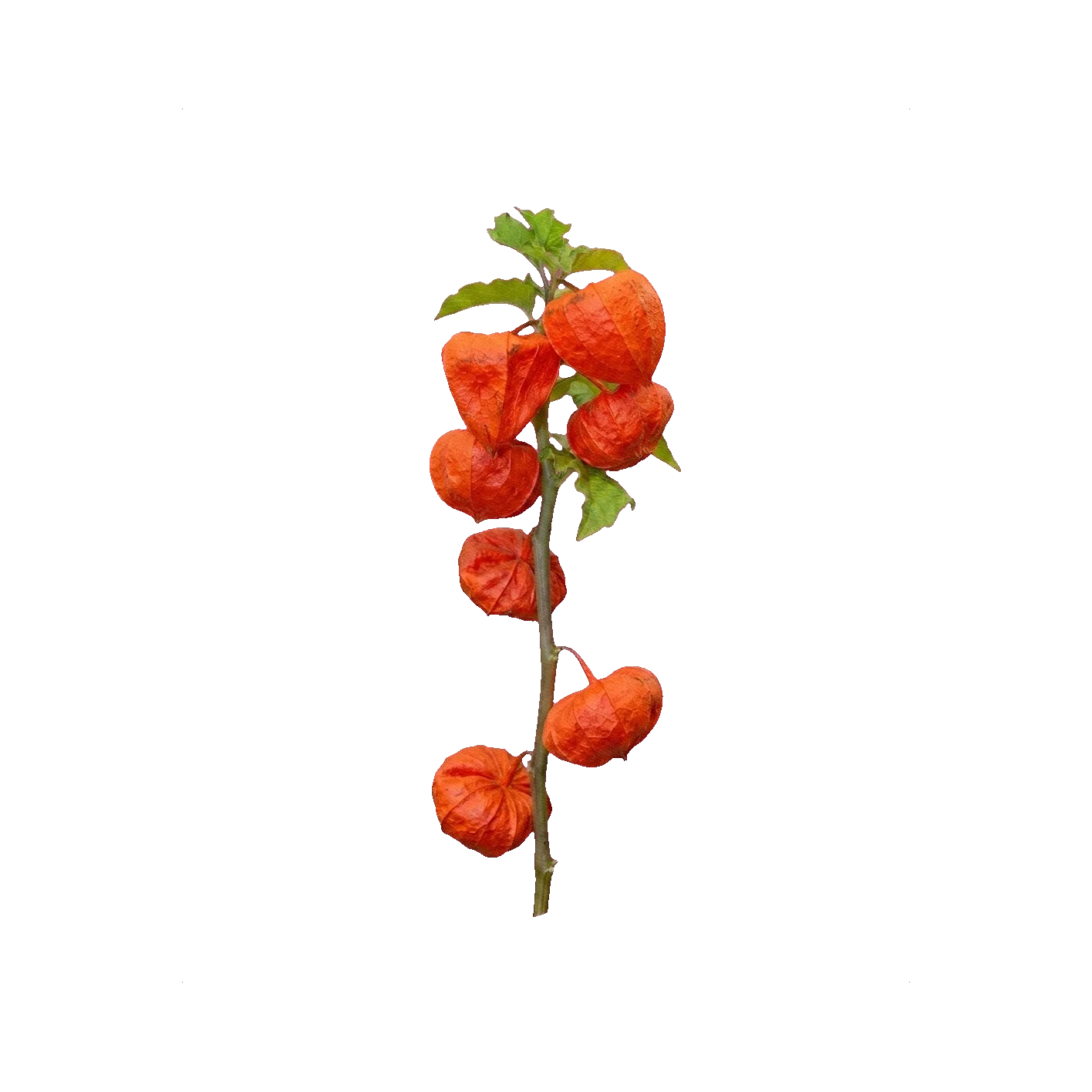
Chinese Lantern
Physalis alkekengi
Physalis, better known as Chinese lantern, produces rows of inflated papery husks that ripen to a glowing pumpkin-orange in autumn. Each lantern encloses a small round fruit, and it is the vivid, translucent casings that make the stems so distinctive. Florists love them for their warm colour and lantern-like shape in seasonal, rustic and Halloween-toned designs. They dry beautifully with no loss of colour, making them a favourite for lasting autumn and winter arrangements.
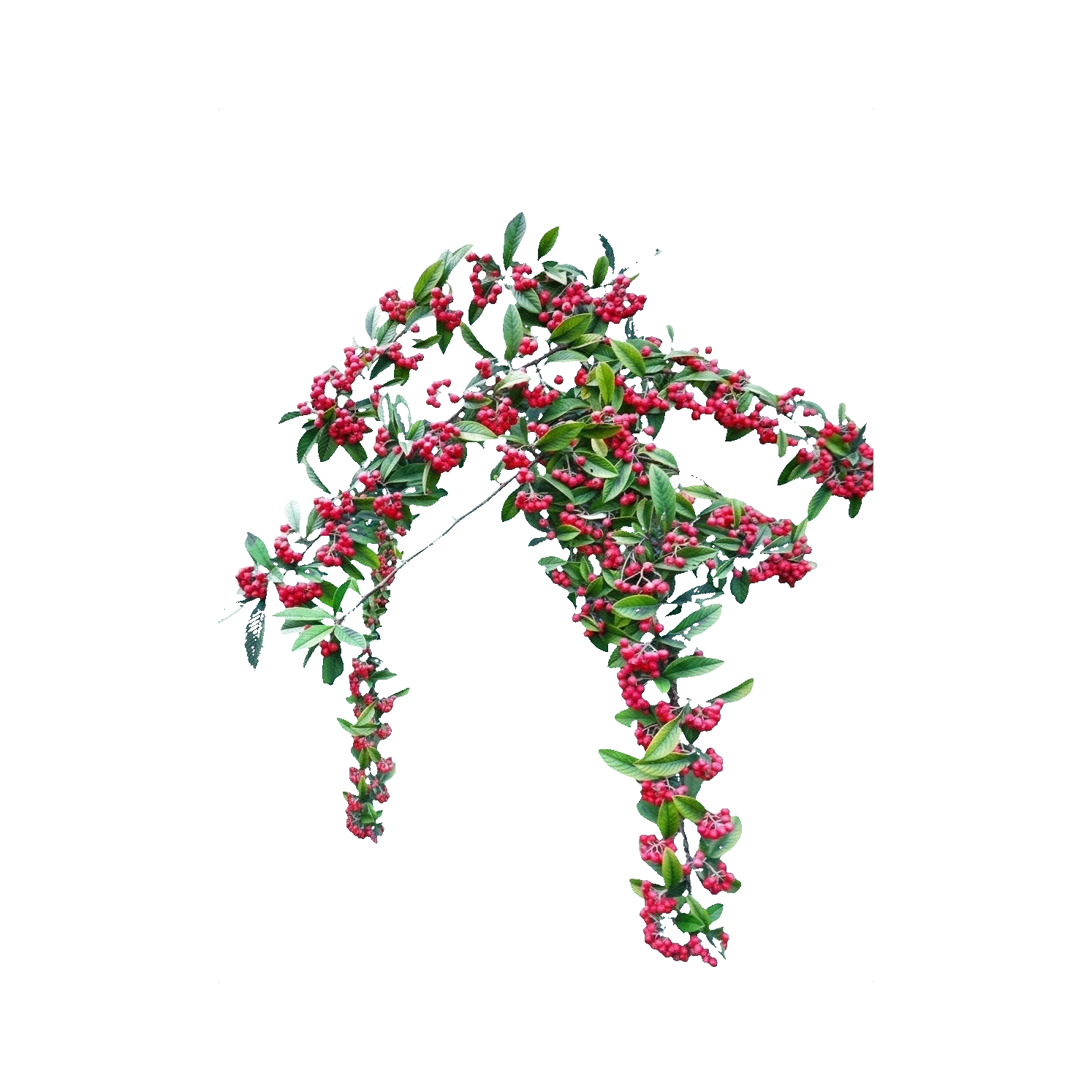
Cotoneaster
Cotoneaster horizontalis
Cotoneaster is a deciduous to semi-evergreen shrub whose arching, herringbone branches carry glossy leaves and clusters of bright red berries. Cut in autumn it brings warm seasonal colour and natural, wild movement to arrangements, wreaths and rustic table designs. As the leaves turn, the same branch offers russet foliage alongside its jewel-like fruit, giving florists two textures on one stem. It is an inexpensive, hard-wearing choice for autumn and festive work.
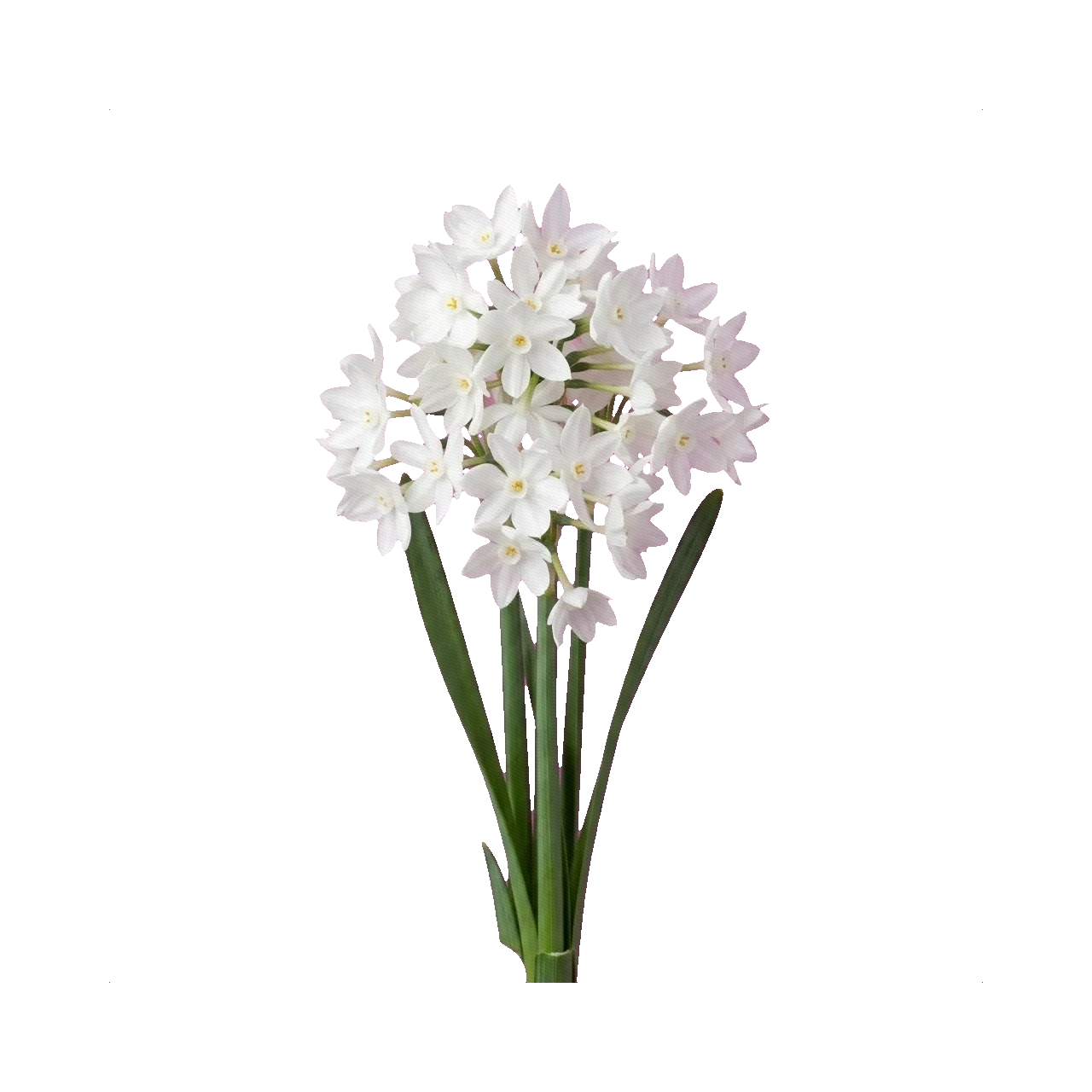
Daffodil
Narcissus
The daffodil is the first widely-recognised flower of spring — a fresh, uncomplicated shape carrying powerful cultural associations across Europe (Wales' national flower, Easter and new beginnings). Critical warning: daffodils secrete a sap that poisons other flowers in shared water; always condition alone first, then combine without recutting.
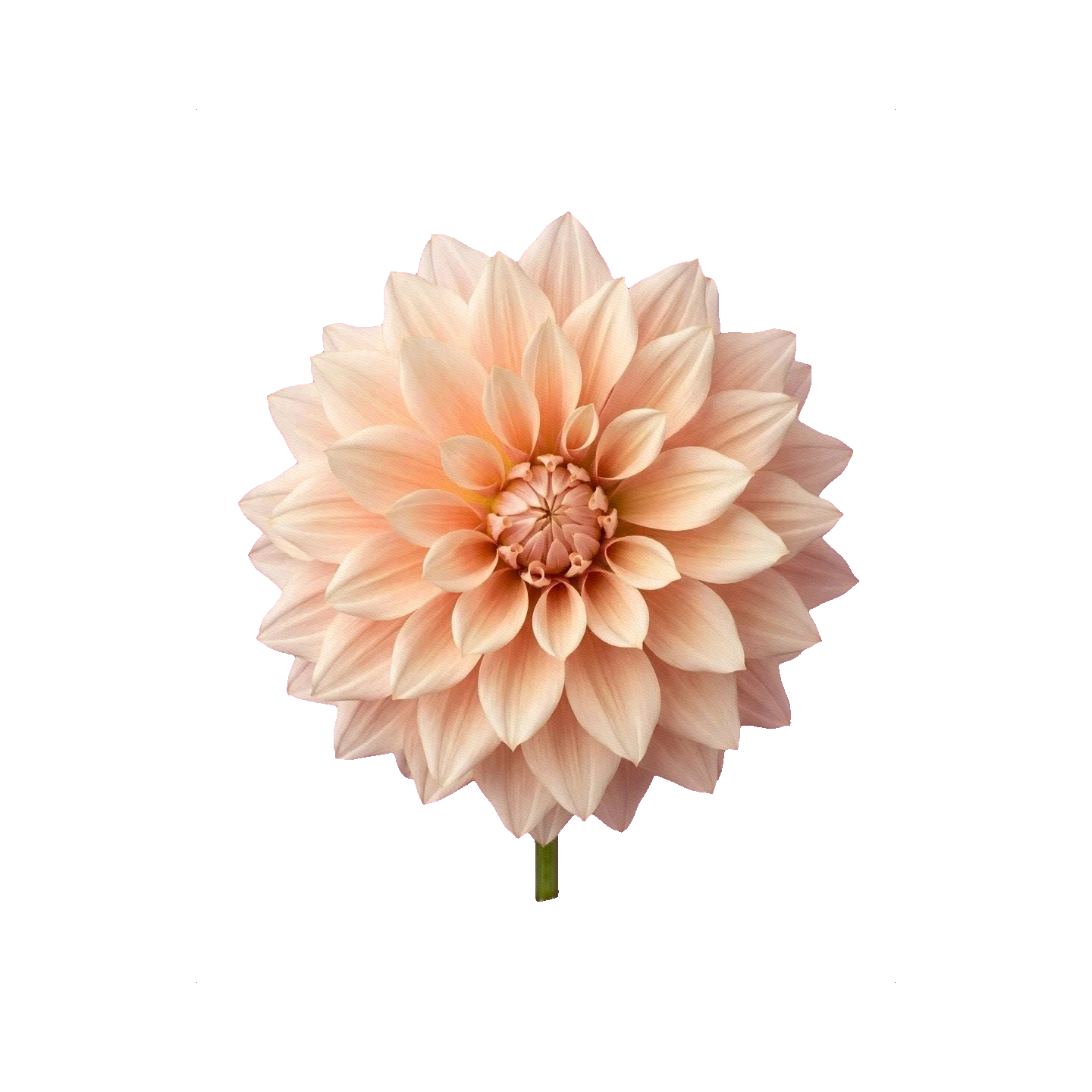
Dahlia
Dahlia
The dahlia is the flower of late summer and autumn — a season most wedding calendars underweight. From tight pom-poms (5 cm) to dinner-plate cultivars (25+ cm), dahlias cover the whole design spectrum. Café au Lait (dusty blush) is the most-requested wedding dahlia in the world. Because they are local and seasonal, dahlias reward direct-from-farm sourcing.
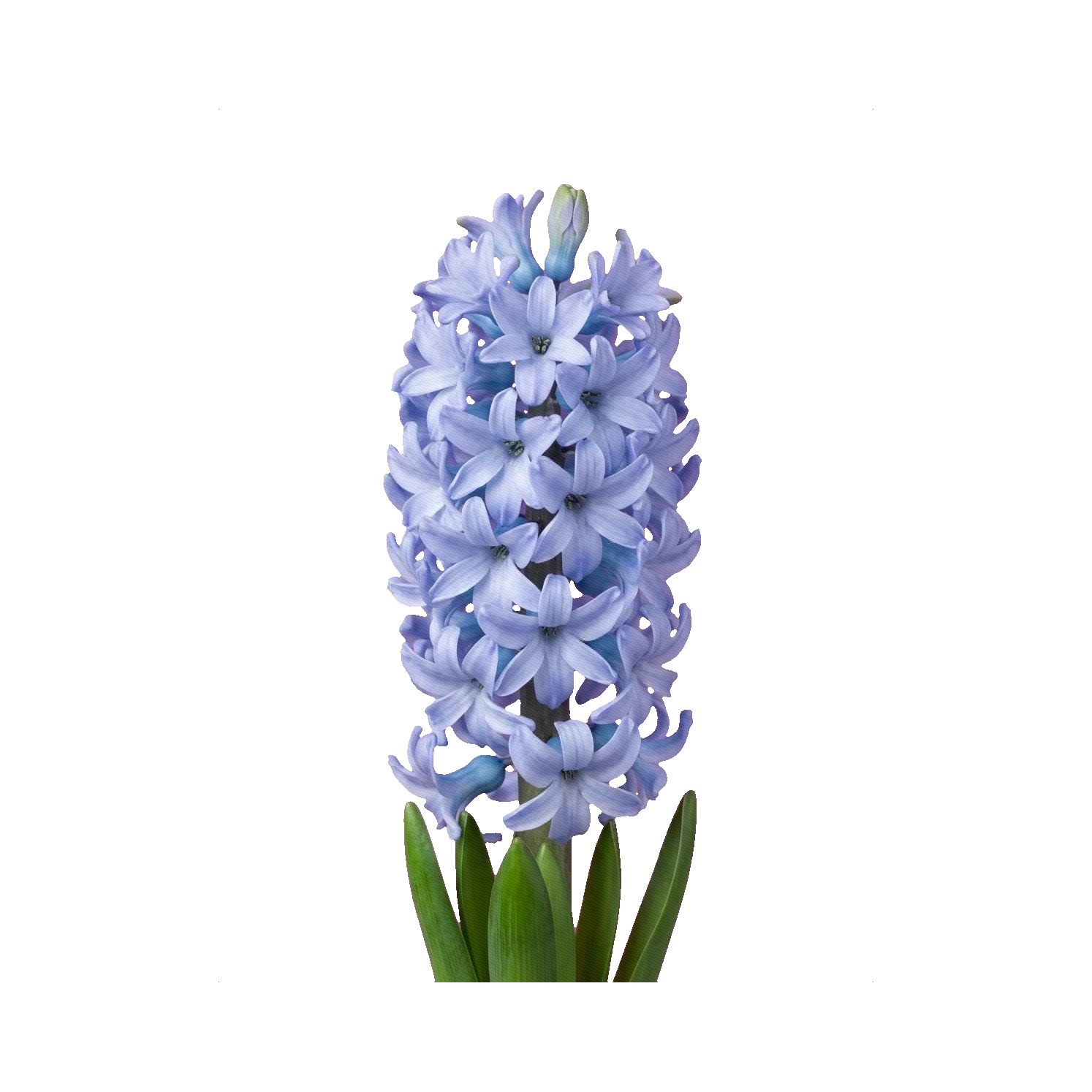
Hyacinth
Hyacinthus orientalis
The hyacinth is the fragrance flower of early spring — a densely packed spire of florets that perfumes a room within minutes. Grown almost exclusively in the Netherlands for the global cut trade. The stem-sap causes contact dermatitis in some people; wear gloves when conditioning.
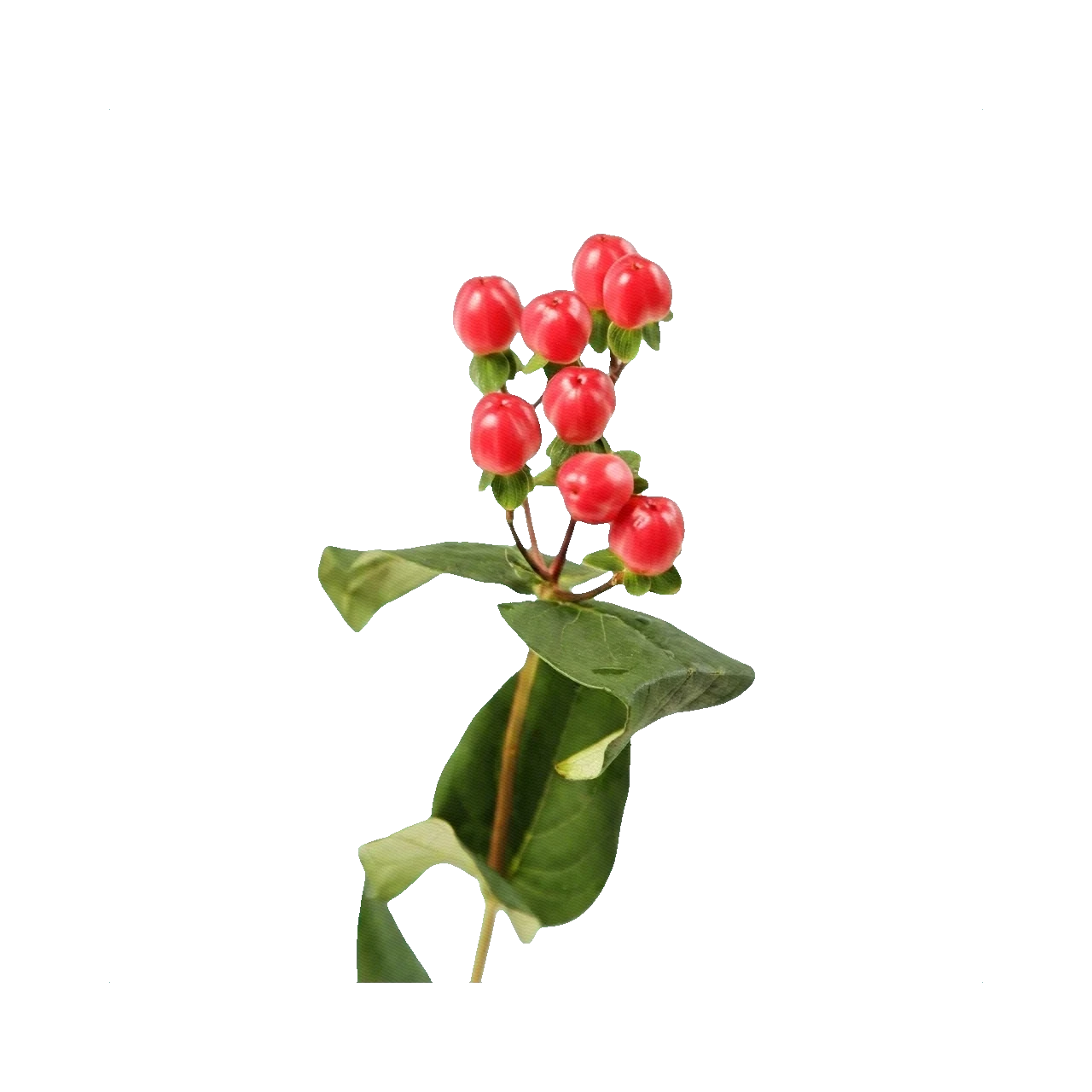
Hypericum Berry
Hypericum androsaemum
Hypericum, known for its glossy St John's wort berries, is a woody stem crowned with clusters of firm, jewel-like fruits in red, green, peach, cream and burgundy. Florists reach for it year-round as a long-lasting, textural filler that adds a pop of colour and a modern, structural note. The berries hold beautifully out of water for a short time, making them ideal for buttonholes, crowns and cascading designs. Sturdy and reliable, it is one of the hardest-working accents in the cooler.
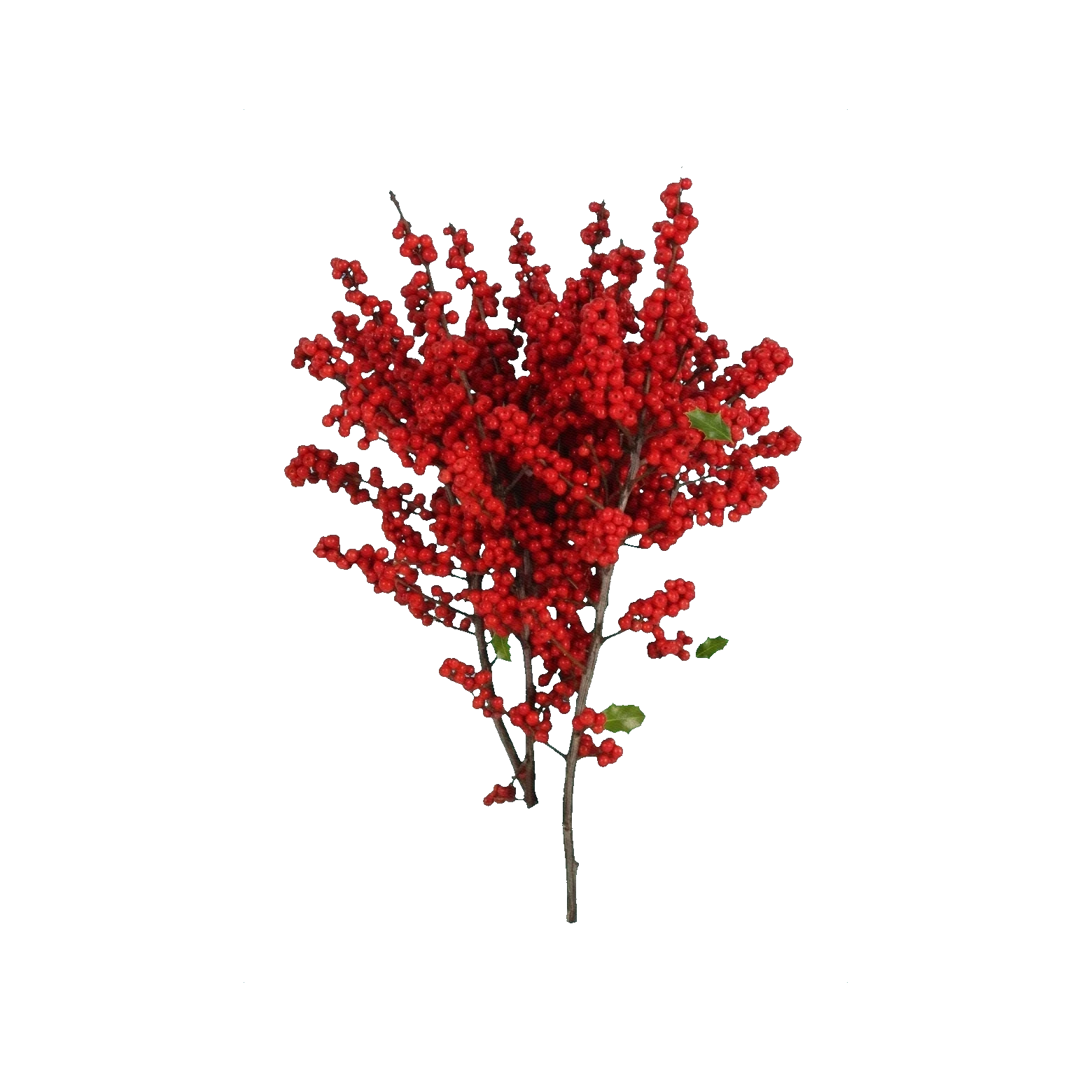
Ilex (winter berry)
Ilex verticillata
Ilex — the winterberry — is the definitive winter and holiday floral material. Dense red or golden berry clusters on bare branches provide graphic seasonal accent for wreaths, garlands, and installation work between November and February. Yellow-berry Ilex is prized by editorial designers for its rarer, more sculptural quality against the traditional red.
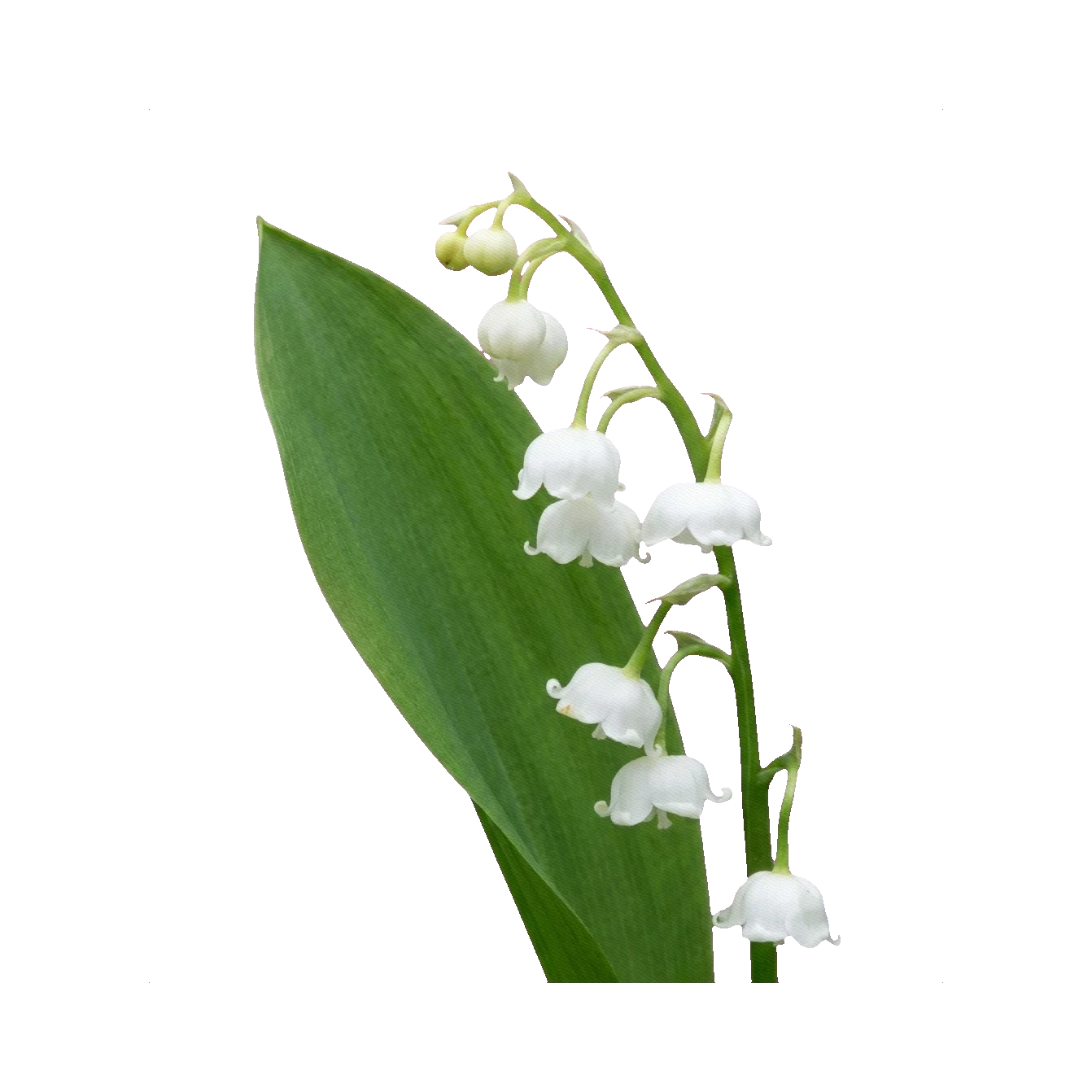
Lily of the valley
Convallaria majalis
Lily of the valley is the flower of royal weddings — famously in Kate Middleton's and Grace Kelly's bouquets — one of the most powerfully-fragrant and most expensive cut flowers per stem. Only 4-6 weeks of season, 3-5 day vase life once cut. In France, the May 1 tradition of gifting muguet creates a demand spike unmatched by any other single-day event.
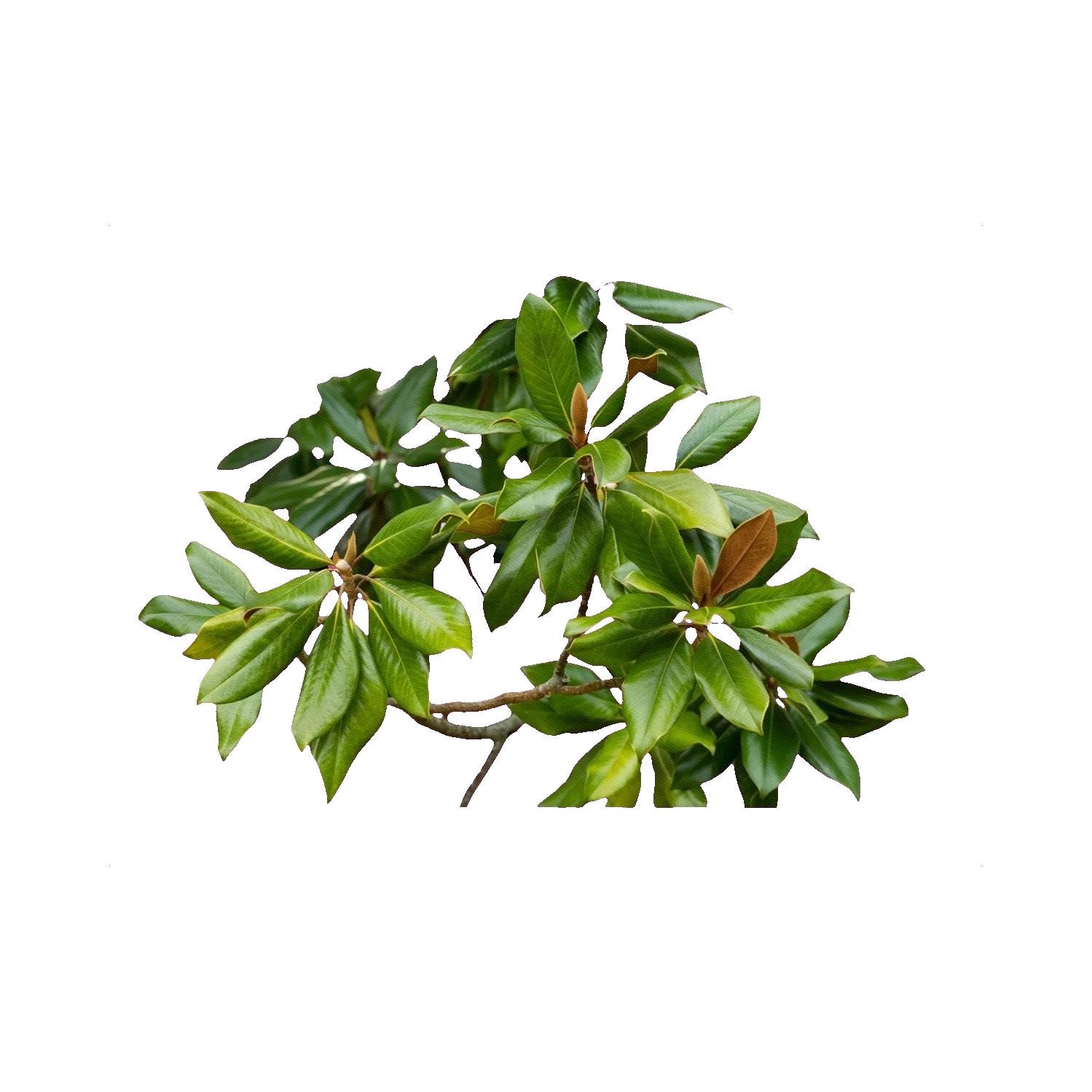
Magnolia Leaf
Magnolia grandiflora
Magnolia leaf (Magnolia grandiflora) is a bold, glossy evergreen foliage with large leathery leaves that are deep green above and a warm suede-brown beneath. Florists prize the two-tone effect, turning leaves to show the felted copper reverse in wreaths, garlands and grand arrangements. The stiff, architectural leaves are extremely long-lasting and dry without dropping, making them a Christmas and installation staple. Cut branches bring instant structure and a rich, Southern elegance.
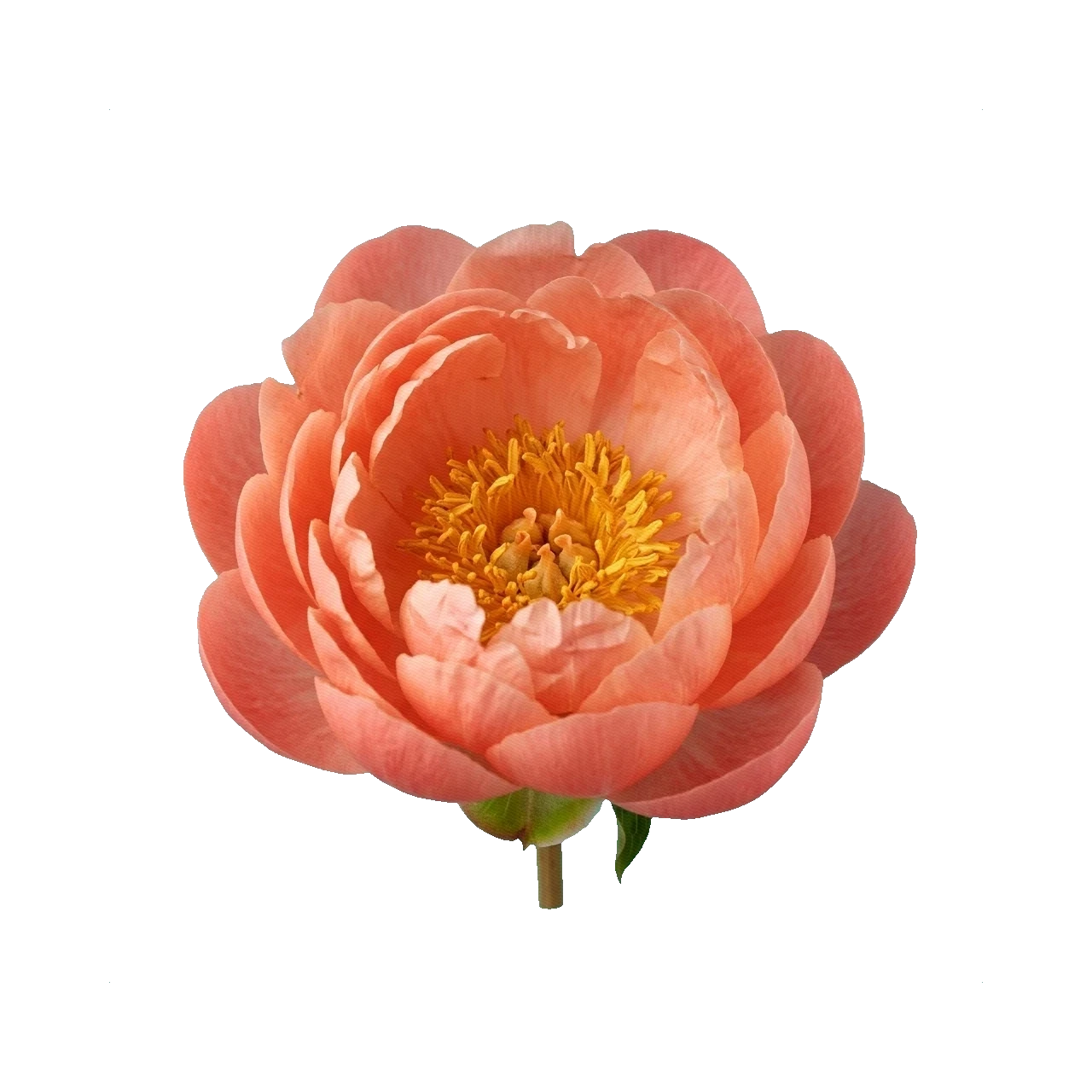
Peony
Paeonia
The peony is the queen of late-spring floral design. Its lush, densely-petaled head and short, dramatic season have made it the most-requested wedding flower in the northern hemisphere. Peonies open from marshmallow-firm buds to bowl-sized blooms over 24–72 hours, giving the arrangement a living quality that unfolds through the event. Commercial cultivars include Sarah Bernhardt (blush), Coral Charm (coral fading to peach), and Bowl of Cream (white). Off-season peonies are grown in Chile and New Zealand for northern winter supply, but at 3–4× the price.
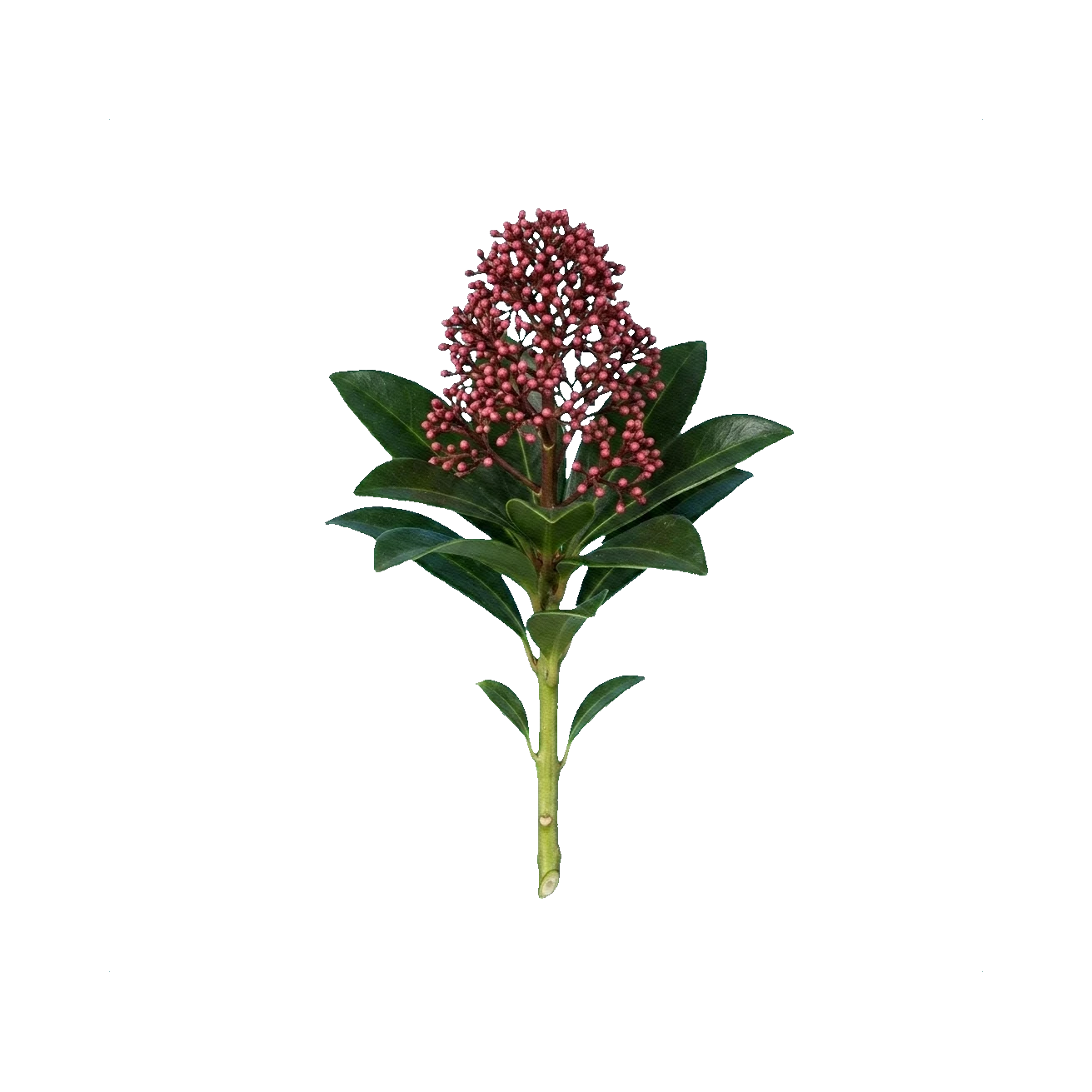
Skimmia
Skimmia japonica
Skimmia — the Japanese Rubella variety in particular — is a professional winter florist secret: clustered red or pink buds against glossy green leaves, holding for weeks in vase. Modern winter wedding designers combine it with white ranunculus, silver eucalyptus, and hellebore for a naturalistic Christmas-adjacent palette that avoids the traditional red-and-green cliche.
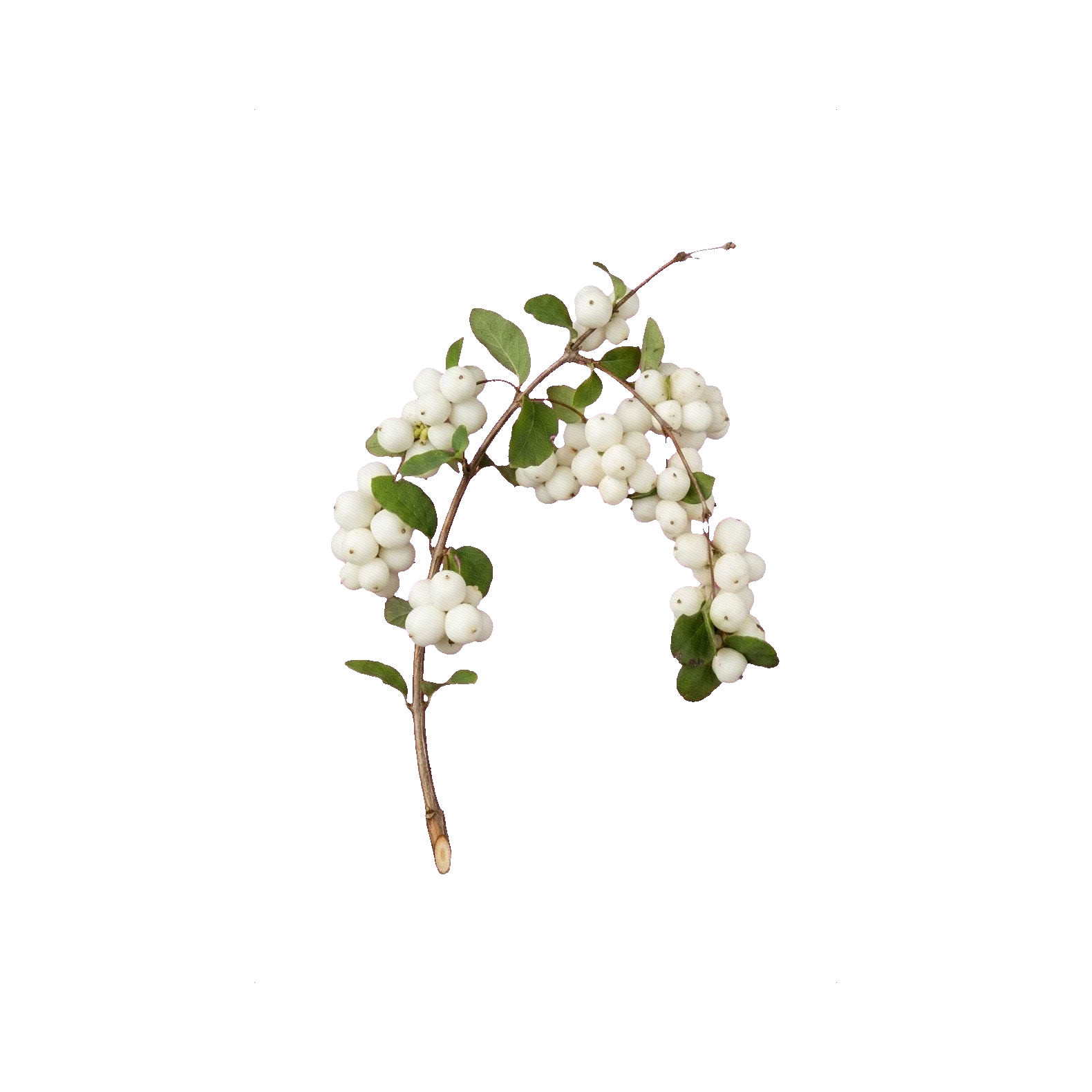
Snowberry
Symphoricarpos albus
Snowberry is a graceful, arching shrub stem hung with clusters of soft, marble-white (or blush-pink) berries. Florists use it as a delicate, romantic filler that brings a wintry, woodland softness to bouquets and installations. The pearly berries dangle on slender branches, adding a gentle cascade and a touch of whimsy. Best in autumn and winter, it pairs beautifully with foliage, roses and seasonal berries.
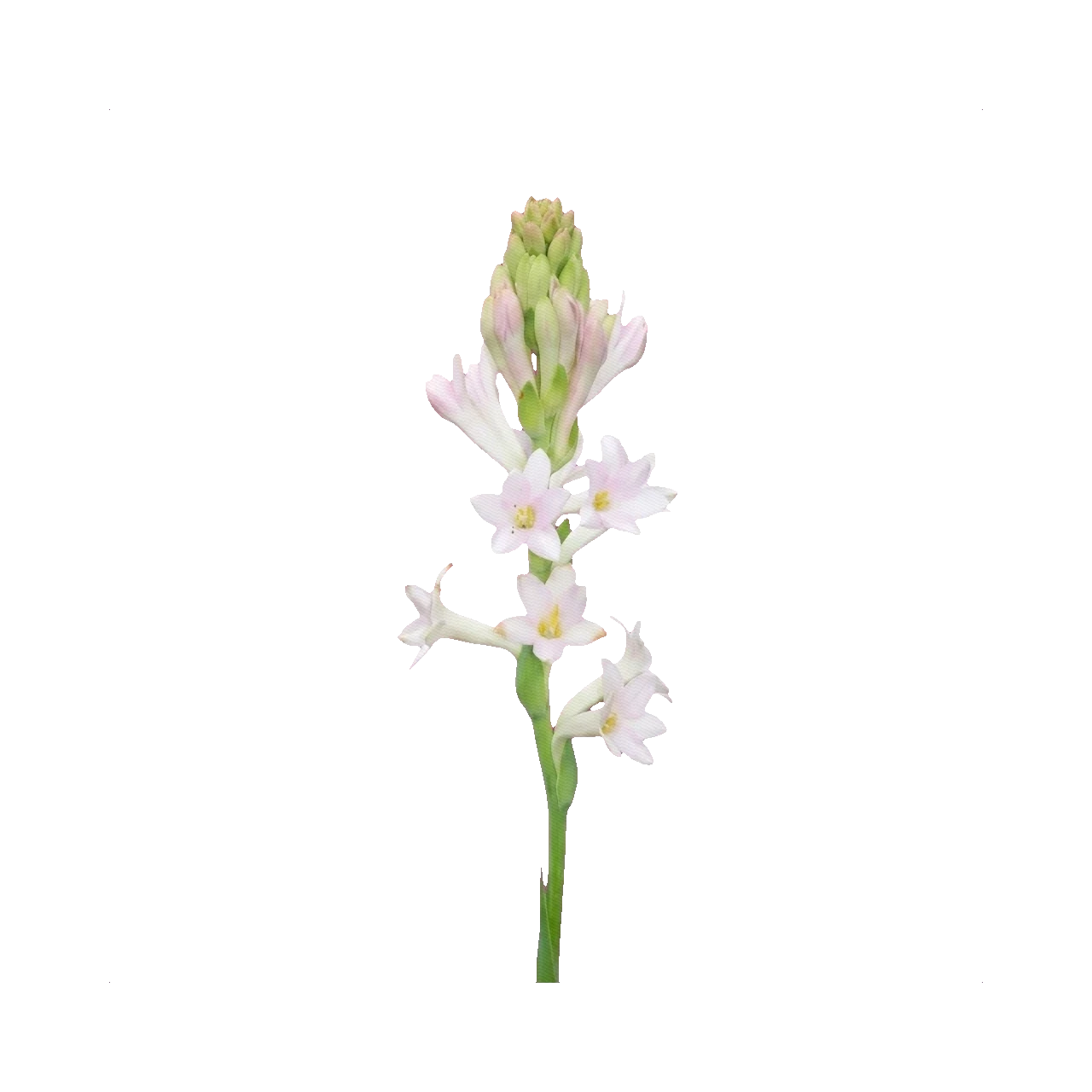
Tuberose
Polianthes tuberosa
Tuberose carries one of the most powerful fragrances in the flower world — a night-blooming, honey-jasmine scent that fills a room. Central to Indian wedding traditions (garlanded around the bride and groom); an editorial favourite in the West for evening events.
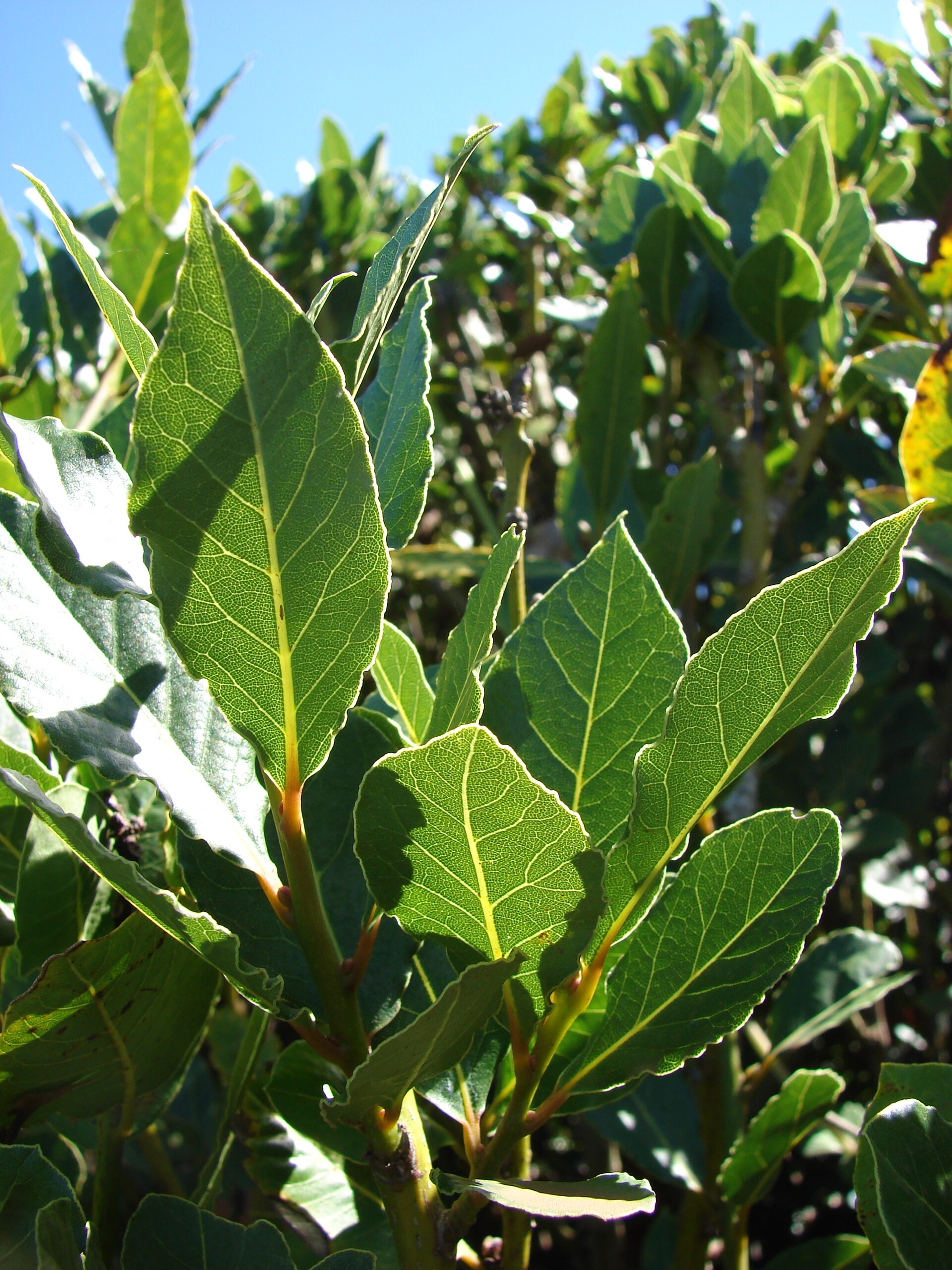
Bay Laurel
Laurus nobilis
Bay laurel (Laurus nobilis) is the aromatic evergreen of classical wreaths and Mediterranean cooking, valued by florists for its firm, glossy dark-green leaves and warm, spicy scent. The sturdy, upright stems make crisp foliage for garlands, wreaths and structured arrangements. Leaves are long-lasting and dry beautifully, holding shape and fragrance for months. Its rich history of honour and victory adds meaning to celebratory work.
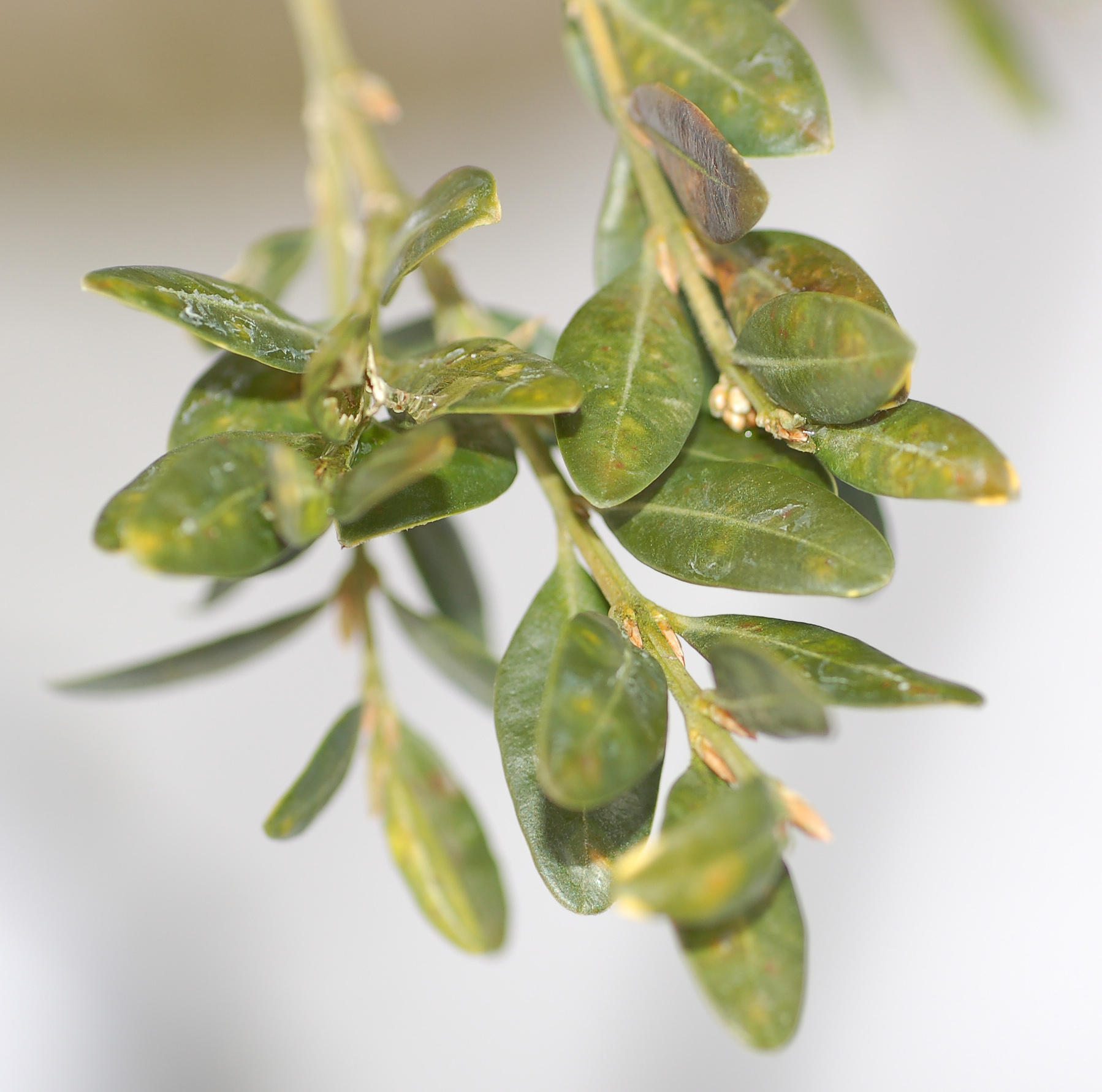
Boxwood
Buxus sempervirens
Boxwood is a fine-textured evergreen with small, dense, deep-green leaves along stiff woody stems. Long a mainstay of formal and holiday design, it forms lush topiary shapes, wreaths, garlands and compact greenery bases. Its tight foliage holds up remarkably well, even out of water, making it invaluable for installations and Christmas work. Florists love its classic, clipped, garden-hedge character.
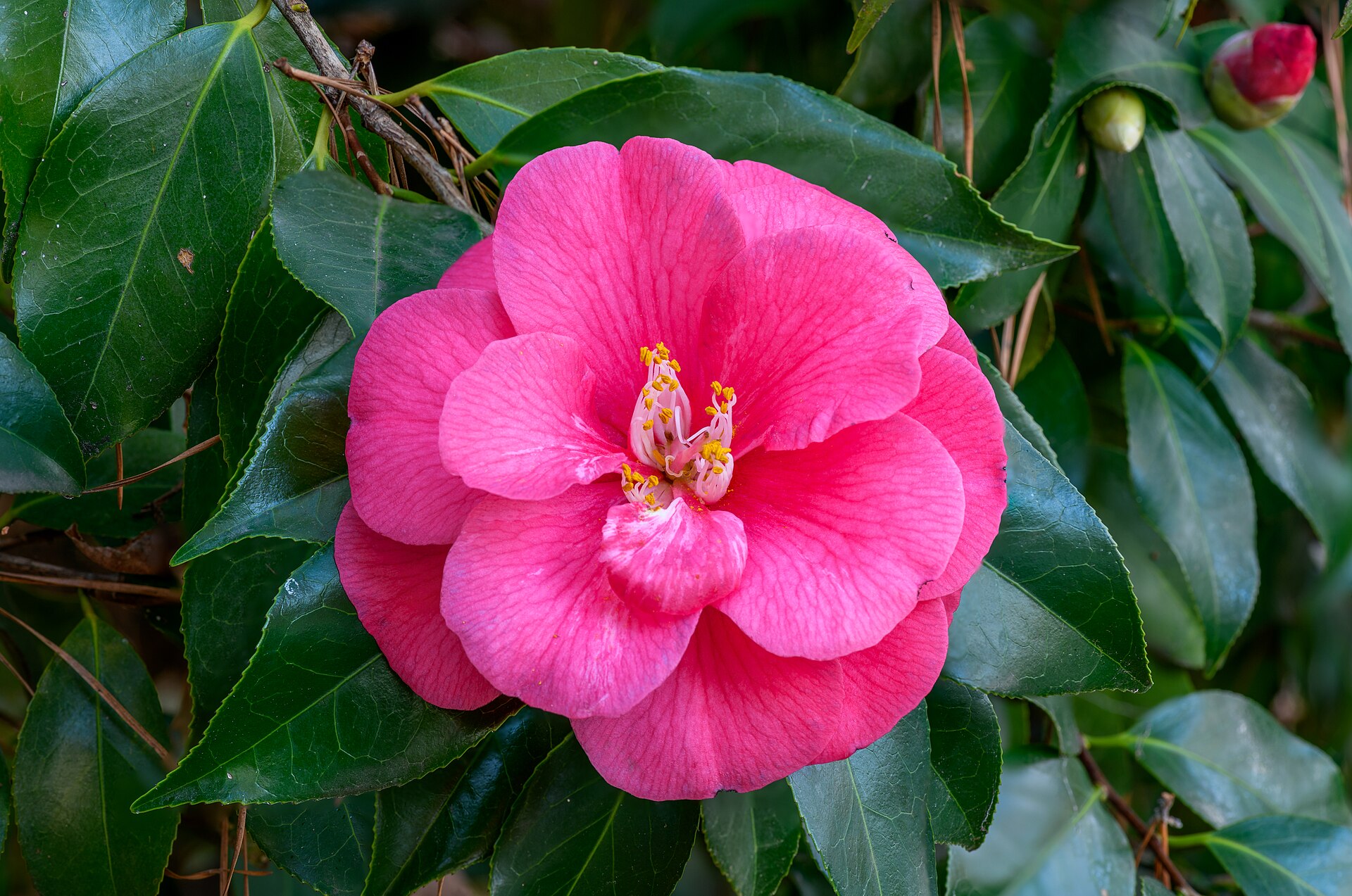
Camellia
Camellia japonica
Camellia is a broadleaf evergreen shrub whose rose-like blooms open in the cool months, earning it the nickname 'rose of winter'. Perfectly geometric rows of petals in white, blush, pink or red sit against thick, lacquered green leaves that are themselves prized as cut foliage. Florists turn to camellia for winter weddings and luxury arrangements when garden roses and peonies are out of season. The petals shatter if bumped, so it rewards gentle handling with unmatched cool-season elegance.
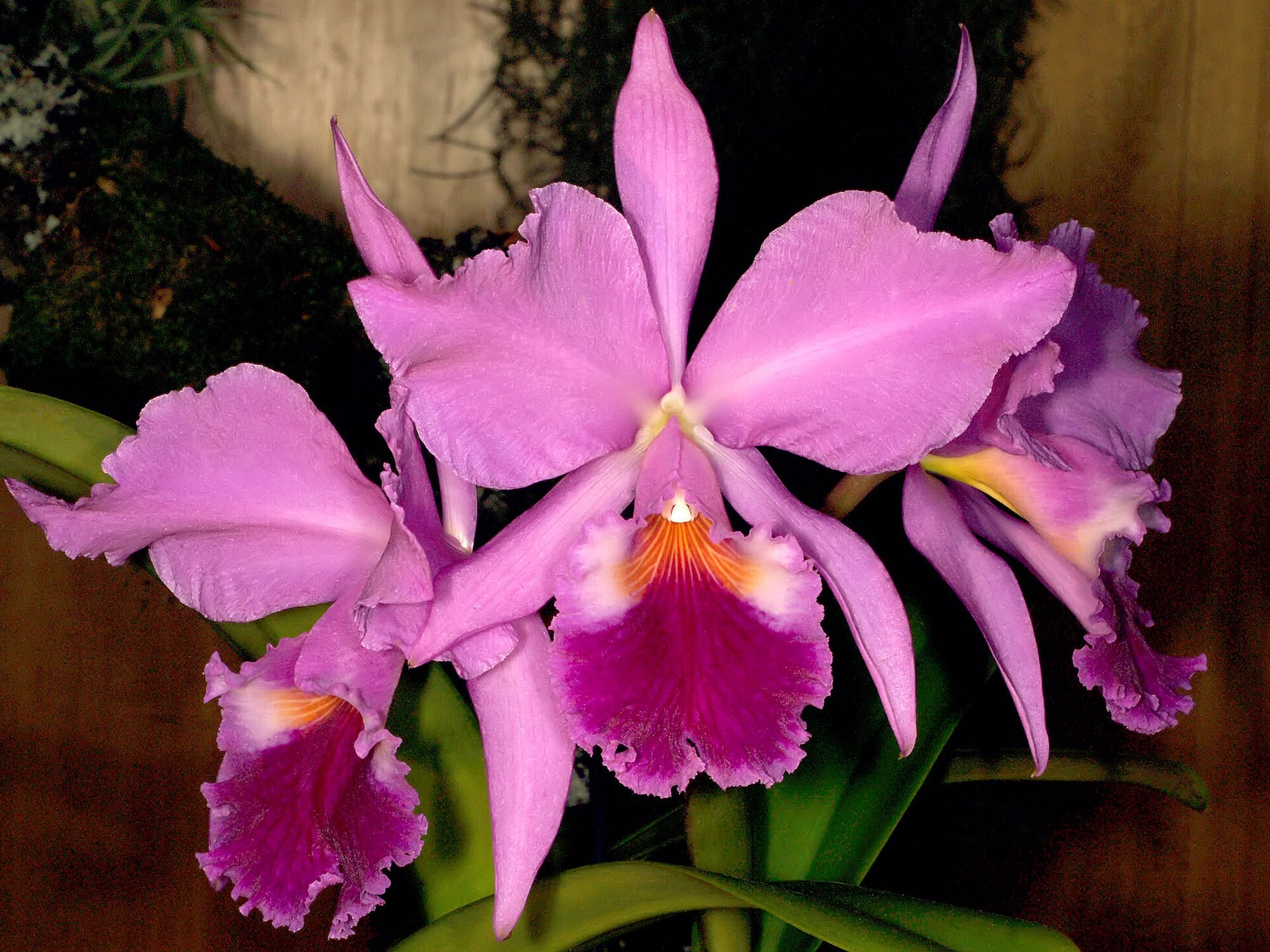
Cattleya Orchid
Cattleya
Cattleya is the classic 'corsage orchid' — large, ruffled and richly fragrant, with a flamboyant frilled lip that made it the emblem of old-fashioned glamour. Blooms come in lavender, white, pink, coral and yellow, often with a contrasting throat, and their heady perfume sets them apart from most orchids. More delicate and shorter-lived than dendrobium or vanda, cattleya is used where it can be shown off: corsages, boutonnieres and luxury focal work. It remains a traditional Mother's Day flower and a byword for refined, showy beauty.
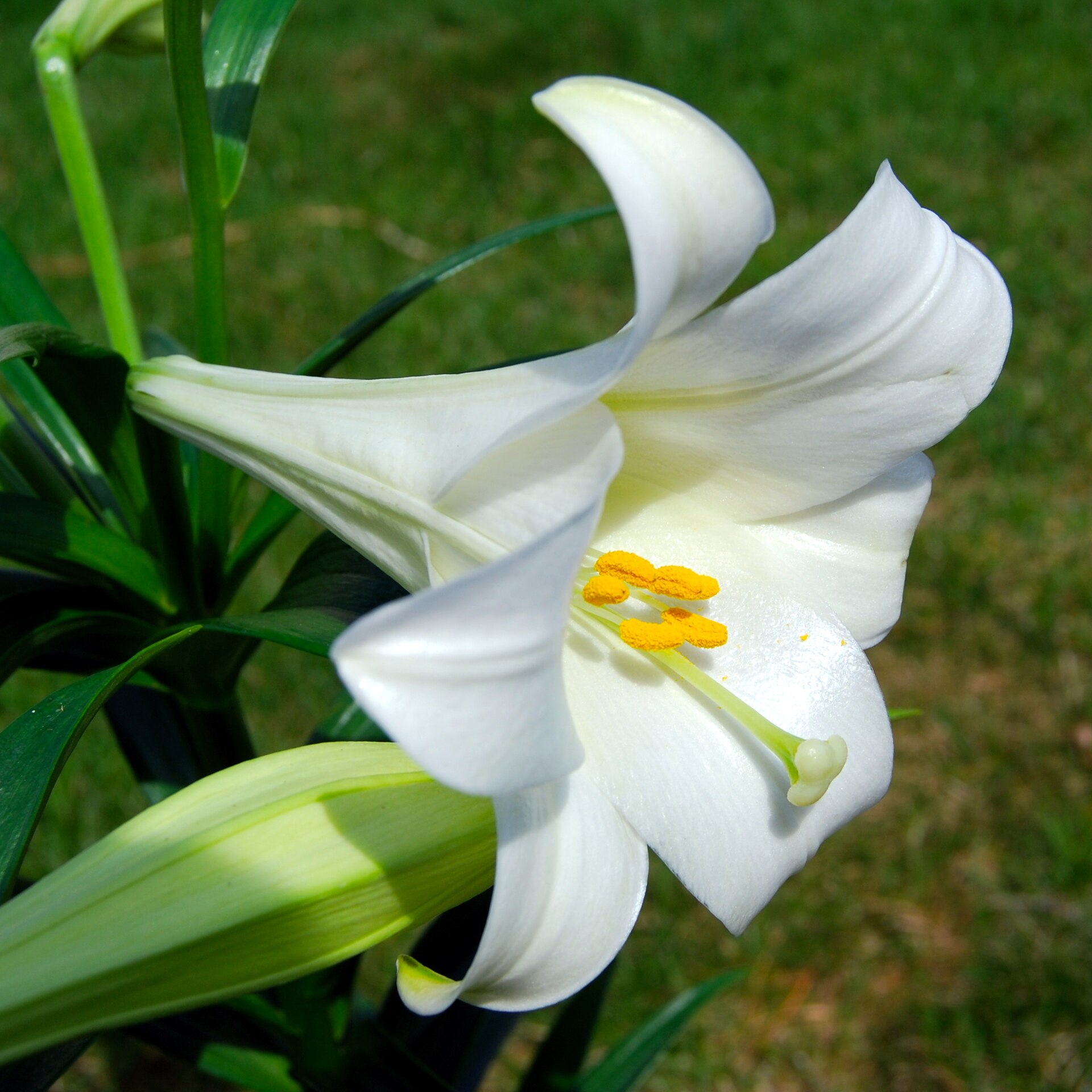
Easter Lily
Lilium longiflorum
The Easter lily is the classic pure-white trumpet lily, its long, elegant flowers carrying a sweet fragrance that defines spring church and ceremonial work. Native to the Ryukyu Islands of Japan and forced heavily for the Easter market, it brings a serene, formal note to weddings and sympathy tributes alike. Florists value its statuesque stems and crisp white trumpets, though the potent pollen must be managed. Its symbolism of purity and rebirth makes it a mainstay of spring celebrations and memorial arrangements.
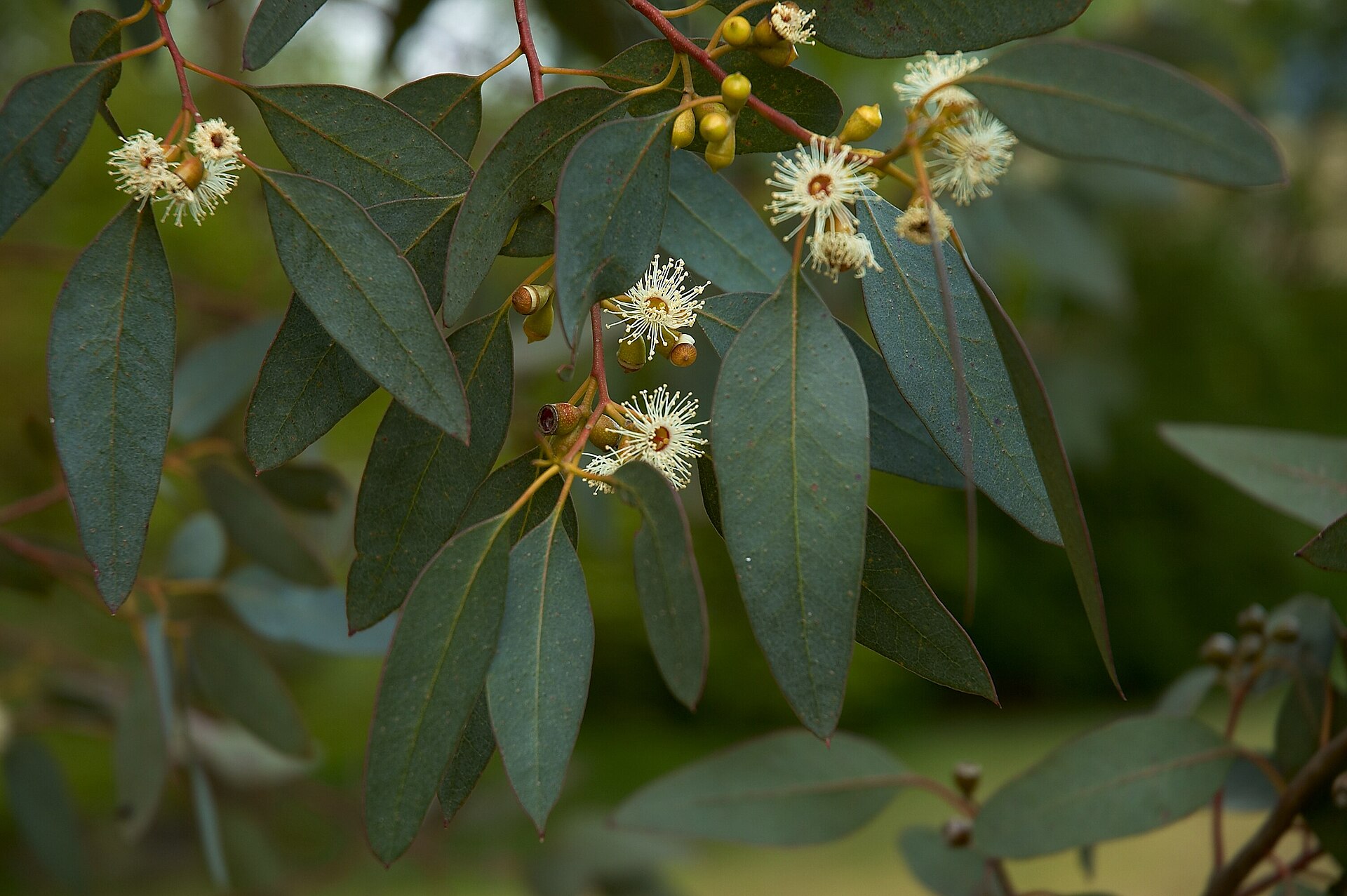
Eucalyptus Gunnii
Eucalyptus gunnii
Eucalyptus gunnii, the cider gum, carries small rounded blue-green leaves along feathery, flexible sprays. It is one of the most useful florist greeneries, adding airy volume and a fresh, resinous scent to bouquets, garlands and arrangements. The stems are inexpensive, long-lasting and dry well, making gunnii a year-round workhorse. Its soft, trailing habit suits everything from bridal bouquets to large installations.
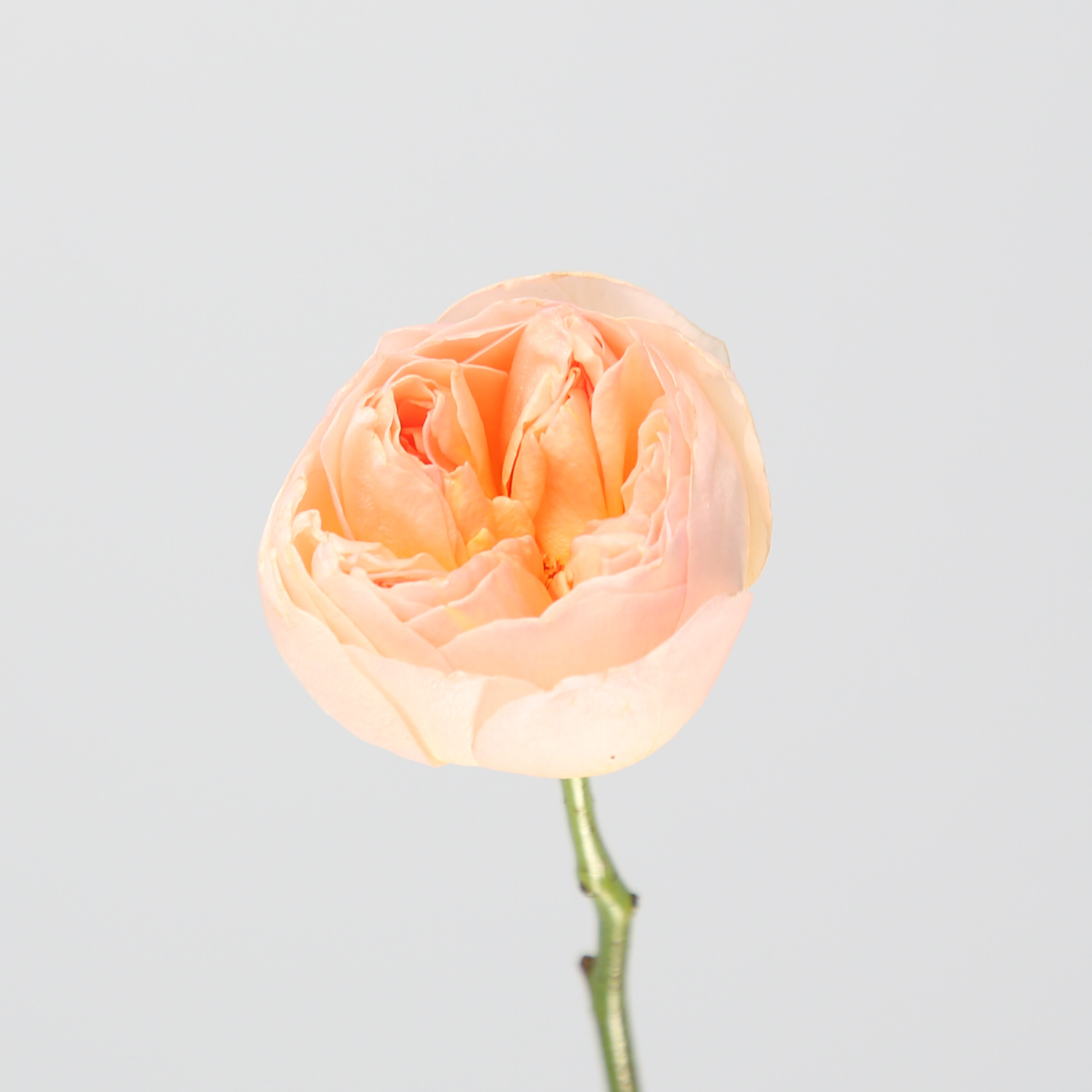
Garden rose
Rosa (David Austin & similar)
Garden roses combine the fullness of old European varieties (60–120 petals) with the disease resistance and vase life of modern cut roses. David Austin's cut collection dominates the wedding market: Juliet (peach), Keira (blush), Patience (cream). Compared to standard commercial roses, garden roses have a larger, cupped head, subtle fragrance, and a shorter vase life. In a bouquet they play the role of the focal centre — the flower the eye lands on first.
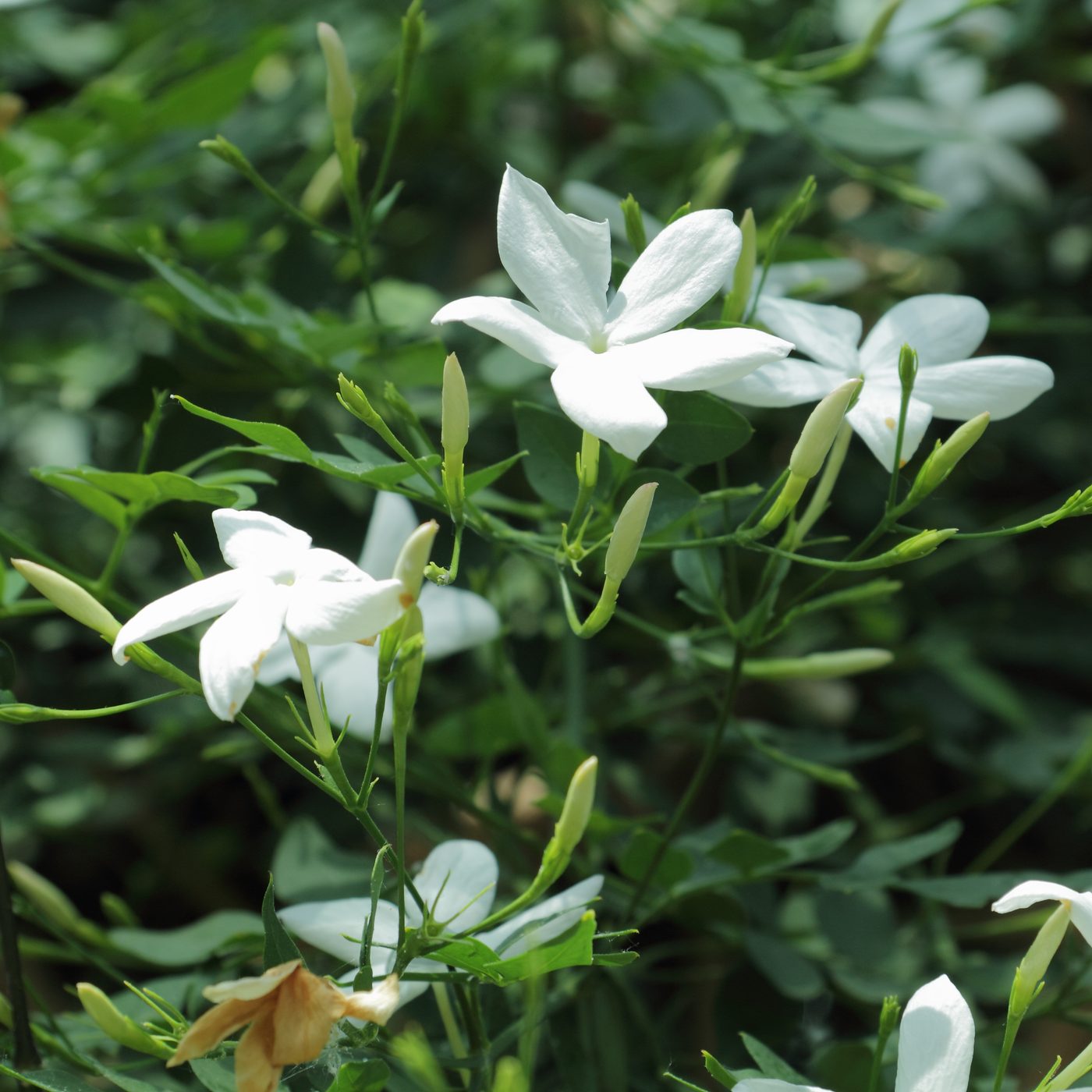
Jasmine
Jasminum
Jasmine's fragrance is one of the most powerful in the flower world — a single sprig can perfume a room. Vining stems are used extensively in Indian and Arabic bridal traditions, threaded into hair and worn around wrists. Short vase life (3–5 days) makes it strictly an event-day flower; plan accordingly.
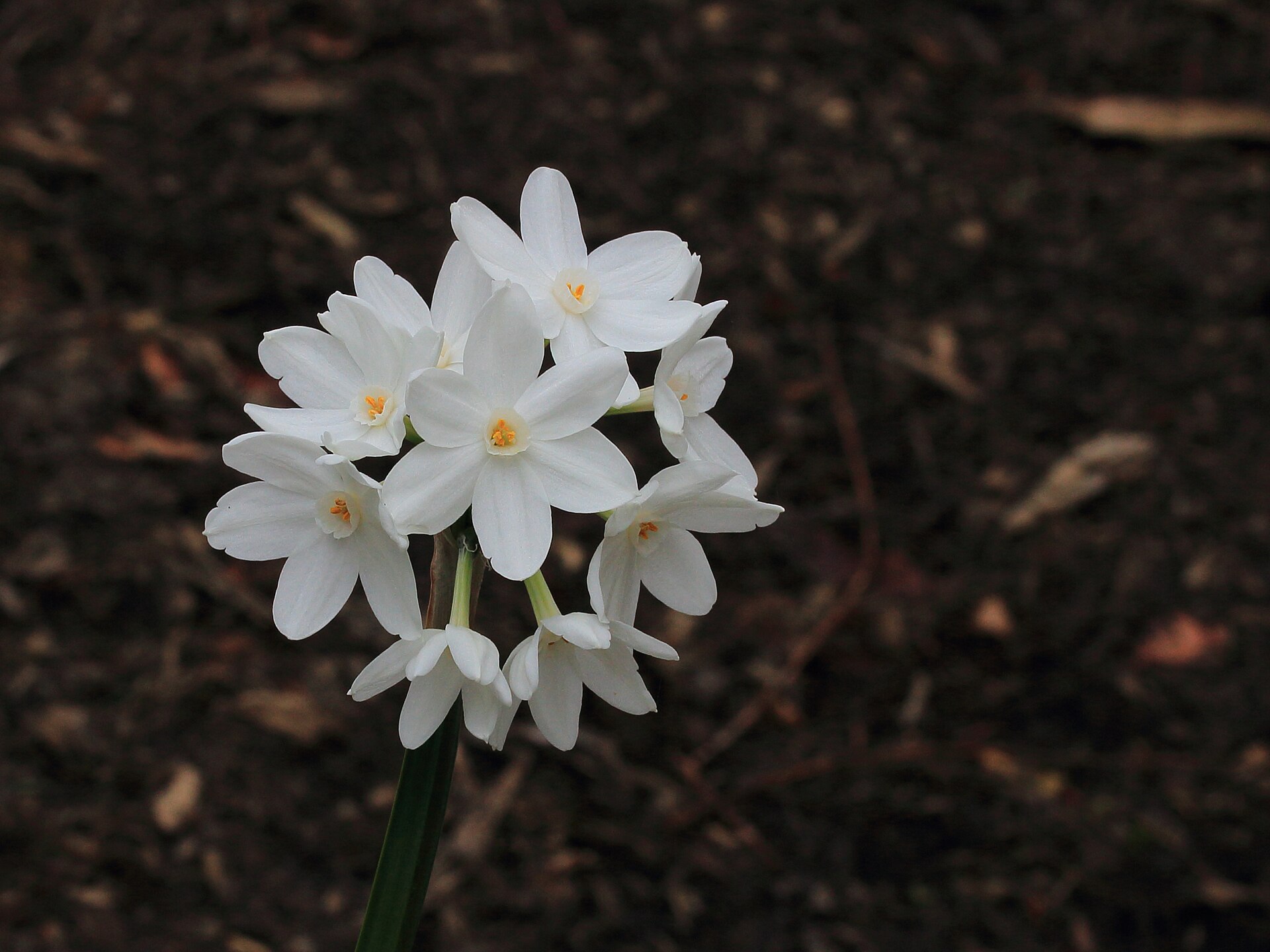
Paperwhite
Narcissus papyraceus
Paperwhites are clustered narcissus bearing multiple small, snow-white, cup-and-star flowers on each slender stem, prized for their heady, sweet fragrance. Blooming in the depths of winter and forced through the holiday season, they bring an early promise of spring to seasonal designs. Florists use them for scent and delicate white detail, mindful that their perfume is powerful and their narcissus sap needs separate conditioning. Fresh, fragrant and luminously white, they are a festive-into-spring favourite.
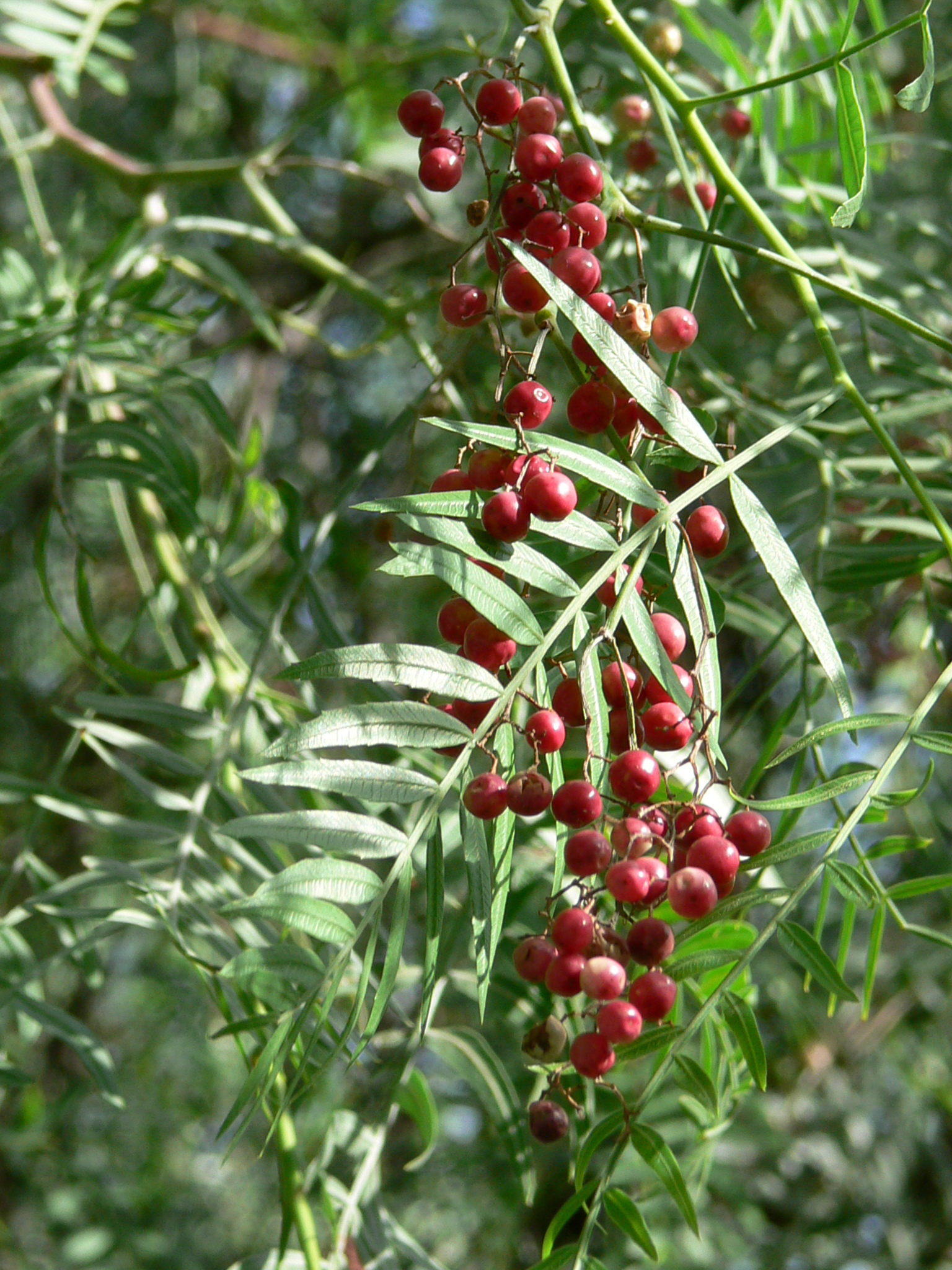
Pink Pepperberry
Schinus molle
Pink pepperberry comes from the Peruvian pepper tree, whose fine weeping branches carry cascades of tiny rose-blushed berries. The delicate, softly drooping clusters bring a romantic, feminine texture that reads especially well in winter and festive palettes. Florists use it as an airy filler and trailing accent in bouquets, boho designs and Christmas work, where its blush tones warm cooler schemes. Pretty but fragile, the little berries need gentle handling, and they dry gracefully for lasting arrangements.
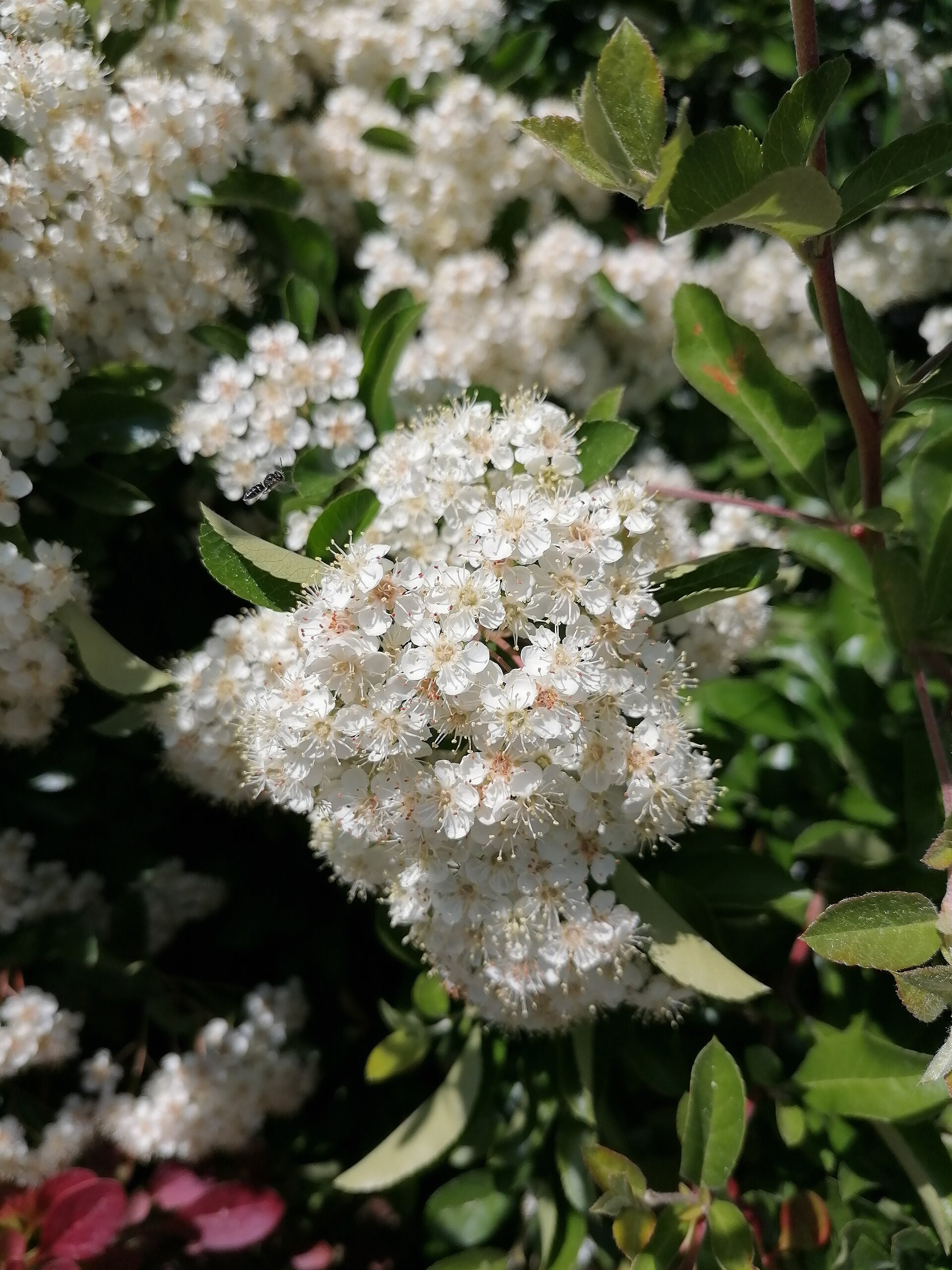
Pyracantha
Pyracantha coccinea
Pyracantha, or firethorn, is a thorny evergreen branch smothered in dense clusters of small, firm berries in fiery orange, scarlet or amber. Long-lasting and richly coloured, it brings a blaze of autumn and Christmas warmth to wreaths, garlands and seasonal arrangements. Florists value how tightly the berries cling to the stem, giving reliable colour that outlasts most cut fruit. The vicious thorns demand gloves, but the payoff is bold, weatherproof texture for holiday work.
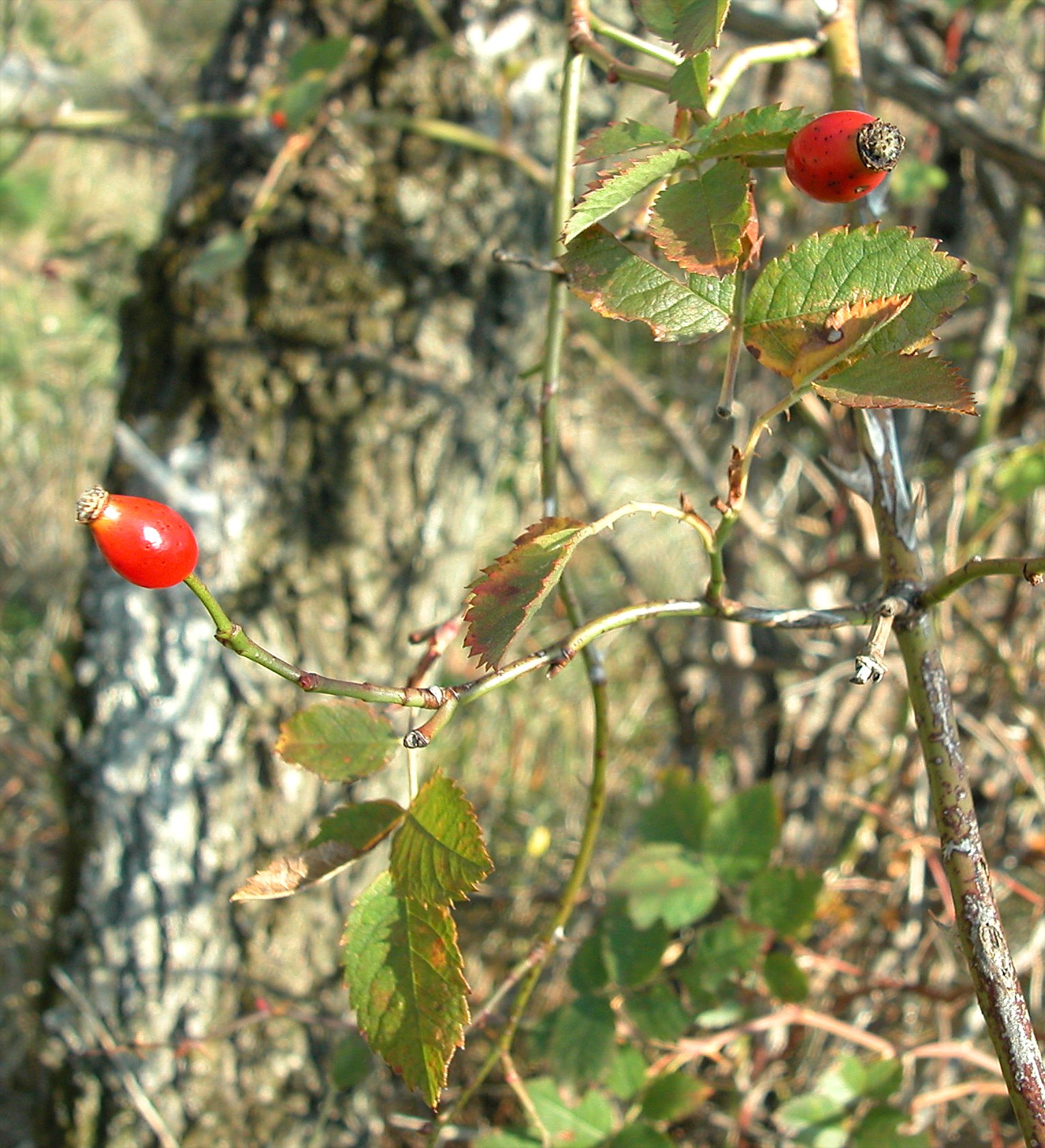
Rosehip
Rosa canina
Rosehip is the ripened fruit of the wild dog rose, valued by florists for the glossy scarlet berries that follow the summer bloom. Borne in loose clusters along arching, sometimes thorny stems, the hips bring an unmistakably seasonal, foraged feel to autumn work. They mix beautifully into rustic bouquets, garlands and harvest-table designs, adding warm colour and a natural, hedgerow texture. Long-lasting and inexpensive, rosehip is a florist staple from late summer through the festive season.
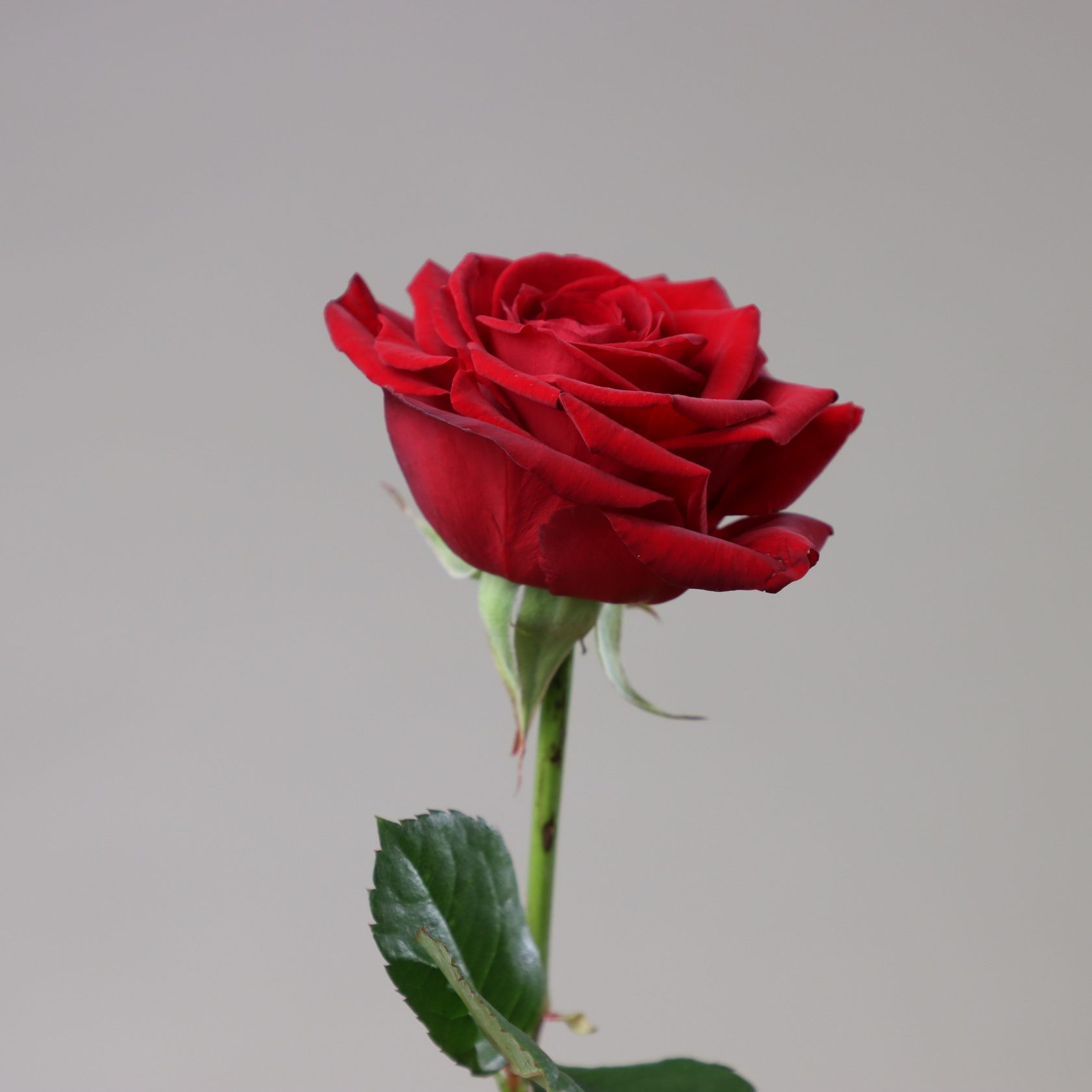
Standard rose
Rosa hybrida
The everyday workhorse of the floral industry. Long, straight stems, tight buds that open slowly, and predictable vase life. Ecuadorian roses are the premium standard for stem length (up to 90 cm) and head size; Kenyan and Ethiopian roses dominate the mid-market. Popular commercial cultivars include Freedom (red), Playa Blanca (white), Vendela (cream), Explorer (hot pink).
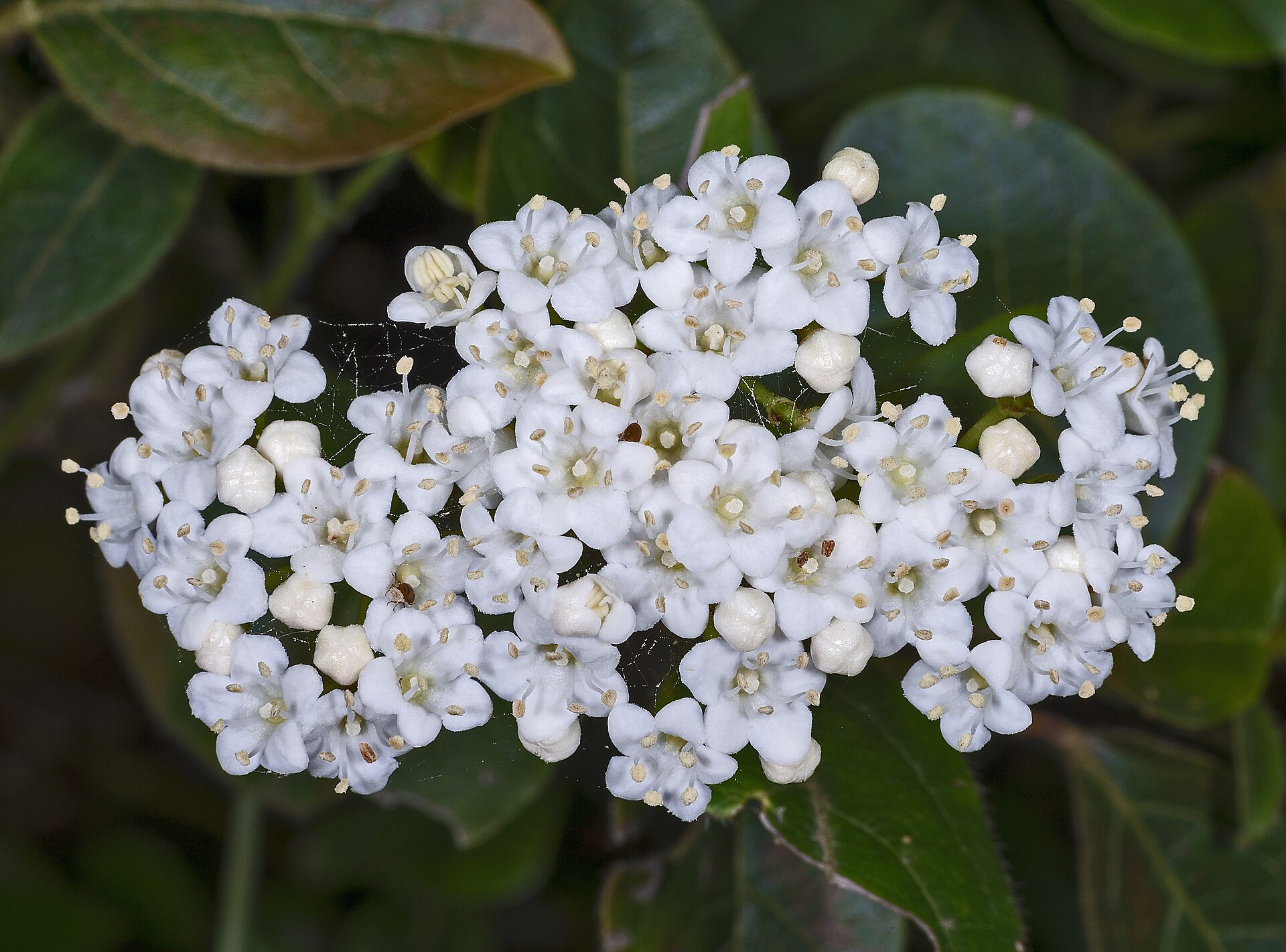
Viburnum Tinus
Viburnum tinus
Viburnum tinus, or laurustinus, is the winter-berrying viburnum, carrying tight clusters of extraordinary metallic blue-black berries against dark evergreen leaves. Where the flowering viburnum belongs to spring, this is its cool-season counterpart, offering one of the very few naturally blue-toned fruits in the florist's palette. That rare iridescent colour makes it a quiet luxury in winter and editorial designs. Hardy and easy to condition, it delivers rich, jewel-like texture through the coldest months.