Corporate flowers
38 flowers our studio reaches for in corporate work — filtered from the Lacy Bird catalog by role, season and colour. Open any flower for its full data card.
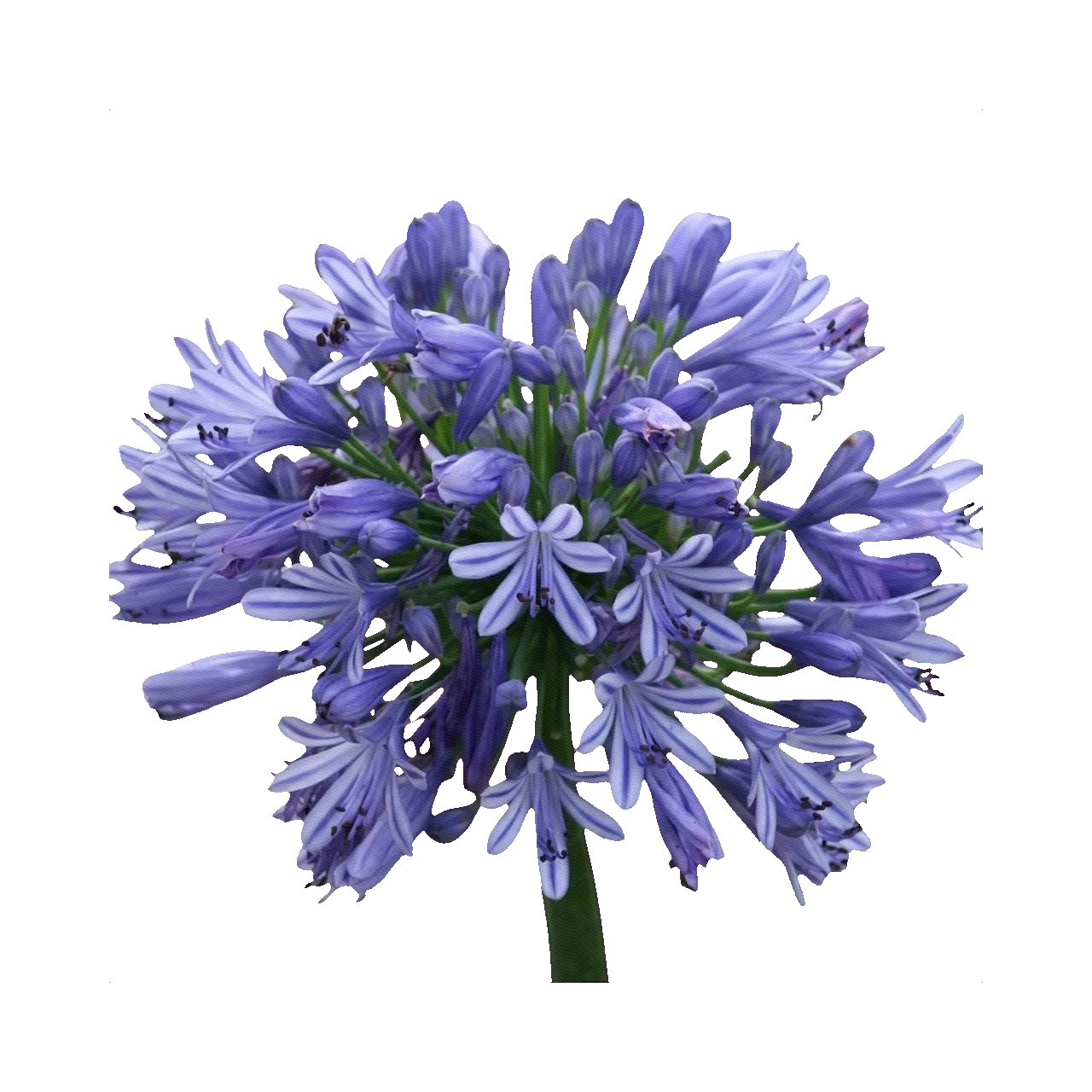
Agapanthus
Agapanthus africanus
Agapanthus lifts a bold, spherical head of blue or white trumpet florets on a tall, clean stem, giving arrangements instant height and a cool, contemporary silhouette. Native to South Africa and beloved in summer gardens, it reads as both architectural and airy, perfect for large-scale and pedestal designs. Florists use it for its striking scale and its rare, true-blue tones, which are hard to find in cut flowers. It shines in modern summer weddings, tall arrangements and statement corporate work.
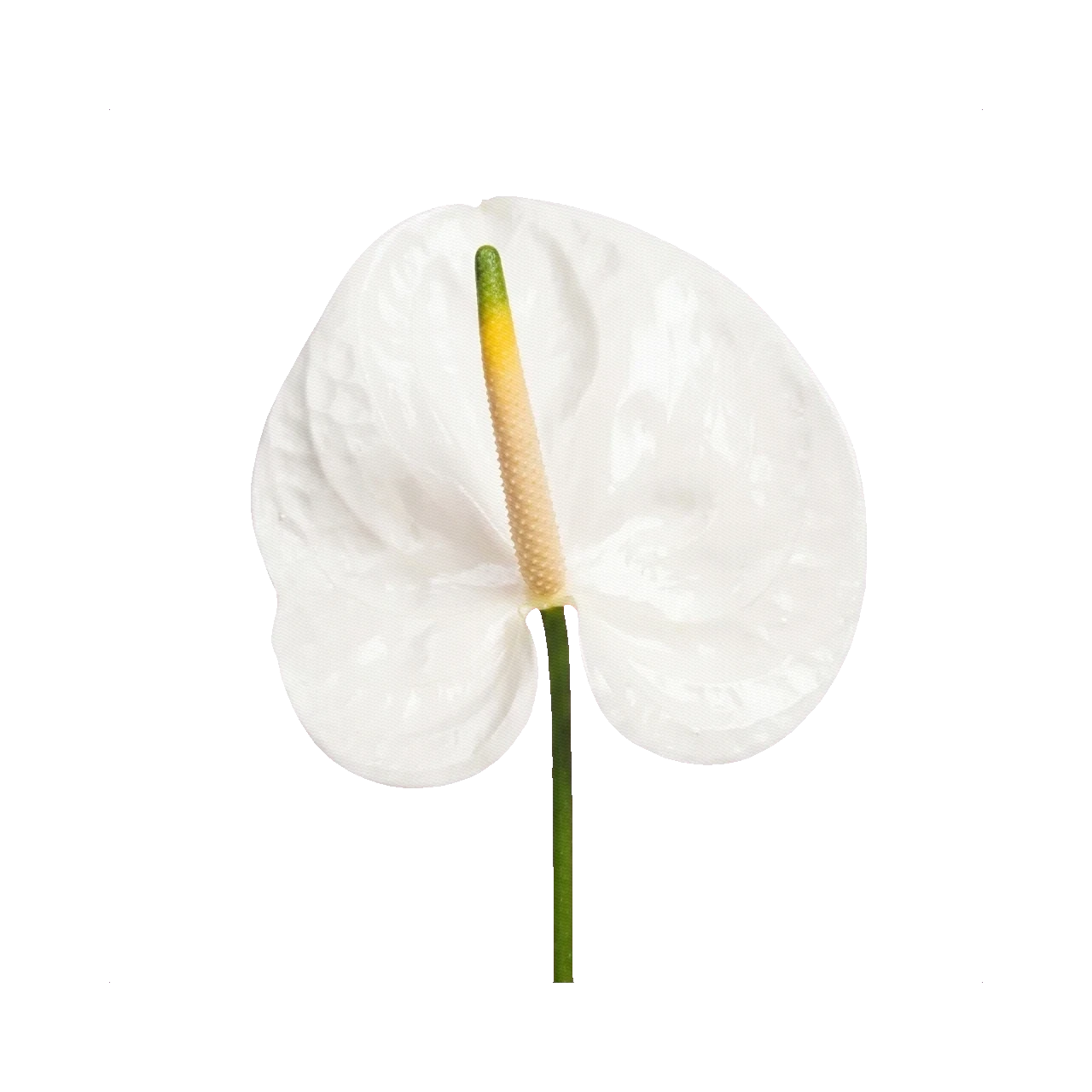
Anthurium
Anthurium andraeanum
The anthurium's heart-shaped, waxy spathe (the coloured part is not a flower, botanically — it's a modified leaf) delivers a graphic, tropical statement. Modern hybrids include chocolate, black, and jade-green cultivars beloved by editorial designers. Vase life is exceptional — 4 weeks with basic care.

Aspidistra
Aspidistra elatior
Aspidistra, the cast iron plant, supplies florists with broad, glossy, deep-green leaves on long slender stalks. Almost indestructible, it is a favourite for structural and contemporary designs where a single leaf can be looped, rolled, folded or stitched. Some cultivars carry cream stripes or speckles for extra interest. Its clean lines and remarkable vase life make it a staple of modern, architectural and ikebana-style work.

Bird of paradise
Strelitzia reginae
The bird of paradise is instantly recognisable — an orange-and-blue bird-shaped inflorescence that has become the visual shorthand for tropical floristry. One stem carries multiple 'birds' that emerge in sequence over 2-3 weeks, giving unusually long display value. The signature flower of Hawaiian and California modernist arrangements.
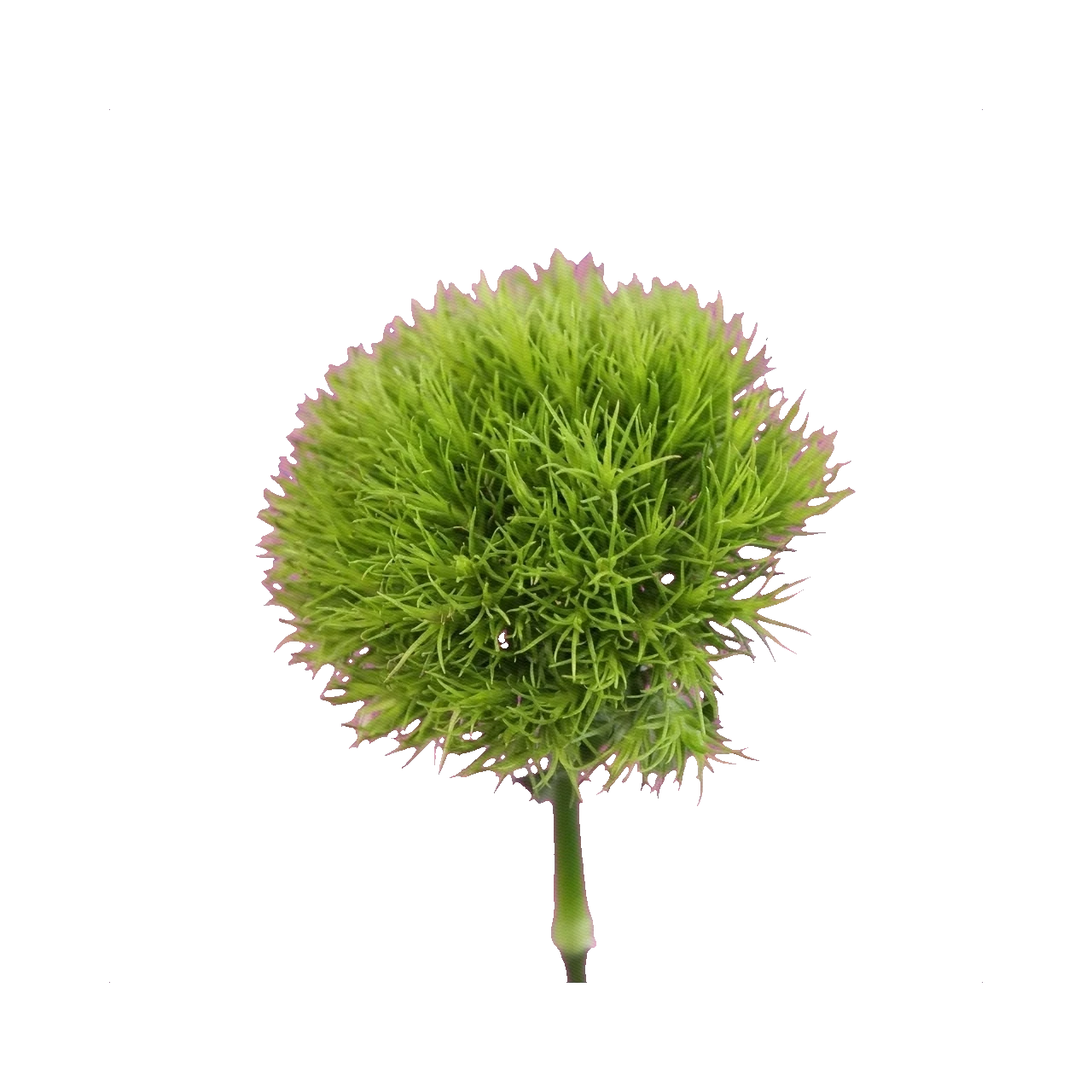
Carnation
Dianthus caryophyllus
The carnation was the default cheap flower of the 1980s and paid for it with a lasting image problem. Modern breeding has restored it — the Mörelex, Lege, and Prado series carry 60+ petals in painterly colour gradients that rival garden roses at 20% of the price. A revival flower for florists willing to look past legacy stigma.
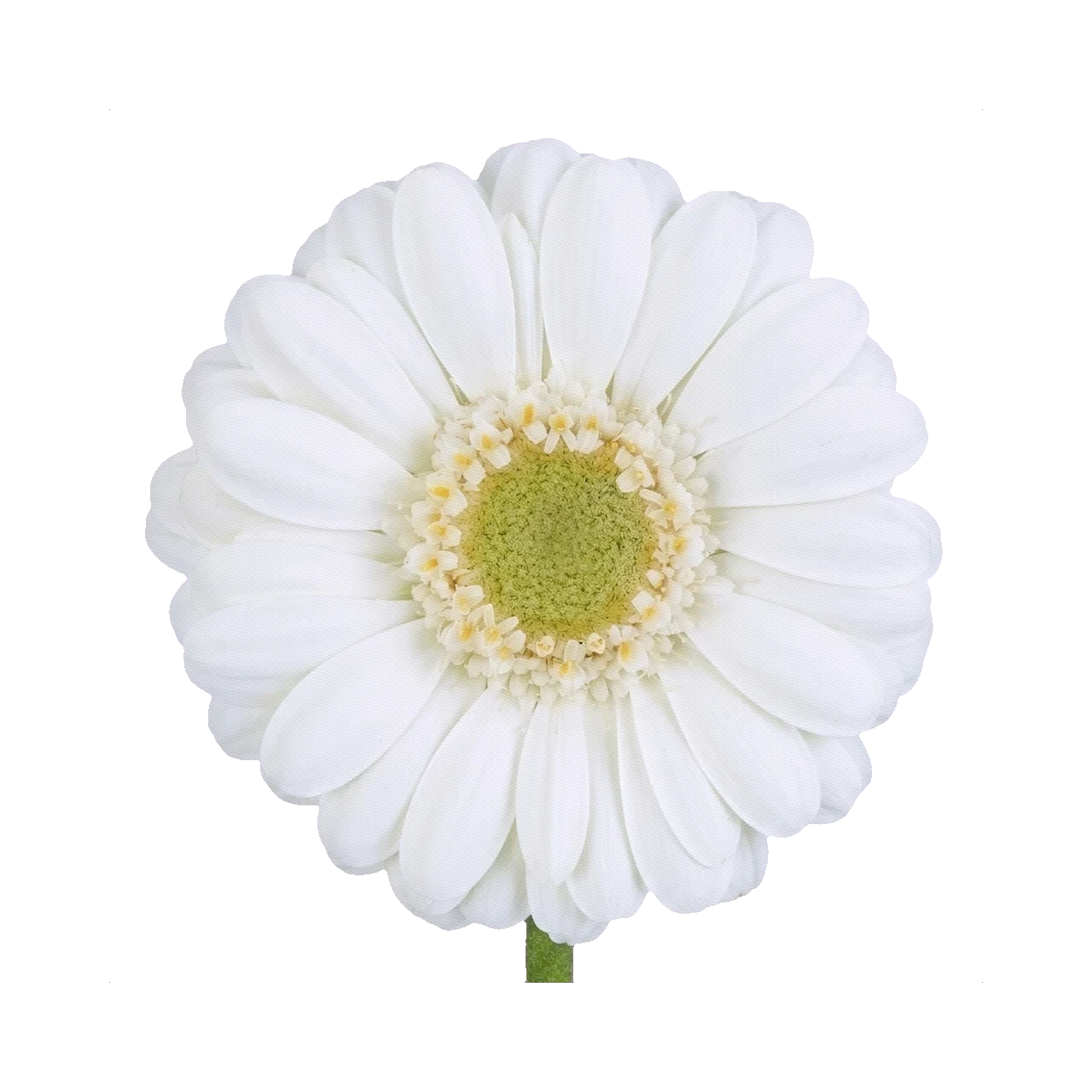
Gerbera
Gerbera
The gerbera is the smiling face of the everyday flower shop — bright, single-headed, wide colour range. Weak necks are its one weakness; professional florists wire stems for weddings and events. Modern mini gerberas (5 cm) work as filler; standard gerberas (10 cm) hold their own as focal points.
Heliconia
Heliconia
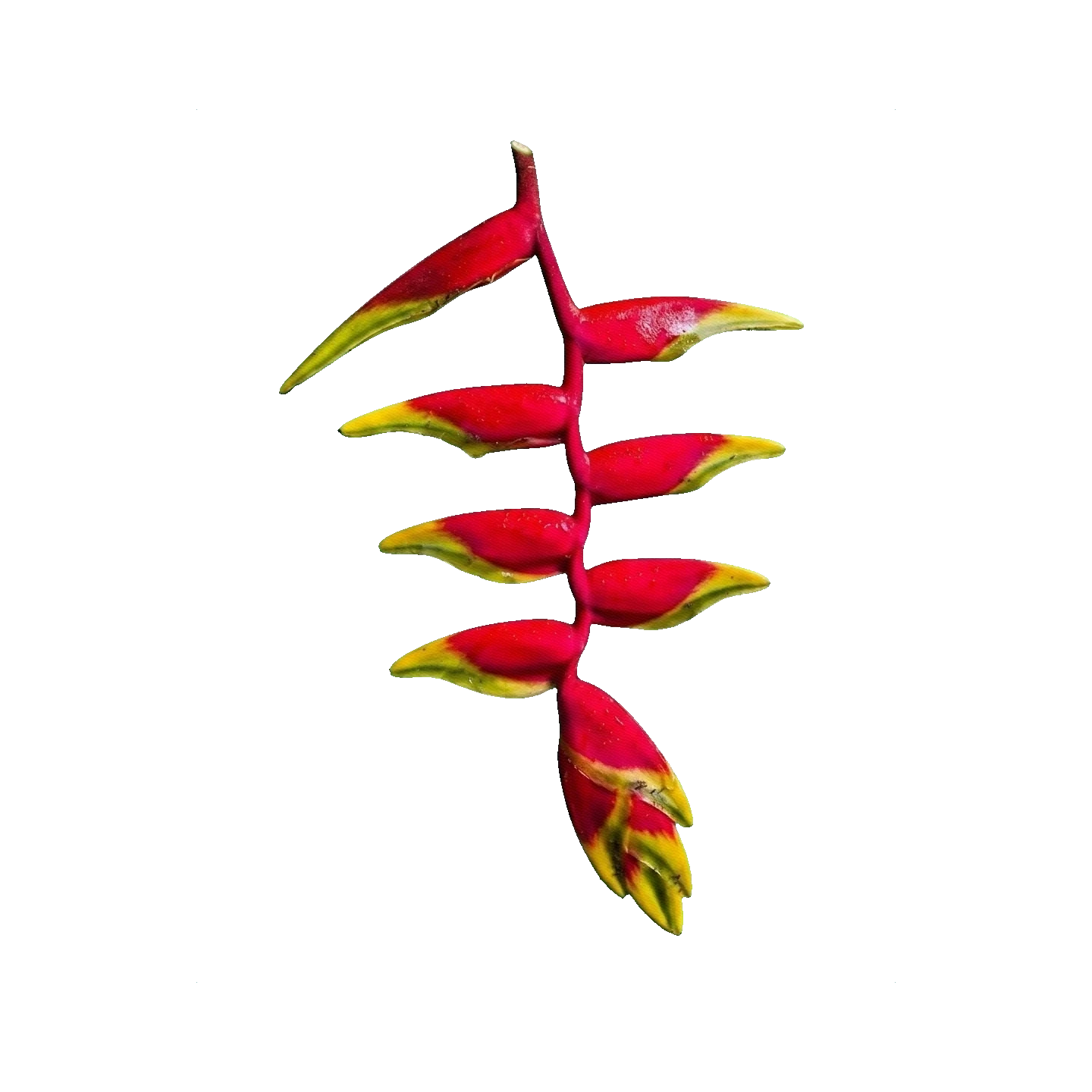
Heliconia, often called lobster claw or false bird-of-paradise, is a boldly architectural tropical whose waxy, boat-shaped bracts zig-zag up a tall stem in vivid red, orange and yellow. Native to the tropical Americas, it brings instant drama, scale and a sculptural line to large-scale and tropical designs. Its thick stems and long vase life make it a workhorse for installations, tall arrangements and event work. Few flowers deliver the same tropical impact from a single stem.
Hyacinth
Hyacinthus orientalis
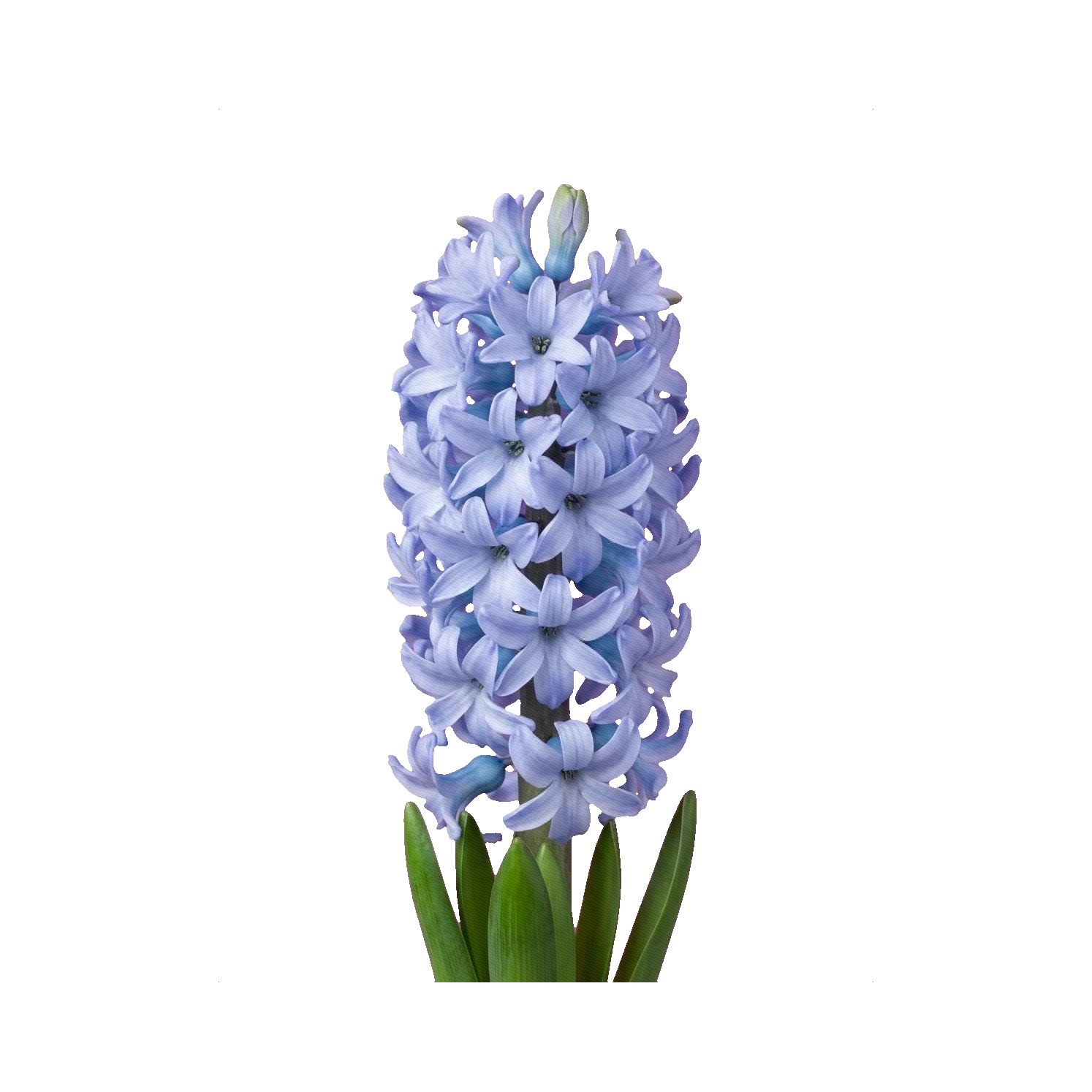
The hyacinth is the fragrance flower of early spring — a densely packed spire of florets that perfumes a room within minutes. Grown almost exclusively in the Netherlands for the global cut trade. The stem-sap causes contact dermatitis in some people; wear gloves when conditioning.
Hydrangea
Hydrangea macrophylla
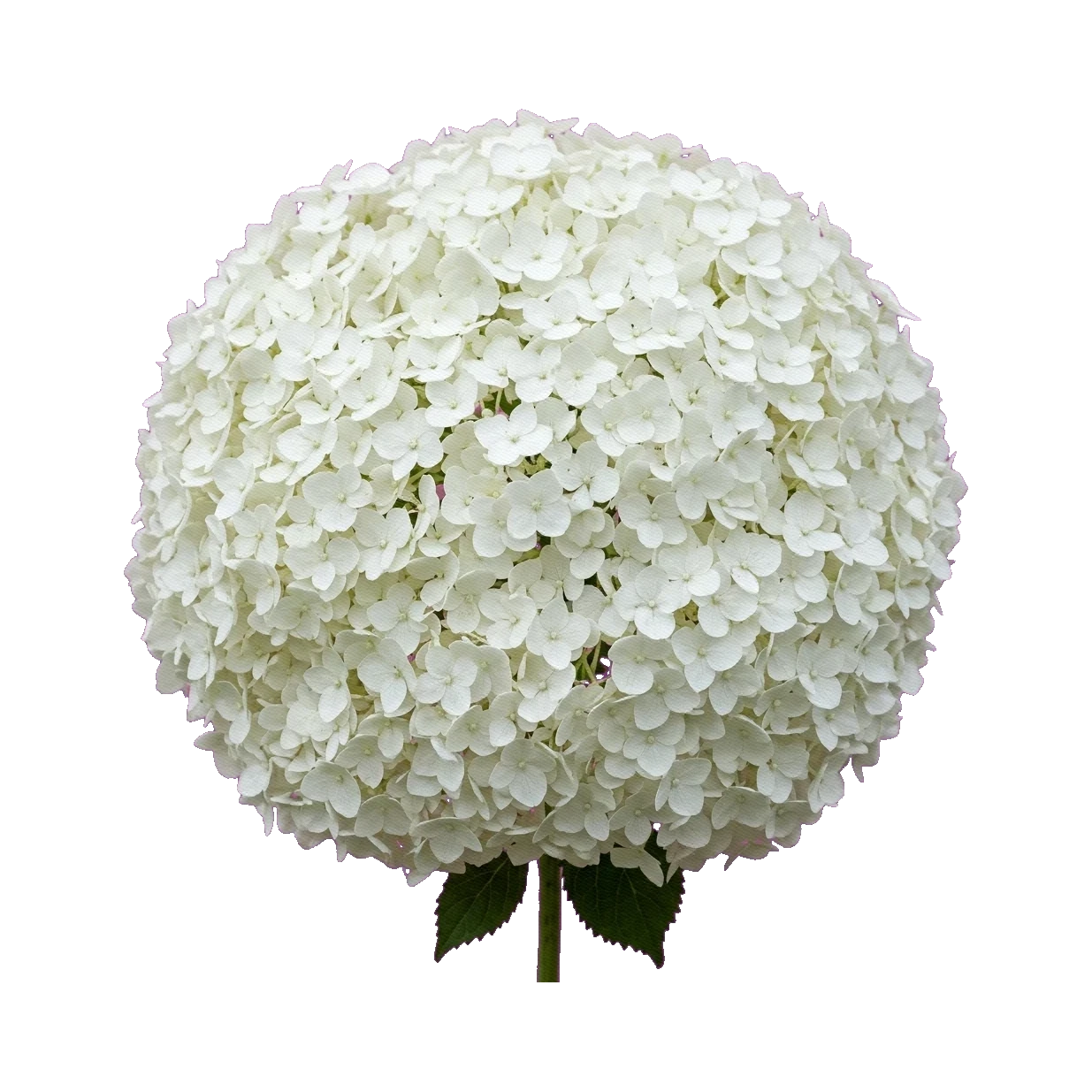
One hydrangea head can carry a bouquet single-handedly — up to 20 cm of coverage per stem. Growers now offer 'antique' hydrangeas where the natural late-summer colour shift (blue → pink → green → burgundy) is preserved, creating a browsed, painterly effect that dominates editorial floristry. Fragile once cut — plan the timeline carefully.

Monstera Leaf
Monstera deliciosa
The monstera leaf, cut from Monstera deliciosa, is one of the most recognisable foliages in modern floristry — a large, glossy, deep-green blade slashed with natural holes and splits. Native to Central American rainforests, it brings bold scale, clean line and a lush tropical mood to arrangements and installations. Exceptionally long-lasting out of water and easy to handle, a single leaf can define a modern bouquet, backdrop or table runner. It is the signature green of tropical and contemporary design.
Ornithogalum
Ornithogalum thyrsoides
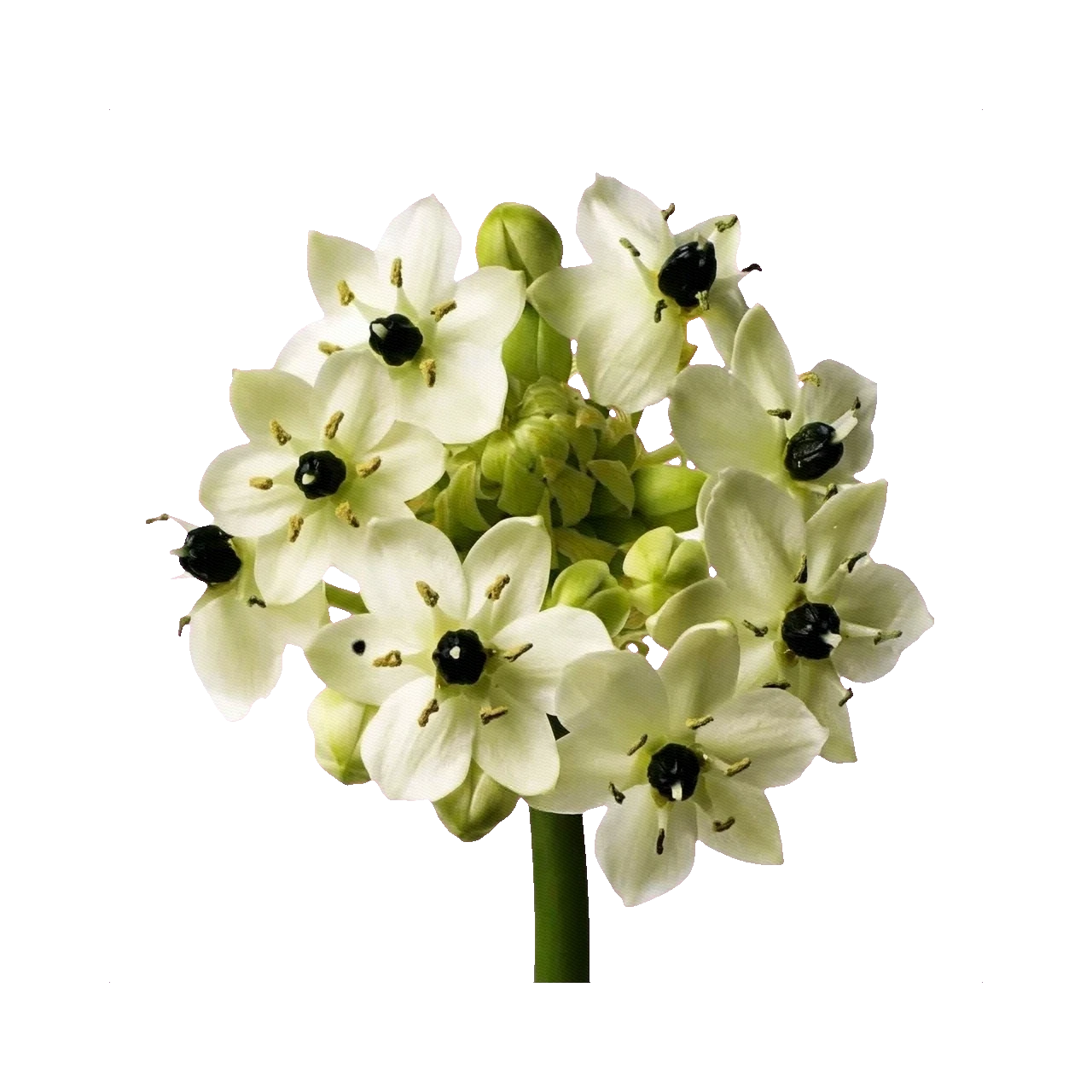
Ornithogalum, often sold as chincherinchee, is a spike of crisp, star-shaped white flowers renowned for an almost unbeatable vase life. Native to South Africa, its buds open steadily up the stem over two to three weeks, making it one of the most economical long-haul flowers a florist can stock. The clean, geometric florets add fresh, structured filler to bridal and everyday designs alike. Its longevity and tidy form also make it a reliable choice for corporate and event work.
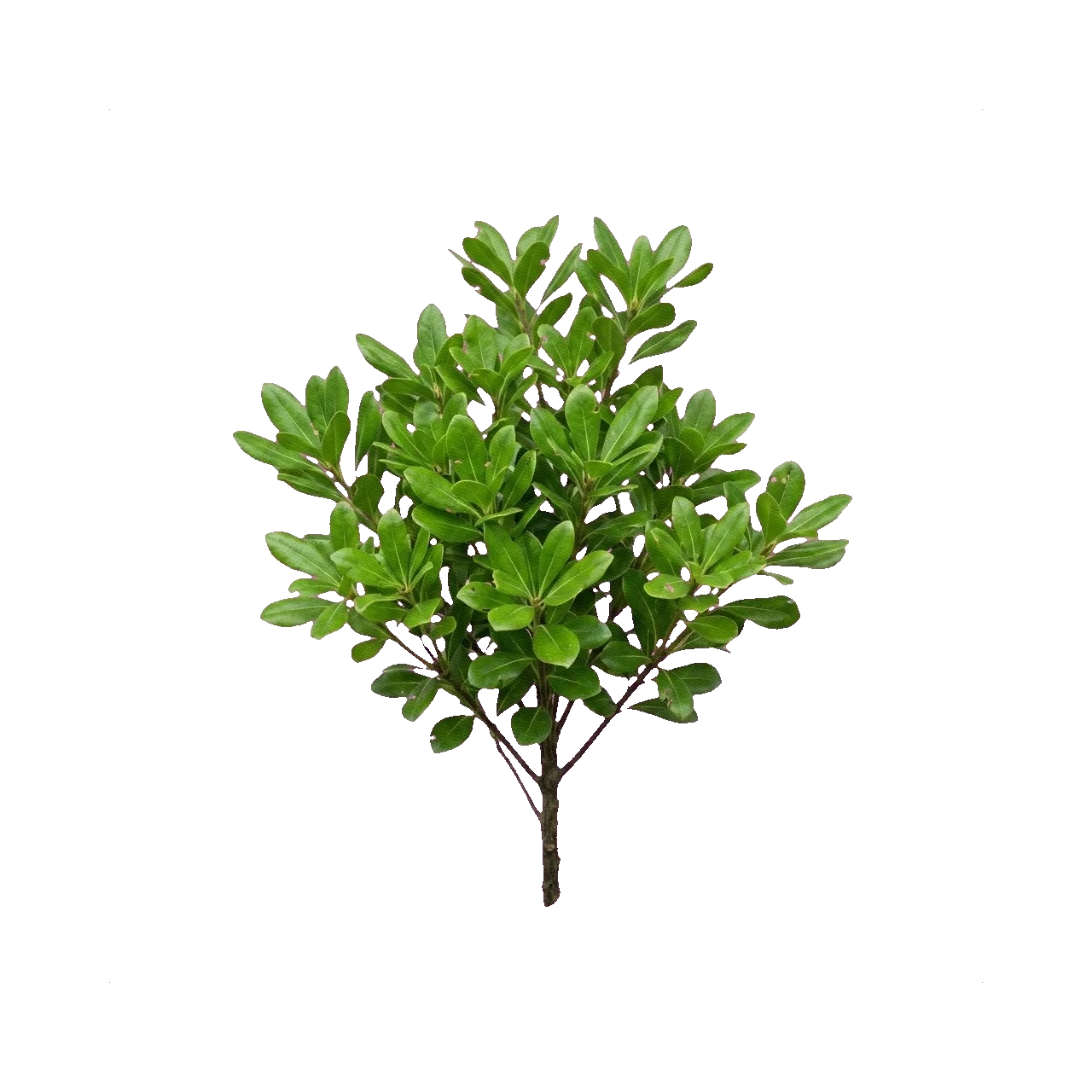
Pittosporum
Pittosporum tenuifolium
Pittosporum is a versatile evergreen foliage prized for its dense, glossy oval leaves arranged along wiry stems. Florists reach for it constantly as a filler and greenery base, valuing its neat texture and exceptional longevity. Varieties range from bright green to silvery variegated and near-black 'Nigra', letting it read fresh or moody. It bridges the gap between fine and broad foliage in bouquets, arrangements and wedding work.

Sunflower
Helianthus annuus
Sunflowers are the face of late summer floristry — bold, cheerful, and grown locally on almost every continent. Pollenless varieties (Sunbright, ProCut Orange) have replaced classic pollen-producing sunflowers in commercial work — no more stained tablecloths. Miniature sunflowers (Teddy Bear, fully double heads) have opened the flower to wedding and event use.

Throatwort
Trachelium caeruleum
Trachelium, or throatwort, forms domed clusters of tiny star-shaped florets in deep amethyst, blue-violet and white. A dependable, long-lasting filler, it lends colour and a fine textural haze to summer bouquets and event work. The flat-topped heads give designers a soft mass to build against focal flowers, and it holds well out of water for short periods. Its rich purple is especially valued where blue tones are scarce.
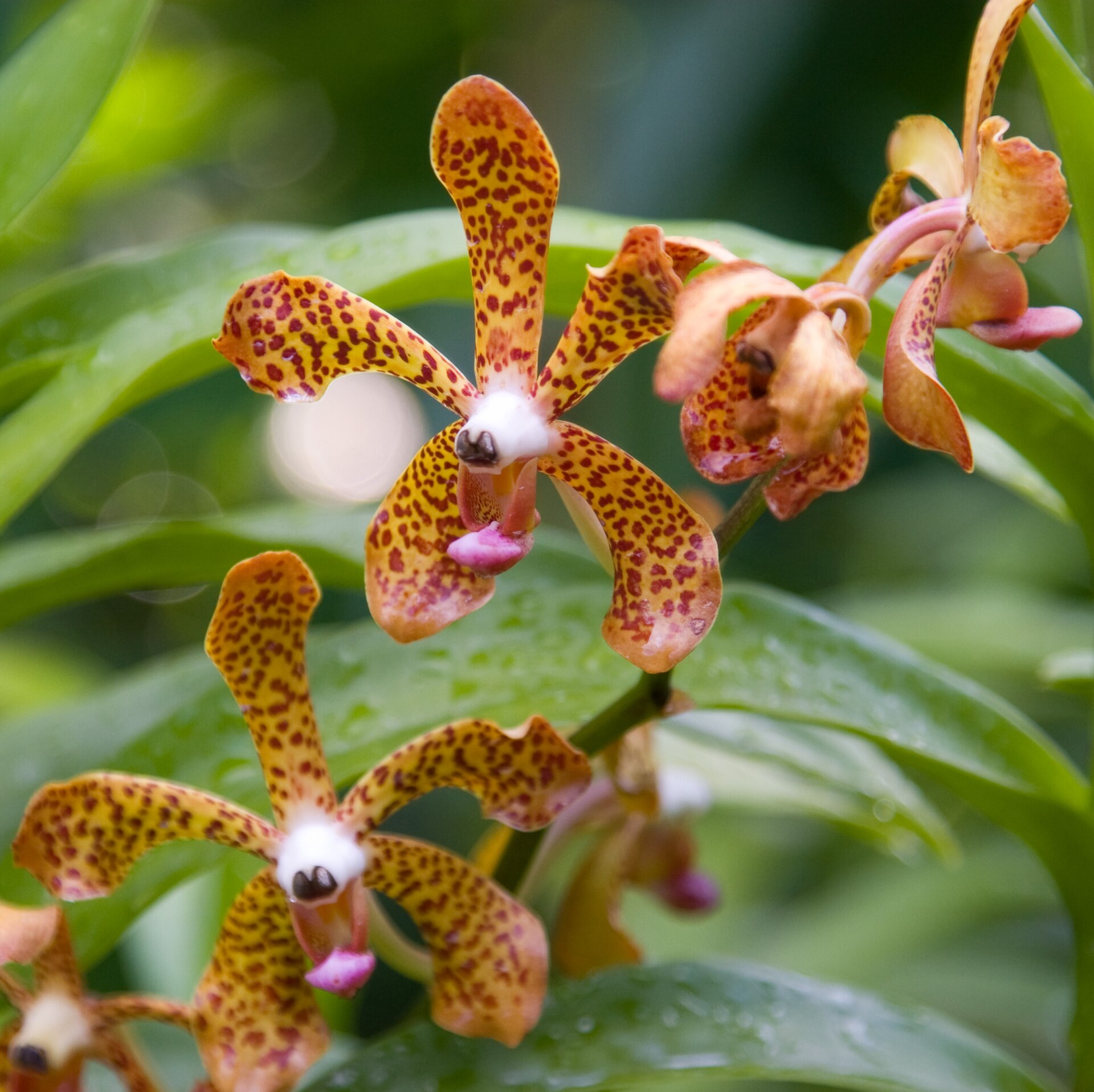
Aranda Orchid
Aranda (Arachnis × Vanda)
Aranda is a hardy hybrid orchid crossing Arachnis and Vanda, carrying rows of flat, often spotted or veined blooms along a tall, wiry spray — the reason it is nicknamed the scorpion orchid. Grown commercially in Singapore and Malaysia, it offers moody purples, blues and bronzed browns rarely found in cut flowers. Florists value it as a tropical line element that draws the eye upward in tall arrangements and modern event pieces. Robust and long-lasting for an orchid, it holds up to bolder, architectural designs.
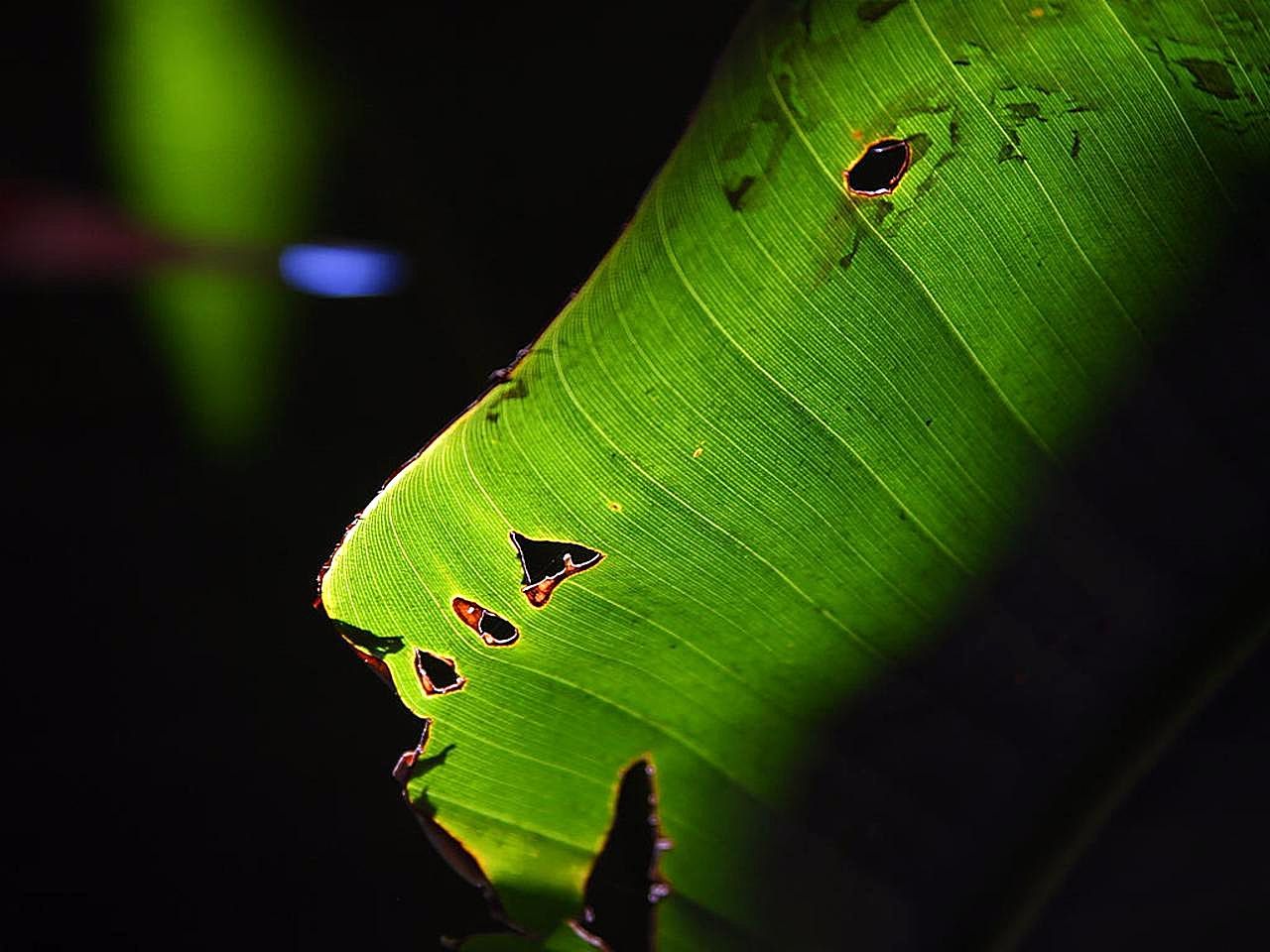
Banana Leaf
Musa × paradisiaca
Banana leaf is a broad, glossy paddle of foliage prized for its clean tropical geometry and versatility. Florists use it whole for bold architectural greenery, roll or fold it to line the inside of glass vases, or cut it into strips and sculptural forms for modern and tropical designs. Inexpensive and widely available year-round, it brings instant lushness and scale to installations and event work. It is best used fresh, as the cut blade gradually dries and curls at the edges.
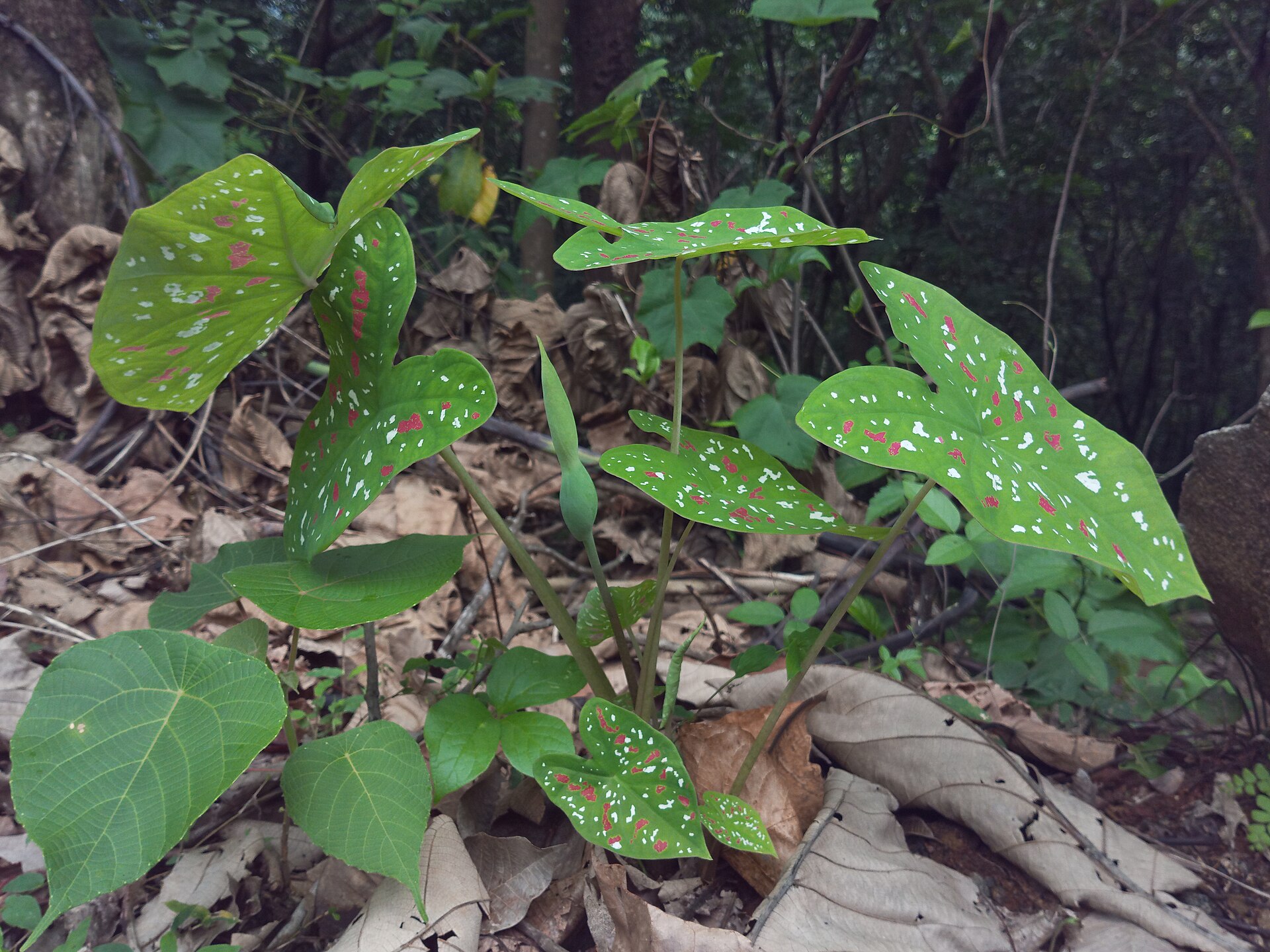
Caladium Leaf
Caladium bicolor
Caladium leaf is a painterly heart-shaped blade splashed with pink, red, white and green veining, giving it the nickname angel wings. Native to the Amazon, it brings extraordinary colour to tropical designs where most foliage stays plain green. Florists use it as a decorative accent leaf in bouquets, editorial pieces and low arrangements where its markings can be admired up close. It is delicate and short-lived once cut, so it rewards careful handling and warm conditions.
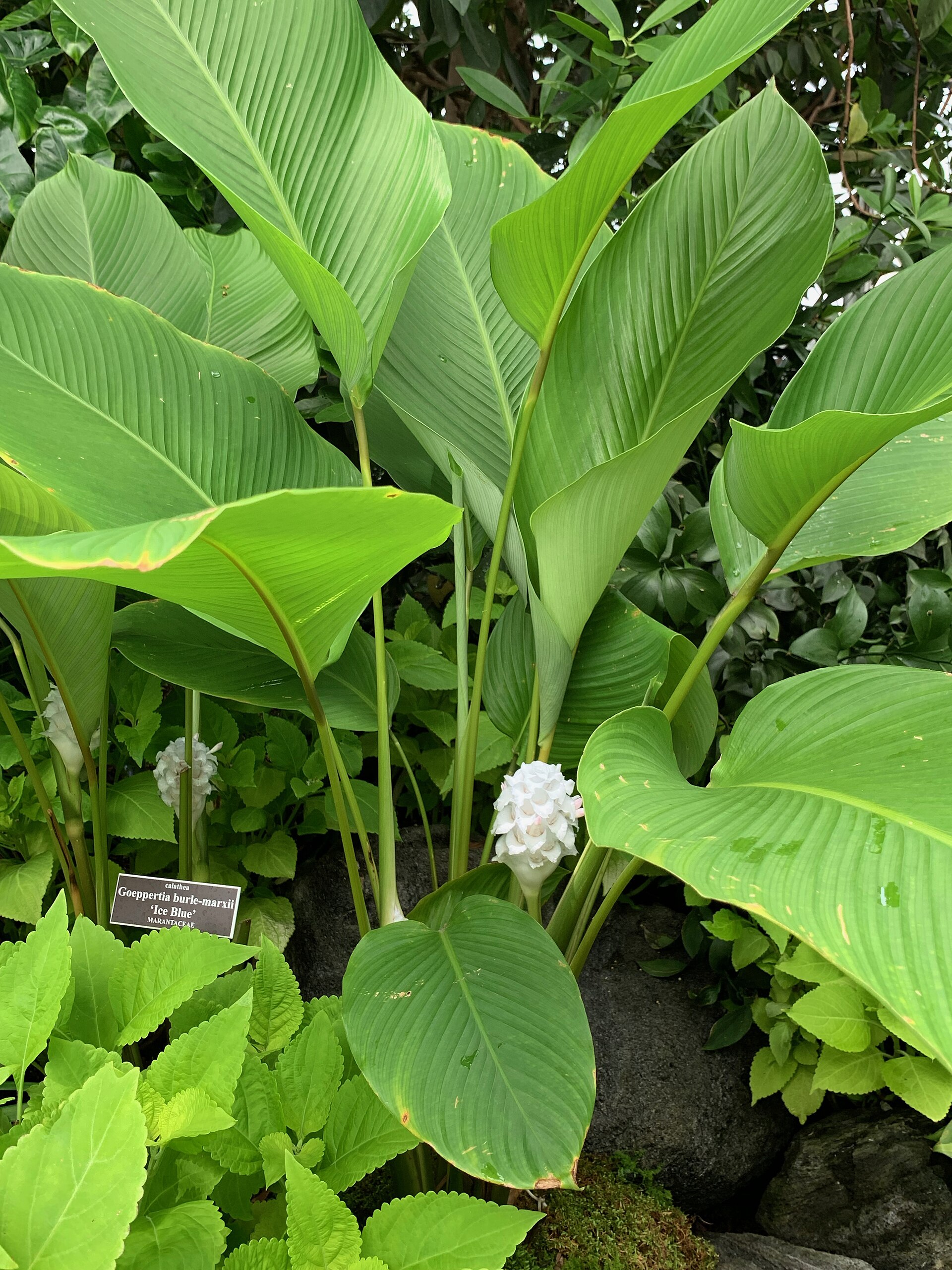
Calathea Leaf
Goeppertia (syn. Calathea)
Calathea leaf is a striking patterned foliage whose oval blades carry feathered stripes, spots or veins in deep greens, often with a dramatic burgundy underside. Native to the tropical Americas, it is a favourite for adding graphic texture and colour to modern and tropical arrangements. Florists use it both face-up for its peacock-like markings and reversed to show the wine-red back. More resilient as a cut than many exotic leaves, it holds its beauty for one to two weeks when kept warm and hydrated.
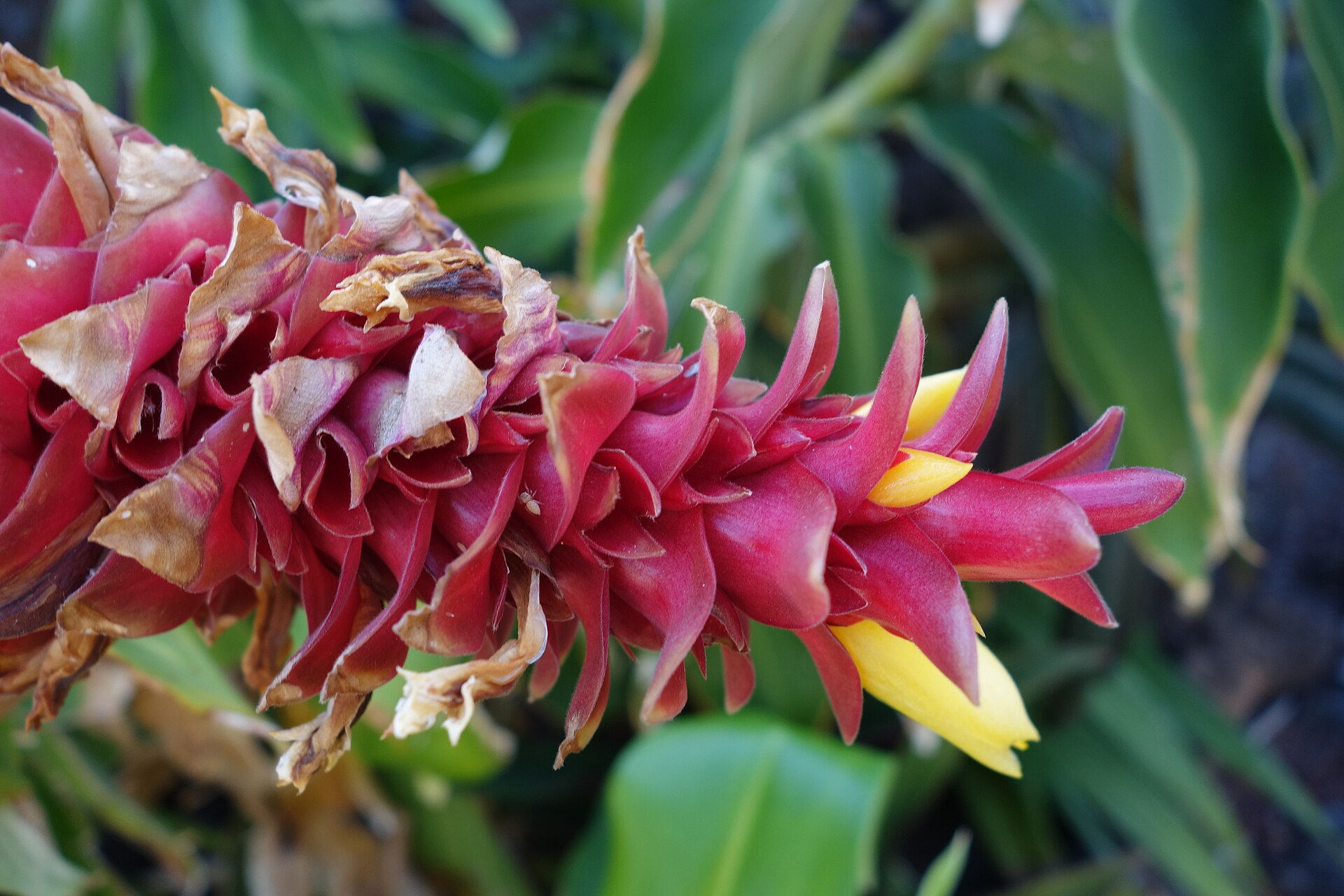
Costus
Costus barbatus
Costus, the spiral ginger, forms a striking cone of waxy crimson bracts arranged in an overlapping spiral, from which small tubular yellow flowers peek. A member of the spiral-ginger family Costaceae and native to Central America, it delivers the same tropical drama as true ginger with a distinctive geometric twist. Florists use it as a sculptural focal in tropical event work, tall arrangements and installations, where its bold red tower holds attention. Sturdy and long-lasting, it is an easygoing exotic that keeps its colour for well over a week.
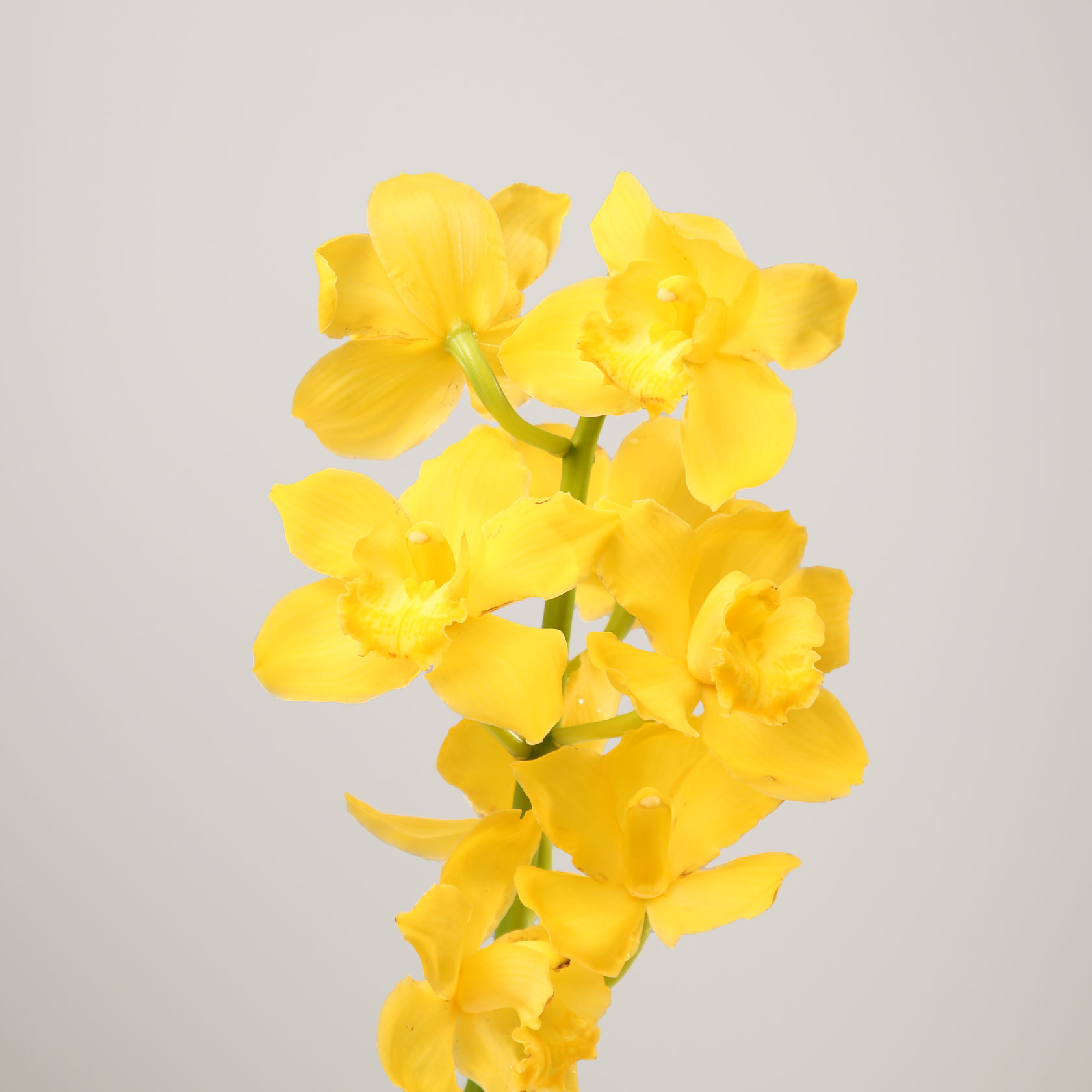
Cymbidium orchid
Cymbidium
The cymbidium is the winter orchid — a single stem carries 8–15 florets that last a full month once cut. Green cymbidiums with a burgundy lip are the editorial designer's favourite. Each floret can be broken off and wired for corsage or cake decoration, extending the value of a single stem across a whole event.
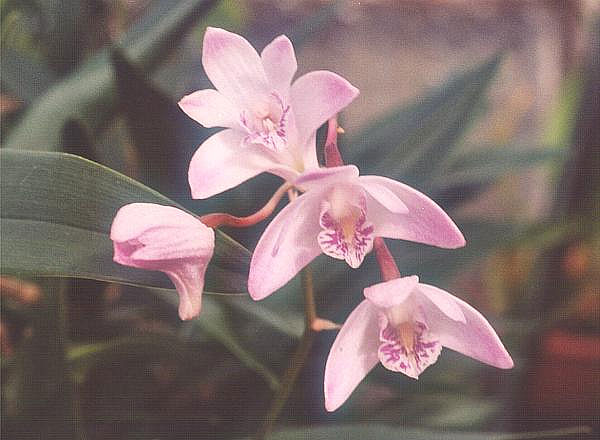
Dendrobium Orchid
Dendrobium
Dendrobium is one of the largest orchid genera, and its long, arching sprays of waxy florets are a florist staple grown year-round in Southeast Asia. Prized for exceptional vase life and a clean, architectural line, each stem carries anywhere from a handful to a dozen blooms in white, purple, pink, green and lime. Florists reach for it in bridal work, corsages and tropical designs, while single florets are ideal for cake work and boutonnieres. Sturdy yet elegant, it delivers exotic polish at a friendlier price than most orchids.
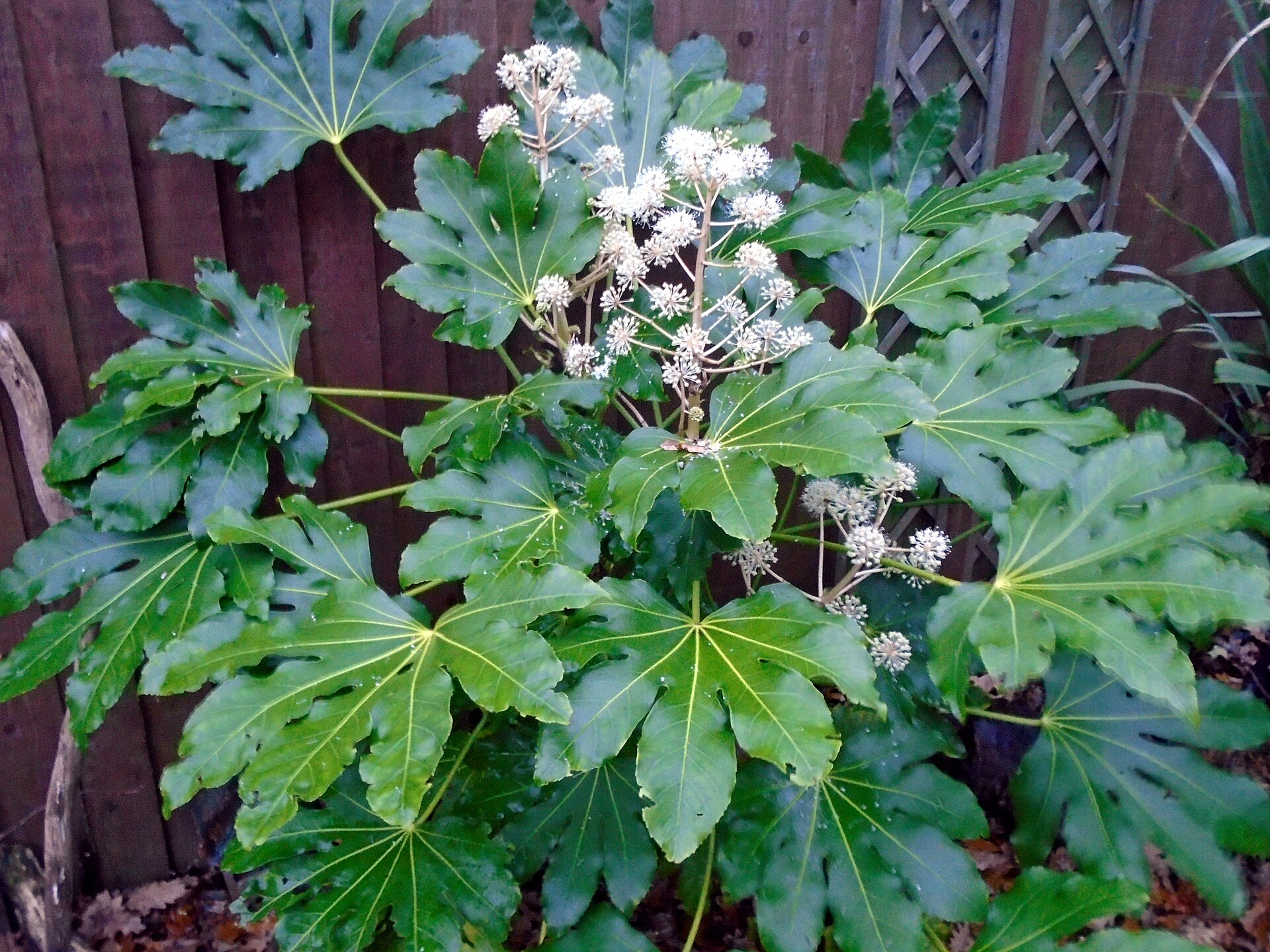
Fatsia Leaf
Fatsia japonica
Fatsia japonica supplies large, glossy, deeply lobed leaves shaped like an open hand, bringing bold tropical structure to designs. Its architectural foliage anchors modern arrangements, large-scale installations and statement bouquets with a single dramatic leaf. Rich green and hard-wearing, it also appears in cream-variegated forms for extra impact. Florists prize its clean lines, sculptural silhouette and long-lasting durability.
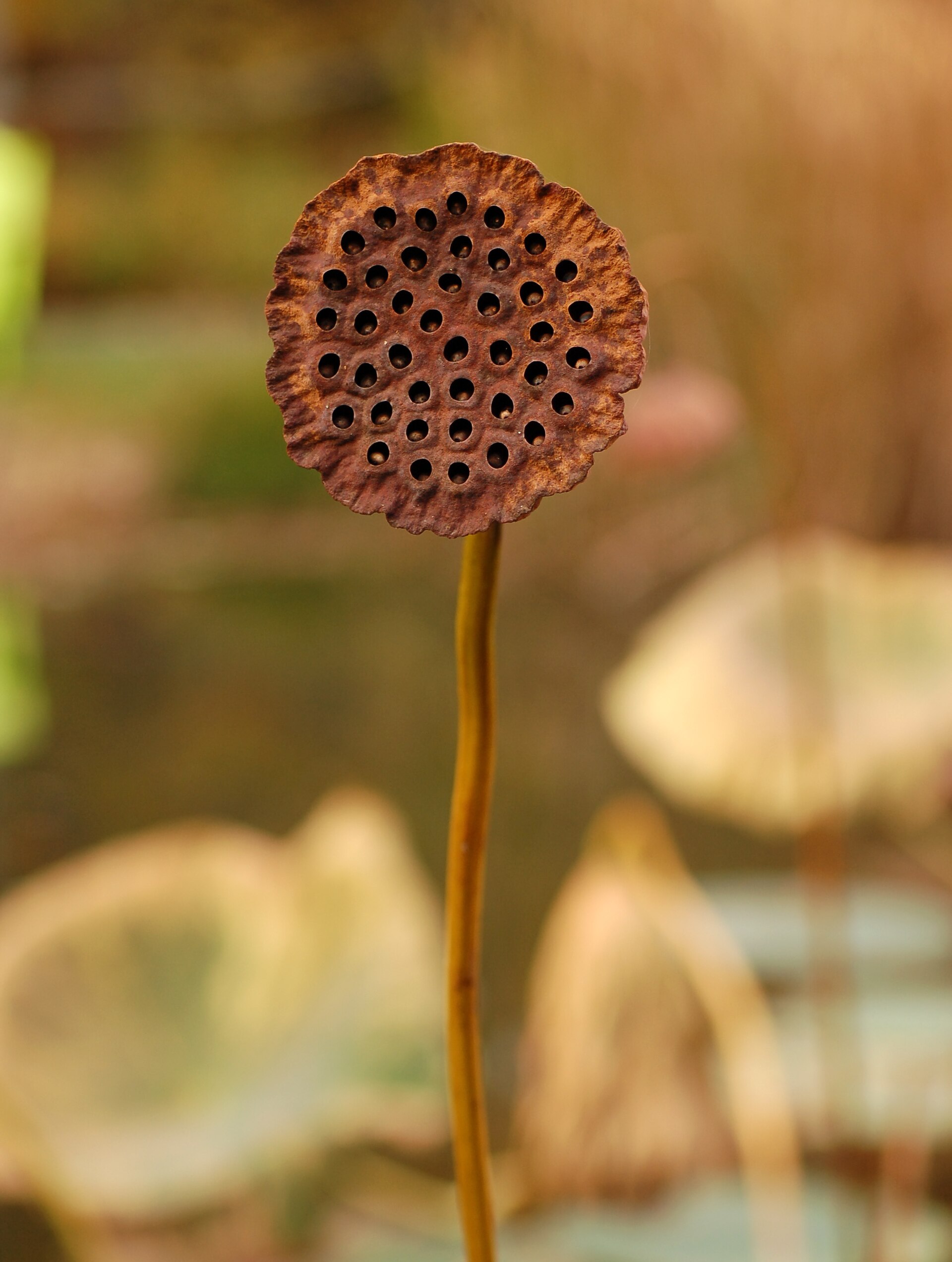
Lotus Pod
Nelumbo nucifera
The lotus pod is the woody seed head of the sacred lotus, a sculptural, honeycombed disc that brings bold, architectural texture to modern and dried design. Fresh pods read cool green and gradually cure to a rich woody brown that lasts indefinitely once dried. Florists use them as arresting focal accents in installations, autumn arrangements and editorial work, where their graphic form contrasts beautifully with softer blooms. Long-lasting and endlessly reusable, they are a staple of the dried and textural palette.
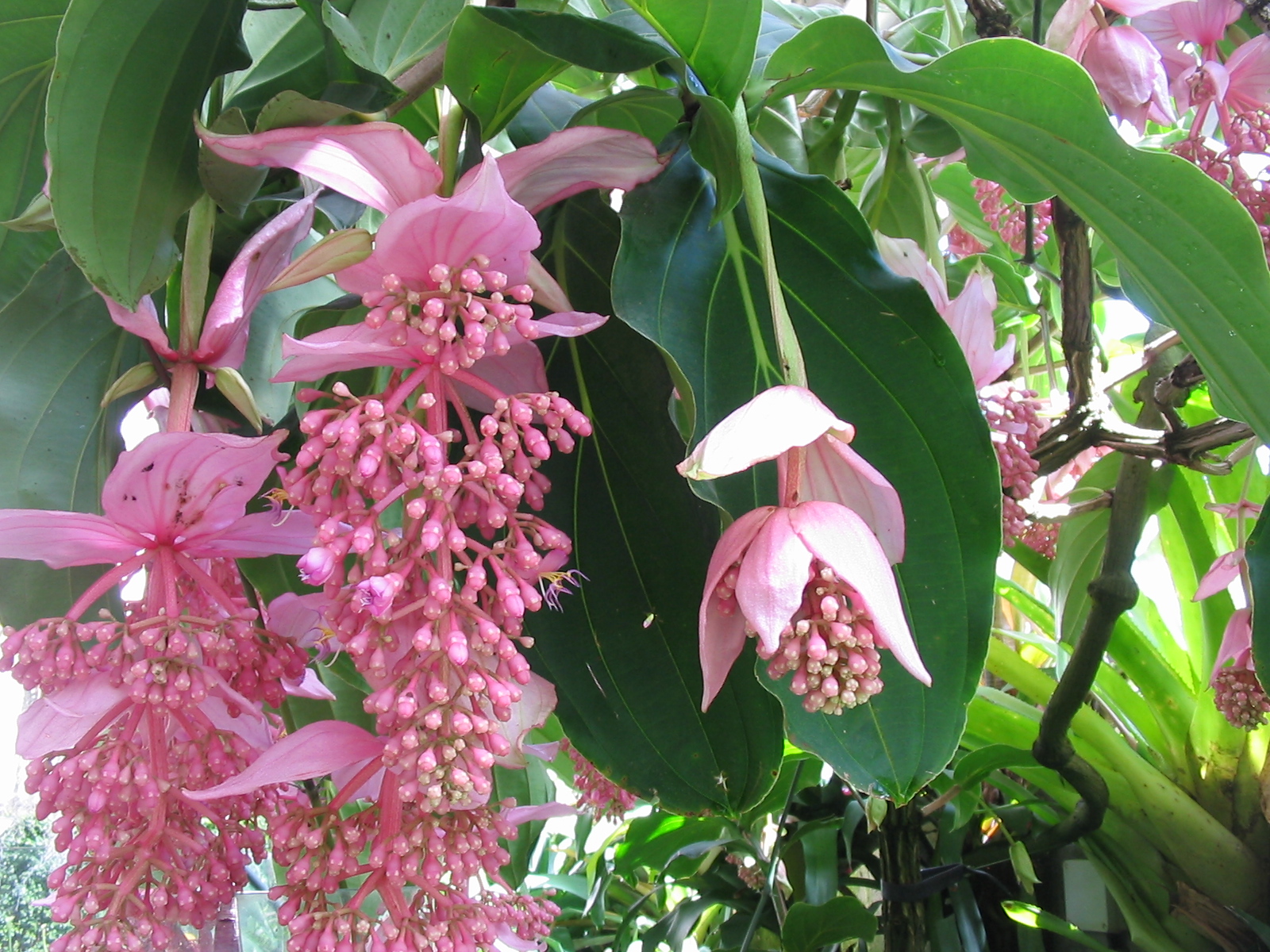
Medinilla
Medinilla magnifica
Medinilla is a spectacular tropical showpiece prized for its cascading panicles of coral-pink flowers cradled by large papery bracts, resembling a chandelier of grapes. Native to the humid mountain forests of the Philippines, it is grown as a specialty cut and commands a premium price. Florists reach for it when a design needs a single, unforgettable focal with pendulous movement — it suits luxury and tropical weddings and high-end editorial work. Its drama comes at a cost: it is delicate, chill-sensitive and best featured on its own rather than crowded into mixed arrangements.
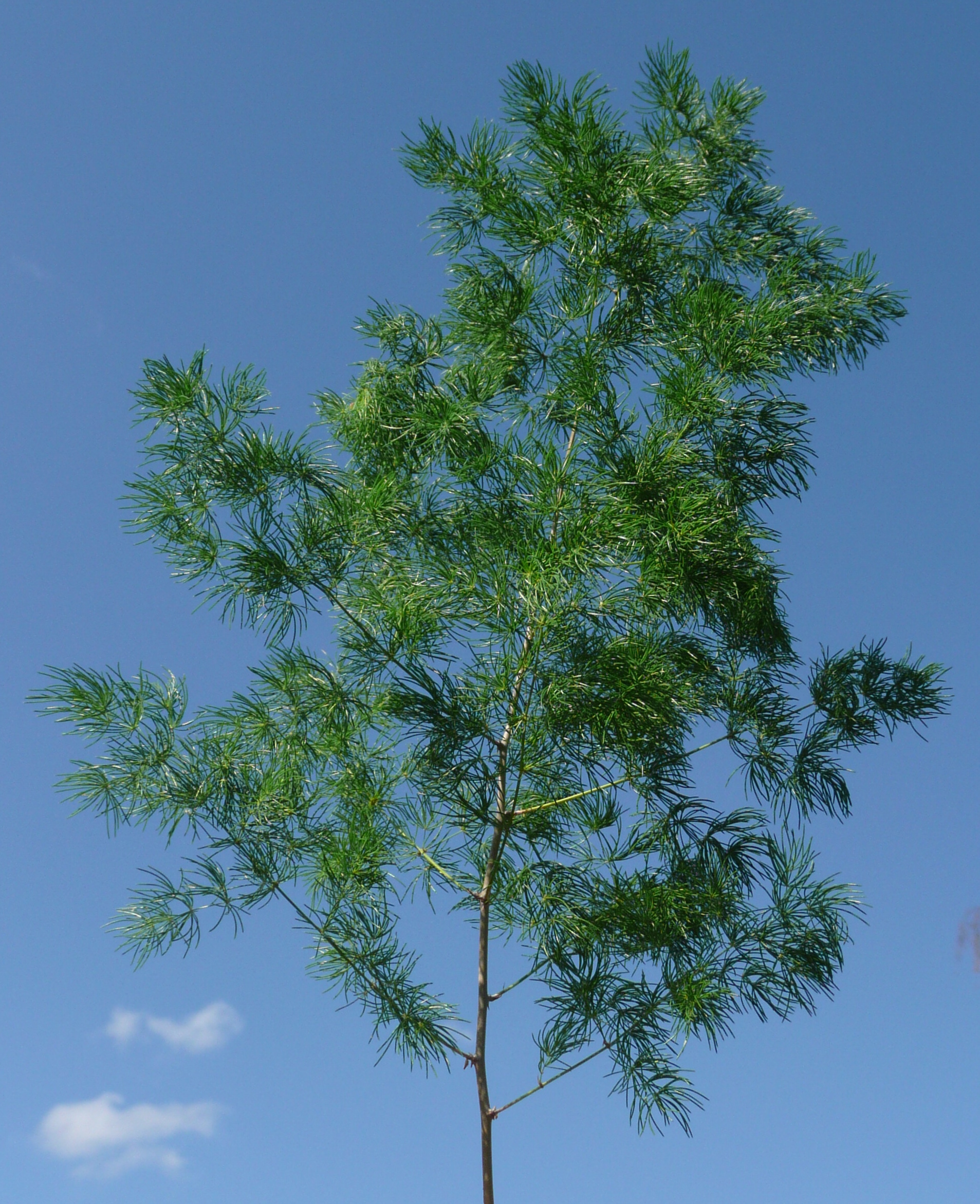
Ming Fern
Asparagus retrofractus
Ming fern is another ornamental asparagus rather than a true fern, recognised by its stiff, zig-zagging stems topped with fluffy pompom tufts of fine green needles. The clustered, cloud-like texture adds depth and structure to arrangements, and its long, strong stems suit large-scale and architectural work. It is notably durable, holding well in and out of water, which makes it a dependable choice for events and installations. Florists prize its distinctive sculptural silhouette.
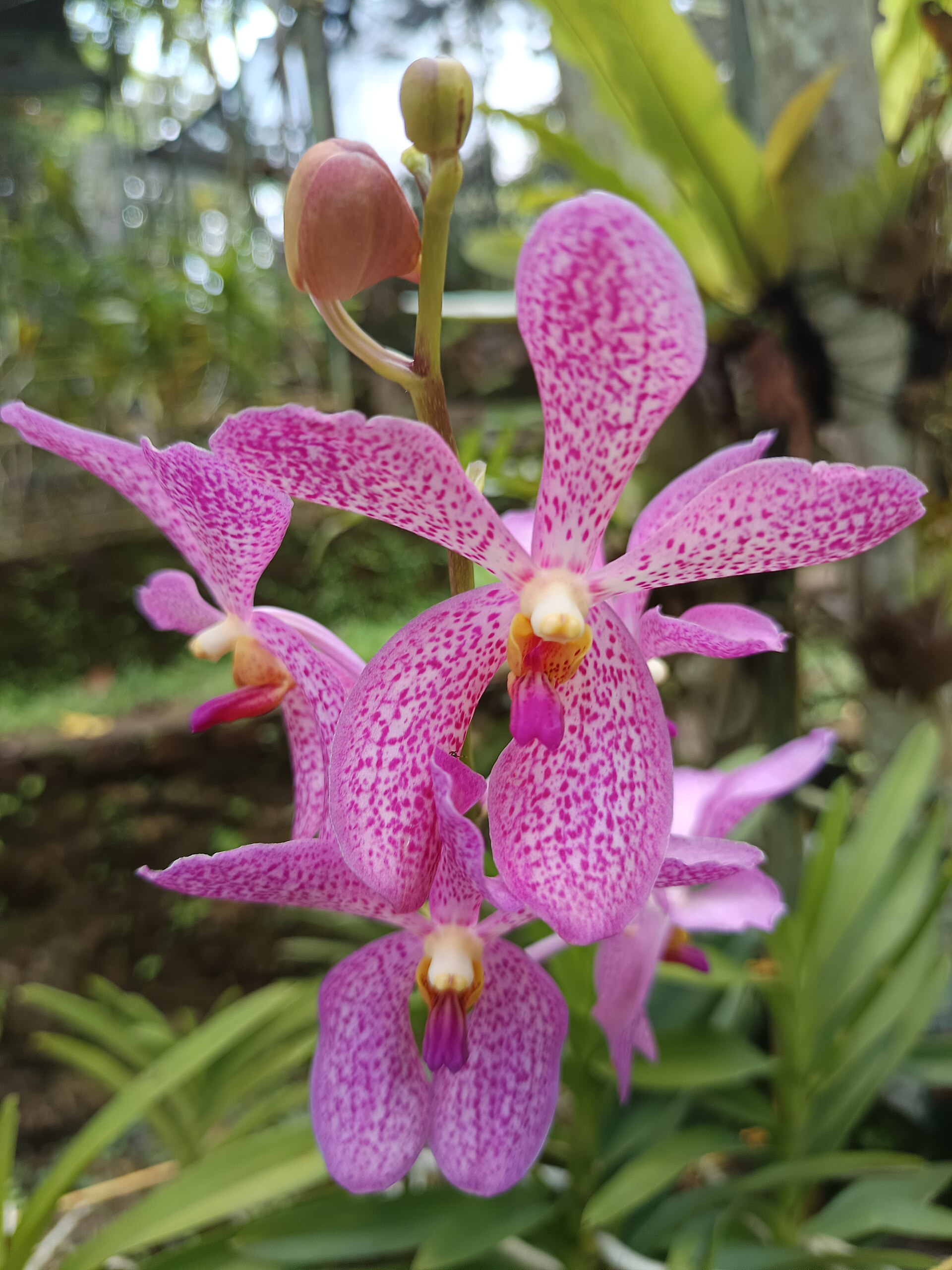
Mokara Orchid
Mokara (Arachnis × Ascocentrum × Vanda)
Mokara is a vibrant, single-flowered spray orchid bred from Arachnis, Ascocentrum and Vanda, giving it saturated colour and a flat, open face on a slender upright stem. Cultivated year-round in Southeast Asia, it is a florist staple for adding jewel-toned tropical punch to bouquets, buttonholes and event work. Each stem carries several evenly spaced blooms that last well out of water, making it a favourite for corsages and boutonnieres. Its clean geometry and long vase life earn it a place in both modern and tropical designs.
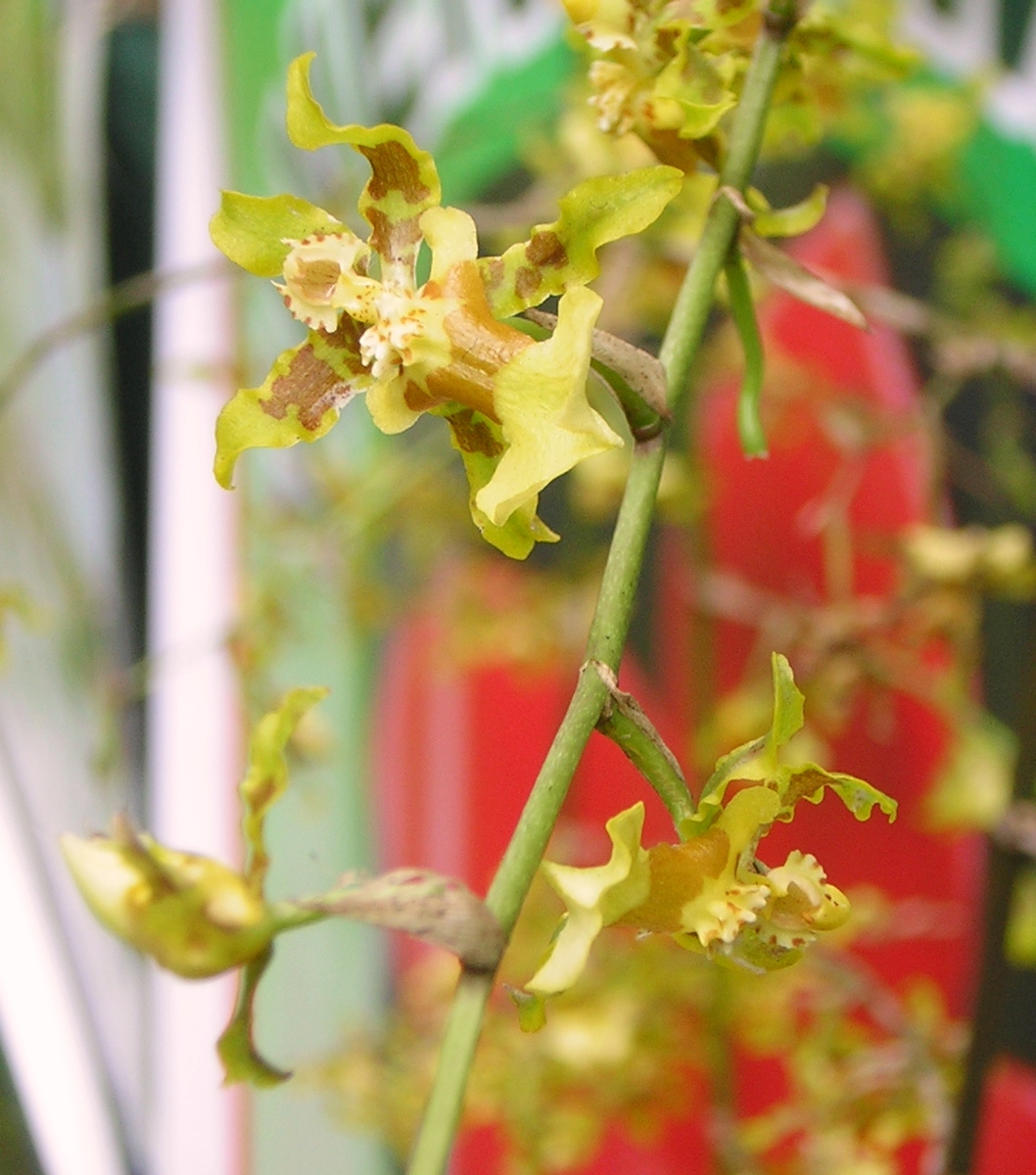
Oncidium Orchid
Oncidium
Oncidium, the 'dancing lady' orchid, produces airy, branching sprays scattered with dozens of small ruffled florets — most often in cheerful golden yellow marked with mahogany. Its cloud-like form adds movement and a fine, filler-like texture that softens tropical and modern arrangements alike. Long-lasting and playful, it reads as luxurious without the weight of a large focal orchid. Florists use it to add rhythm, spill and a sense of joy to bouquets and installations.
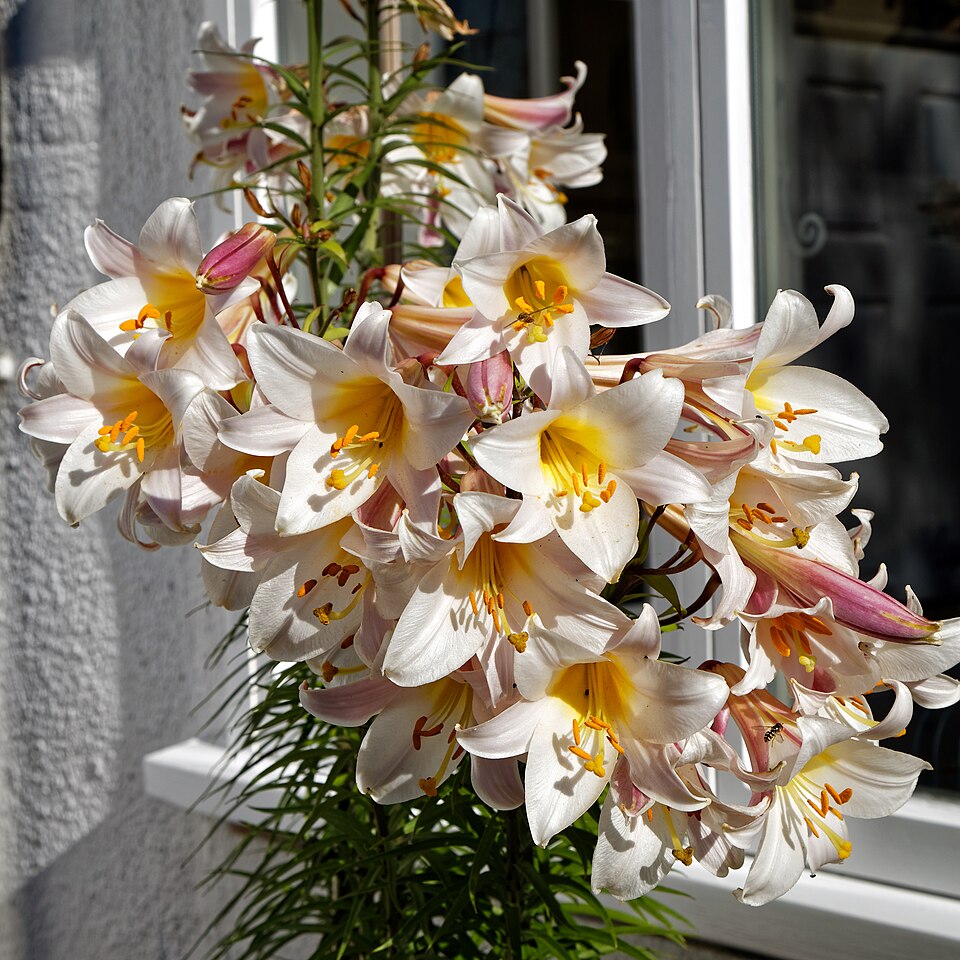
Oriental lily
Lilium (Oriental hybrids)
Oriental lilies bring drama, scale, and heavy fragrance. Stargazer (pink with white edges) is the most-recognised cultivar. A single stem can dominate an arrangement — three lilies with greenery make a hotel-lobby-scale piece. Two critical warnings: pollen stains permanently (remove anthers), and Lilium is highly toxic to cats (do not use in feline households).
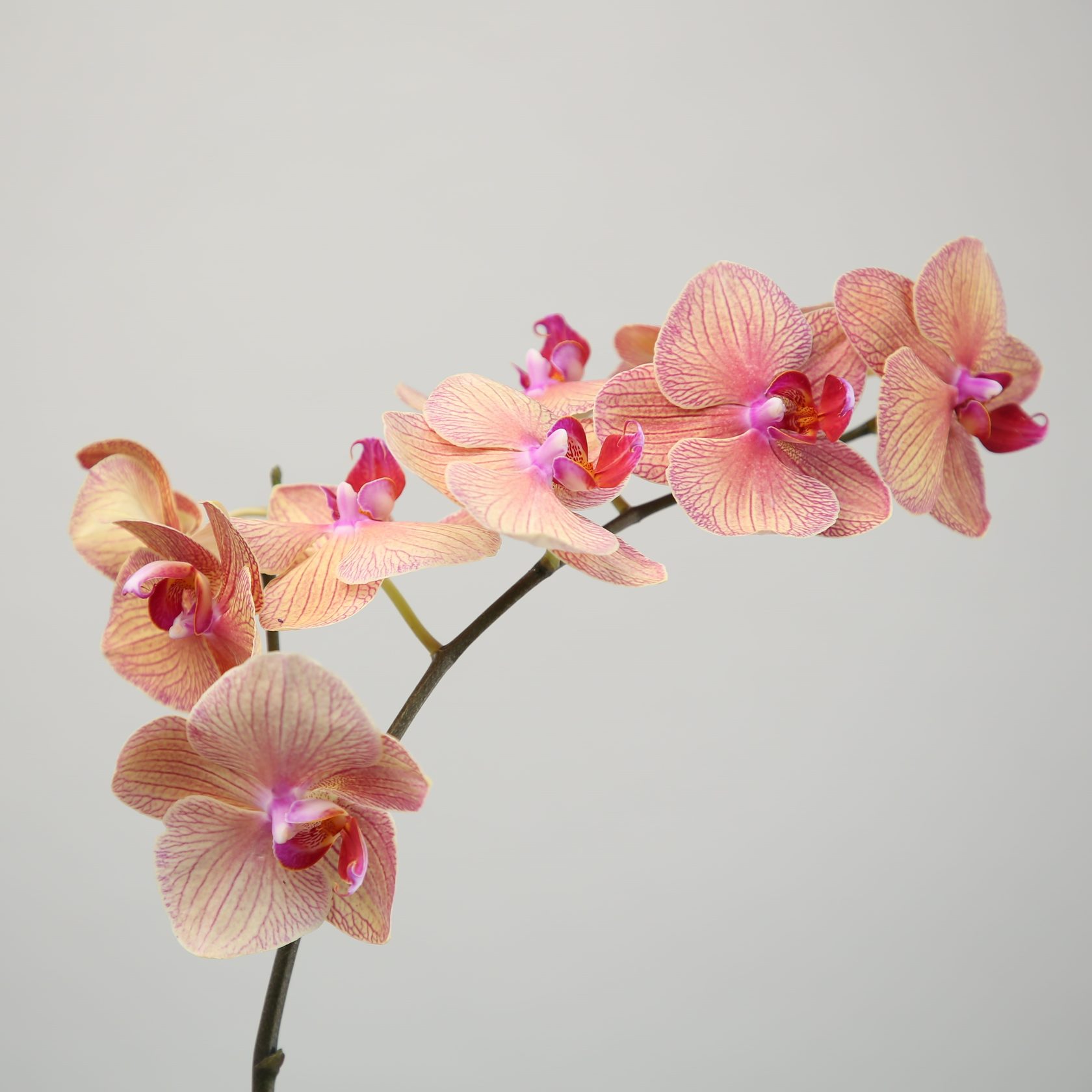
Phalaenopsis orchid
Phalaenopsis
The phalaenopsis is the flower of high-end hotel arrangements and luxury weddings. Individual florets can be wired for buttonholes, cake work, or delicate hair pieces. Standard commercial colours are white and pink; specialty growers produce lime, chocolate, and heavily spotted 'harlequin' varieties. Cut stems can arch elegantly over the edge of an arrangement.
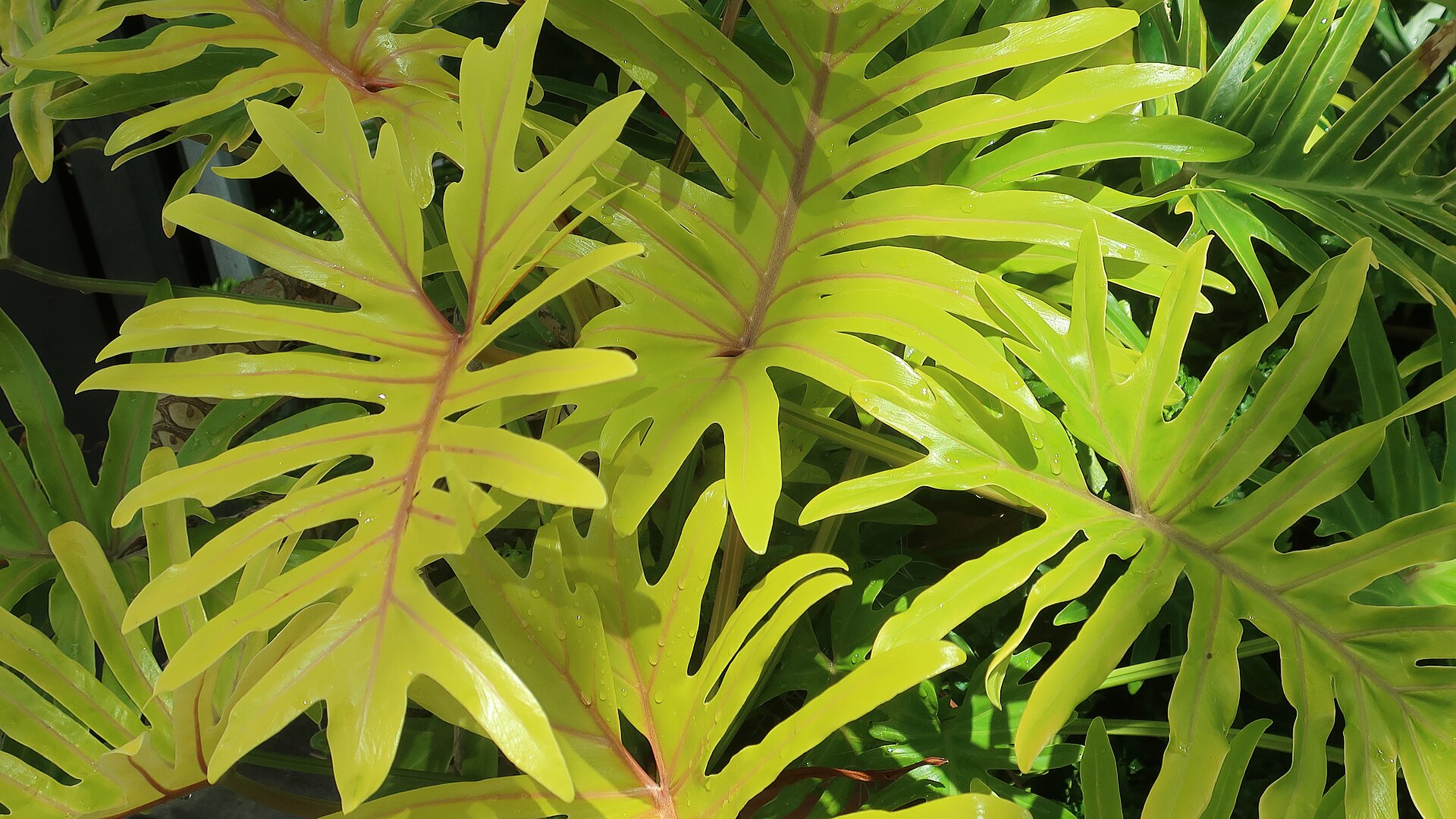
Philodendron Leaf
Philodendron bipinnatifidum
Philodendron leaf is a large, deeply lobed tropical foliage that brings instant scale and drama to bold arrangements. Its glossy, split blades read as sculptural greenery, ideal for tropical bouquets, corporate pieces and large-format installations. A single leaf can anchor a design or line a tall vase, and the foliage lasts for weeks with basic care. Florists reach for it whenever they want architectural, jungle-lush structure with minimal fuss.
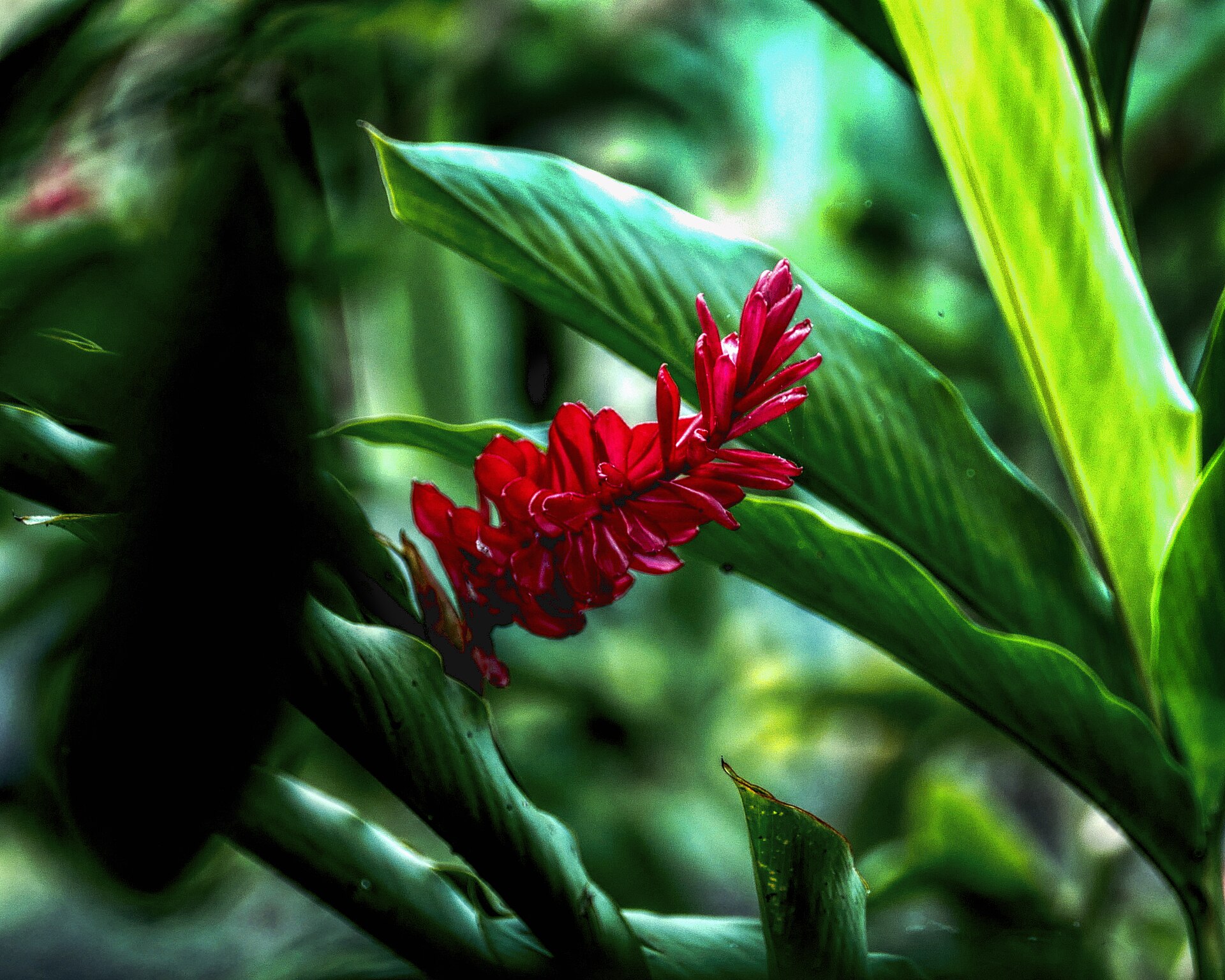
Red Ginger
Alpinia purpurata
Red ginger is an iconic tropical focal formed from a dense cone of glossy, waxy bracts in vivid scarlet or hot pink, held upright on a tall leafy stem. Native to Malaysia and naturalised across the Pacific, it is a workhorse of tropical floristry thanks to an exceptional vase life that can reach three weeks. Its bold, sculptural form anchors large event arrangements, tropical bridal work and hotel installations. Sturdy and forgiving to handle, it delivers maximum drama for a moderate price.
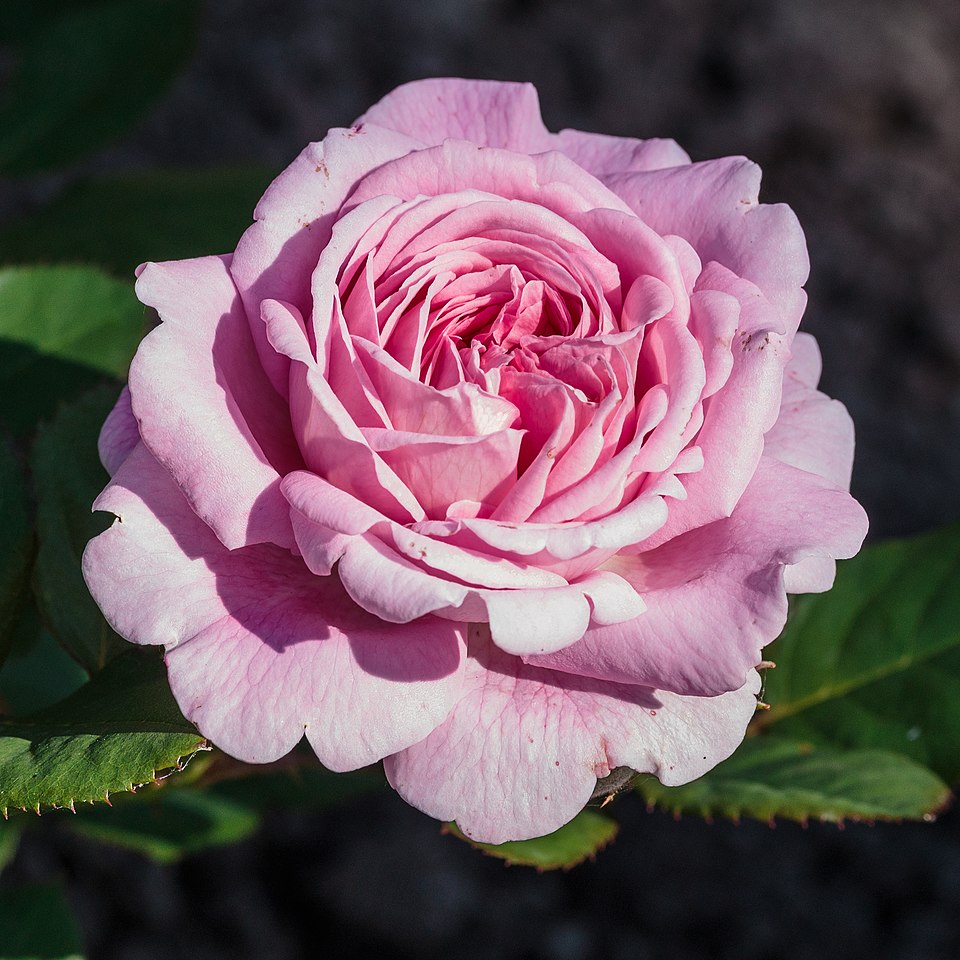
Spray rose
Rosa hybrida (multiflora)
A single stem carries 3–7 rose heads at different opening stages. Loved by wedding florists for its versatility — split into individual heads for boutonnieres, or keep whole for airy filler. Common cultivars: Majolica (cream), Yana (pink), Baby Romantica (peach). Costs 25–40% more per stem than standard roses, but delivers 3–5× the coverage.
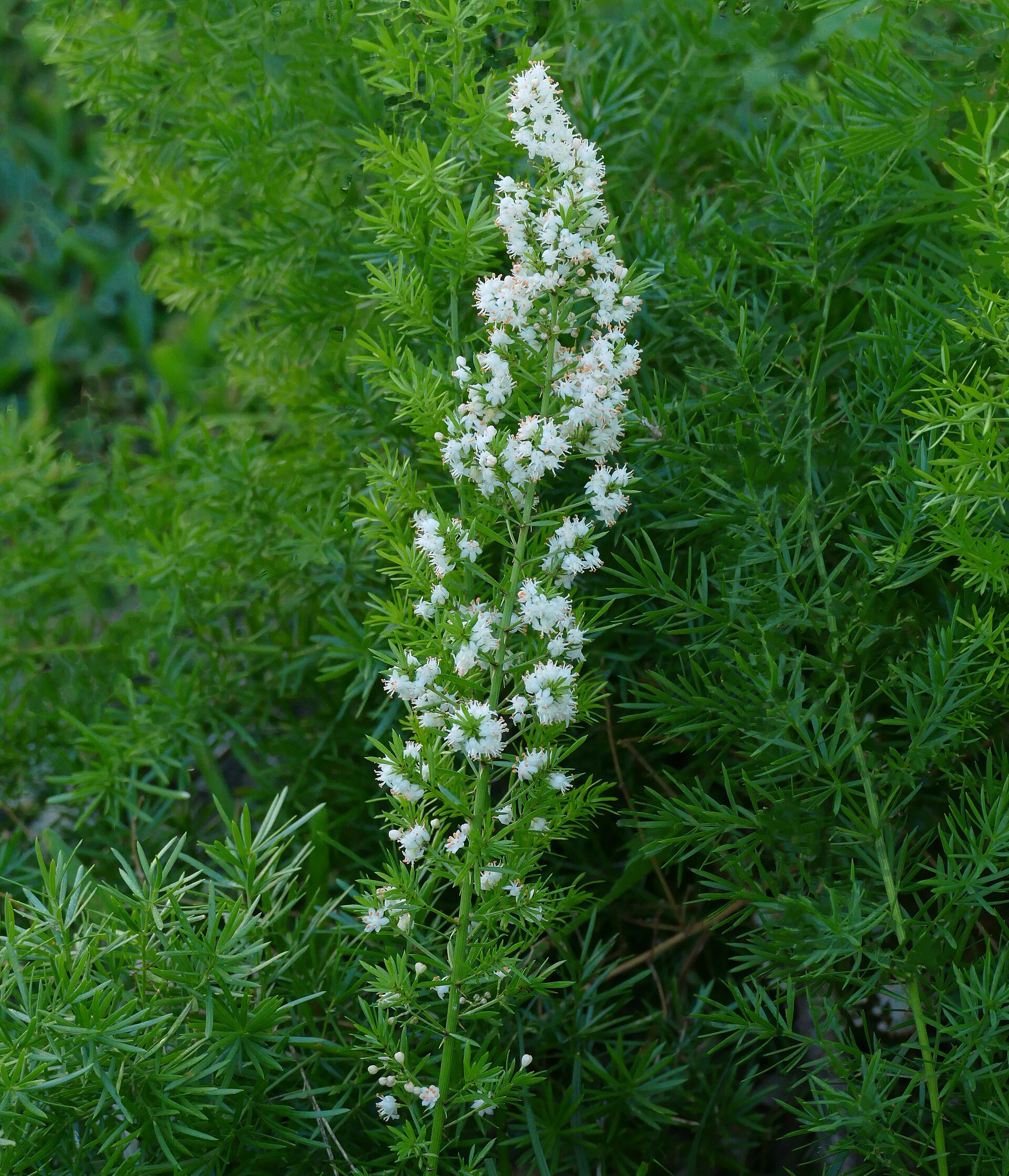
Sprengeri Fern
Asparagus densiflorus 'Sprengeri'
Sprengeri fern is not a true fern but a trailing form of ornamental asparagus, valued for its soft, feathery sprays of bright emerald needles. Its arching, cascading habit makes it a favourite for loose garden-style bouquets, table runners and anywhere a light, airy trail of green is needed. The fine foliage softens edges and fills gaps without adding visual weight. Cheap, plentiful and easy to work with, it is a reliable everyday greenery, though fine thorns mean careful handling.
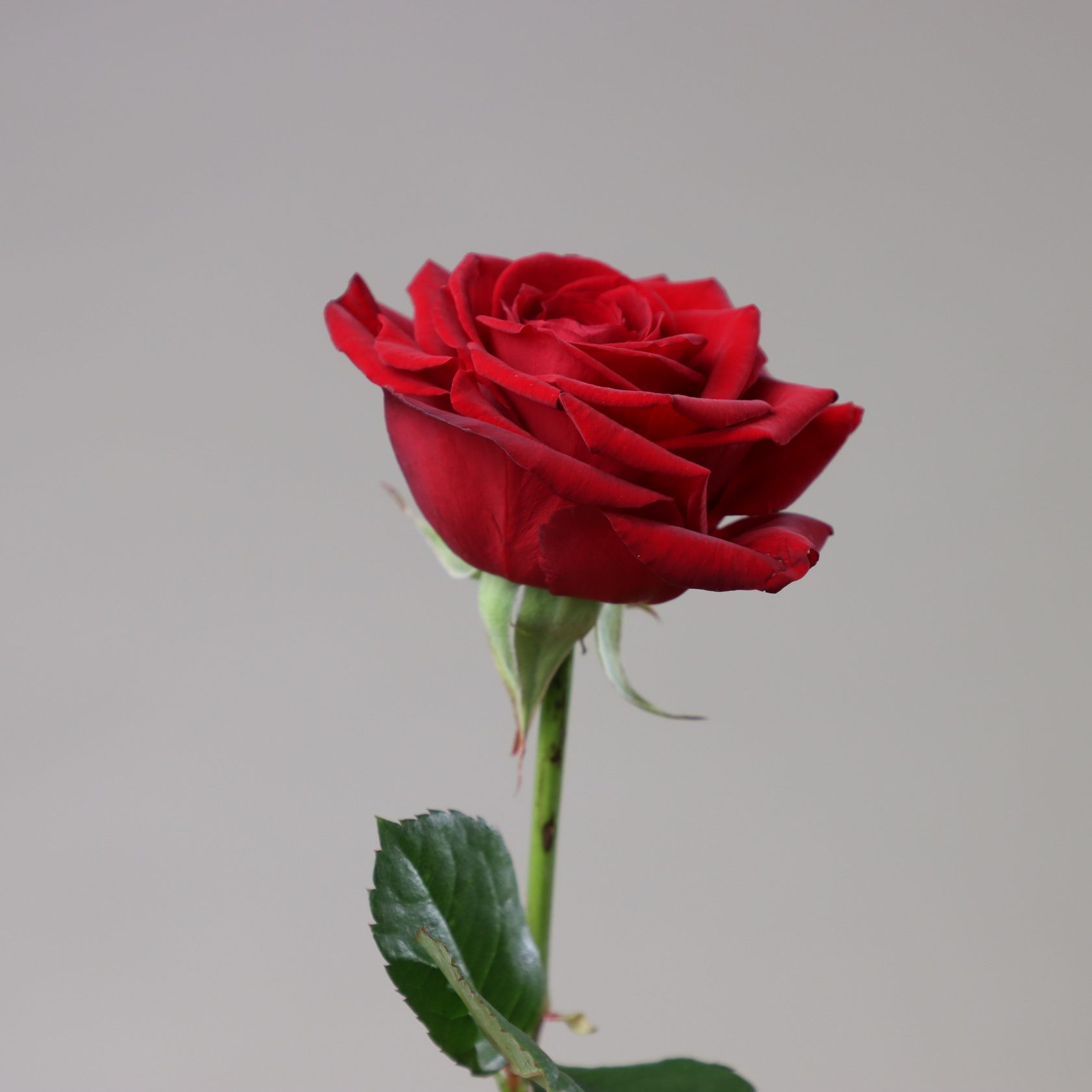
Standard rose
Rosa hybrida
The everyday workhorse of the floral industry. Long, straight stems, tight buds that open slowly, and predictable vase life. Ecuadorian roses are the premium standard for stem length (up to 90 cm) and head size; Kenyan and Ethiopian roses dominate the mid-market. Popular commercial cultivars include Freedom (red), Playa Blanca (white), Vendela (cream), Explorer (hot pink).
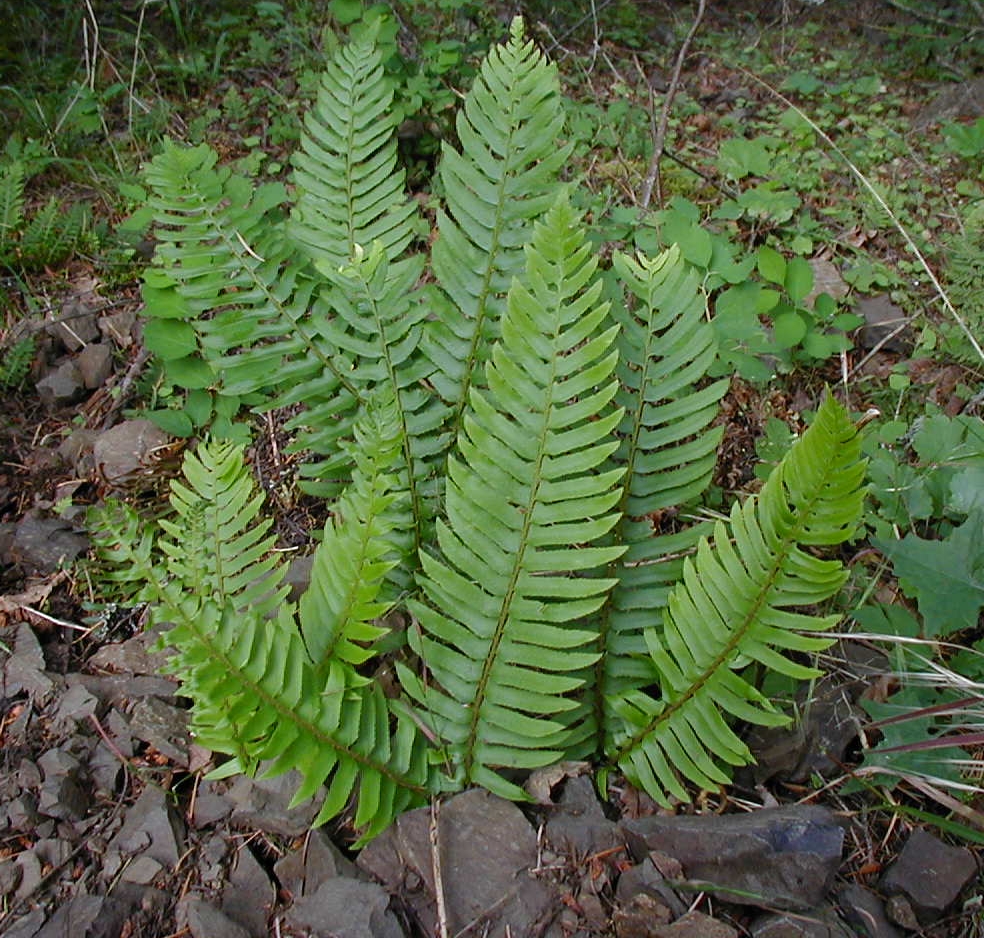
Sword Fern
Polystichum munitum
Sword fern produces long, upright fronds of neatly ranked, deep-green leaflets on sturdy stems. Wild-harvested in the Pacific Northwest, it is a reliable, inexpensive cut green with a fresh, natural character. Florists use its bold, tapering blades to build structure, add length and frame bouquets and arrangements. Hardier than many ferns, it holds its colour and form well through a design's life.
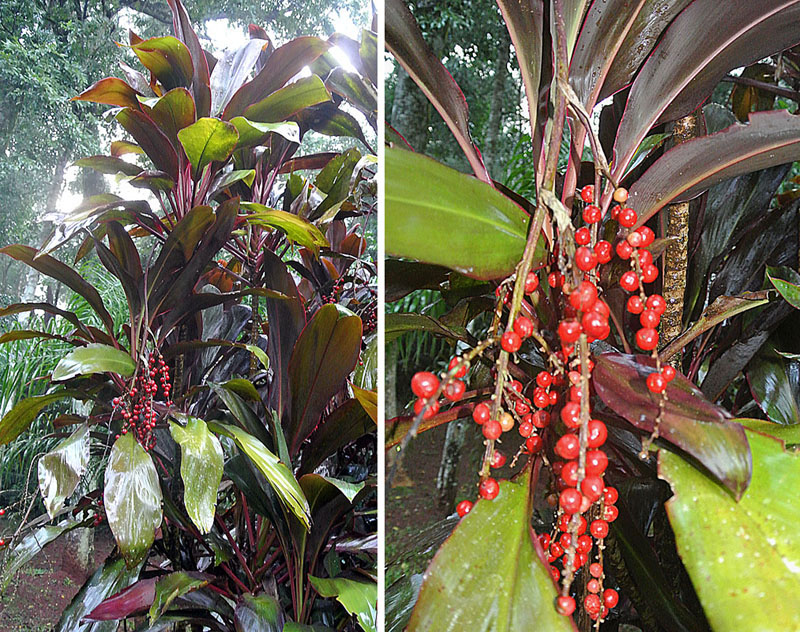
Ti Leaf
Cordyline fruticosa
Ti leaf comes from the tropical cordyline, a plant long grown across the Pacific for luck and protection. Its long, glossy blades range from deep green to vivid burgundy, red and pink, giving florists sleek, colourful lines for modern and tropical design. The flexible leaves are often rolled, folded or looped inside vases as a decorative liner, and they last for weeks with minimal care. Bold, durable and dramatic, ti leaf is a mainstay of contemporary and event floristry.
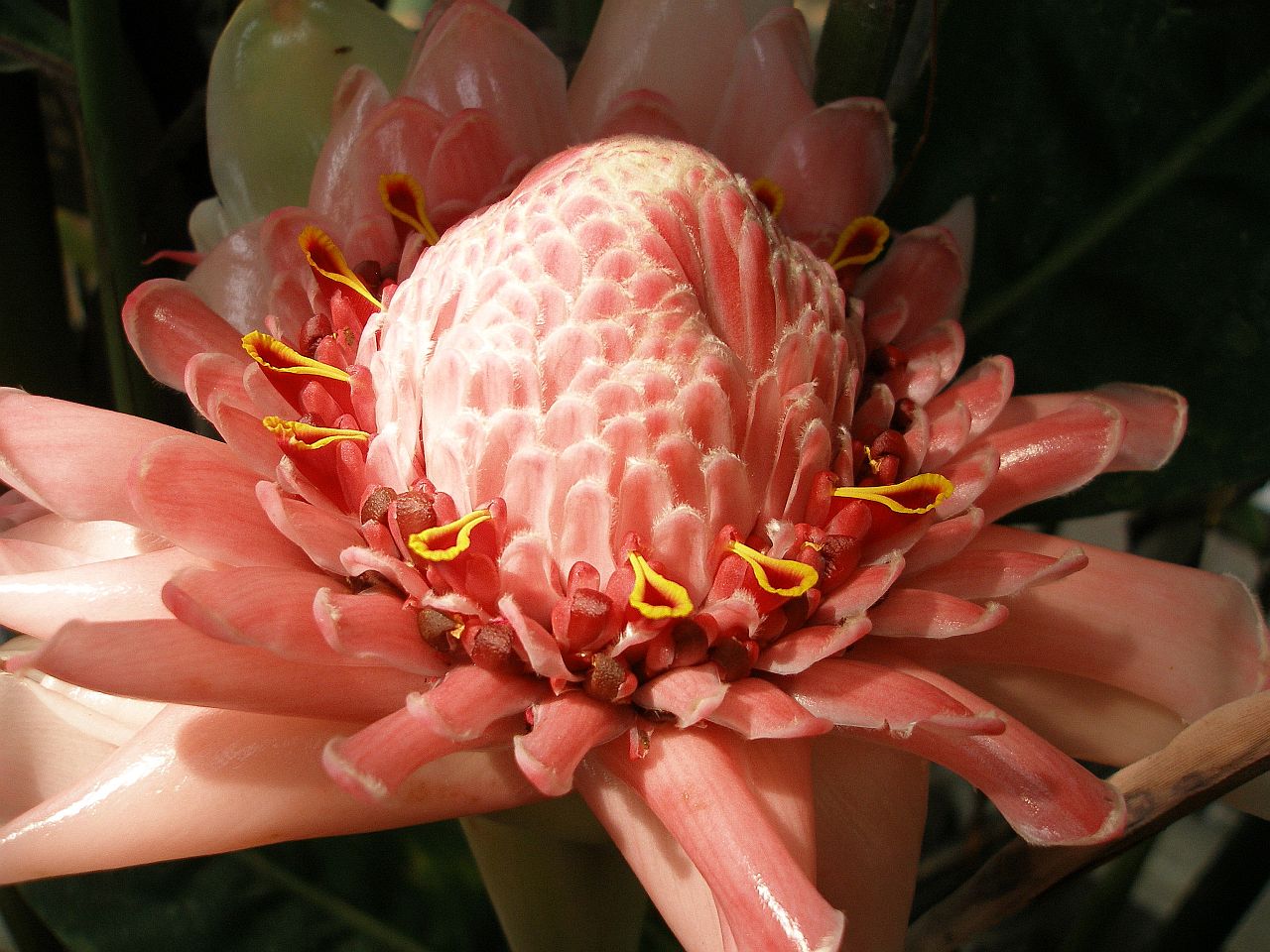
Torch Ginger
Etlingera elatior
Torch ginger sends up a tall, sturdy stalk topped by a glossy, waxy inflorescence of tightly overlapped bracts, most often in vivid red or pink — hence its other name, porcelain rose. A member of the ginger family from Southeast Asia, it is a dramatic tropical focal with excellent vase life and real presence in large designs. Florists use it for tropical weddings, installations and statement arrangements where scale and saturated colour are wanted. Its sculptural, torch-like head reads as exotic and luxurious in equal measure.
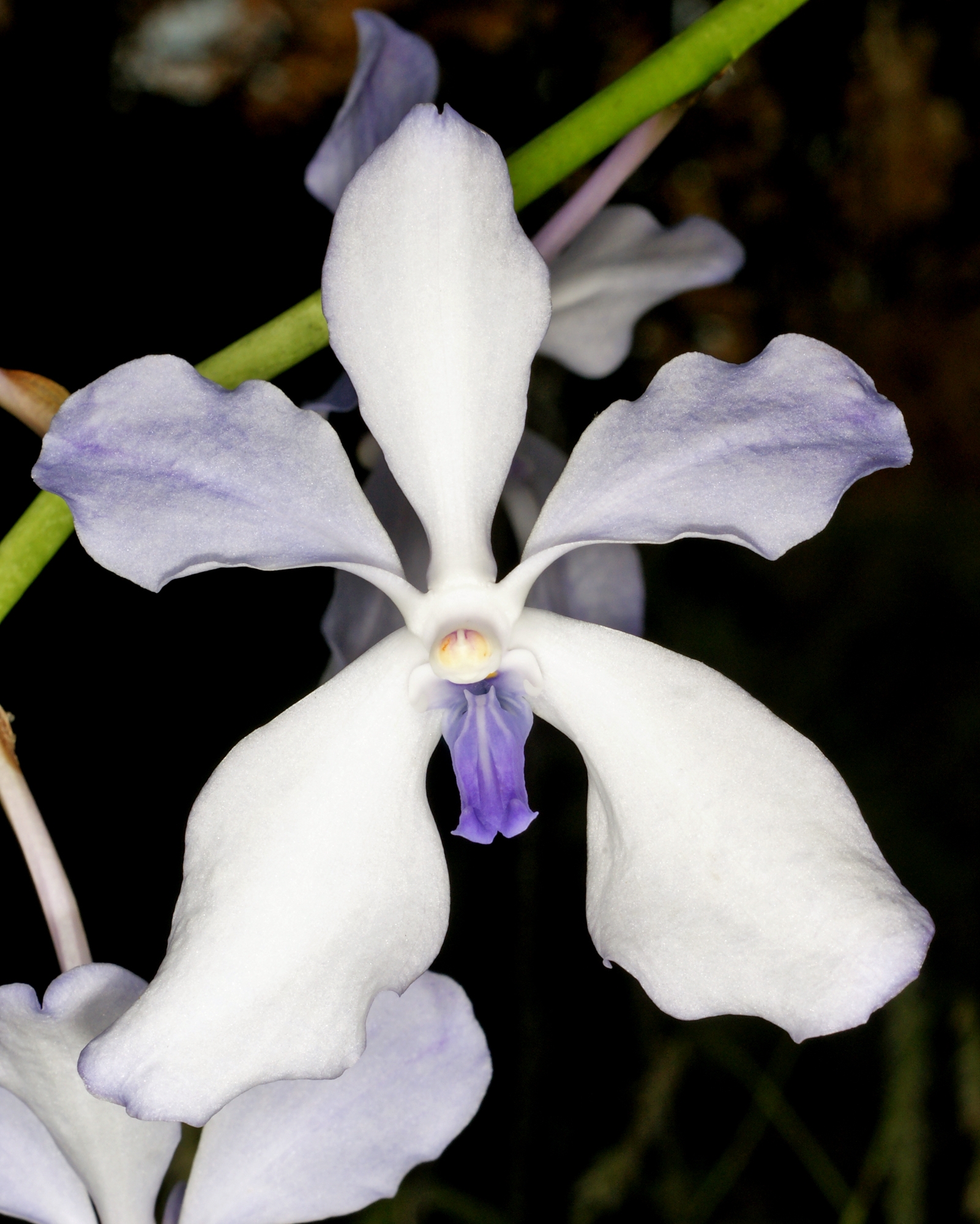
Vanda Orchid
Vanda
Vanda orchids are among the most coveted of all cut orchids, famous for the electric blue and violet lattice of Vanda coerulea and its hybrids — colours almost unheard of elsewhere in the flower world. Each thick stem carries a row of large, flat, jewel-toned blooms with remarkable substance and vase life. A true statement flower, vanda anchors luxury and editorial designs and dazzles in modern, minimal work. Its rarity and saturated colour place it firmly at the premium end of the orchid spectrum.